BRIDGE – Behavioral and physical activation for multimorbid older adults with depressive symptoms during the inpatient to outpatient transition: Study protocol for a multicenter two-arm randomized controlled trial
Alexandra Wuttke, Nils Henrik Pixa, Claudia Voelcker-Rehage, Lisa Marie Warner, Valentina Ludwig, Christine Müller, Brigitte Anderl-Doliwa, Andreas Fellgiebel, Peter Wagner, Jochen Heckmann, Marcus Unger, Ulrich Seidl, Sebastian Walther, Juergen Deckert, Alexandra Sibylle Herr

TL;DR
BRIDGE is a 12-week program combining behavioral and physical activities to help older adults with depression transition from inpatient to outpatient care more smoothly.
Contribution
BRIDGE introduces a blended care model integrating behavioral activation and physical exercise for older adults with multimorbidity and depressive symptoms.
Findings
The BRIDGE intervention will be evaluated for its efficacy in improving depressive symptoms in older adults.
The study will assess the feasibility and cost-effectiveness of the BRIDGE program compared to standard care.
Secondary outcomes include reduced hospital readmissions and improved physical and emotional functioning.
Abstract
Older adults with multimorbidity and depressive symptoms are particularly vulnerable during the transition from (partial) inpatient to outpatient care, with a high risk of readmission and rehospitalization due to substantial barriers in accessing appropriate mental healthcare. The BRIDGE intervention addresses this critical transition through a structured, manualized, interdisciplinary treatment program aimed primarily at improving depressive symptoms. BRIDGE is a 12-week blended care intervention that combines two evidence-based therapeutic strategies—behavioral activation (BA) and physical exercise (PE)—to promote structured daily activity and improve mood and physical health. The program is delivered by an interprofessional team consisting of a nurse, psychologist, and exercise scientist at each study center, and includes both home visits and digital components via a tablet-based…
Genes, proteins, chemicals, diseases, species, mutations and cell lines named across the full text — each resolved to its canonical identifier and authoritative record.
Click any figure to enlarge with its caption.
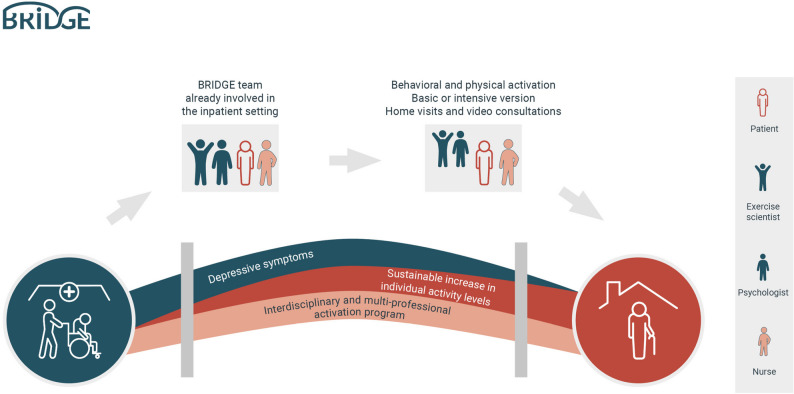 Figure 1
 Figure 2
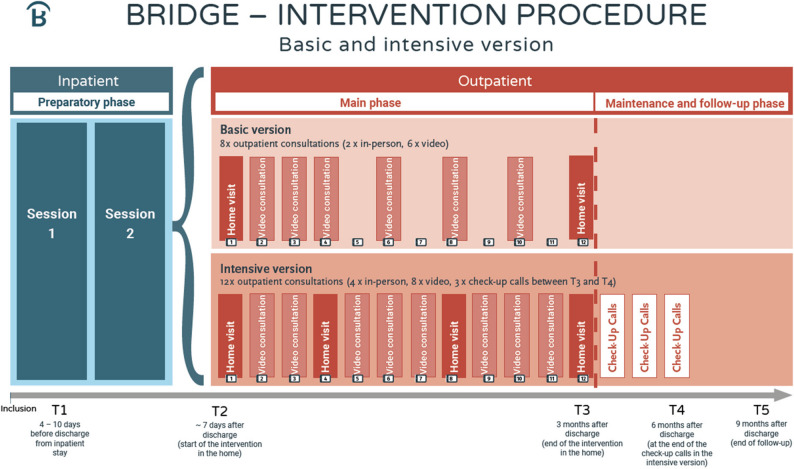 Figure 3
 Figure 4
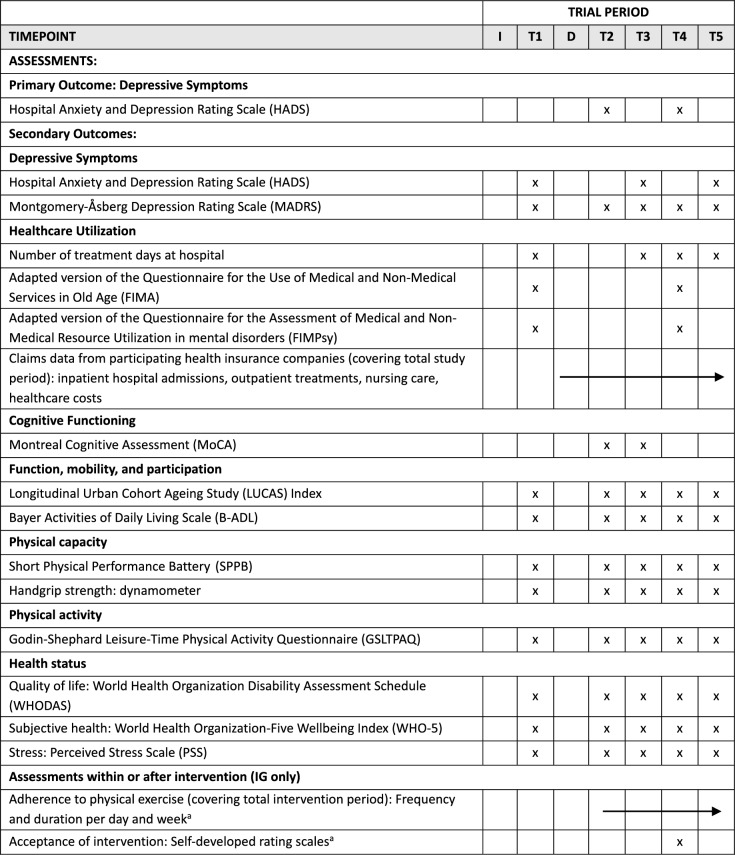 Figure 5
Peer Reviews
No public reviews on file for this paper yet. If you reviewed it on a platform where reviews are public (OpenReview, ICLR, NeurIPS, ICML), you can paste yours below so the community can read it here.
Videos
No videos yet. Explain this paper in a talk, walkthrough, or lecture? Add one.
Taxonomy
TopicsChronic Disease Management Strategies · Frailty in Older Adults · Intensive Care Unit Cognitive Disorders