Portable Bioprinter in Ischemic Wound Therapy: a Pilot Study
D.P. Revokatova, Y.I. Khristidis, A.L. Fayzullin, B.P. Ershov, D.I. Larionov, I.V. Nesterenko, A.I. Shpichka, P.S. Timashev

TL;DR
A portable bioprinter using a special ink with cell spheroids significantly improved healing of ischemic wounds in pigs.
Contribution
A novel portable bioprinter and bioink combining fibrin-gelatin hydrogel with adipose-derived MSC spheroids for ischemic wound therapy.
Findings
The bioink with MSC spheroids significantly accelerated wound healing compared to controls.
Complete restoration of all skin layers was observed by day 36 in treated wounds.
The passive mixer maintained cell viability and enabled effective ink application.
Abstract
The aim of the study was to develop a novel approach to treatment of non-healing wounds by using a portable Biogan bioprinter and an ink based on fibrin-gelatin hydrogel and spheroids derived from mesenchymal stromal cells (MSCs) from adipose tissue in a model of ischemic pig wound. To simulate the wound, titanium sealing rings were used, which mechanically compressed the skin to create a local ischemic wound. A day after, the rings were removed, and the epidermis of the skin was excised. The wound was treated one day and 2 weeks after the wound infliction. For this purpose, a combined ink was applied to the wound surface using a portable Biogan bioprinter (the prototype was developed by the authors). An adapted passive mixer allowed uniform mixing of the bioink based on a fibrin-gelatin hydrogel and spheroids derived from human adipose MSCs. Wound closure rates were assessed over 36…
Genes, proteins, chemicals, diseases, species, mutations and cell lines named across the full text — each resolved to its canonical identifier and authoritative record.
Click any figure to enlarge with its caption.
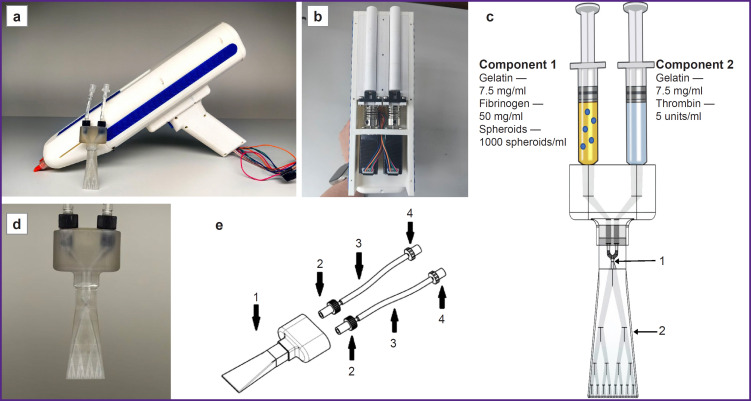 Figure 1
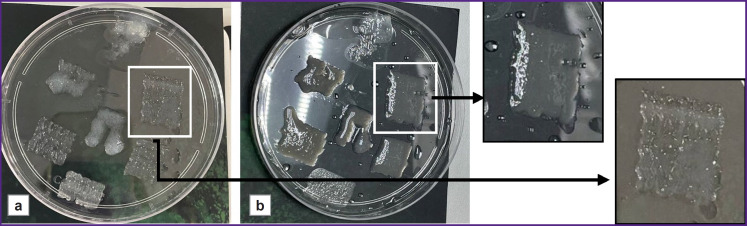 Figure 2
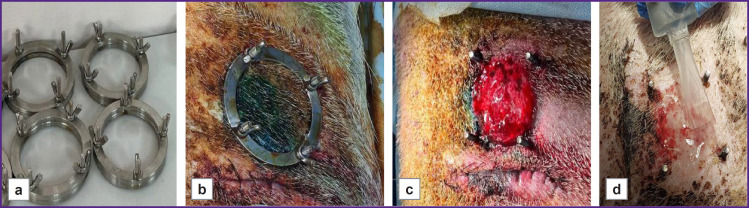 Figure 3
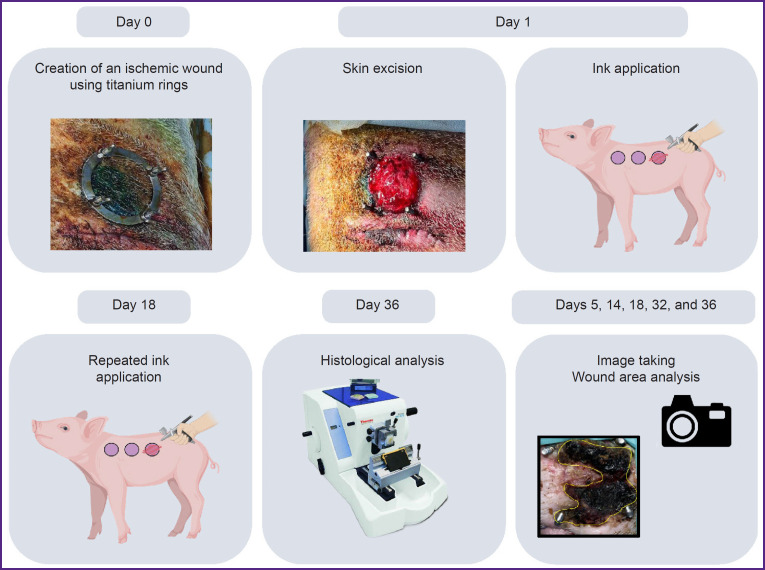 Figure 4
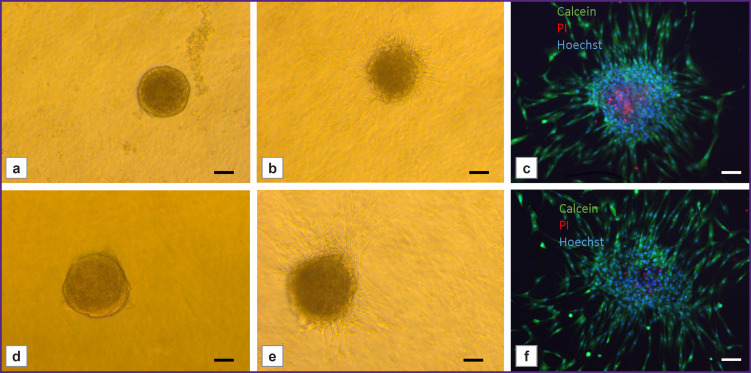 Figure 5
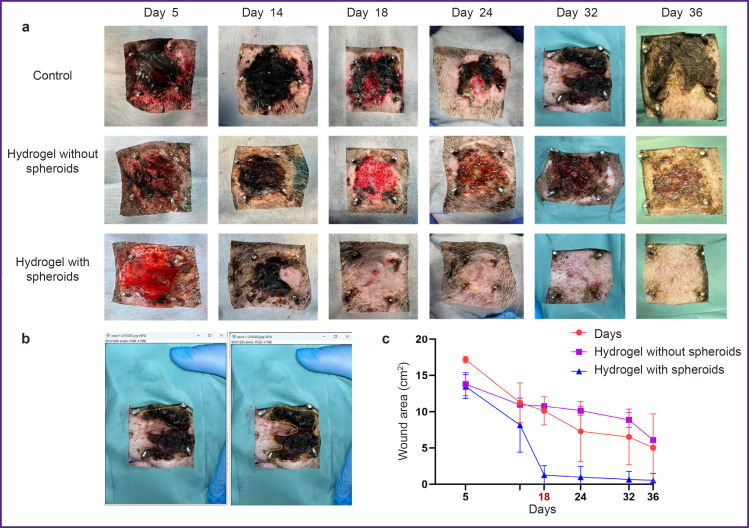 Figure 6
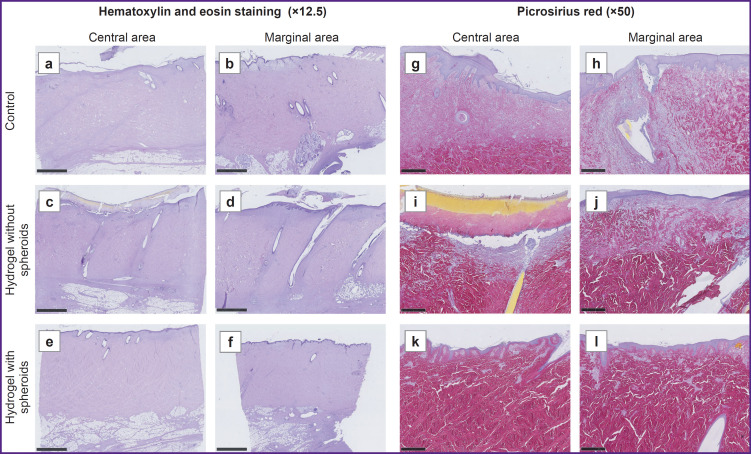 Figure 7
Peer Reviews
No public reviews on file for this paper yet. If you reviewed it on a platform where reviews are public (OpenReview, ICLR, NeurIPS, ICML), you can paste yours below so the community can read it here.
Videos
No videos yet. Explain this paper in a talk, walkthrough, or lecture? Add one.
Taxonomy
Topics3D Printing in Biomedical Research · Wound Healing and Treatments · Electrospun Nanofibers in Biomedical Applications