Proteasome Assembly Chaperone 3 Defines Metabolic-Immune Programs and Poor Prognosis in Breast Cancer via Multi-Omics Approaches
Sachin Kumar, Hoang Dang Khoa Ta, Hao-Chien Yang, Chia-Lung Shih, Dahlak Daniel Solomon, Ching-Chung Ko, Do Thi Minh Xuan, Yung-Kuo Lee, Kai-Fu Chang, Hui-Ru Lin, Shu-Huei Kao, Jian-Ying Chuang, Jian-Bin Chen, Chih-Yang Wang, Ngoc Uyen Nhi Nguyen

TL;DR
This study shows that high levels of PSMG3 in breast cancer are linked to worse outcomes, metabolic changes, and immune system interactions, making it a potential target for treatment.
Contribution
The study identifies PSMG3 as a novel prognostic biomarker and therapeutic target in breast cancer through multi-omics analysis.
Findings
PSMG3 is significantly elevated in breast cancer and linked to poor survival outcomes.
PSMG3-high tumors show activation of hypoxia and fatty acid metabolism pathways.
PSMG3 expression correlates with specific immune cell populations in the tumor microenvironment.
Abstract
The proteasome assembly chaperone (PSMG) gene family (comprised of PSMG1, PSMG2, PSMG3, and PSMG4) plays a critical role in proteasome biogenesis; however, its involvement in breast cancer remains poorly understood. Among these chaperones, PSMG3 is uniquely and markedly elevated in breast cancer and is associated with poor clinical outcomes. We systematically investigated the roles of PSMG family genes in breast cancer by integrating multi-cohort genomic and transcriptomic datasets, including TCGA-BRCA, METABRIC, and multiple NCBI GEO cohorts. Comprehensive bioinformatics analyses were performed using bulk RNA sequencing and single-cell RNA sequencing data. A gene set enrichment analysis (GSEA) and immune infiltration analyses (CIBERSORT and TIMER) were applied to characterize dysregulated biological pathways, tumor microenvironmental features, and clinical relevance. In addition,…
Genes, proteins, chemicals, diseases, species, mutations and cell lines named across the full text — each resolved to its canonical identifier and authoritative record.
Click any figure to enlarge with its caption.
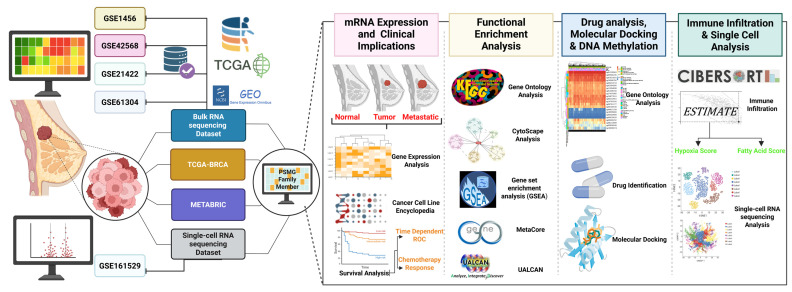 Figure 1
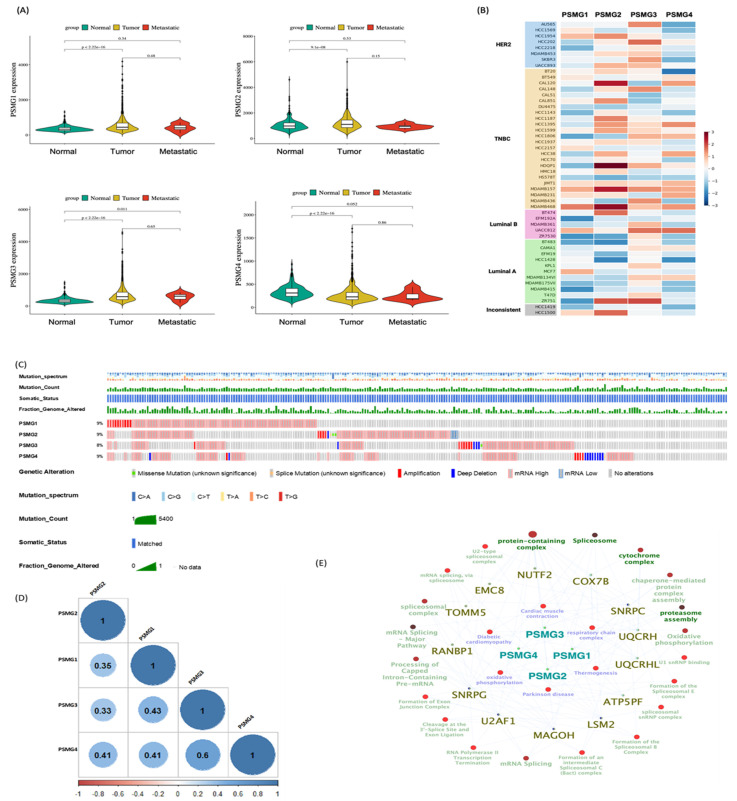 Figure 2
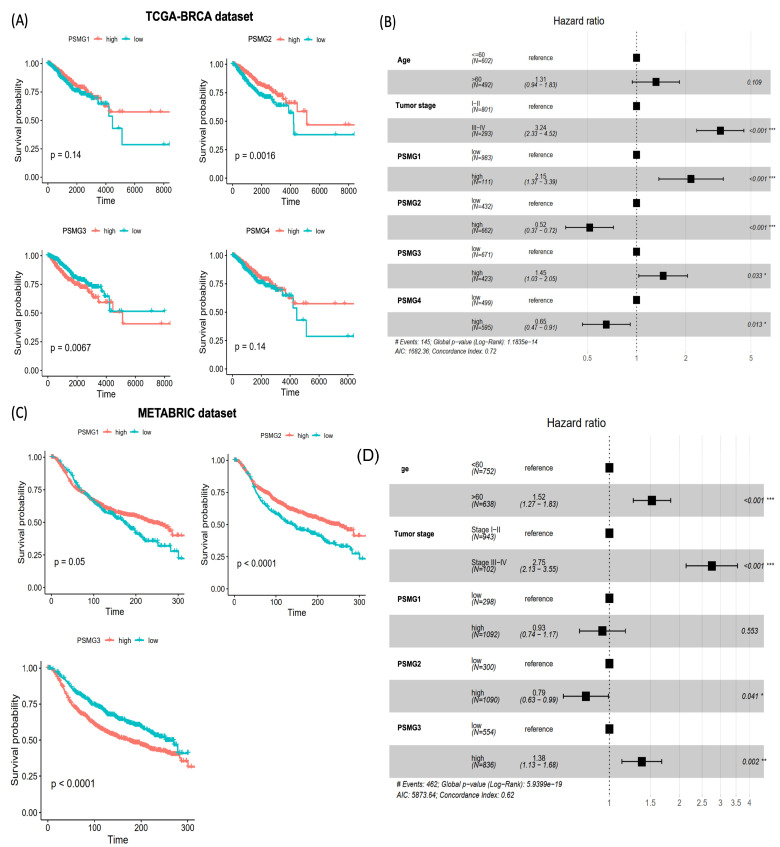 Figure 3
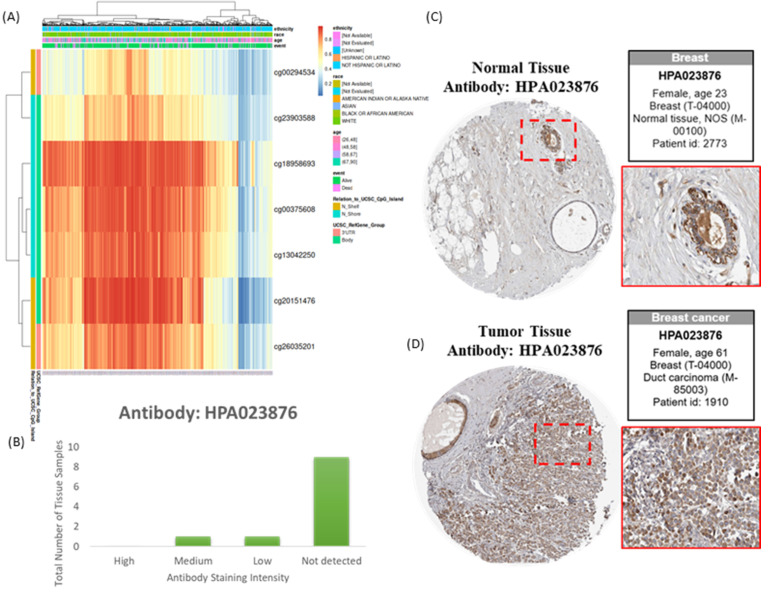 Figure 4
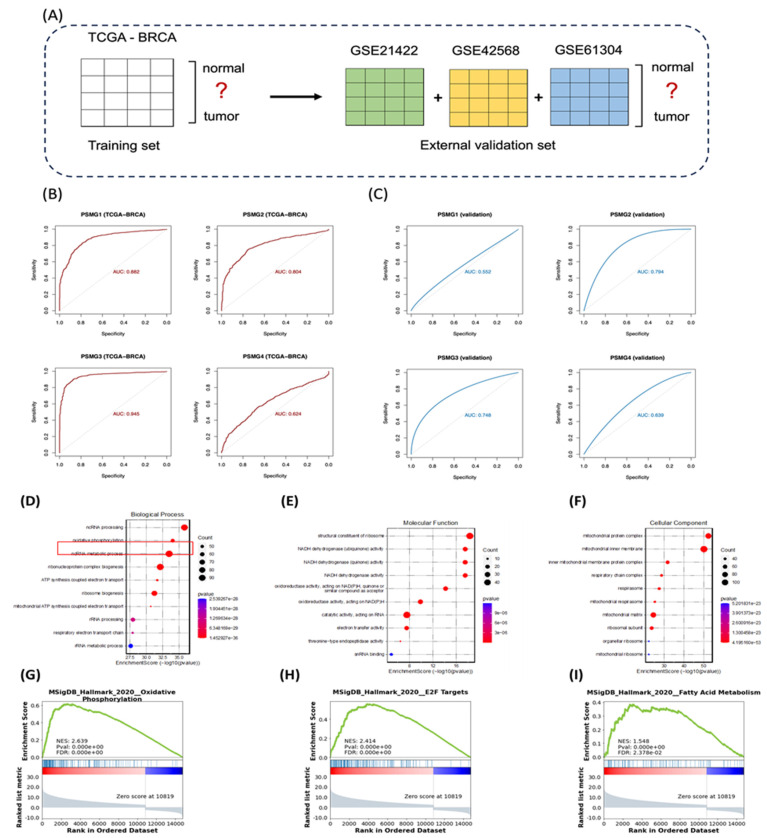 Figure 5
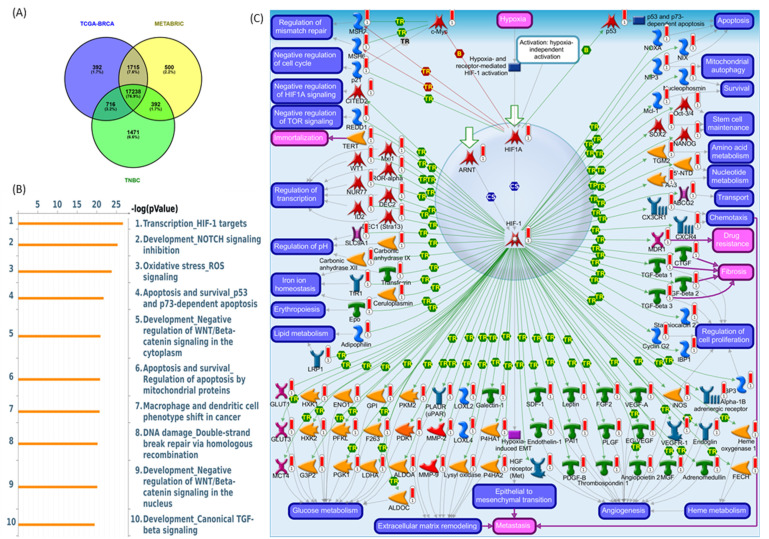 Figure 6
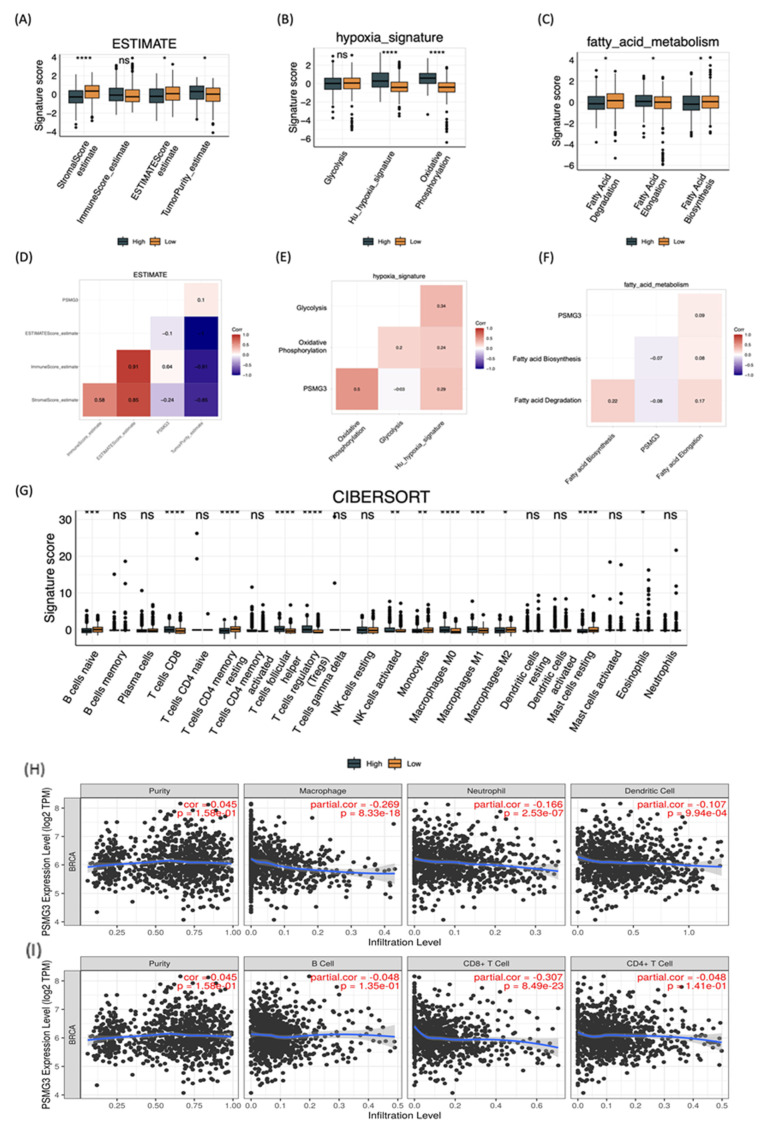 Figure 7
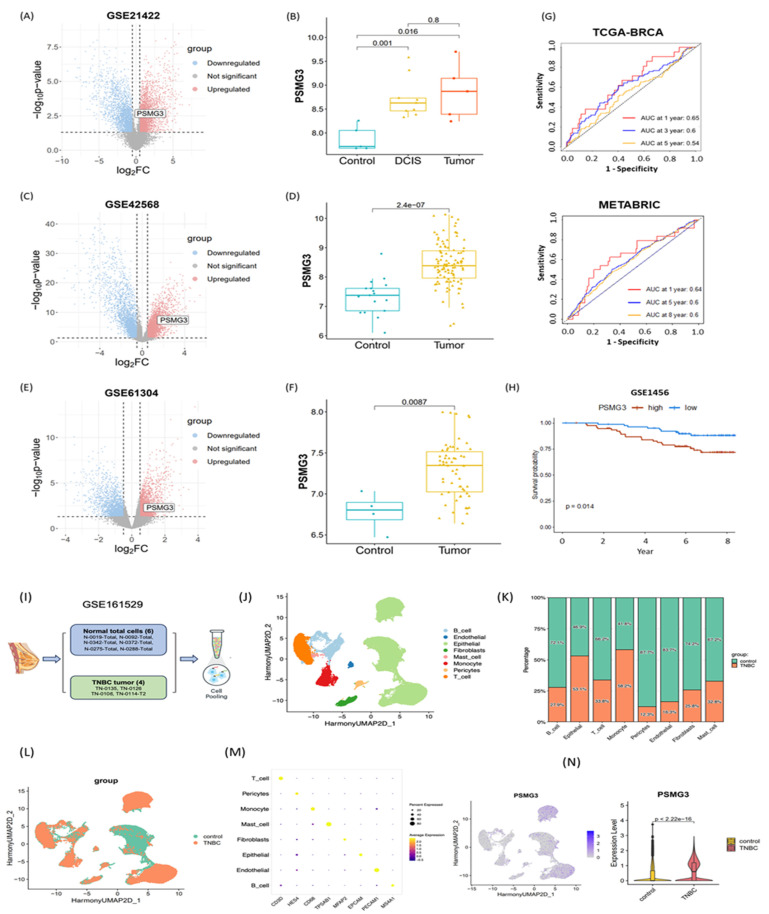 Figure 8
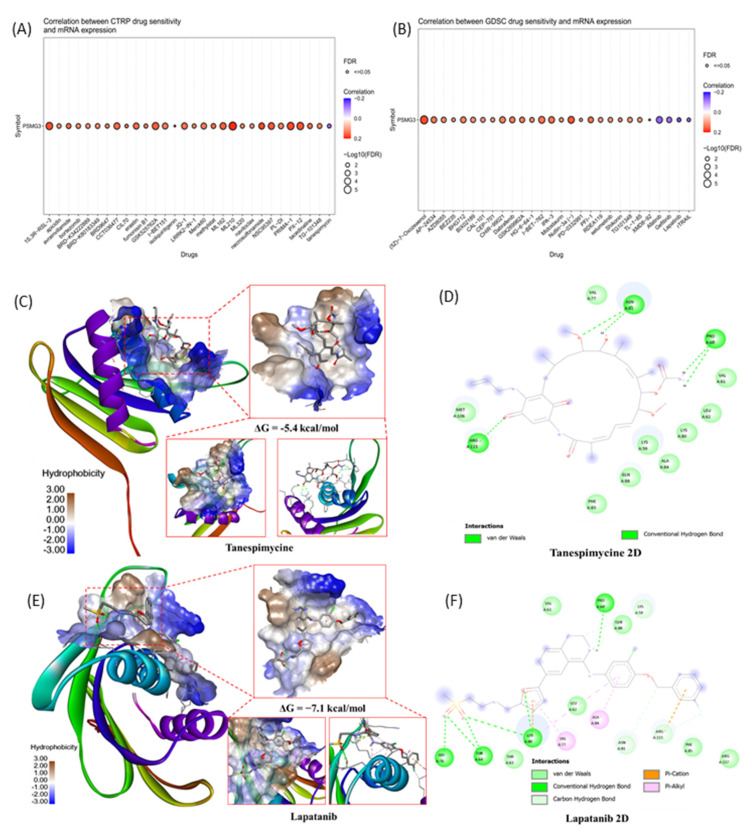 Figure 9
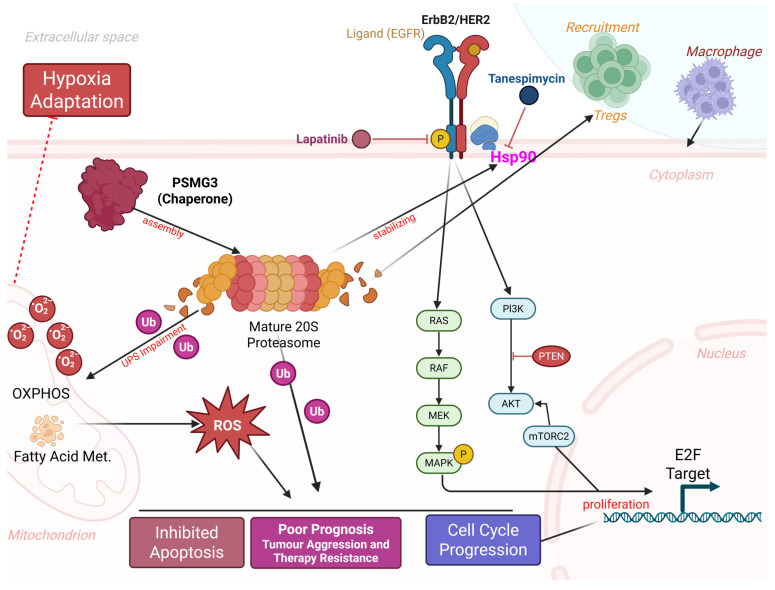 Figure 10
Peer Reviews
No public reviews on file for this paper yet. If you reviewed it on a platform where reviews are public (OpenReview, ICLR, NeurIPS, ICML), you can paste yours below so the community can read it here.
Videos
No videos yet. Explain this paper in a talk, walkthrough, or lecture? Add one.
Taxonomy
TopicsUbiquitin and proteasome pathways · Clusterin in disease pathology · Cancer Immunotherapy and Biomarkers