Benchmarking Cantilever Torque Magnetometry as a Platform for Characterizing Molecular Qubits: A Case Study on Ni(II) Complexes
Jett T. Janetzki, Arsen Raza, Matteo Briganti, Rocco Duquennoy, Anne-Laure Barra, Costanza Toninelli, Mauro Perfetti, Lorenzo Sorace

TL;DR
This paper shows that cantilever torque magnetometry is a precise and accessible method for studying molecular qubits, particularly for Ni(II) complexes.
Contribution
CTM is introduced as a new, accessible method for determining spin Hamiltonian parameters with high sensitivity and minimal sample requirements.
Findings
CTM enables precise determination of spin Hamiltonian parameters from microgram-scale single crystals.
CTM results show qualitative consistency but quantitative differences compared to high-frequency EPR spectroscopy.
CTM is established as a complementary technique for characterizing low-anisotropy spin systems.
Abstract
Precise and experimentally accessible determination of the electronic structure of transition metal complexes remains a challenge in the development of molecular qubits, particularly for leading candidates with integer spin. Existing techniques often require large-scale facilities and substantial sample quantities or offer limited spectral access and sensitivity to subtle anisotropies. Here, we demonstrate that cantilever torque magnetometry (CTM) overcomes these limitations by combining high sensitivity to magnetic anisotropy with wide sample compatibility, minimal sample demands, and true laboratory-scale accessibility. By exploiting the distinct temperature dependences of g-tensor anisotropy and zero-field splitting (ZFS), CTM enables their experimental decoupling, yielding exceptionally precise bulk-mean value determination of spin Hamiltonian parameters from microgram-scale single…
Genes, proteins, chemicals, diseases, species, mutations and cell lines named across the full text — each resolved to its canonical identifier and authoritative record.
Click any figure to enlarge with its caption.
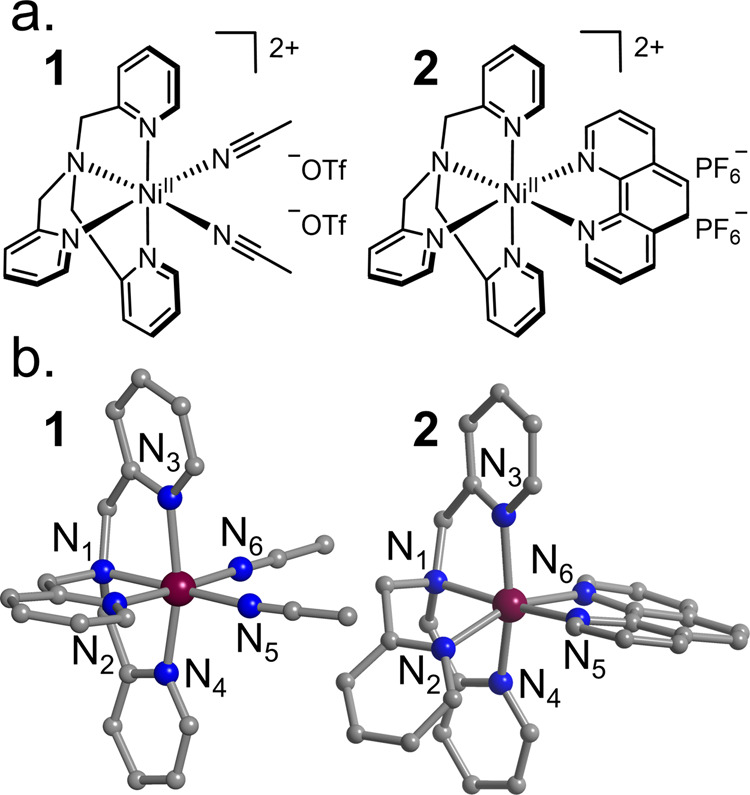 Figure 1
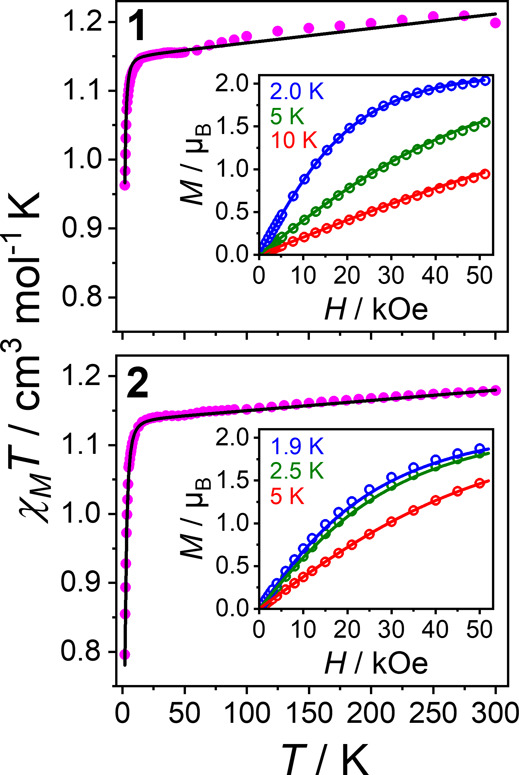 Figure 2
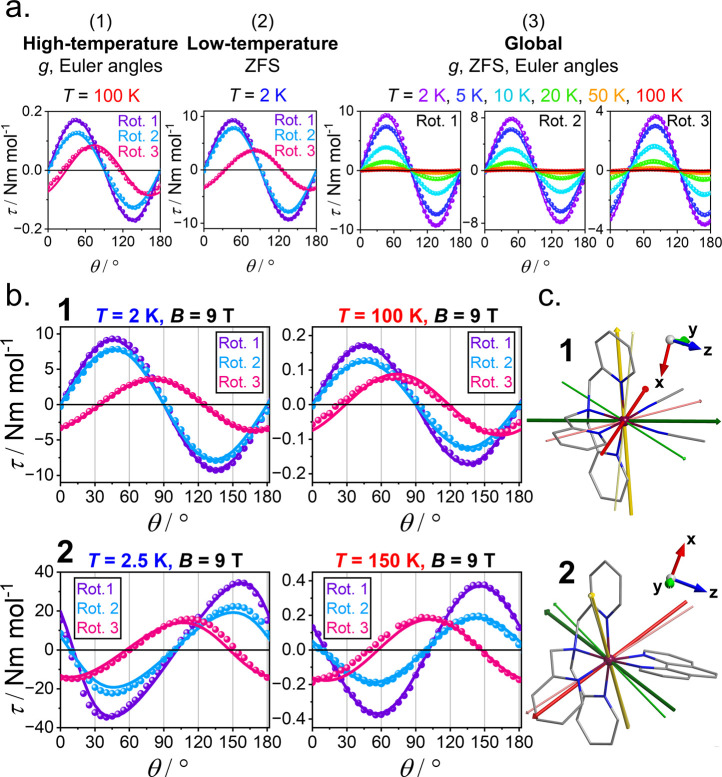 Figure 3
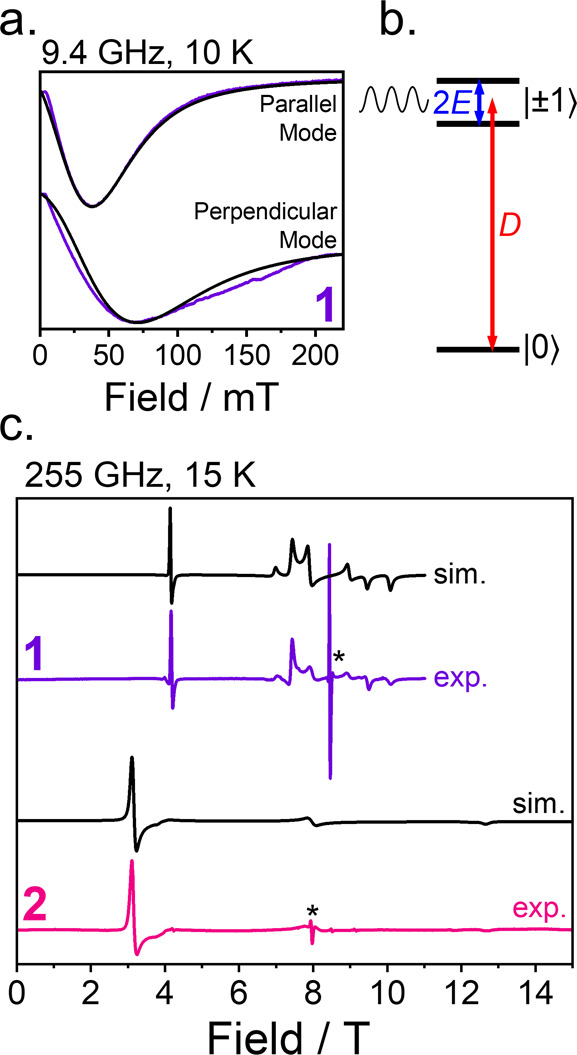 Figure 4
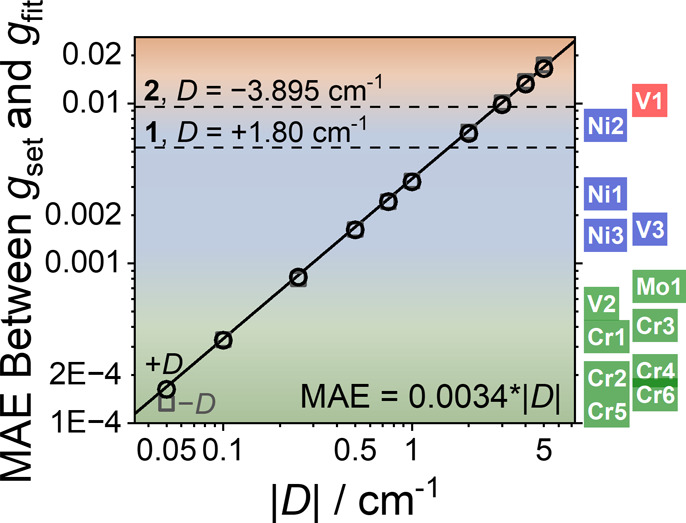 Figure 5
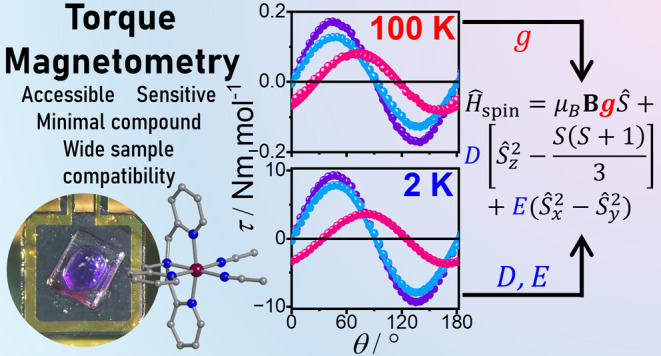 Figure 6
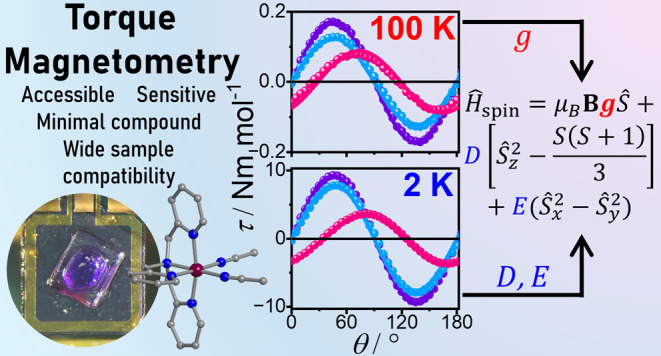 Figure 7
 Figure 8
Peer Reviews
No public reviews on file for this paper yet. If you reviewed it on a platform where reviews are public (OpenReview, ICLR, NeurIPS, ICML), you can paste yours below so the community can read it here.
Videos
No videos yet. Explain this paper in a talk, walkthrough, or lecture? Add one.
Taxonomy
TopicsMagnetism in coordination complexes · Mechanical and Optical Resonators · Advanced NMR Techniques and Applications