Organotellurium Probes Enable One-step Single-cell Analysis of Post-translational Modification
Yuanzhe Chen, Kris Elbein, Sneha Venkatachalapathy, Ellen L. Lorimer, Andrea M. Sprague-Getsy, Shelby A. Auger, Zoë A. Maxwell, Mohammad Rashidian, James L. Hougland, Carol L. Williams, Edgar A. Arriaga, Mark D. Distefano

TL;DR
A new method using organotellurium probes allows single-cell analysis of protein prenylation, a key modification linked to disease and aging.
Contribution
A one-step method using tellurium-containing isoprenoid analogues enables direct quantification of prenylation in single cells via mass cytometry.
Findings
Tellurium probes allow single-step detection of prenylation in various cell lines.
Prenylation levels are altered in autophagy-deficient L6 cells, relevant to aging.
Chemical proteomics identifies prenylation targets via oxidation-controlled reactions.
Abstract
Protein prenylation is a widespread post-translational modification (PTM) that regulates membrane association and signaling; dysregulation of this process leads to a variety of diseases. Metabolic labeling with probes containing bioorthogonal functionality has revolutionized the study of many protein modifications, including prenylation. However, that approach requires two steps, including metabolic incorporation and subsequent bioorthogonal reaction to install chemical reporters. Here, we present the development and application of tellurium-containing isoprenoid analogues that can be incorporated through a single enzymatic step and enable the direct quantification of prenylation at the single-cell level by mass cytometry. This robust methodology was examined in a variety of cell lines and used to show that prenylation levels are perturbed in autophagy-deficient L6 cells, a model for…
Genes, proteins, chemicals, diseases, species, mutations and cell lines named across the full text — each resolved to its canonical identifier and authoritative record.
Click any figure to enlarge with its caption.
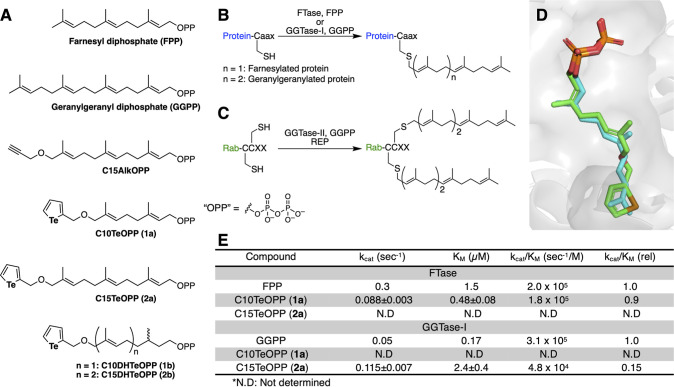 Figure 1
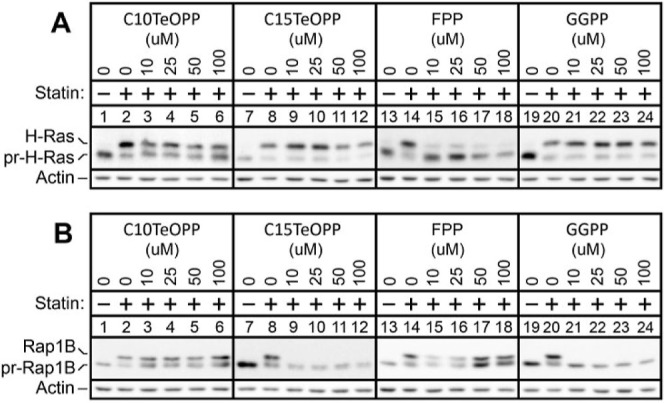 Figure 2
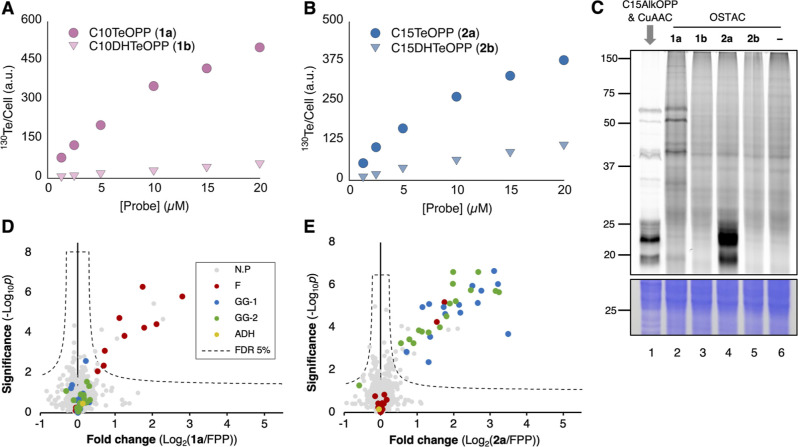 Figure 3
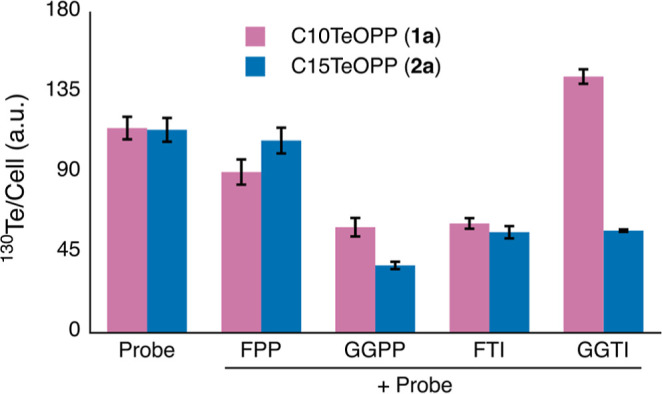 Figure 4
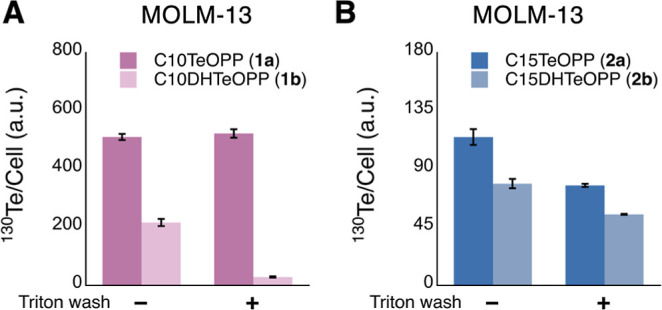 Figure 5
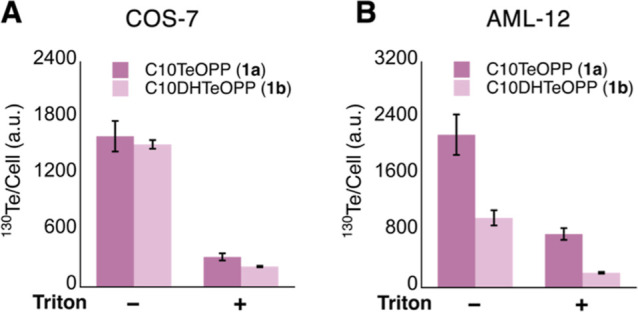 Figure 6
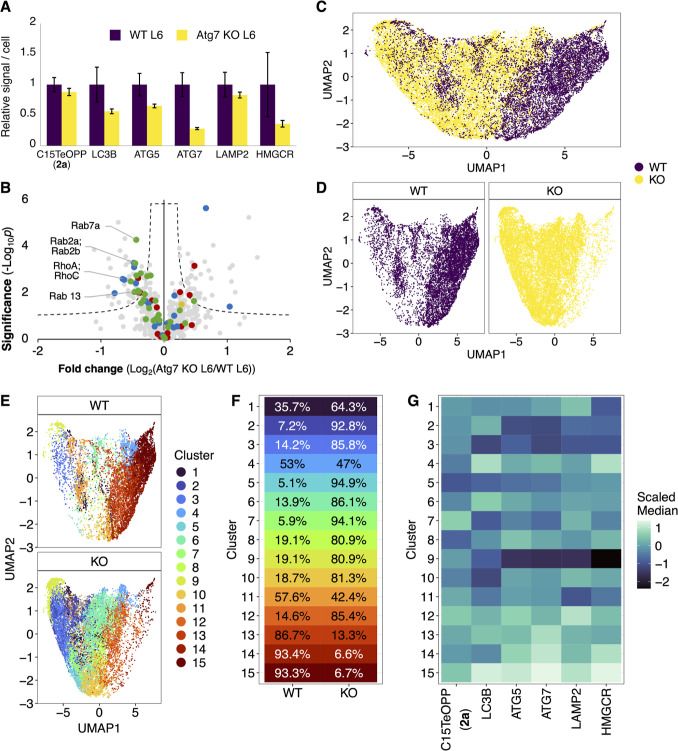 Figure 7
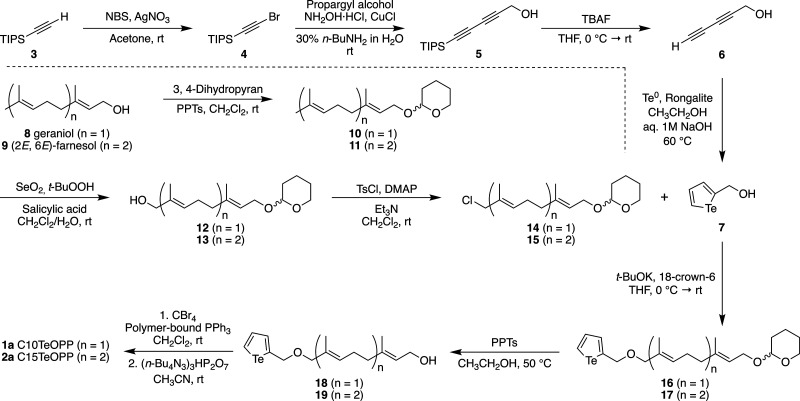 Figure 8
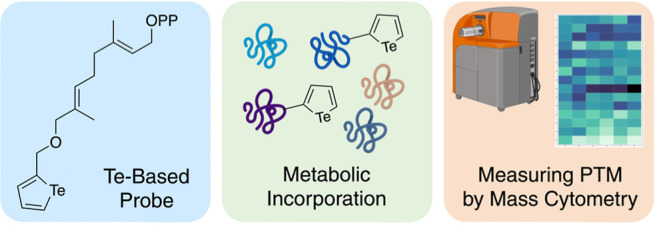 Figure 9
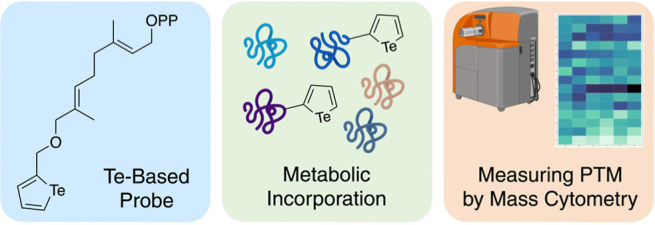 Figure 10
Peer Reviews
No public reviews on file for this paper yet. If you reviewed it on a platform where reviews are public (OpenReview, ICLR, NeurIPS, ICML), you can paste yours below so the community can read it here.
Videos
No videos yet. Explain this paper in a talk, walkthrough, or lecture? Add one.
Taxonomy
TopicsClick Chemistry and Applications · Organoselenium and organotellurium chemistry · Sirtuins and Resveratrol in Medicine