MK4 Repositioning for IAHSP: Overcoming In Vivo Data Gaps through In Silico Refinement and In Vitro Validation
Matteo Rossi Sebastiano, Antonio Vicidomini, Serena Francisco, Verdiana Pullano, Paola Defilippi, Gabriele Baj, Fabrizia Cesca, Giulia Caron, Giuseppe Ermondi

TL;DR
This study explores using MK4 to treat a rare genetic disorder by combining computer simulations and lab experiments to overcome limited in vivo data.
Contribution
The novel approach integrates computational modeling with in vitro validation using patient-derived cells to advance drug discovery for rare diseases.
Findings
MK4 treatment rescued mitochondrial morphology and ALSIN levels in patient-derived fibroblasts.
Mean Branch Diameter of mitochondria was identified as a specific marker for IAHSP.
Computational and cellular methods were successfully combined to evaluate drug efficacy in the absence of in vivo models.
Abstract
Infantile-onset Ascending Hereditary Spastic Paralysis (IAHSP) is an ultrarare, autosomal recessive form of Hereditary Spastic Paraplegia (HSP), caused by mutations in the ALS2 gene, which encodes the protein ALSIN. In a previous study, we proposed a personalized therapeutic strategy for an Italian IAHSP patient (AO), aiming to correct the aberrant function of the R1611W mutant ALSIN using Menatetrenone (MK4). While our results supported compassionate-use approval for a patient-specific therapeutic regimen, further investigation was needed to highlight the treatment’s benefits in the absence of tractable biophysical assays and in vivo models. In this respect, we first characterized MK4’s interaction with the mutation site through Molecular Dynamics simulations. Next, we established and characterized a skin fibroblast cell line derived from patient AO. We analyzed the expression and…
Genes, proteins, chemicals, diseases, species, mutations and cell lines named across the full text — each resolved to its canonical identifier and authoritative record.
Click any figure to enlarge with its caption.
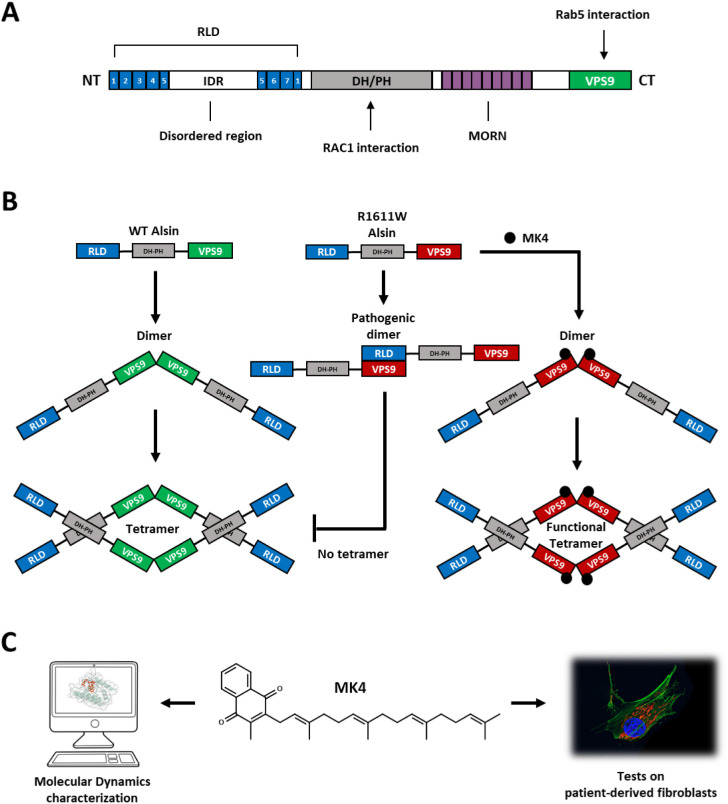 Figure 1
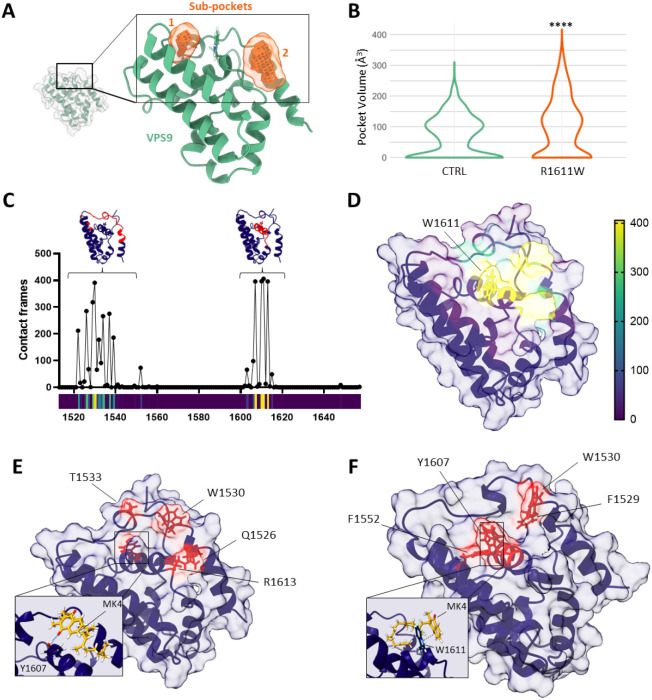 Figure 2
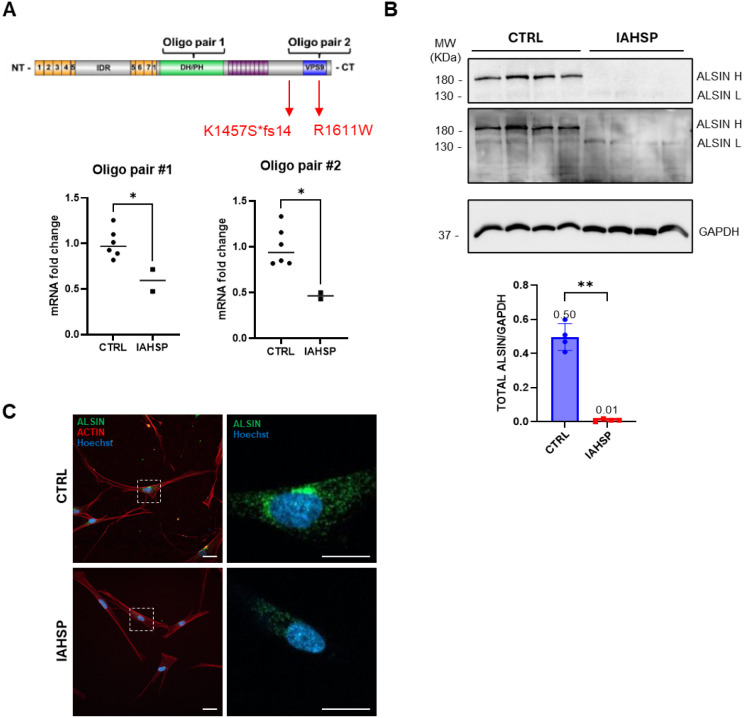 Figure 3
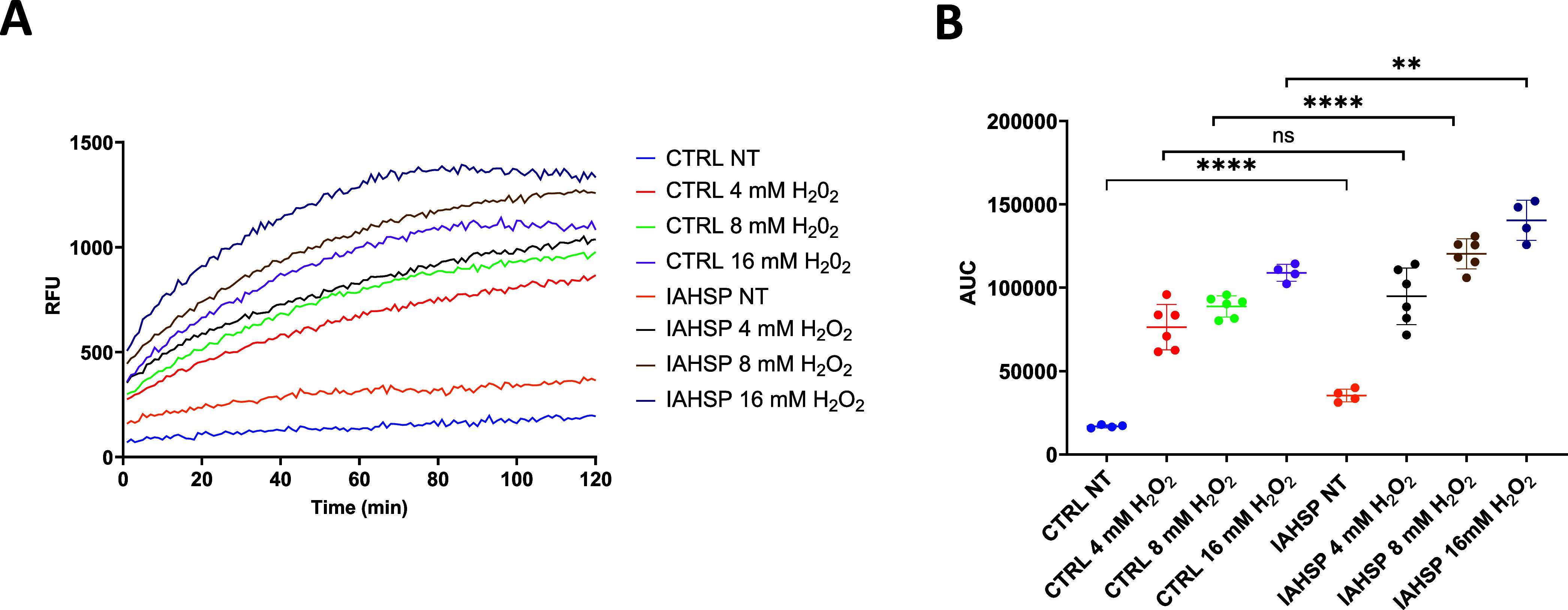 Figure 4
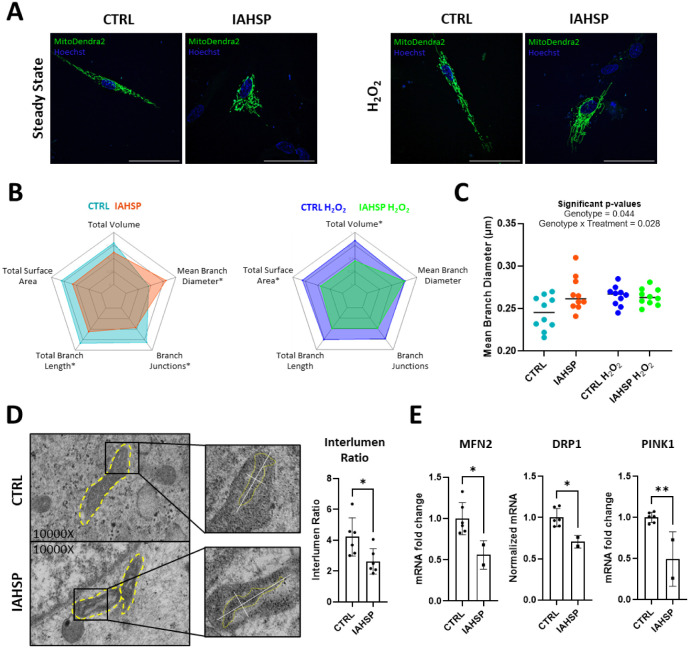 Figure 5
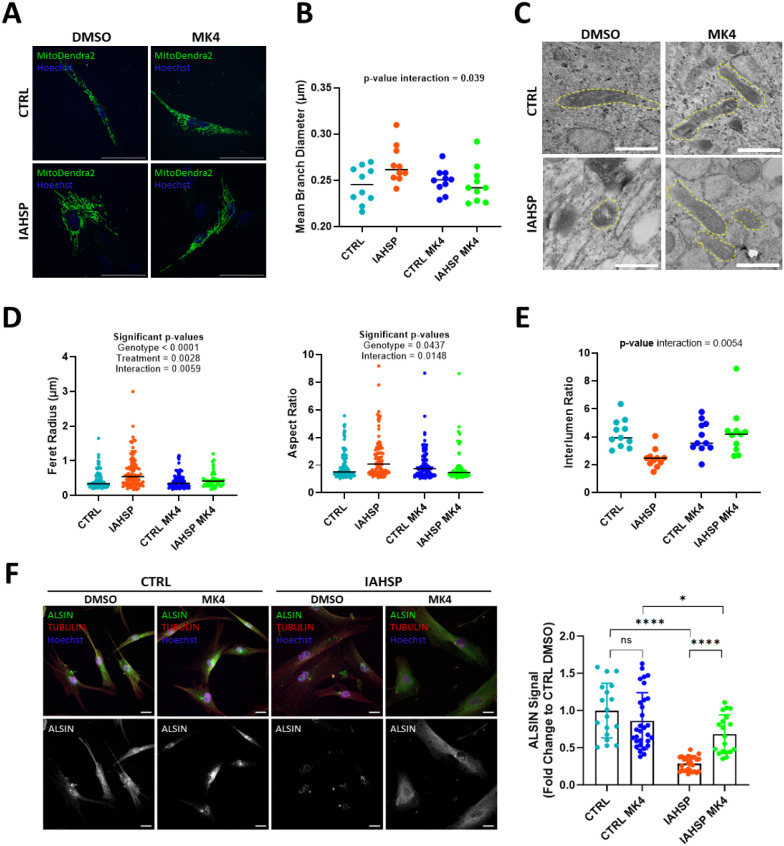 Figure 6
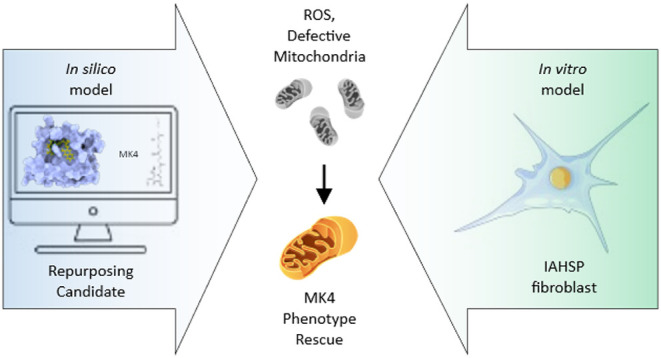 Figure 7
 Figure 8
Peer Reviews
No public reviews on file for this paper yet. If you reviewed it on a platform where reviews are public (OpenReview, ICLR, NeurIPS, ICML), you can paste yours below so the community can read it here.
Videos
No videos yet. Explain this paper in a talk, walkthrough, or lecture? Add one.
Taxonomy
TopicsHereditary Neurological Disorders · Amyotrophic Lateral Sclerosis Research · Neurogenetic and Muscular Disorders Research