Assessing the Feasibility of Bioscrubbing for Flue Gas Treatment and Sulfur Recovery: A Comparative Study Using Mathematical Modeling, Life Cycle Analysis, and Life Cycle Costing
Alessio Castagnoli, Eric Valdés, Francesco Pasciucco, Isabella Pecorini, Daniel González Alé, Giulio Munz, David Gabriel

TL;DR
This study compares chemical and biological scrubbers for treating sulfur-rich flue gas, finding that bioscrubbers can be more sustainable if using the right carbon source.
Contribution
A holistic comparison of chemical and bioscrubbing methods using mathematical modeling, LCA, and LCC for sulfur recovery.
Findings
Bioscrubbers using purified crude glycerol outperform chemical scrubbers in several environmental impact categories.
Carbon source purchase dominates bioscrubber costs, with glycerol prices and biogas valorization key to feasibility.
Sensitivity analyses highlight gas flow rate and disposal site distance as critical factors for bioscrubber viability.
Abstract
Industrial flue gas emissions are treated with technologies such as wet flue gas desulfurization (FGD) in chemical scrubbers, which are costly. Two-step biological scrubbers have emerged as an alternative for bio-FGD. However, no holistic technoeconomic and environmental comparison of both approaches is yet available. This study evaluates a conventional chemical scrubber (CS) and a bioscrubber (BS) treating sulfur-rich off-gas from a sulfur-based pigment plant. The bioscrubber integrates anaerobic sulfate reduction and partial sulfide oxidation to recover elemental sulfur and biogas. Two BS variants were analyzed, differing in carbon source for sulfate reduction: fossil-derived pure glycerin (BS-PG) and purified crude glycerol (BS-PCG). Mathematical models were integrated with life cycle assessment (LCA) and life cycle costing (LCC). Bioscrubbing enables resource recovery but strongly…
Genes, proteins, chemicals, diseases, species, mutations and cell lines named across the full text — each resolved to its canonical identifier and authoritative record.
Click any figure to enlarge with its caption.
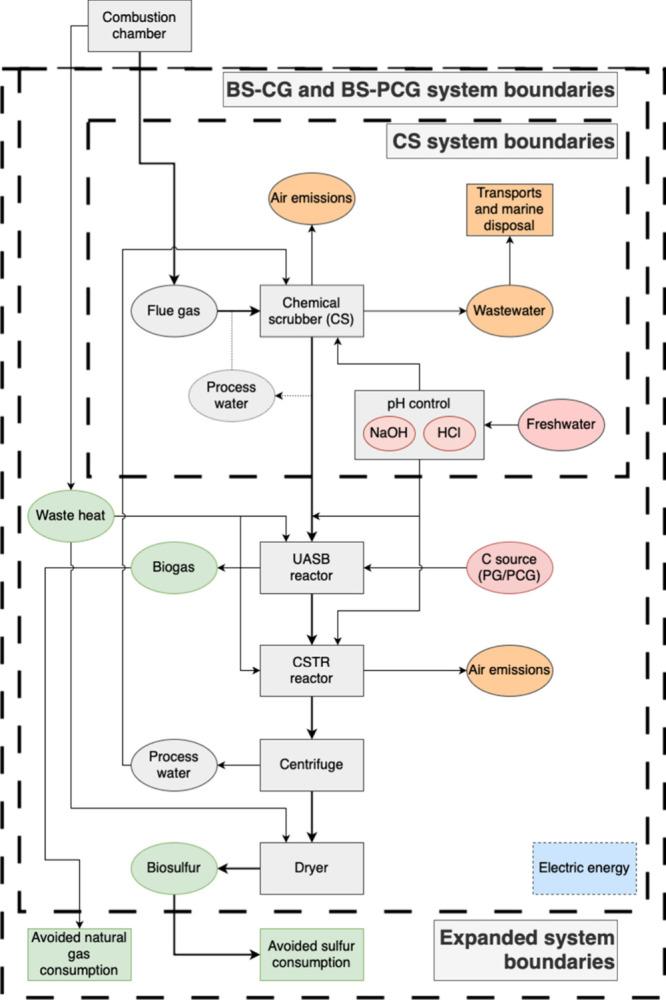 Figure 1
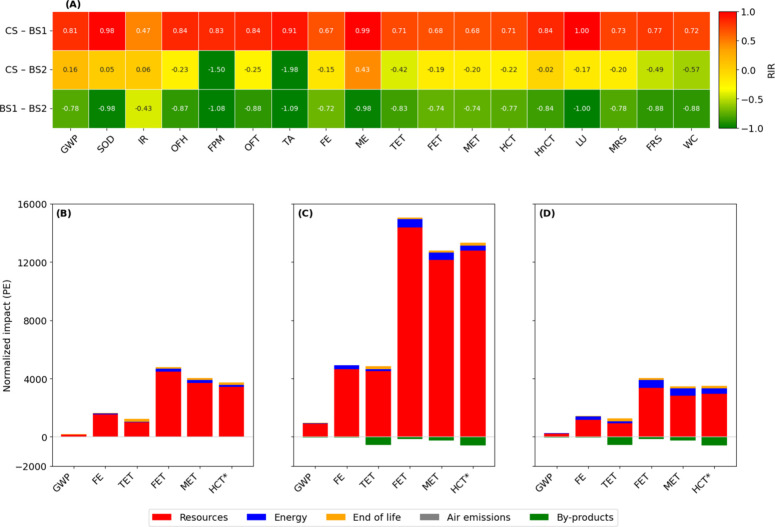 Figure 2
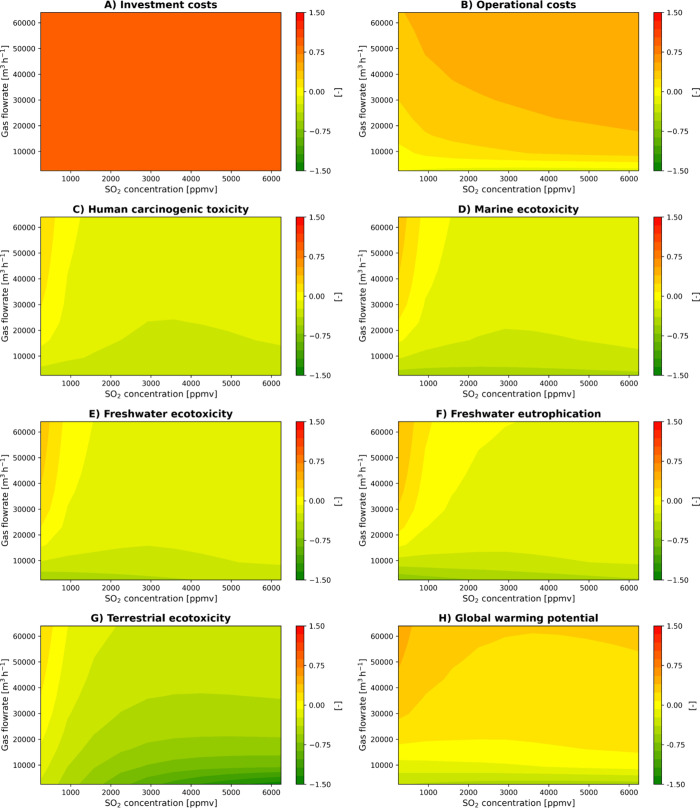 Figure 3
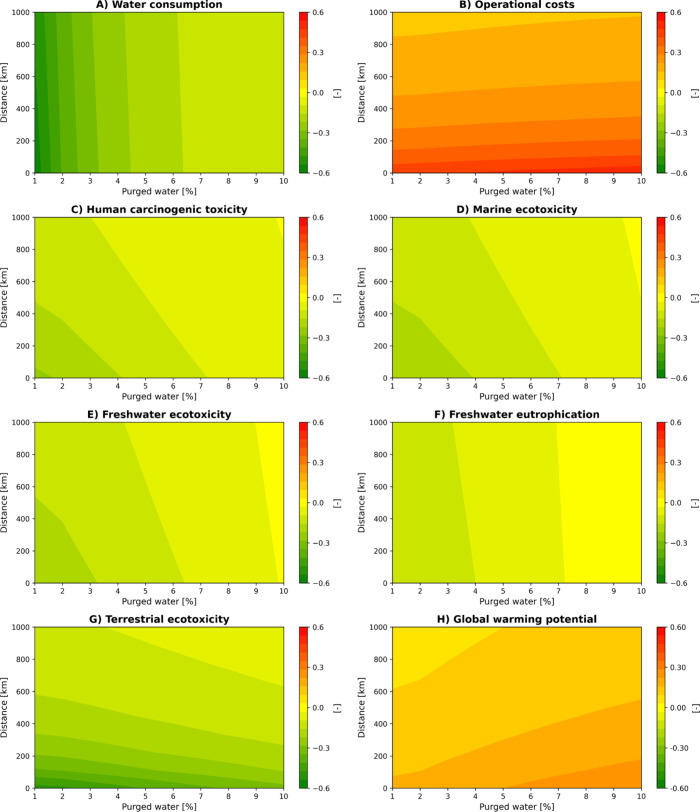 Figure 4
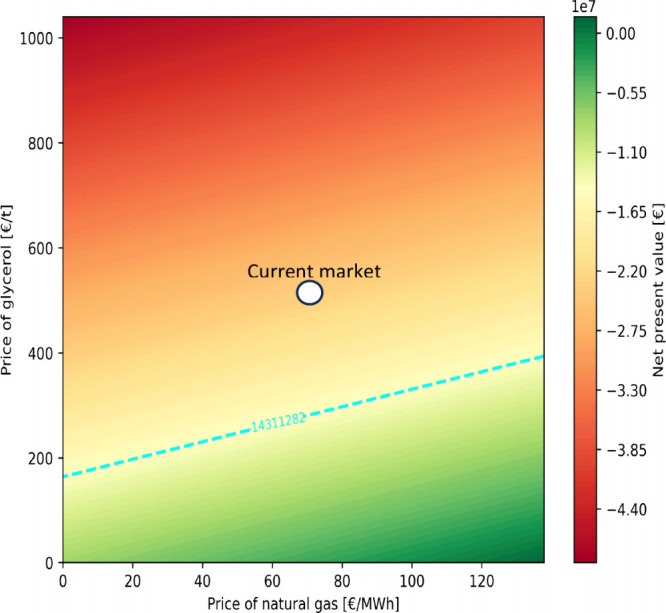 Figure 5
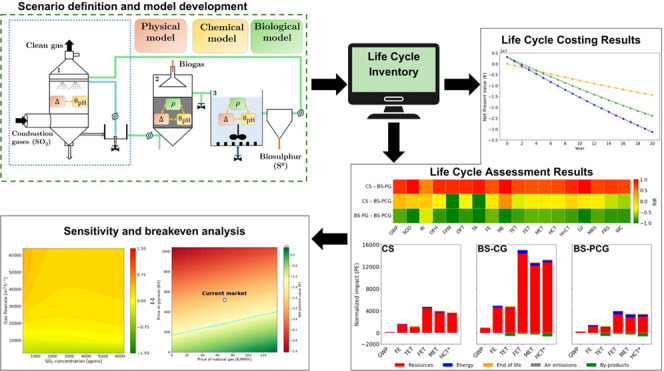 Figure 6
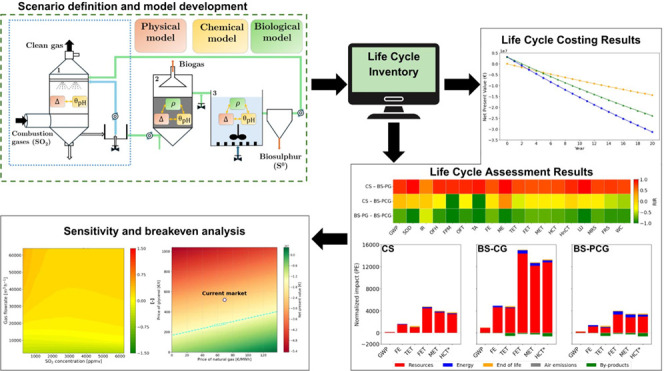 Figure 7
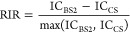 Figure 8
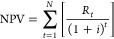 Figure 9
Peer Reviews
No public reviews on file for this paper yet. If you reviewed it on a platform where reviews are public (OpenReview, ICLR, NeurIPS, ICML), you can paste yours below so the community can read it here.
Videos
No videos yet. Explain this paper in a talk, walkthrough, or lecture? Add one.
Taxonomy
TopicsIndustrial Gas Emission Control · Odor and Emission Control Technologies · Carbon Dioxide Capture Technologies