ReverseGWAS identifies combined phenotypes associated with a genotype in GWA studies
Leonid Chindelevitch, Åsa K Hedman, Dmitri Bichko, Daniel Ziemek

TL;DR
ReverseGWAS is a new method that identifies which combinations of traits are associated with a specific genetic variant, using large-scale genetic data.
Contribution
Introduces ReverseGWAS, an algorithmic platform for identifying phenotypic combinations associated with a single genotype in multi-phenotype GWAS.
Findings
ReverseGWAS successfully identifies logical phenotype combinations with noise tolerance in simulated data.
Applied to UK Biobank data, it found 719 autoimmune disease and 205 ICD10 code associations.
Most associations (546/719 and 111/205) replicated in an independent FinnGen cohort.
Abstract
Traditional genome-wide association studies (GWAS) aim to uncover the genetic variants associated with a single phenotype of interest (typically a disease), and to elucidate its genotypic architecture. However, many of today’s GWAS simultaneously measure multiple related phenotypes, leading to the possibility of pursuing the reverse aim of elucidating the “phenotypic architecture” of a single genetic variant. In other words, we may ask what combination of measured phenotypes is associated with a given genotypic variant. ReverseGWAS is an algorithmic platform for answering such questions in the context of large-scale multi-phenotype GWAS. We demonstrate the effectiveness of ReverseGWAS on simulated data, showing its ability to identify logical combinations of phenotypes with a reasonable amount of noise. We then apply it to a selection of combined phenotypes from the UK Biobank,…
Genes, proteins, chemicals, diseases, species, mutations and cell lines named across the full text — each resolved to its canonical identifier and authoritative record.
Click any figure to enlarge with its caption.
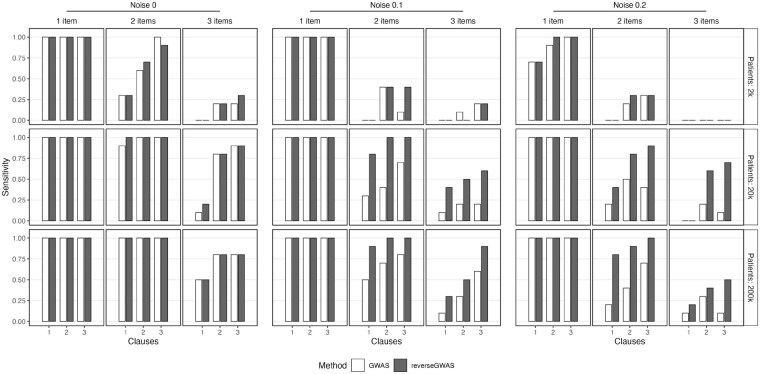 Figure 1
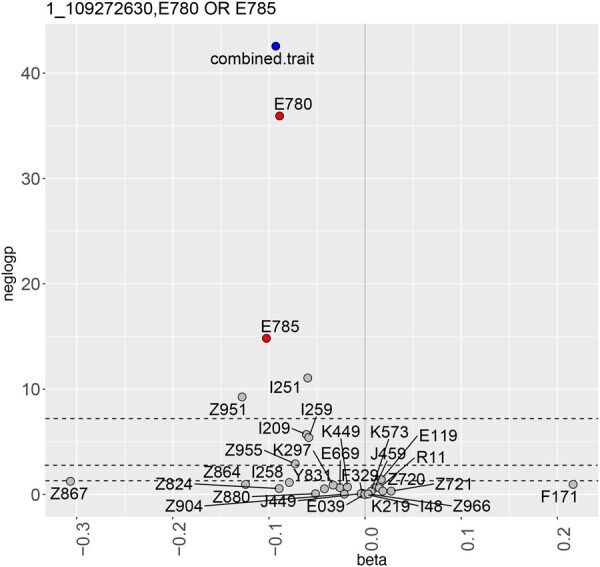 Figure 2
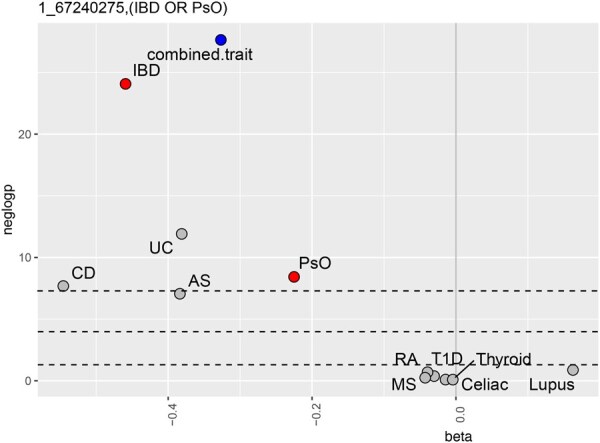 Figure 3
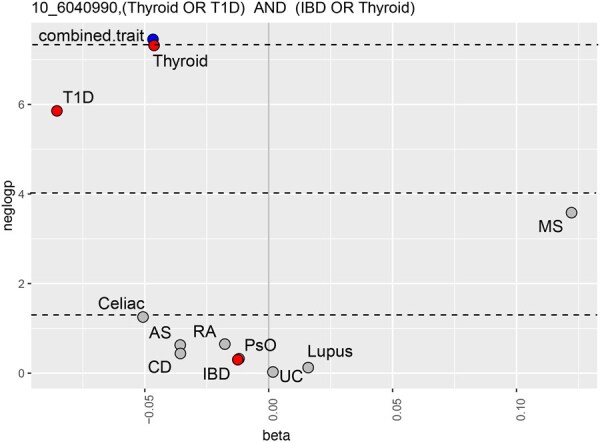 Figure 4
Peer Reviews
No public reviews on file for this paper yet. If you reviewed it on a platform where reviews are public (OpenReview, ICLR, NeurIPS, ICML), you can paste yours below so the community can read it here.
Videos
No videos yet. Explain this paper in a talk, walkthrough, or lecture? Add one.
Taxonomy
TopicsGenetic Associations and Epidemiology · Diabetes and associated disorders · Genomics and Rare Diseases