The genome sequence of the Two-tailed Pasha, Charaxes jasius (Linnaeus, 1767) (Lepidoptera: Nymphalidae)
Gerard Talavera, Roger Vila, Josep Lancho-Silva, Charlotte J. Wright, Joana I. Meier, Mark L. Blaxter, Yoshiaki Morino, James B Whitfield

TL;DR
The genome of the Two-tailed Pasha butterfly is sequenced, providing insights into its genetic structure and evolution.
Contribution
The first high-quality genome assembly of Charaxes jasius, including sex chromosomes and mitochondrial DNA.
Findings
The genome assembly includes two haplotypes with lengths of 465.23 and 401.60 megabases.
Haplotype 1 is scaffolded into 26 chromosomal pseudomolecules, including W and Z sex chromosomes.
The mitochondrial genome is assembled with a length of 15.3 kilobases.
Abstract
We present a genome assembly from a female specimen of Charaxes jasius (Two-tailed Pasha; Arthropoda; Insecta; Lepidoptera; Nymphalidae). The assembly contains two haplotypes with total lengths of 465.23 megabases and 401.60 megabases. Most of haplotype 1 (99.91%) is scaffolded into 26 chromosomal pseudomolecules, including the W and Z sex chromosomes. Haplotype 2 was assembled to scaffold level. The mitochondrial genome has also been assembled, with a length of 15.3 kilobases. This work is part of Project Psyche, a collaborative programme generating genomes for European butterflies and moths.
Genes, proteins, chemicals, diseases, species, mutations and cell lines named across the full text — each resolved to its canonical identifier and authoritative record.
Click any figure to enlarge with its caption.
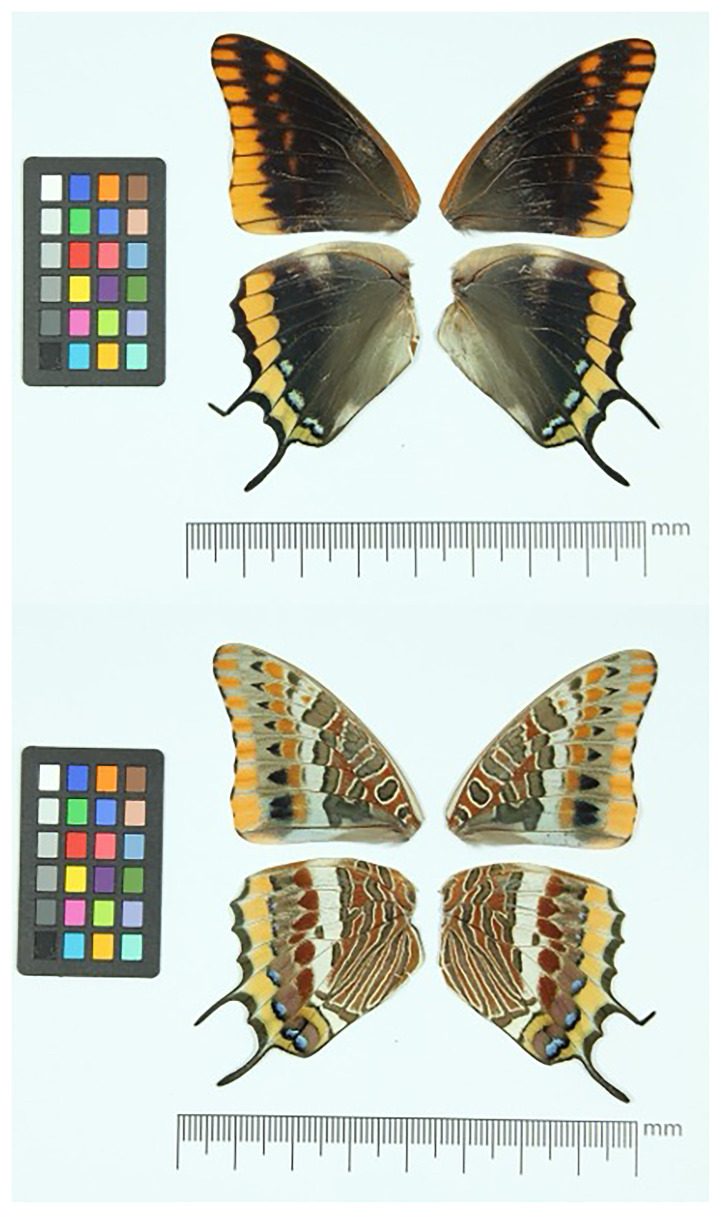 Figure 1
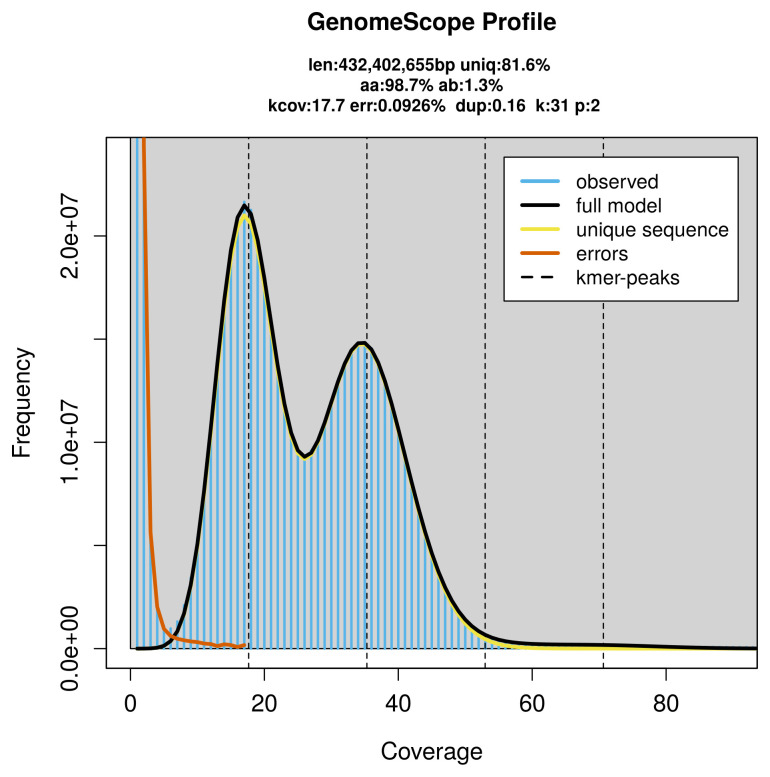 Figure 2
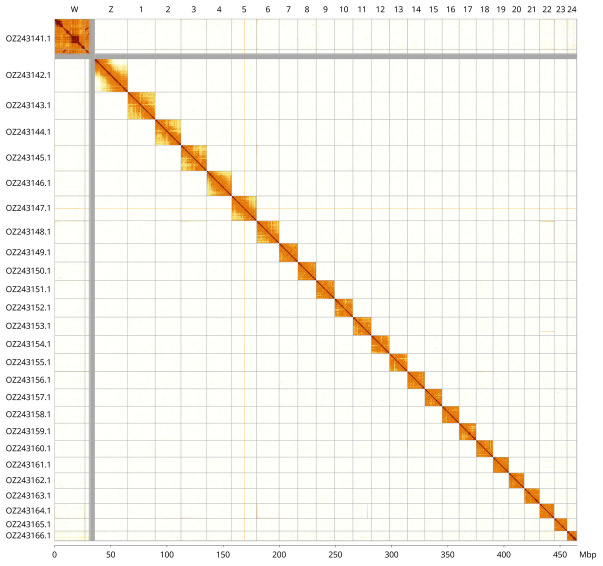 Figure 3
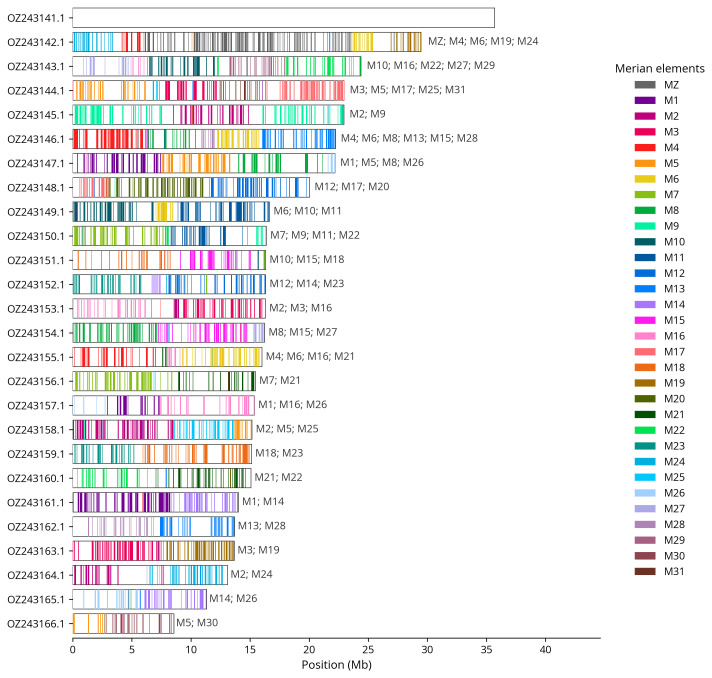 Figure 4
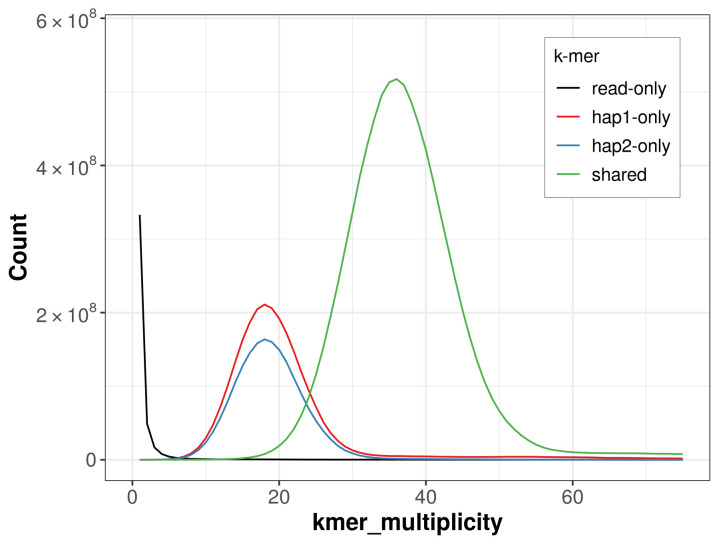 Figure 5
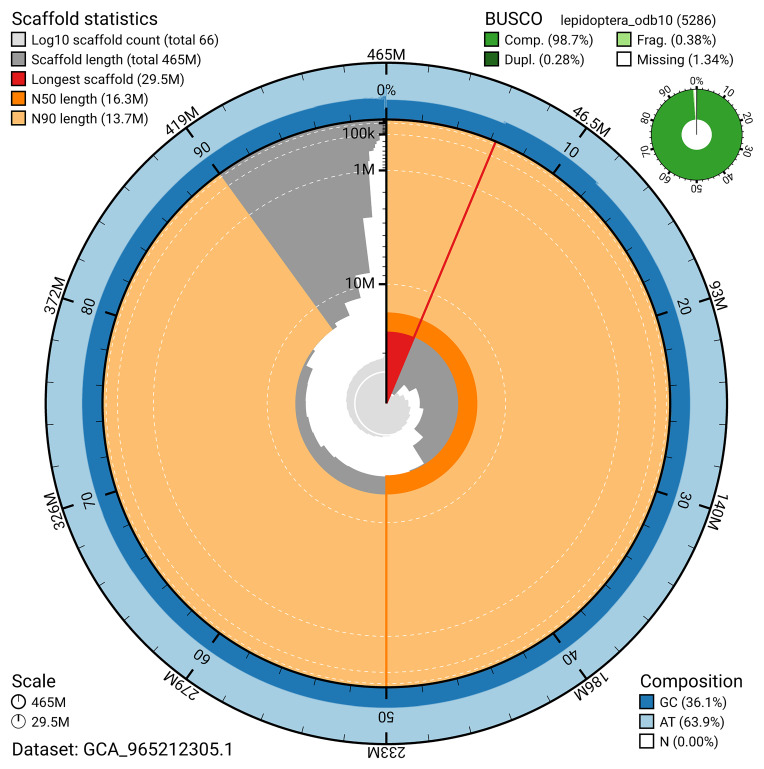 Figure 6
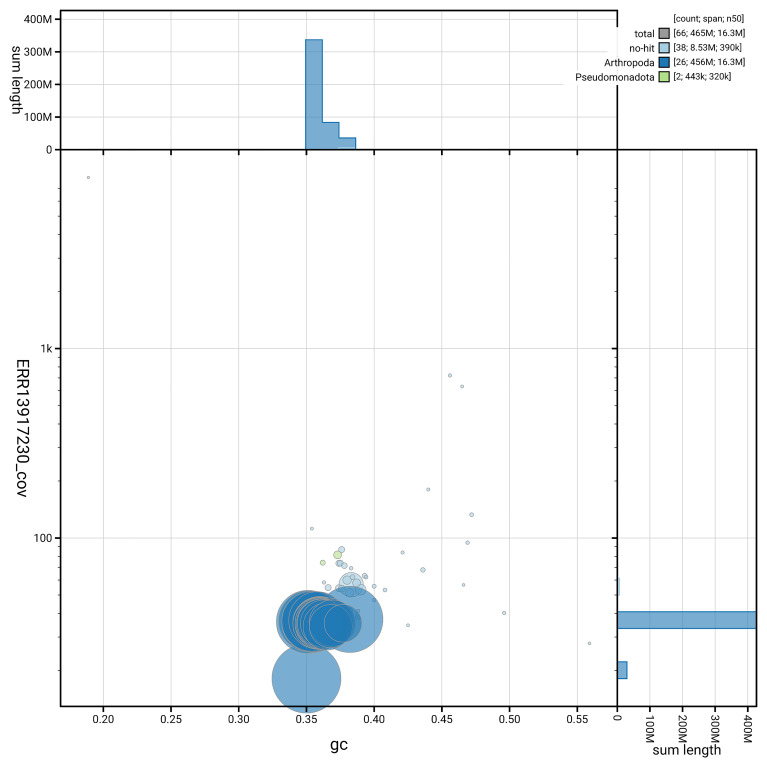 Figure 7
Peer Reviews
No public reviews on file for this paper yet. If you reviewed it on a platform where reviews are public (OpenReview, ICLR, NeurIPS, ICML), you can paste yours below so the community can read it here.
Videos
No videos yet. Explain this paper in a talk, walkthrough, or lecture? Add one.
Taxonomy
TopicsGenomics and Phylogenetic Studies · Lepidoptera: Biology and Taxonomy · Genetic diversity and population structure