Ionization cross sections for collisions between fully stripped ions and ground state hydrogen atoms using the quasi-classical trajectory Monte Carlo method
Iman Ziaeian, Károly Tőkési

TL;DR
This paper calculates ionization cross sections for collisions between ions and hydrogen atoms using a Monte Carlo method.
Contribution
The study introduces a QCTMC model that provides more accurate ionization cross sections at lower energies.
Findings
QCTMC model gives higher ionization cross sections than CTMC at lower energies.
QCTMC results align well with quantum-mechanical and experimental data.
Results cover projectile impacts from H+ to O8+ at energies 10–1000 keV/amu.
Abstract
We present ionization cross sections for collisions between fully stripped ions and ground state hydrogen atoms. In these calculations, we employ the standard three-body classical trajectory Monte Carlo (CTMC) and quasi-classical trajectory Monte Carlo (QCTMC) models, focusing on projectile energies ranging from 10 to 1000 keV/amu. The cross sections are analyzed for projectile impacts of H+, He2+, Li3+, Be4+, B5+, C6+, N7+, and O8+. We found that our QCTMC model yields higher ionization cross sections compared to the CTMC results, particularly at lower impact energies. Additionally, our QCTMC results are in good agreement with both quantum–mechanical findings and experimental data.
Genes, proteins, chemicals, diseases, species, mutations and cell lines named across the full text — each resolved to its canonical identifier and authoritative record.
Click any figure to enlarge with its caption.
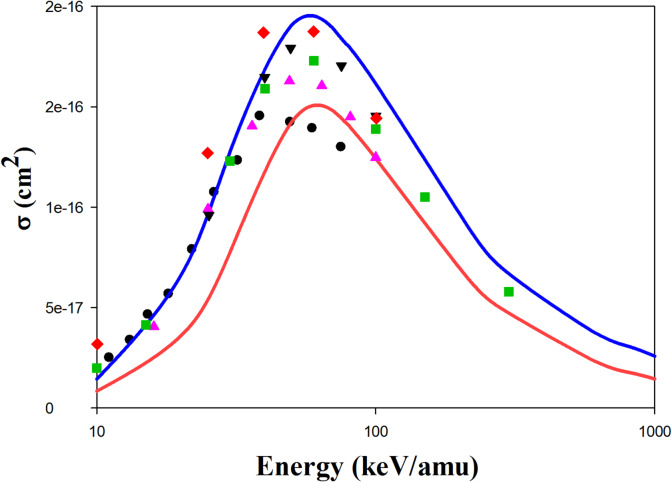 Figure 1
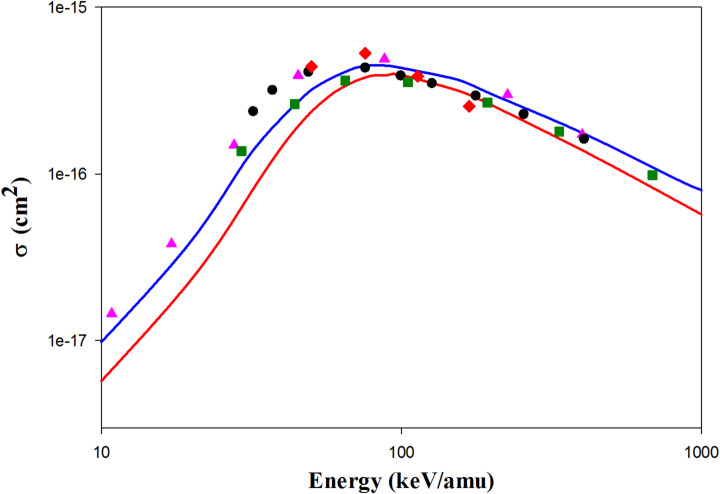 Figure 2
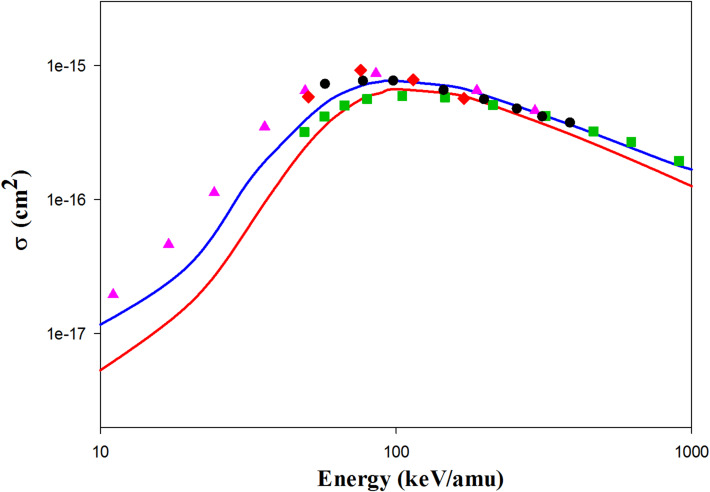 Figure 3
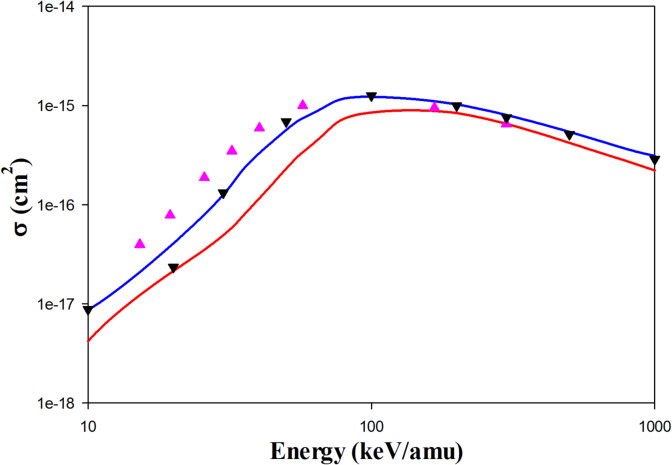 Figure 4
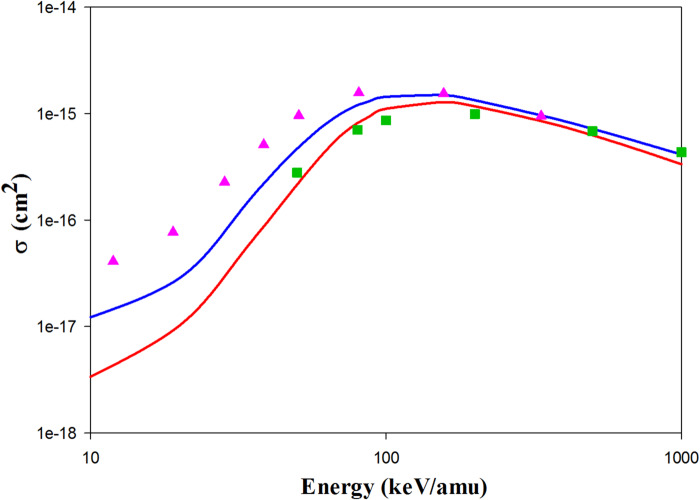 Figure 5
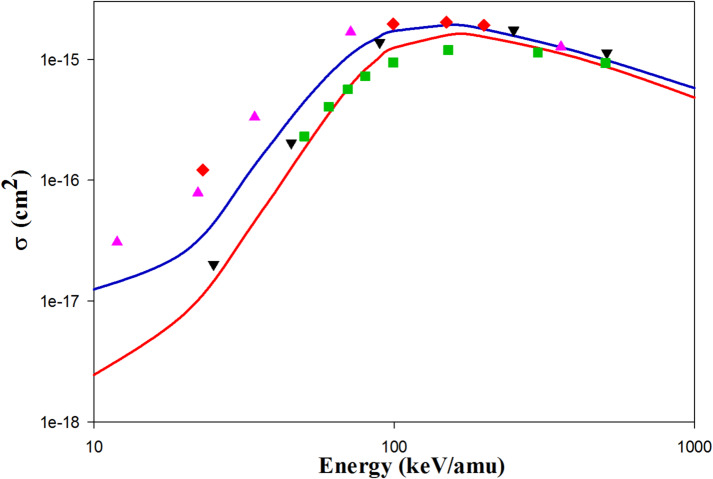 Figure 6
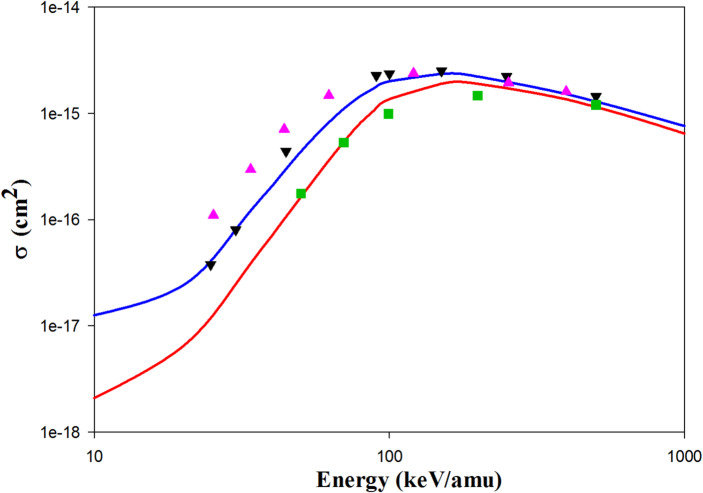 Figure 7
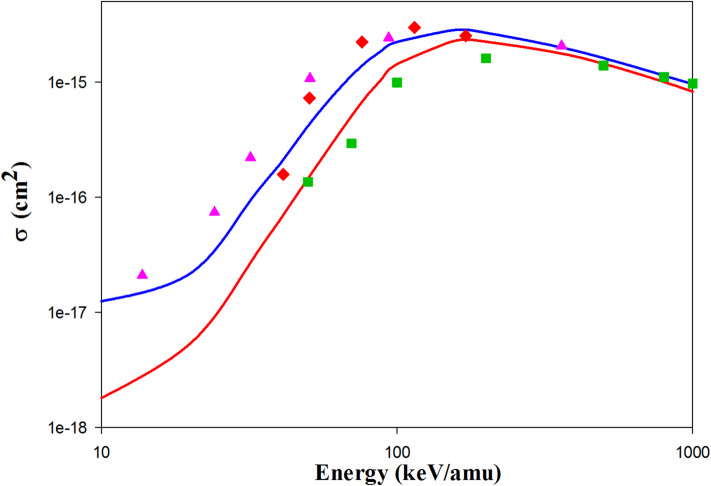 Figure 8
Peer Reviews
No public reviews on file for this paper yet. If you reviewed it on a platform where reviews are public (OpenReview, ICLR, NeurIPS, ICML), you can paste yours below so the community can read it here.
Videos
No videos yet. Explain this paper in a talk, walkthrough, or lecture? Add one.
Taxonomy
TopicsAtomic and Molecular Physics · Nuclear physics research studies · Laser-Plasma Interactions and Diagnostics