Persistent representation of a prior schema in the orbitofrontal cortex facilitates learning of a conflicting schema
Ido Maor, James Atwell, Ilana Ascher, Yuan Zhao, Yuji K. Takahashi, Evan Hart, Francisco Pereira, Geoffrey Schoenbaum

TL;DR
The orbitofrontal cortex helps the brain learn new rules by keeping track of old ones, which surprisingly speeds up learning when rules conflict.
Contribution
The study reveals that persistent representation of prior schemas in the OFC facilitates learning of conflicting schemas.
Findings
OFC neurons adapt to track underlying rules during learning.
Persistent prior schema representation predicts faster acquisition of new conflicting rules.
Disrupting OFC activity during initial learning impairs later learning of a new schema.
Abstract
Schemas allow efficient behavior in new situations, but reliance on them can impair flexibility when new demands conflict. Evidence implicates the orbitofrontal cortex (OFC) in deploying schemas in new situations. But how does this role affect learning of a conflicting schema? Here we addressed this question by recording or transiently inactivating OFC neurons in rats learning odor problems with identical external information but orthogonal rules governing reward. OFC representations adapted to track the underlying rules, and both performance and encoding were faster on subsequent than initial problems. Surprisingly, when the rule changed, persistent representation of the prior schema predicted faster acquisition of the new, and disrupting OFC activity during initial schema learning, later impaired acquisition of the second schema. Thus, rather than interfering with new learning, OFC…
Genes, proteins, chemicals, diseases, species, mutations and cell lines named across the full text — each resolved to its canonical identifier and authoritative record.
Click any figure to enlarge with its caption.
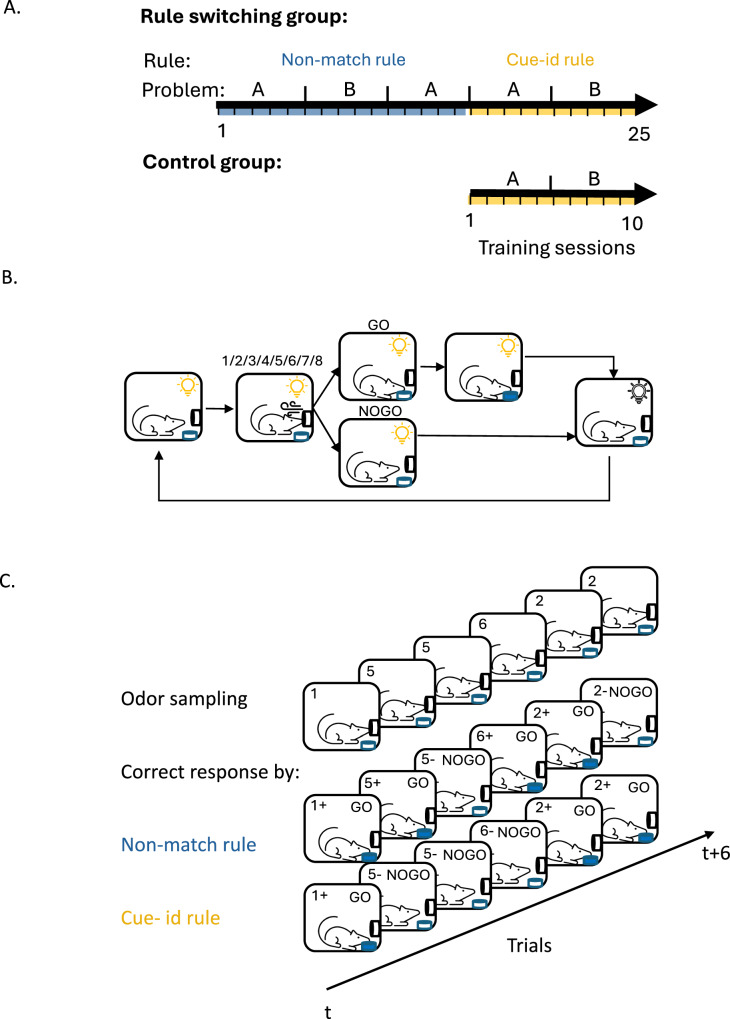 Figure 1
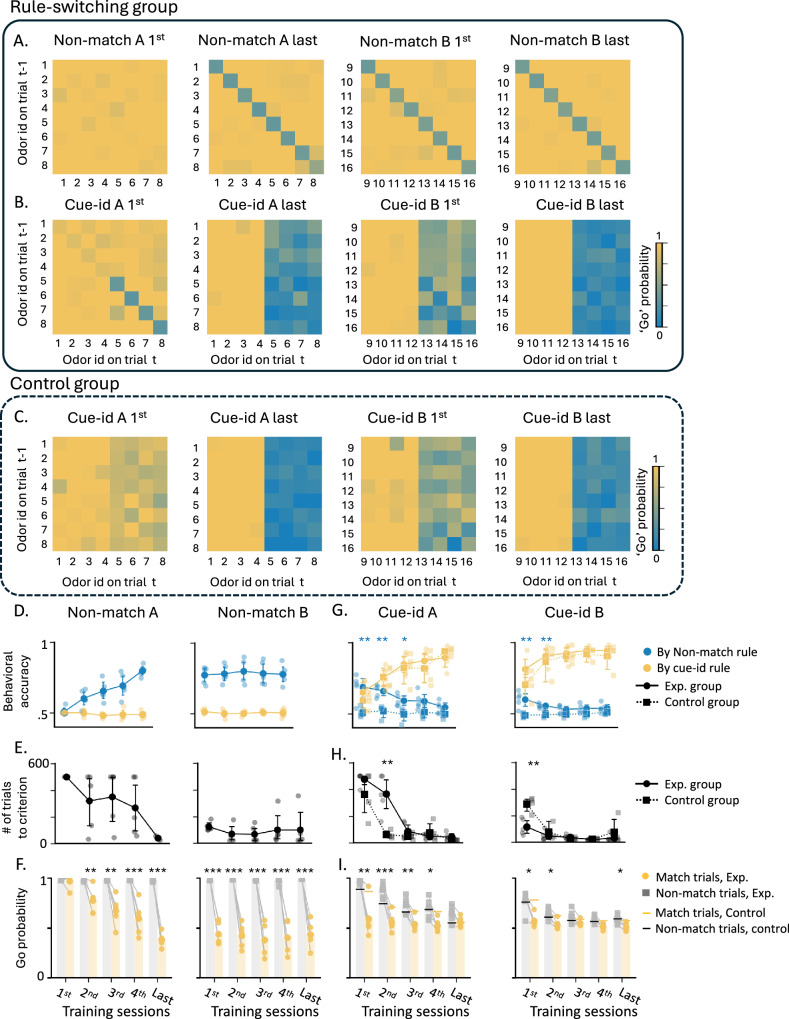 Figure 2
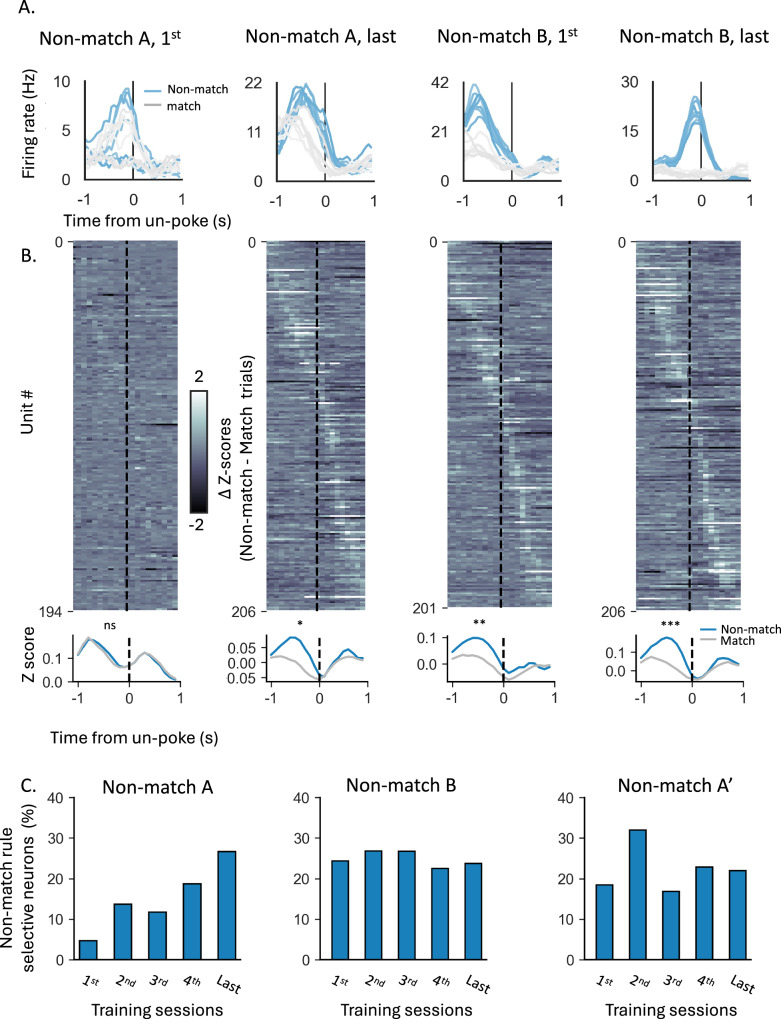 Figure 3
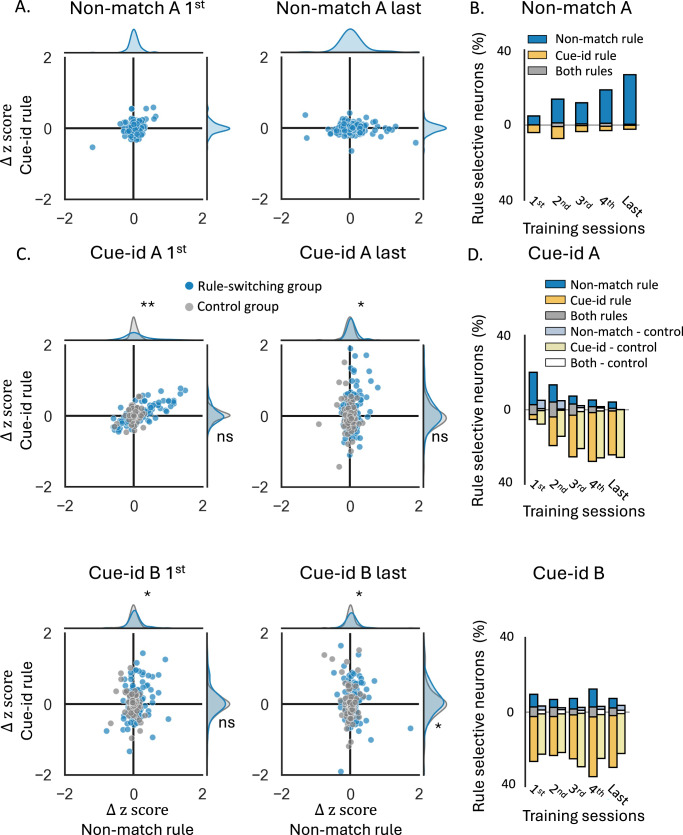 Figure 4
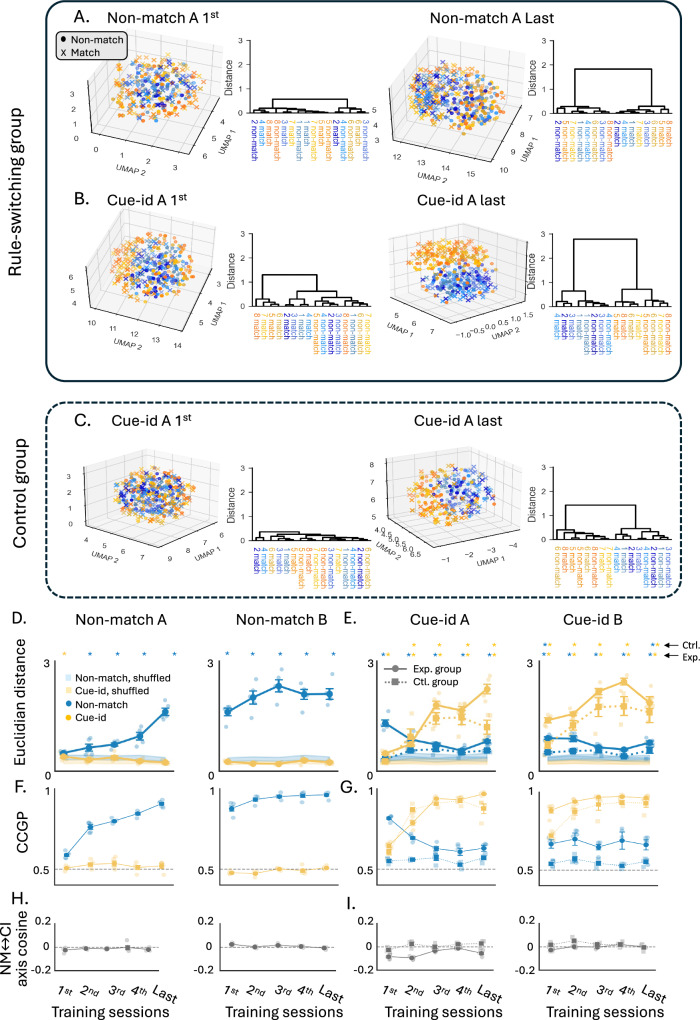 Figure 5
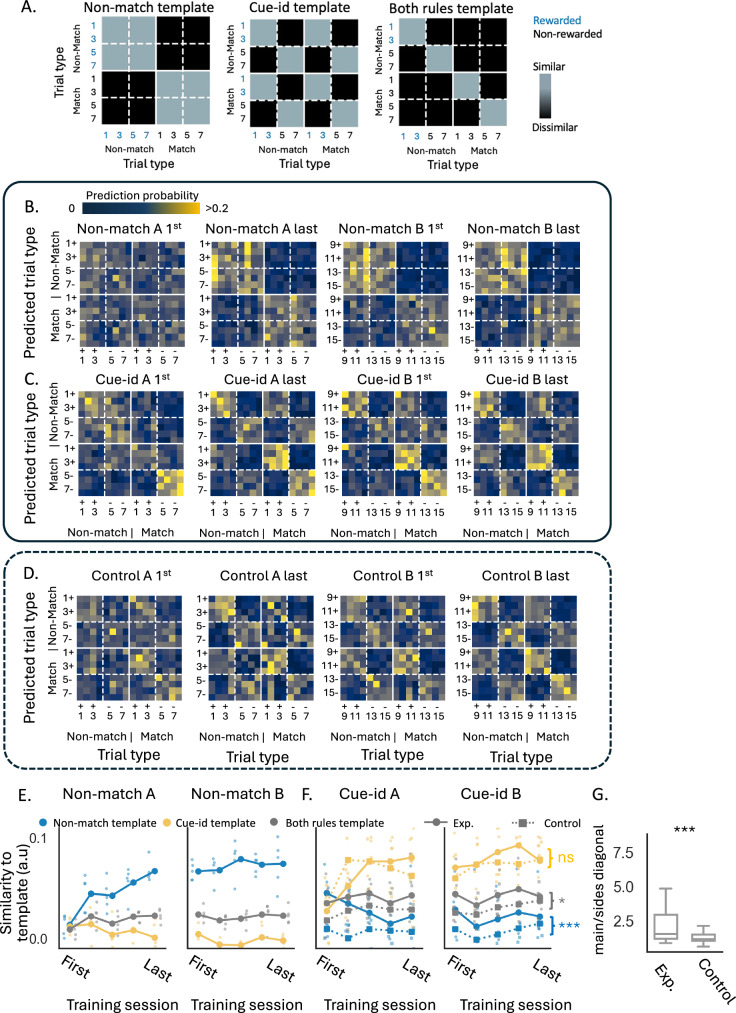 Figure 6
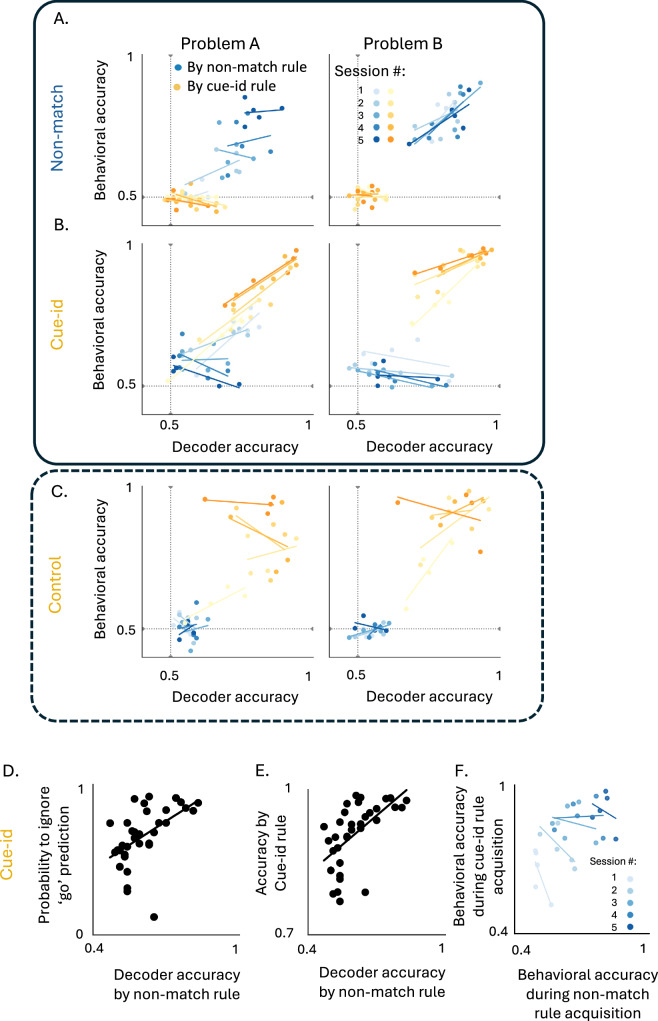 Figure 7
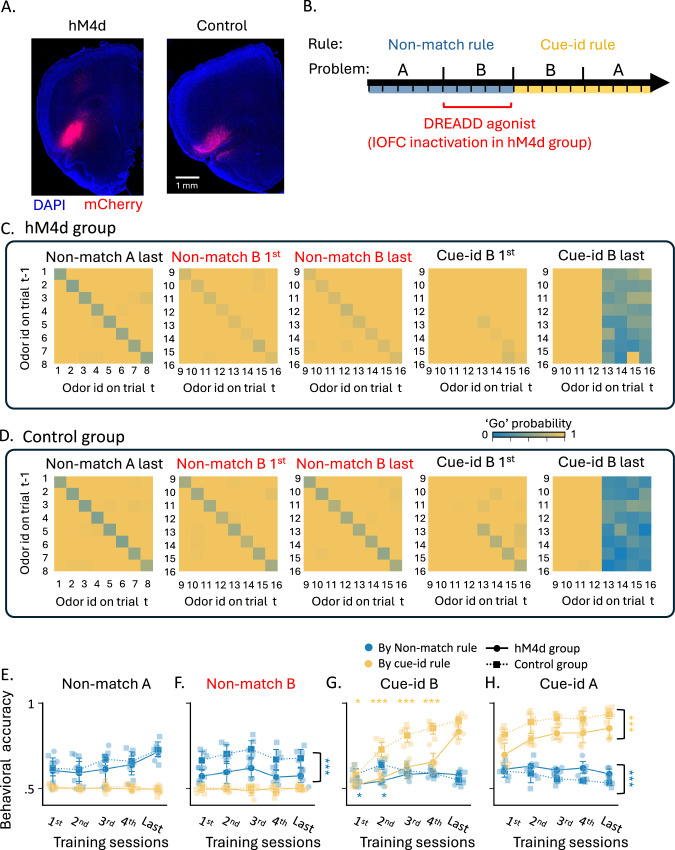 Figure 8
Peer Reviews
No public reviews on file for this paper yet. If you reviewed it on a platform where reviews are public (OpenReview, ICLR, NeurIPS, ICML), you can paste yours below so the community can read it here.
Videos
No videos yet. Explain this paper in a talk, walkthrough, or lecture? Add one.
Taxonomy
TopicsMemory and Neural Mechanisms · Neural and Behavioral Psychology Studies · Child and Animal Learning Development