Review of electroencephalography and electromyography research in robotics: opportunities and challenges
Zefeng Wang, Meiyan Xu, Junfeng Yao, Yue Yu, Bingbing Hu, Yufei Wang, Yu Wang, Xiaopeng Zhang

TL;DR
This paper reviews how EEG and EMG are used in robotics to improve human-machine interfaces and explores the challenges and opportunities in this field.
Contribution
The paper provides a comprehensive review of EEG and EMG integration in robotics, highlighting both current methods and future directions.
Findings
EEG and EMG can function independently or together to control robotic systems.
Real-time integration of these signals with robotics presents significant challenges.
Innovative solutions are being developed to improve seamless human-machine interaction.
Abstract
In the evolving nexus of neuroscience and robotics, the symbiotic fusion of electroencephalography (EEG) and electromyography (EMG) is emerging as a paradigm-shifting avenue for enhancing human-machine interfaces. While EEG, which captures the subtle electrical nuances of the brain, offers a potent channel for nuanced brain-machine communication, EMG serves as a bridge, converting neuromuscular intentions into actionable directives for robotic apparatuses. This review highlights the current methodologies in which EEG and EMG not only function in silos but also converge harmoniously to dictate robotic control. By delving deeper into this, the intricate synergy between cognitive processes, muscular responses, and machine actions can be unraveled. Subsequently, the discourse also navigates through the myriad challenges encountered in realizing real-time, seamless integration of these…
Genes, proteins, chemicals, diseases, species, mutations and cell lines named across the full text — each resolved to its canonical identifier and authoritative record.
Click any figure to enlarge with its caption.
 Figure 10
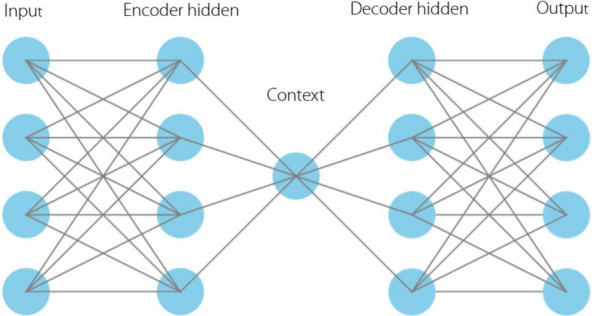 Figure 11
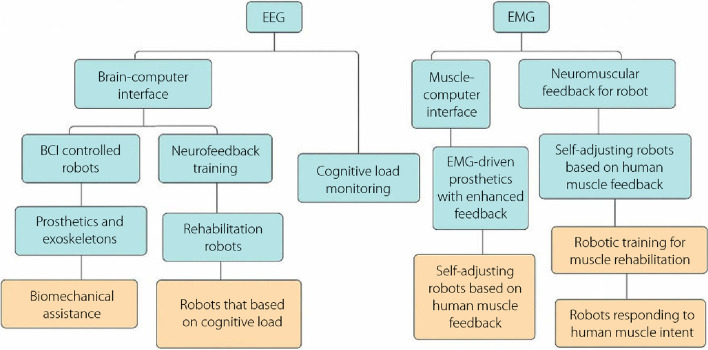 Figure 12
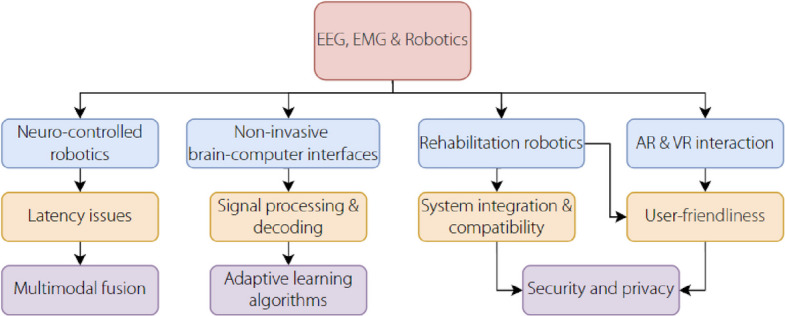 Figure 13
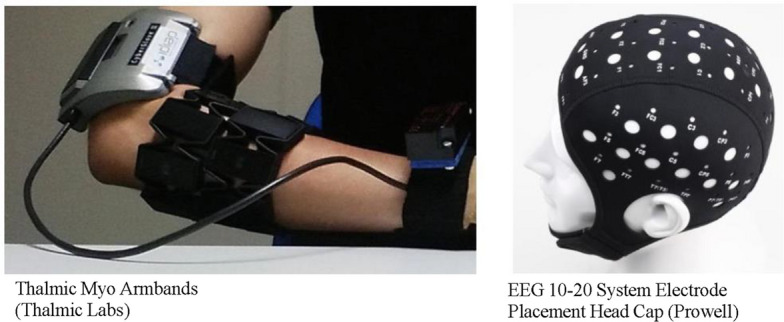 Figure 1
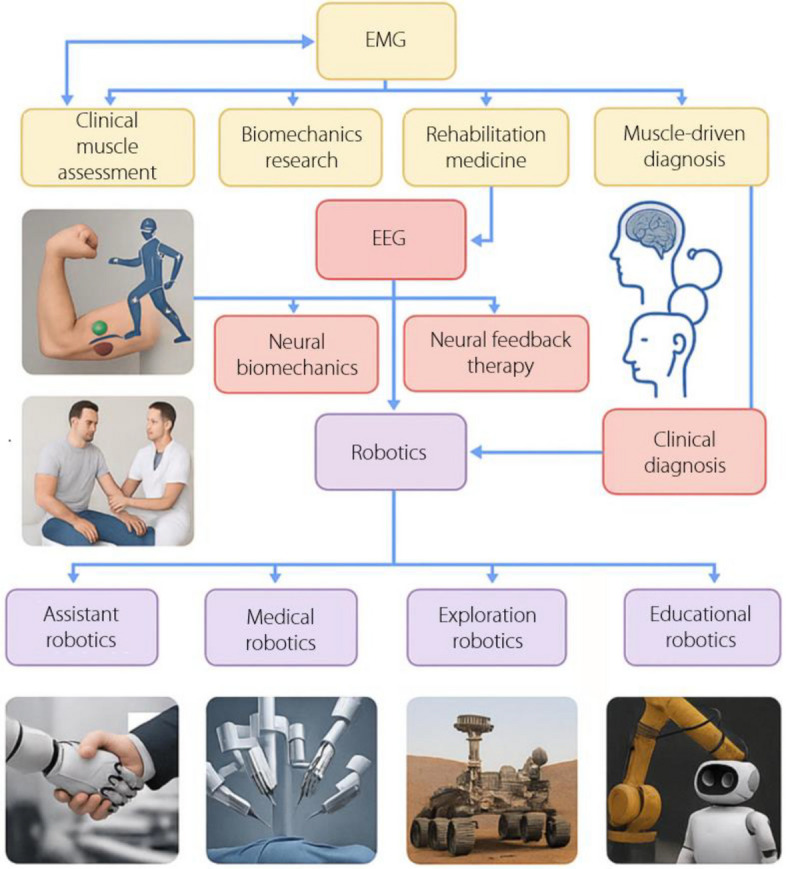 Figure 2
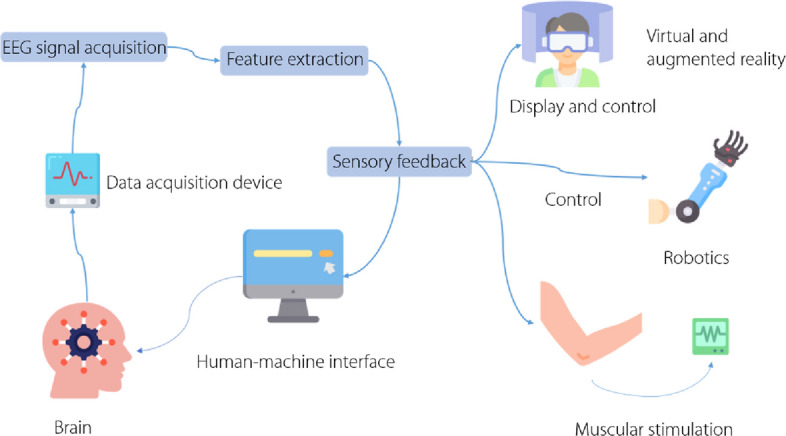 Figure 3
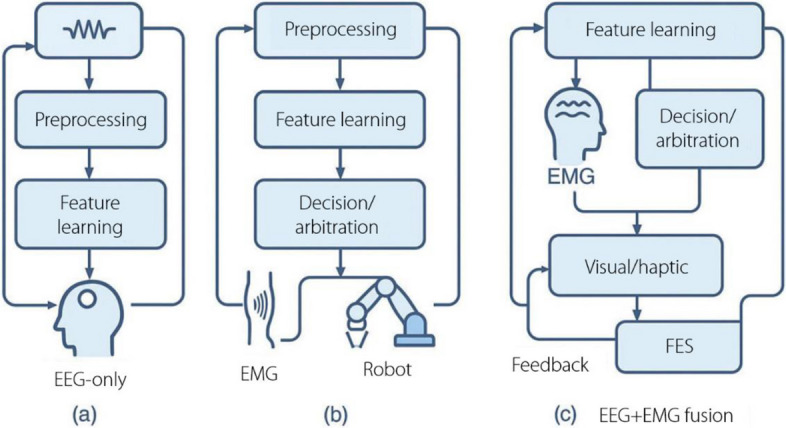 Figure 4
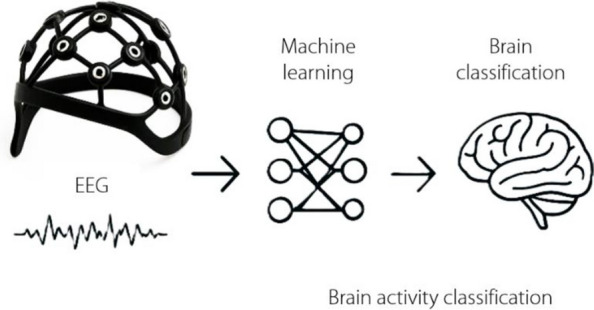 Figure 5
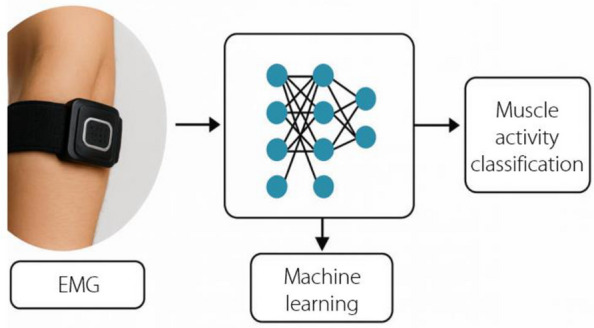 Figure 6
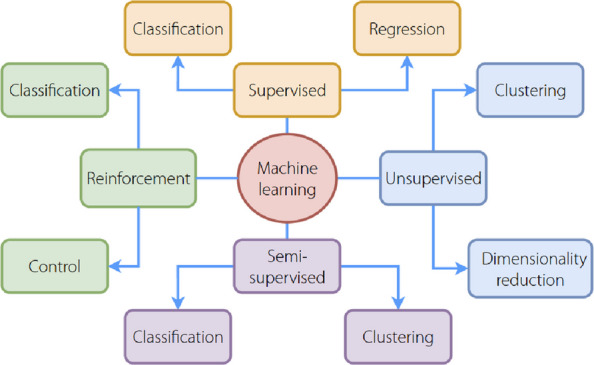 Figure 7
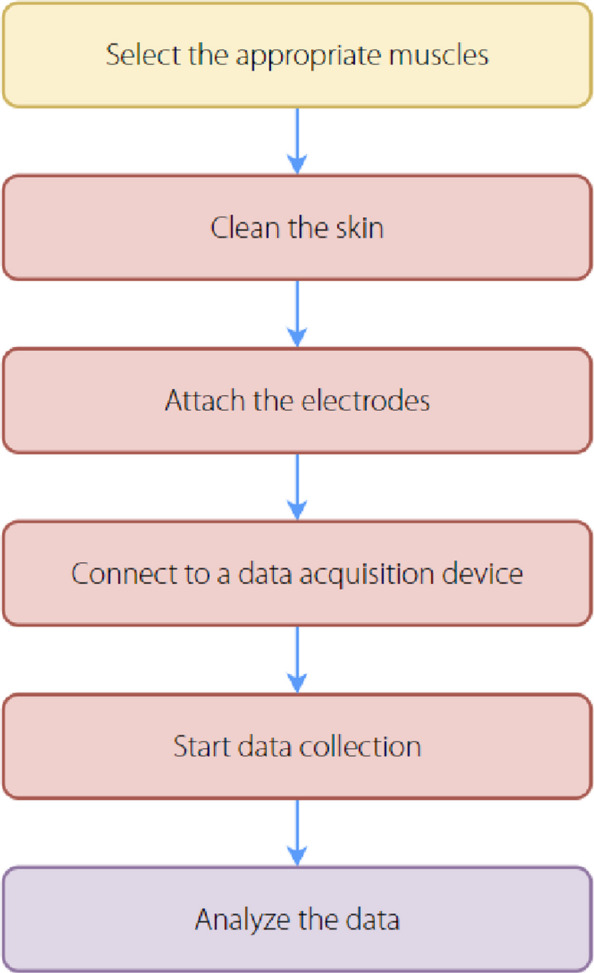 Figure 8
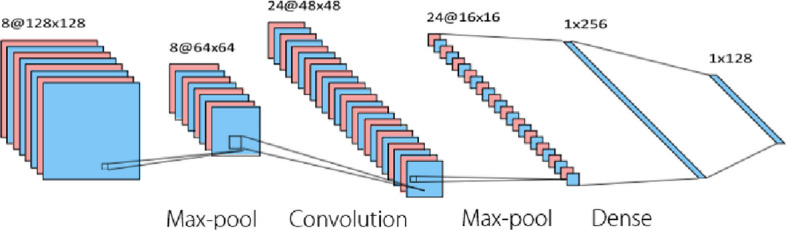 Figure 9
Peer Reviews
No public reviews on file for this paper yet. If you reviewed it on a platform where reviews are public (OpenReview, ICLR, NeurIPS, ICML), you can paste yours below so the community can read it here.
Videos
No videos yet. Explain this paper in a talk, walkthrough, or lecture? Add one.
Taxonomy
TopicsEEG and Brain-Computer Interfaces · Gaze Tracking and Assistive Technology · Muscle activation and electromyography studies