Sex-Dependent Dynamics of Behavioural and Neuropathological Changes in an A53T Alpha-Synuclein Mouse Model of Parkinson’s Disease
Maider Zubelzu, Raphaelle Bidgood, Ane Murueta-Goyena, José Ángel Ruiz-Ortega, José Vicente Lafuente, Teresa Morera-Herreras

TL;DR
This study shows that male mice are more vulnerable to early motor and brain changes caused by a Parkinson’s-related protein, highlighting the importance of sex in understanding the disease.
Contribution
The study reveals sex-dependent differences in early neuropathological and behavioral changes in a Parkinson’s disease mouse model.
Findings
Male mice showed early subtle motor deficits and increased immobility compared to females.
Males exhibited faster progression of striatal axonopathy, while both sexes showed increased astrogliosis.
Neuronal loss in the substantia nigra compacta was not observed early, suggesting axonal degeneration precedes it.
Abstract
Parkinson’s disease (PD) is characterised by progressive dopaminergic neurodegeneration, alpha-synuclein (α-syn) aggregation, and neuroinflammation. Clinical and experimental studies suggest that sex influences disease onset, progression, and treatment response, yet its impact on α-syn-mediated pathology remains incompletely understood. In this study, we investigated sex-dependent progression of behavioural and neuropathological alterations in a mouse model overexpressing A53T α-syn. Male and female C57BL/6J mice received bilateral intranigral injections of adeno-associated viral vectors encoding mutant A53T α-syn or empty vectors. Motor performance was assessed at 60 and 120 days post-surgery using open field, wire hang, pole, and balance beam tasks complemented by automated behavioural analysis (DeepLabCut, SimBA). Brains were processed for immunohistochemical evaluation of α-syn…
Genes, proteins, chemicals, diseases, species, mutations and cell lines named across the full text — each resolved to its canonical identifier and authoritative record.
Click any figure to enlarge with its caption.
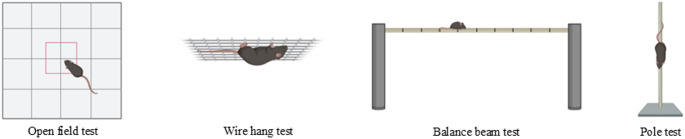 Figure 1
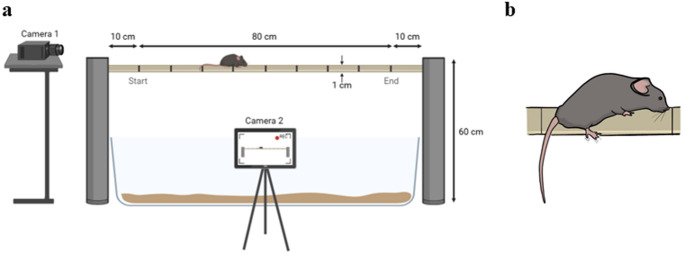 Figure 2
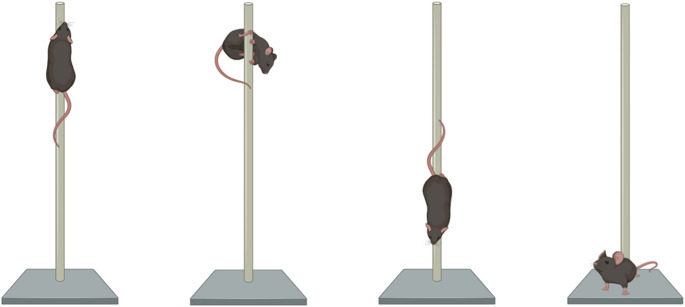 Figure 3
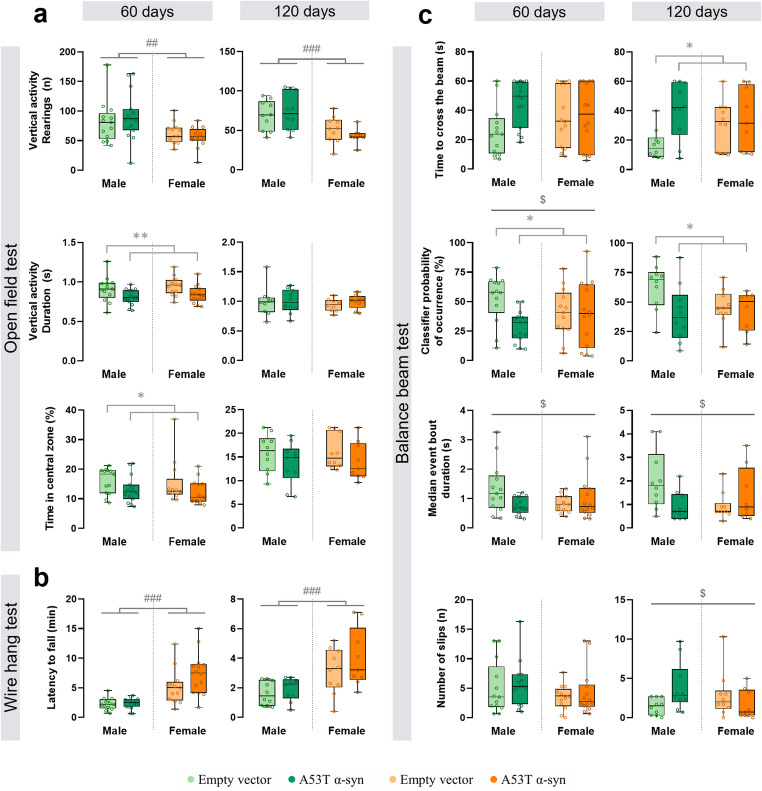 Figure 4
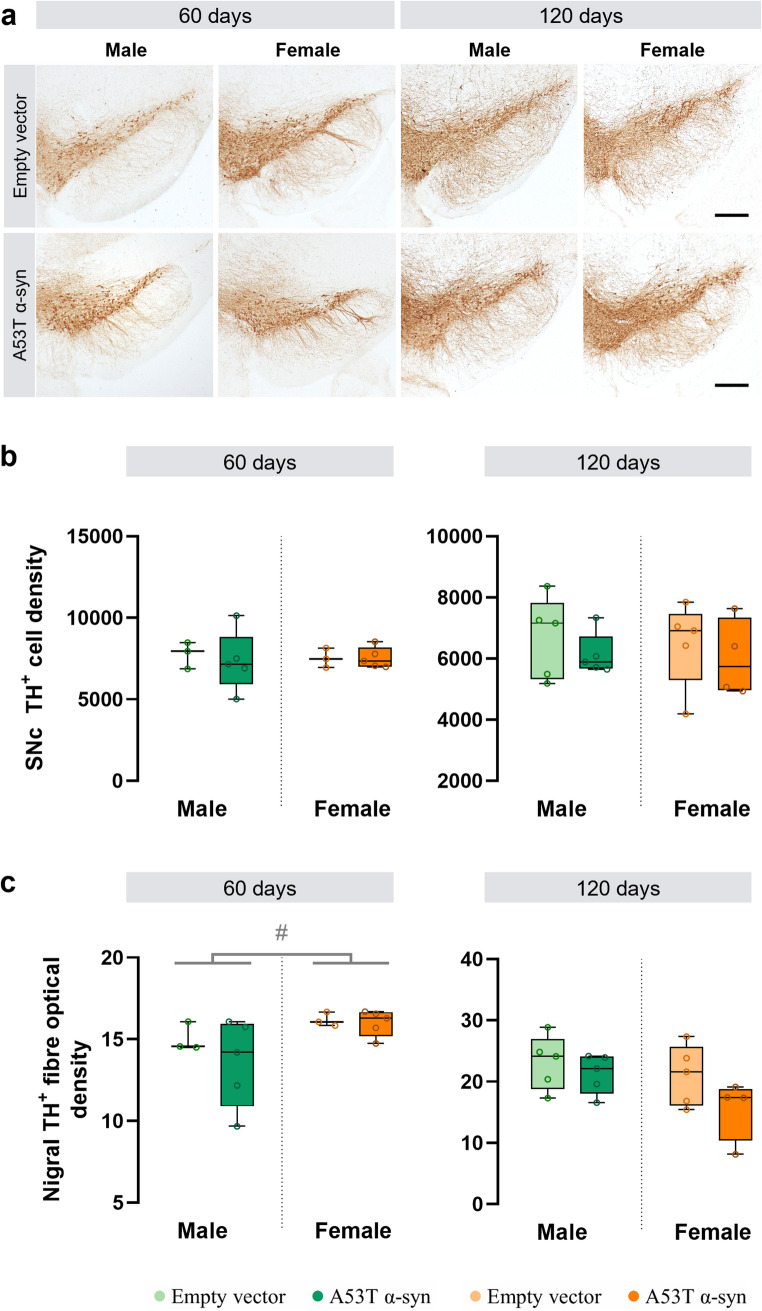 Figure 5
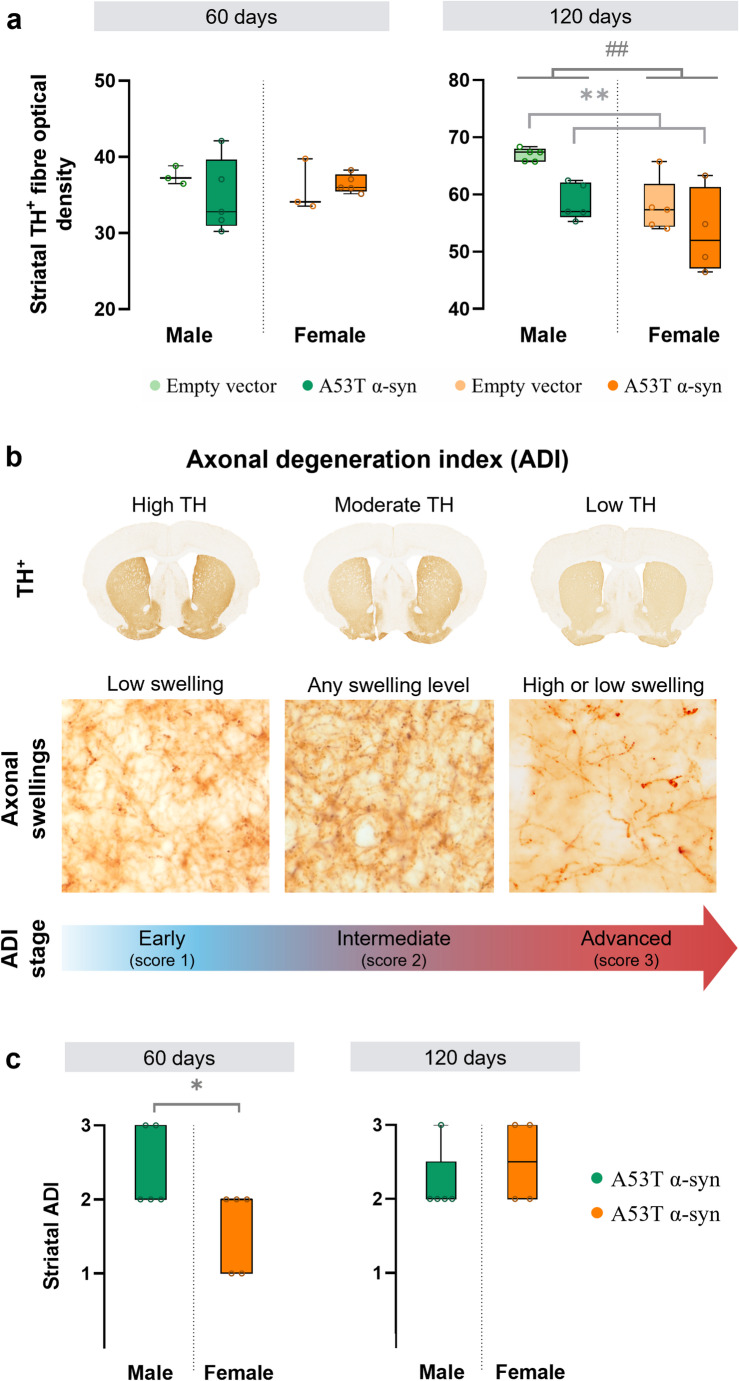 Figure 6
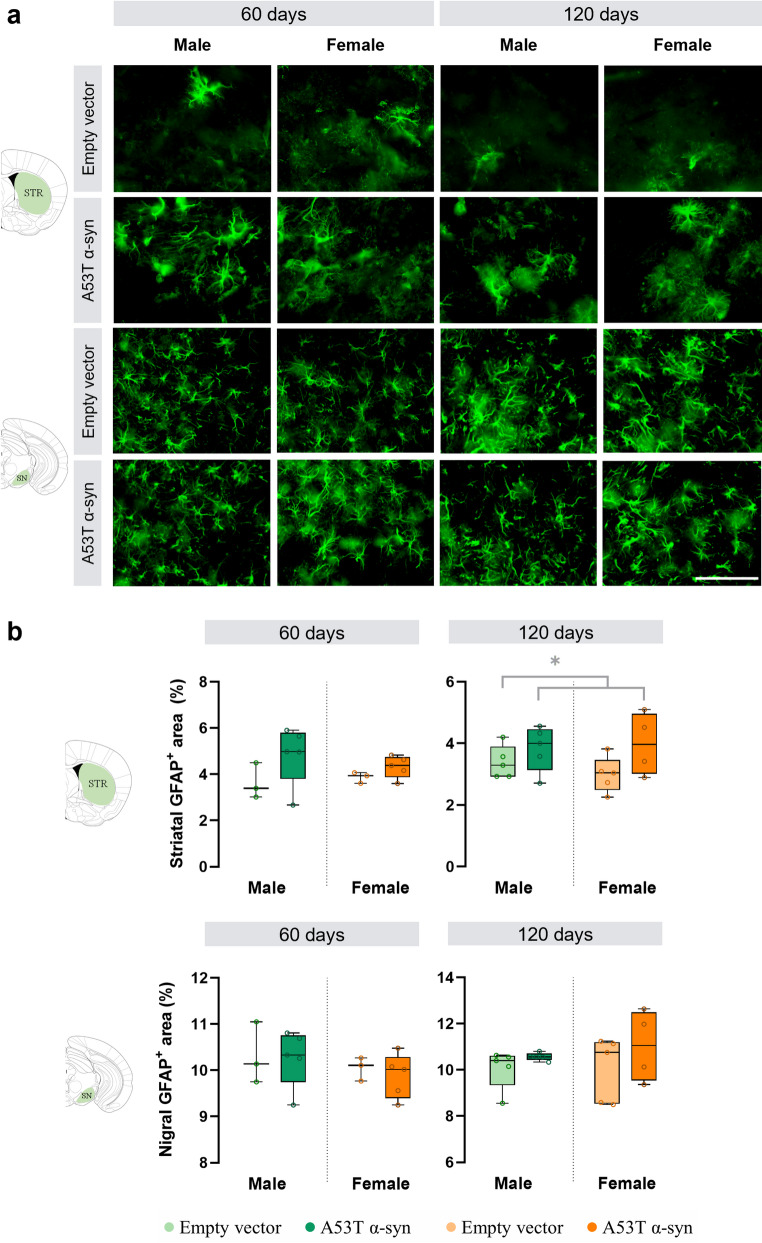 Figure 7
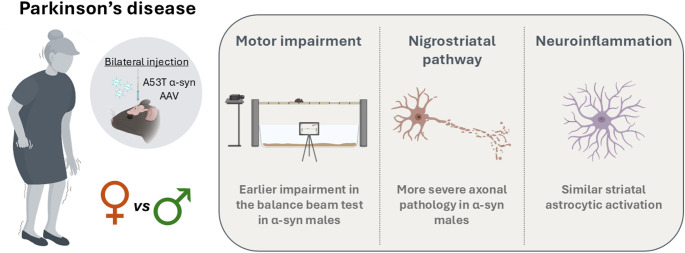 Figure 8
Peer Reviews
No public reviews on file for this paper yet. If you reviewed it on a platform where reviews are public (OpenReview, ICLR, NeurIPS, ICML), you can paste yours below so the community can read it here.
Videos
No videos yet. Explain this paper in a talk, walkthrough, or lecture? Add one.
Taxonomy
TopicsParkinson's Disease Mechanisms and Treatments · Neurological disorders and treatments · Transcranial Magnetic Stimulation Studies