Bonding strength and fatigue survival of conventional, additive and subtractive complete dentures
Jörg Lüchtenborg, Andreas Keßler, Florian Schneider, Gregor Kleinvogel, Anna-Lena Hillebrecht, Kirstin Vach, Benedikt C. Spies

TL;DR
This study compared the durability of dentures made using conventional, additive, and subtractive methods after simulated oral aging.
Contribution
The study introduces a comparative analysis of bonding strength and fatigue survival across different denture fabrication techniques.
Findings
Conventional dentures showed the highest fracture load and 100% survival after aging.
Additive methods had significant strength reduction and lower survival rates post-aging.
Subtractive methods exhibited the lowest survival and adhesive failures at the tooth-base interface.
Abstract
This study evaluated the bonding strength, fatigue survival, and fracture modes of dentures fabricated through conventional, additive (SLA/DLP), and subtractive CAD/CAM workflows to test their clinical durability after simulated oral ageing. Eight denture base-tooth combinations (n = 8 per group) were produced using either heat-polymerised PMMA, additively manufactured resins (Formlabs Denture Base LP or Voco V-Print Dentbase) or subtractively milled PMMA (Voco CediTec DB). Prefabricated (VITA Vionic) or CAD/CAM-fabricated denture teeth were then bonded. Surface roughness was quantified using laser scanning microscopy and the degree of conversion using Raman spectroscopy. The specimens underwent hydrothermal ageing with dynamic loading (1.2 million cycles at 5 °C/55 °C) followed by quasi-static shear fracture testing and fracture mode analysis. The conventional fabricated cast-on…
Genes, proteins, chemicals, diseases, species, mutations and cell lines named across the full text — each resolved to its canonical identifier and authoritative record.
Click any figure to enlarge with its caption.
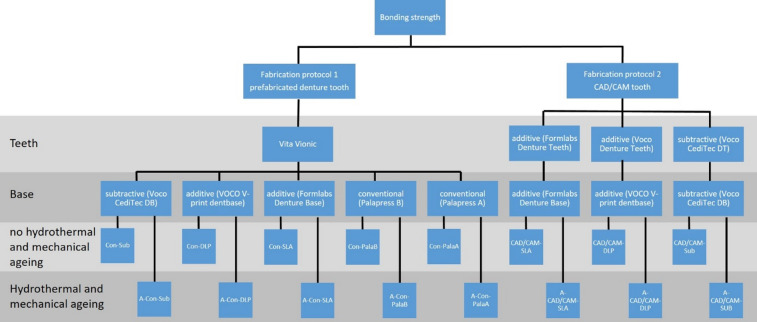 Figure 1
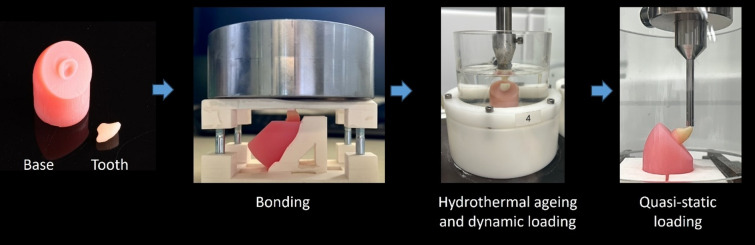 Figure 2
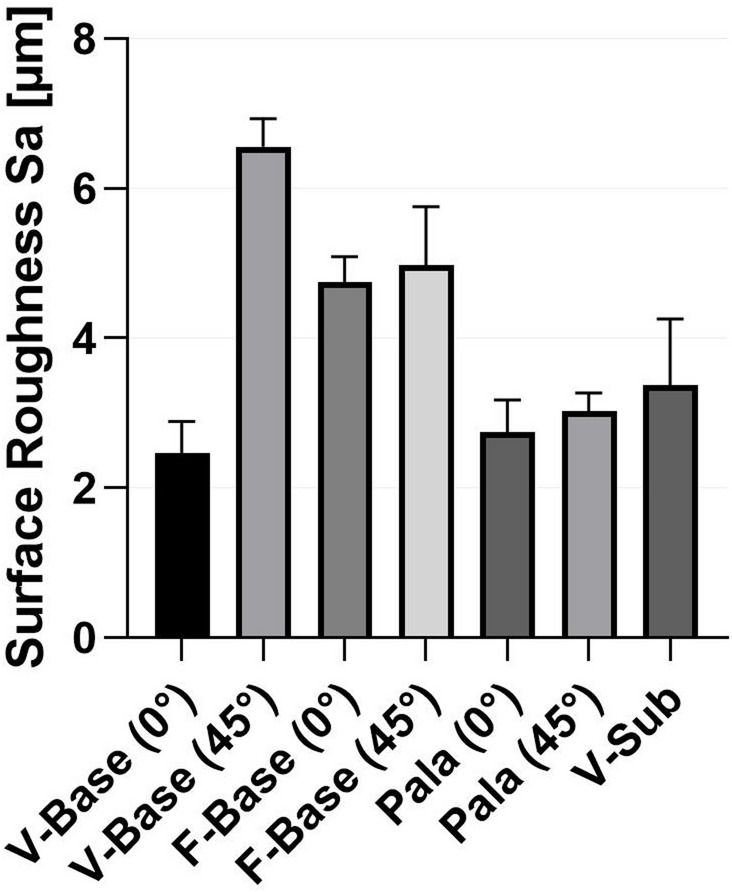 Figure 3
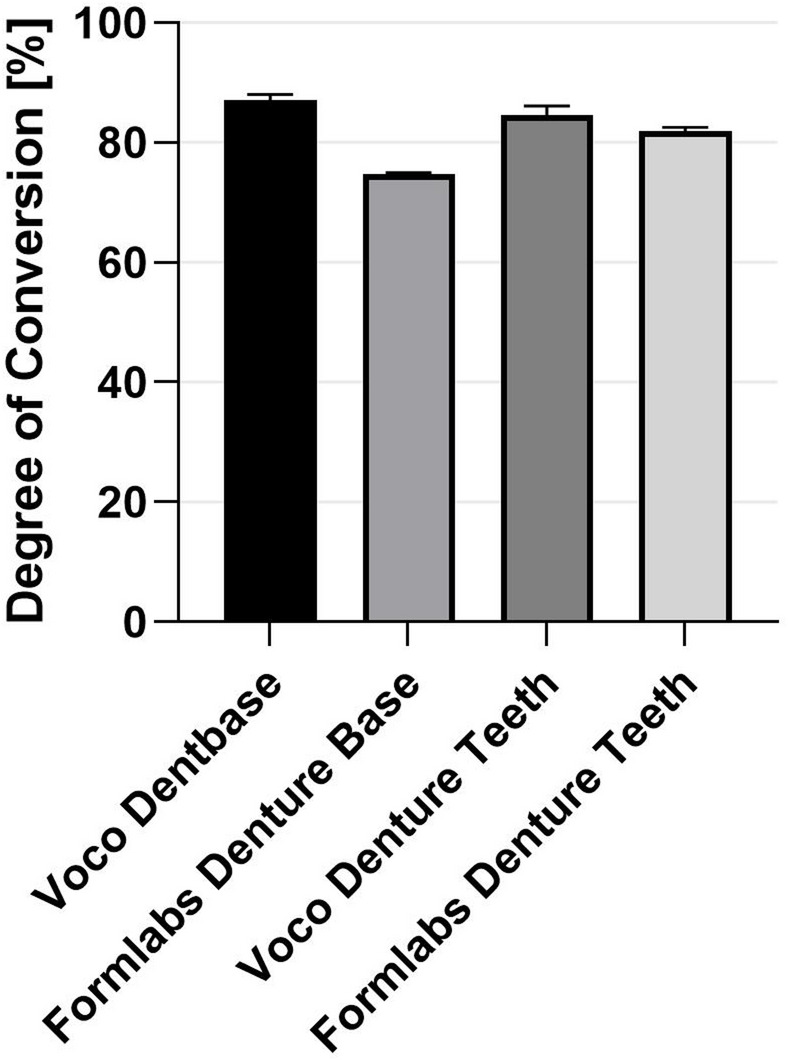 Figure 4
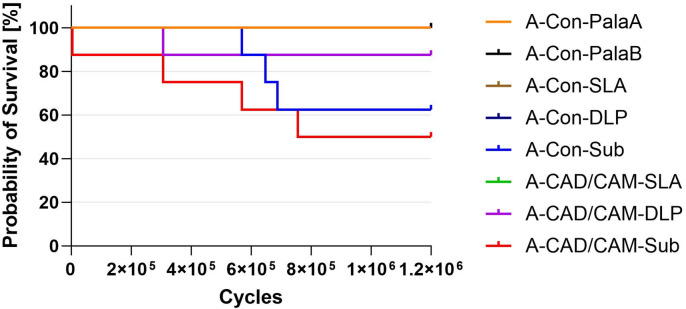 Figure 5
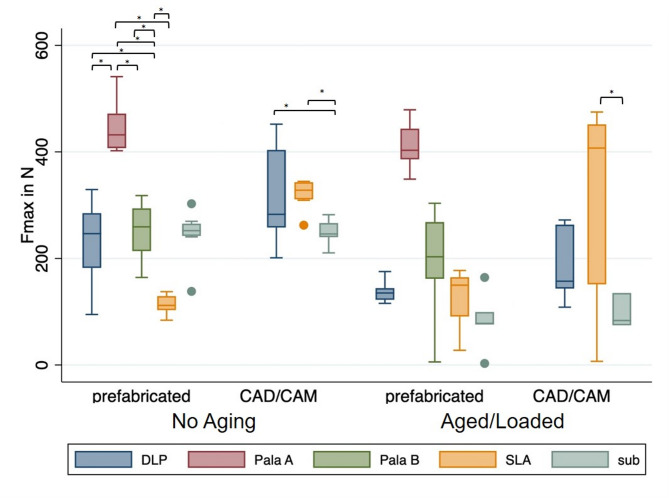 Figure 6
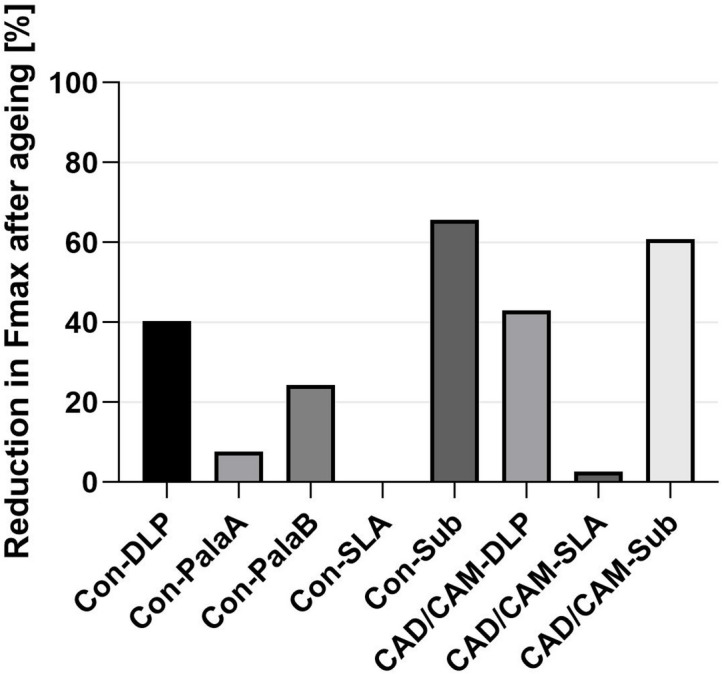 Figure 7
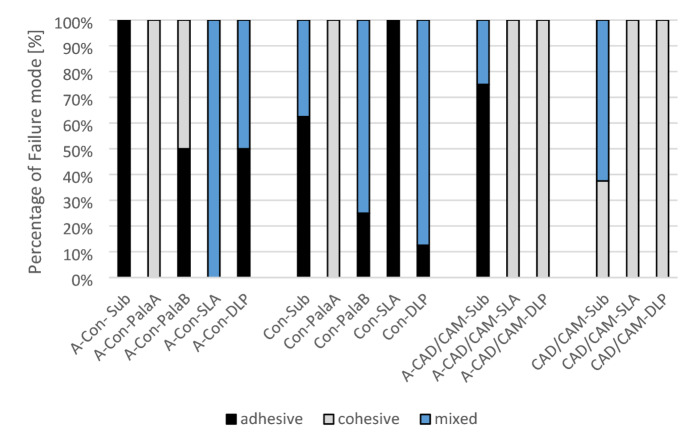 Figure 8
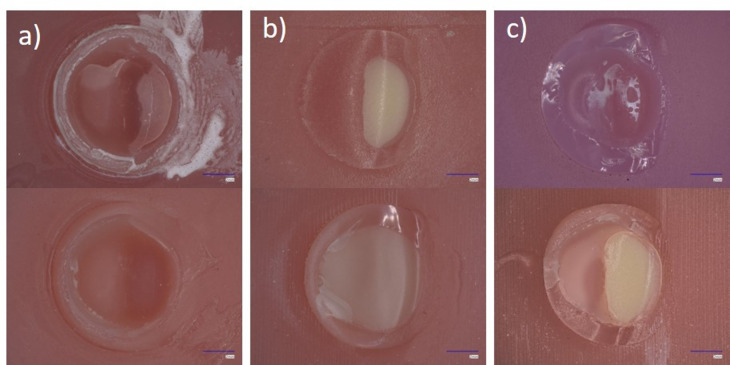 Figure 9
Peer Reviews
No public reviews on file for this paper yet. If you reviewed it on a platform where reviews are public (OpenReview, ICLR, NeurIPS, ICML), you can paste yours below so the community can read it here.
Videos
No videos yet. Explain this paper in a talk, walkthrough, or lecture? Add one.
Taxonomy
TopicsDental materials and restorations · Additive Manufacturing Materials and Processes · Additive Manufacturing and 3D Printing Technologies