Exploring the influence of AI self-study rooms on K–12 learners’ motivation, self-regulation, enjoyment, and engagement
Wei Li, Ya Xu, Le Yao, Yantong Liu

TL;DR
AI self-study rooms improve K-12 students' motivation, self-regulation, enjoyment, and engagement compared to traditional study methods.
Contribution
Demonstrates that AI-enhanced environments foster self-regulated learning through personalized feedback and adaptive content.
Findings
AI self-study rooms significantly increased motivation, self-regulation, enjoyment, and engagement in K-12 students.
ANCOVA results showed large effect sizes for all measured constructs in AI-equipped environments.
Personalized feedback and adaptive content in AI rooms support more effective learning processes.
Abstract
Advances in artificial intelligence (AI) have enabled the development of AI-based self-study rooms that may influence K-12 learners’ motivation, engagement, enjoyment, and self-regulation. This study was guided by Zimmerman’s self-regulated learning framework to explore whether AI-equipped self-study environments can foster more autonomous and effective learning compared to traditional self-study settings. A quasi-experimental design was conducted with 383 primary-school students in mainland China, randomly assigned to either an experimental group (AI self-study rooms) or a control group (traditional self-study). Over a 10-week period, participants completed standardized pre- and post-tests, as well as validated scales measuring motivation, engagement, enjoyment, and self-regulation. Data were analyzed using ANCOVA to control for baseline equivalences. Findings revealed that students…
Click any figure to enlarge with its caption.
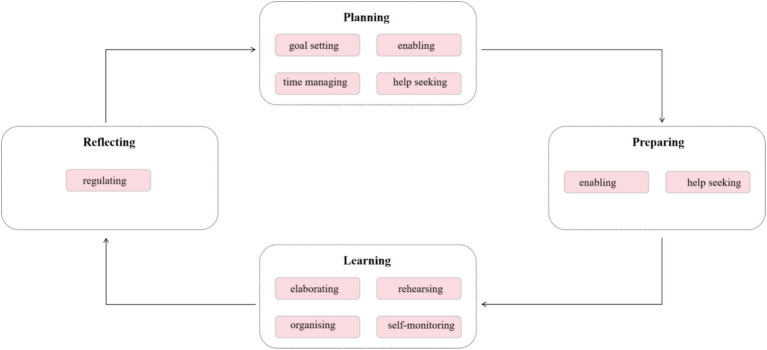 Figure 1
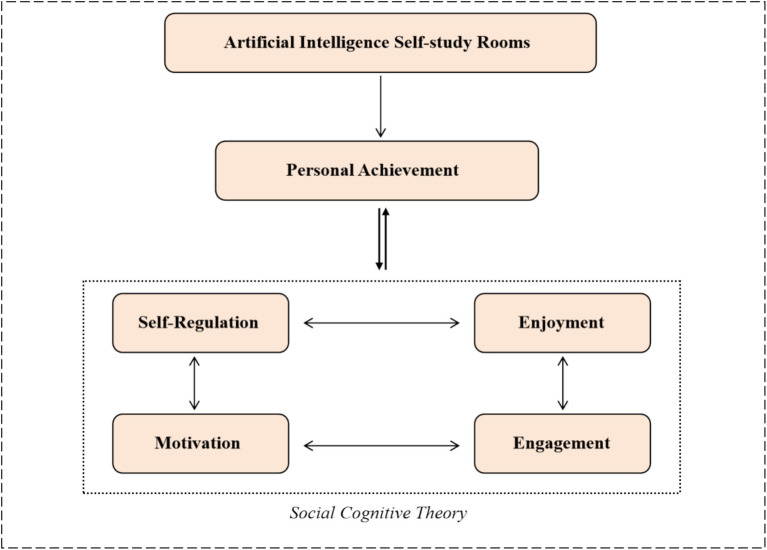 Figure 2
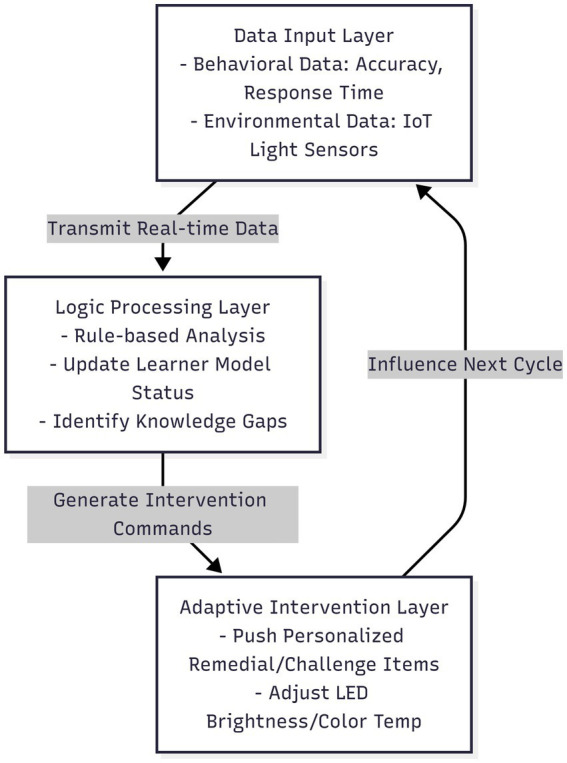 Figure 3
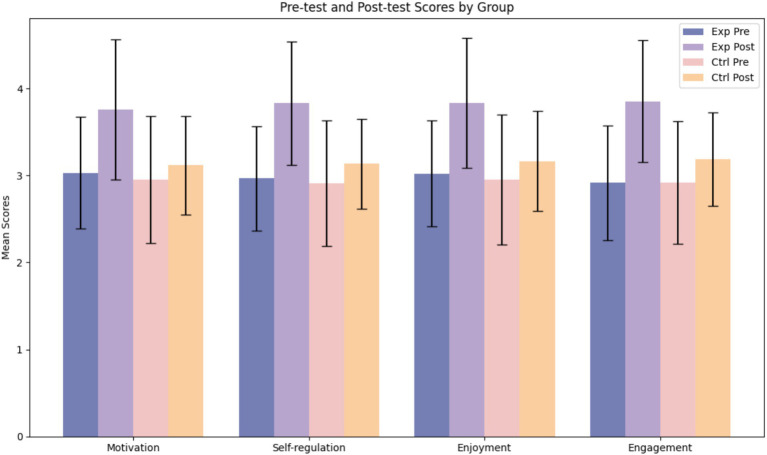 Figure 4
Peer Reviews
No public reviews on file for this paper yet. If you reviewed it on a platform where reviews are public (OpenReview, ICLR, NeurIPS, ICML), you can paste yours below so the community can read it here.
Videos
No videos yet. Explain this paper in a talk, walkthrough, or lecture? Add one.
Taxonomy
TopicsEducational Games and Gamification · Innovative Teaching and Learning Methods · Intelligent Tutoring Systems and Adaptive Learning