A novel angiotensin(1-7) agonist, PNA5, reduces ischemic reperfusion injury and cardiac dysfunction
Christina Hoyer-Kimura, Meredith Hay, Methawasin Methajit, Robin Polt, Victoria Salcedo, Joshua P. Fricks, Arian Piepho, Marissa Lopez-Pier, Maricela Pier, Vito A. Marino, John P. Konhilas

TL;DR
A new drug called PNA5 improves heart function and reduces damage after heart attacks in mice.
Contribution
PNA5, a novel Angiotensin(1-7) agonist, shows therapeutic potential for ischemic reperfusion injury.
Findings
PNA5 improved ejection fraction and reduced infarct size in mice after ischemic reperfusion.
PNA5 treatment reduced cardiac scarring and improved strain and dyssynchrony measures.
PNA5 decreased inflammation and oxidative stress in post-ischemic hearts.
Abstract
Ischemic heart disease, typically caused by myocardial infarction (MI), is the leading cause of death. Ischemic reperfusion (IR) injury following MI is multifaceted, driven by reactive oxidative species (ROS), calcium overload, and inflammatory responses. Because our novel glycopeptide derivative of Angiotensin-(1-7), PNA5, has an improved half-life, decreases circulating inflammatory cytokines, and inhibits endothelial ROS production, we predict that PNA5 will attenuate IR sequelae post-IR. Three-month-old C57Bl/6J male mice were subjected to IR and treated subcutaneously, with PNA5 (100 µg/kg/day, n = 14) or saline (n = 12) starting immediately after reperfusion and continued daily for 8 weeks. Echocardiograms were taken 2, 5, and 8 weeks post-IR in B-mode using the Vevo 2100 High-Resolution Imaging System (Visual Sonics, Canada). Data were analyzed using Vevo 2100® analytic…
Genes, proteins, chemicals, diseases, species, mutations and cell lines named across the full text — each resolved to its canonical identifier and authoritative record.
Click any figure to enlarge with its caption.
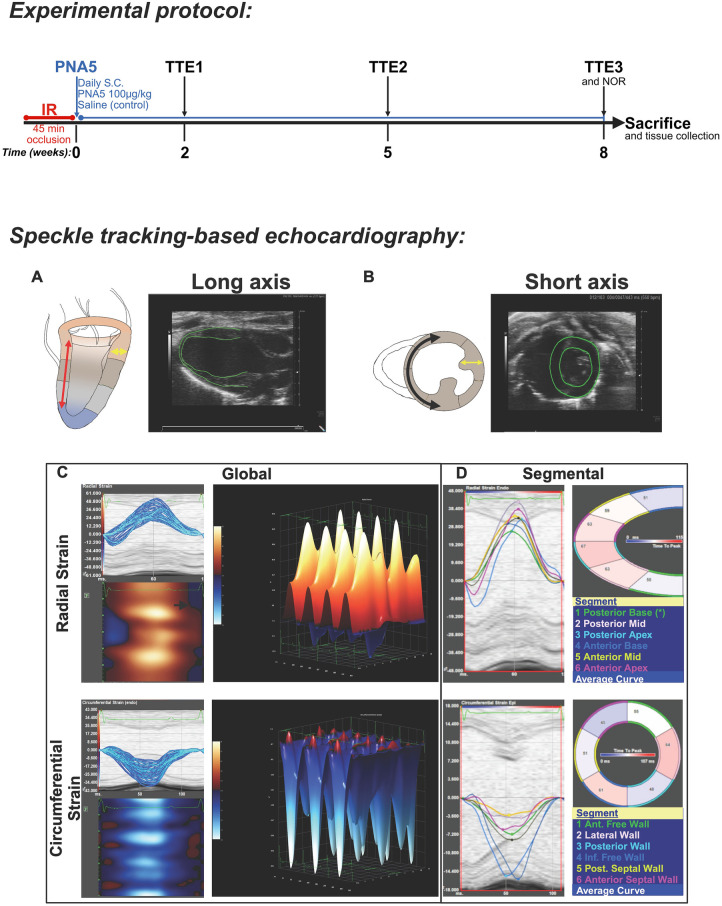 Figure 1
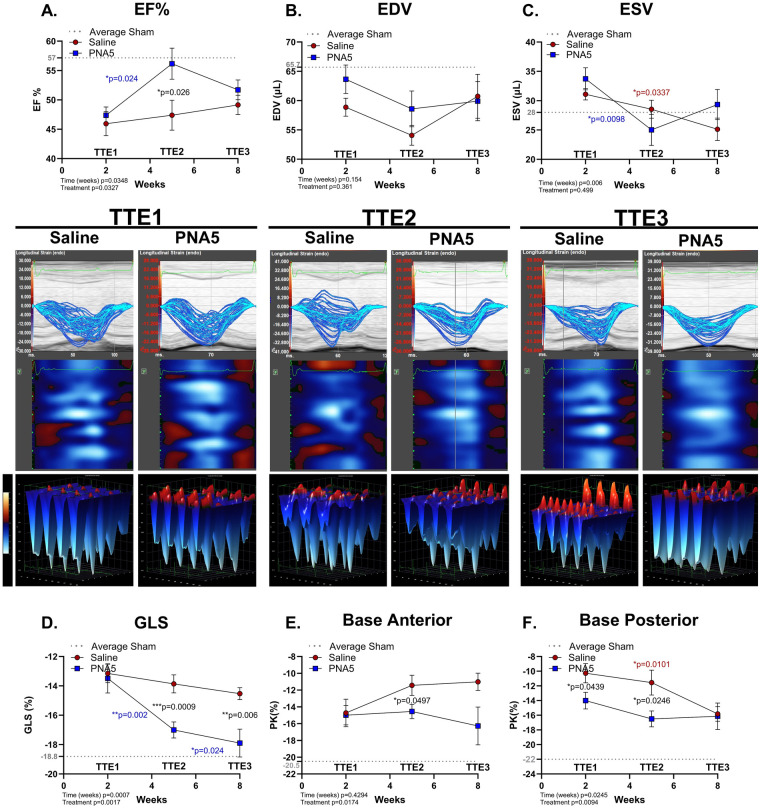 Figure 2
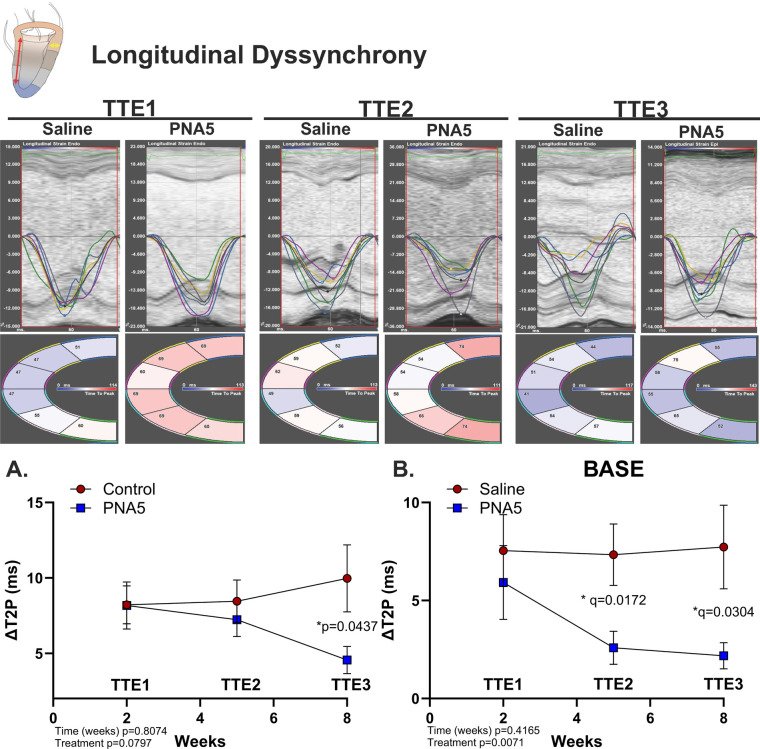 Figure 3
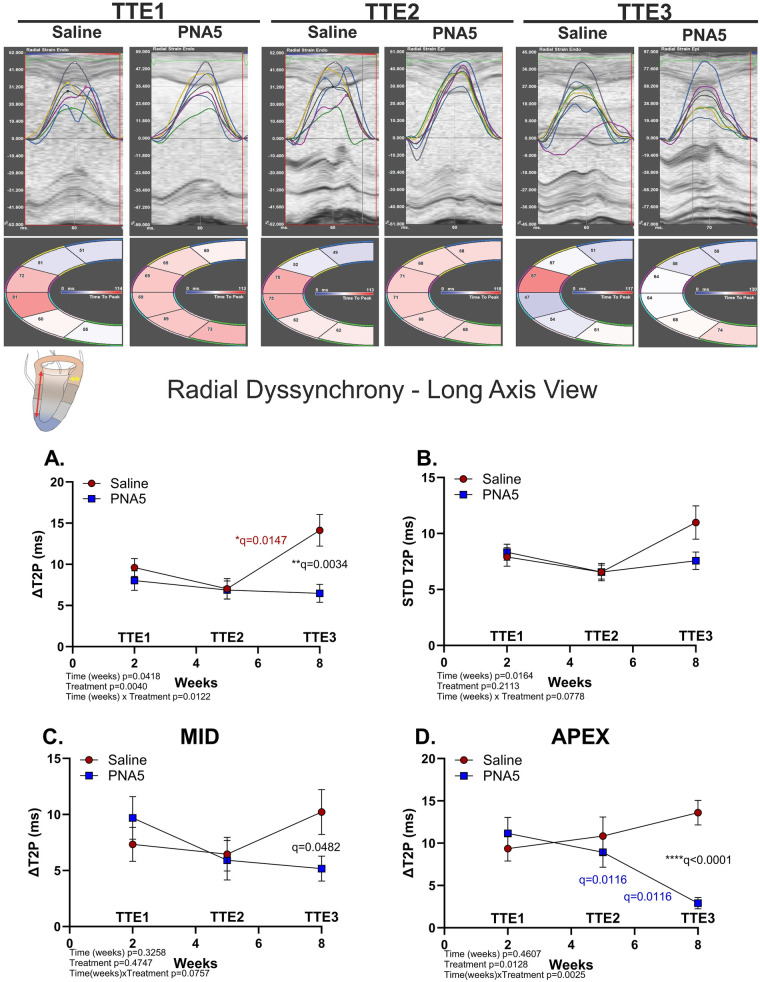 Figure 4
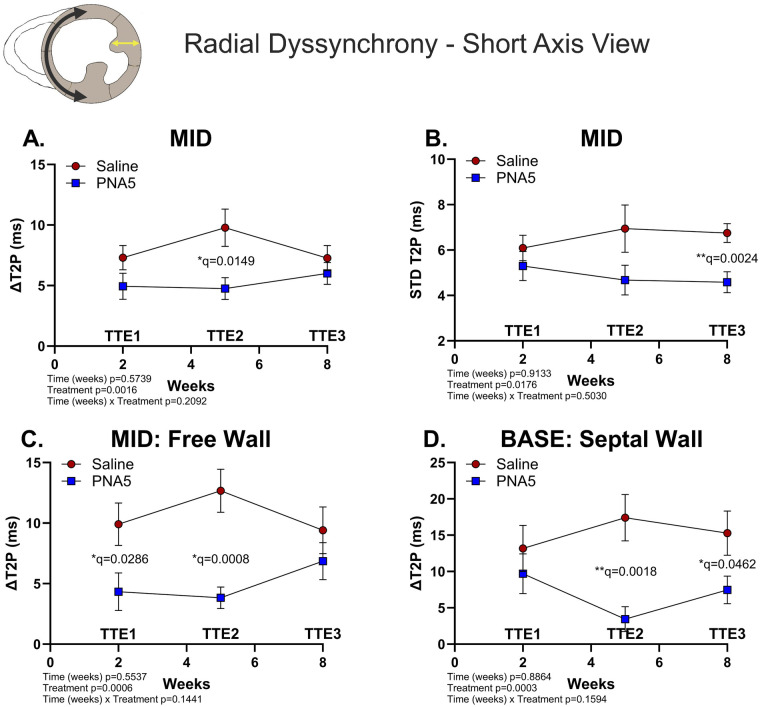 Figure 5
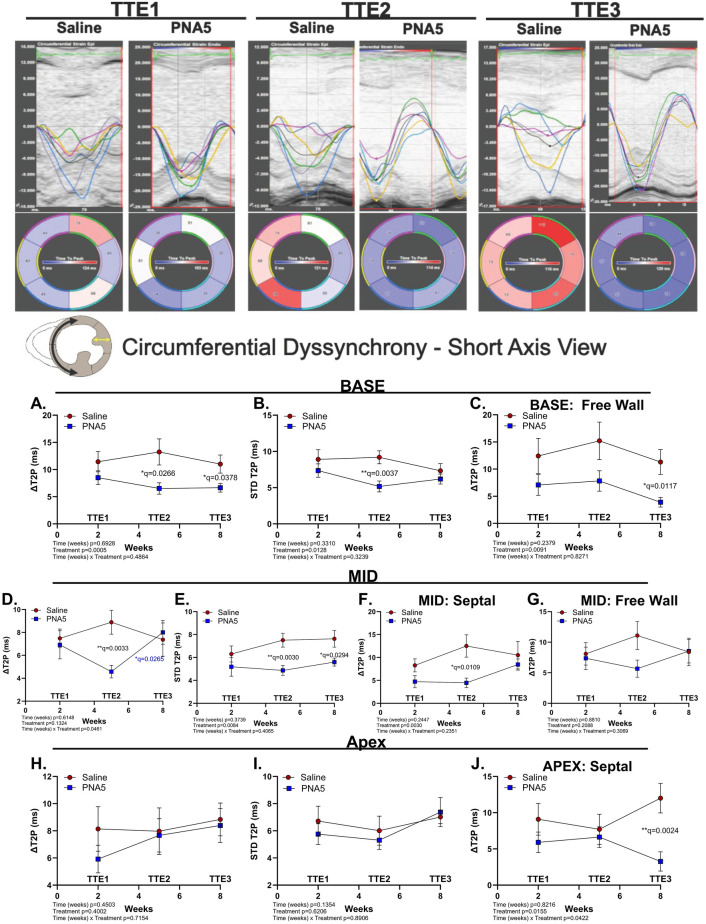 Figure 6
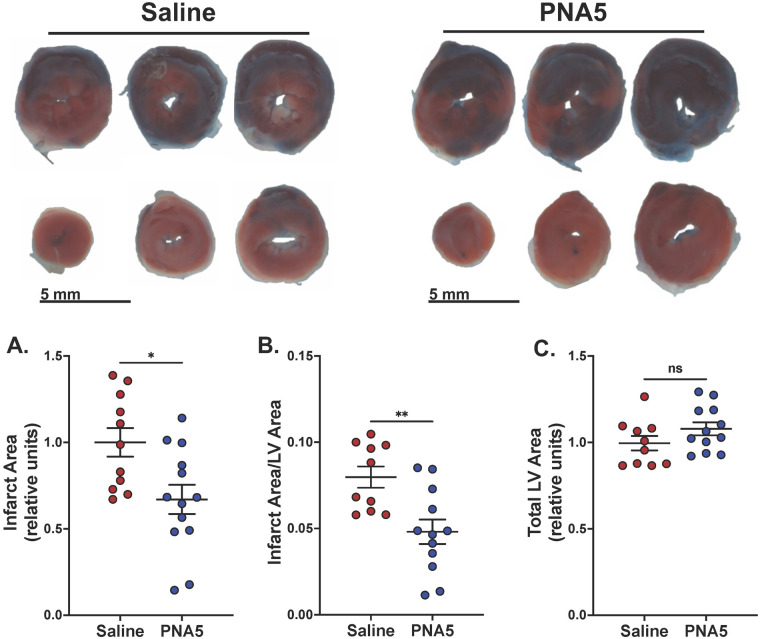 Figure 7
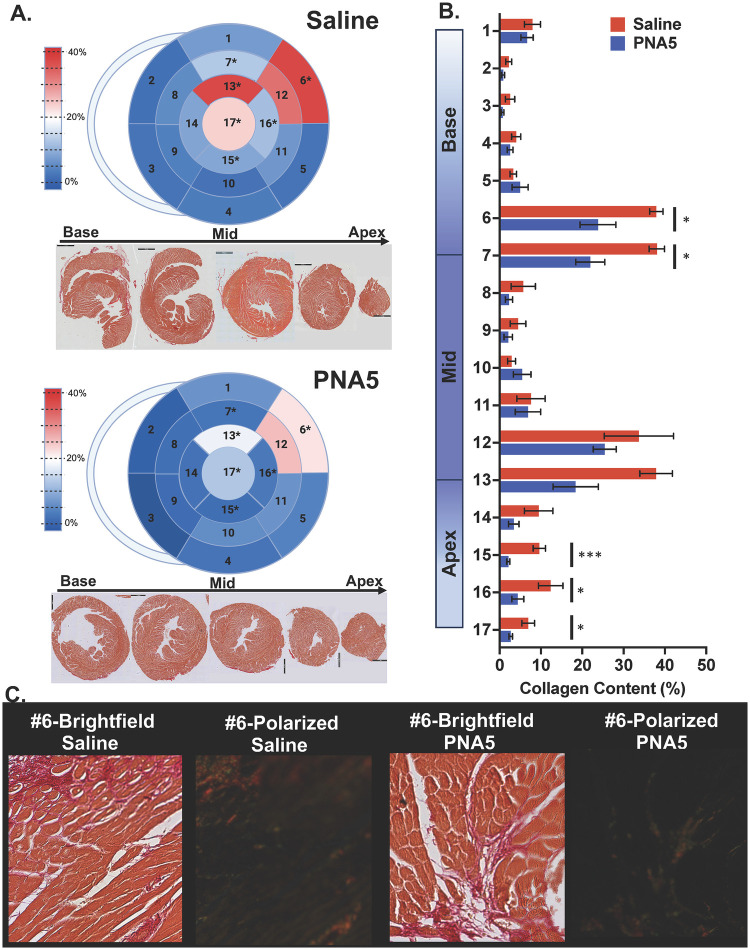 Figure 8
Peer Reviews
No public reviews on file for this paper yet. If you reviewed it on a platform where reviews are public (OpenReview, ICLR, NeurIPS, ICML), you can paste yours below so the community can read it here.
Videos
No videos yet. Explain this paper in a talk, walkthrough, or lecture? Add one.
Taxonomy
TopicsCardiac Ischemia and Reperfusion · Renin-Angiotensin System Studies · Acute Myocardial Infarction Research