Clinical significance of machine learning algorithm in predicting PPM during TAVR in small annuli
Yu Mao, Yang Liu, Mengen Zhai, Ping Jin, Wenjing Li, Fangyao Chen, Yuhui Yang, Gejun Zhang, Jian Liu, Yingqiang Guo, Xiangbin Pan, Yongjian Wu, Jian Yang

TL;DR
A machine learning model improves the accuracy of pressure gradient measurements during heart valve replacement in patients with small heart openings, which helps predict worse health outcomes.
Contribution
A novel XGBoost algorithm is developed to correct overestimated pressure gradients in small annuli during TAVR, linking predictions to clinical outcomes.
Findings
TTE overestimates PGAV compared to LHC measurements in small annuli patients.
The XGBoost model significantly improves TTE PGAV accuracy with high correlation.
Higher predicted PGAV levels are associated with increased mortality and heart failure readmissions.
Abstract
Compared with left heart catheterization (LHC), the pressure gradient of an aortic valve (PGAV) measured by echocardiography during transcatheter aortic valve replacement (TAVR) in small annuli is overestimated. The purpose of this study was to improve the accuracy of PGAV measurements by echocardiography in small annuli and to evaluate the influence of PGAV on prognosis. The internal derivation cohort included 273 consecutive patients with aortic stenosis and a small annulus (computed tomographic scan showing an annulus circumference < 72 mm or area < 400 mm2) who underwent TAVR. Patients completed transthoracic echocardiography (TTE) and LHC measurements during TAVR, and an extreme gradient boosting (XGBoost) algorithm was trained. The primary outcome was a composite end point of all-cause mortality and readmission for heart failure. The mean PGAV level measured by TTE was…
Genes, proteins, chemicals, diseases, species, mutations and cell lines named across the full text — each resolved to its canonical identifier and authoritative record.
Click any figure to enlarge with its caption.
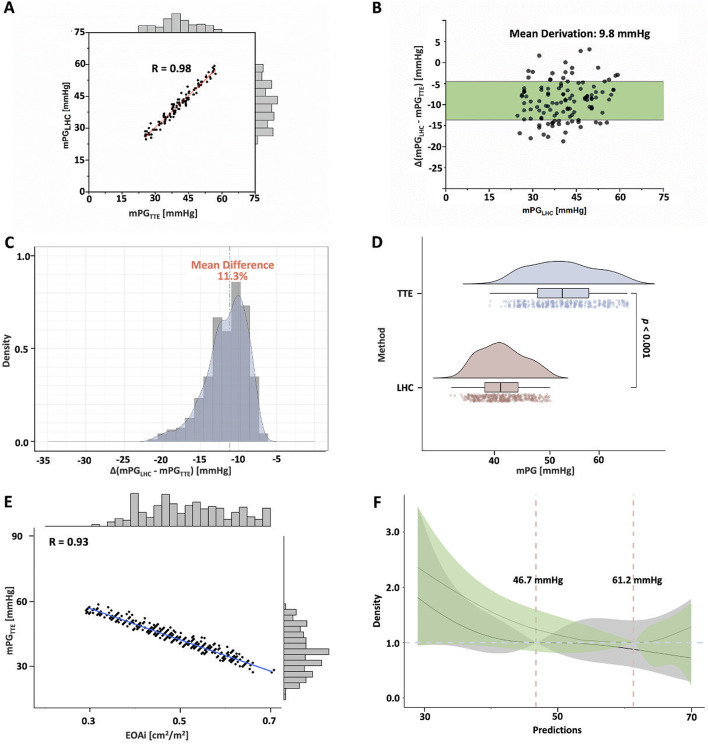 Figure 1
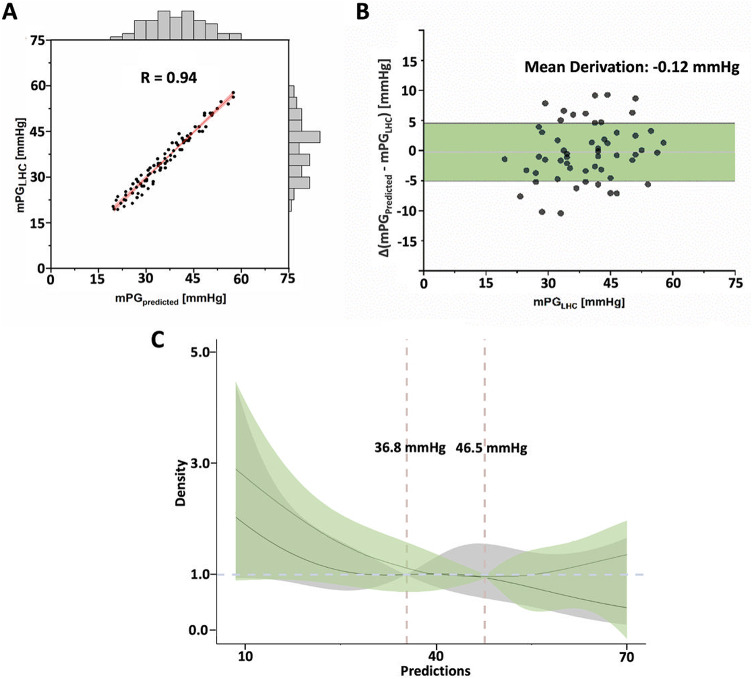 Figure 2
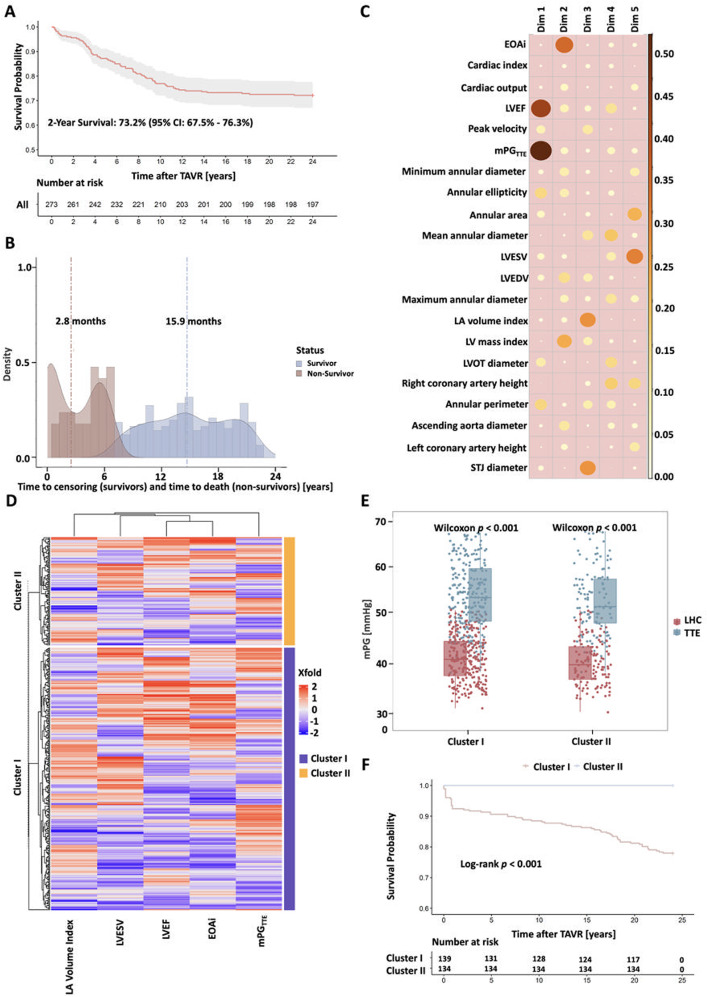 Figure 3
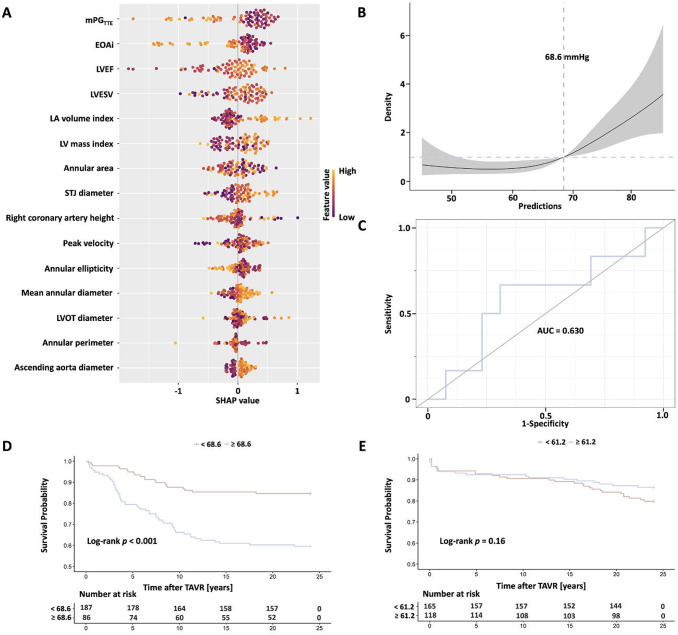 Figure 4
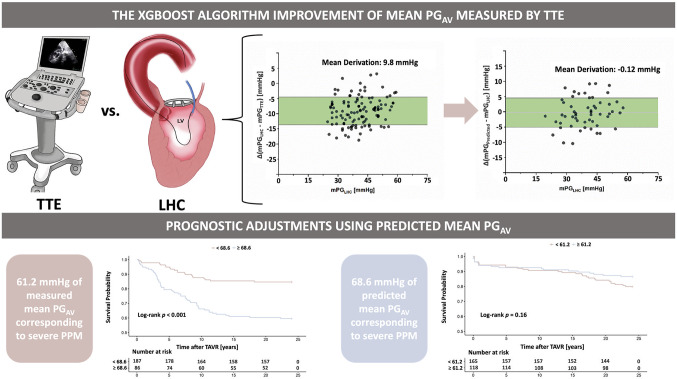 Figure 5
Peer Reviews
No public reviews on file for this paper yet. If you reviewed it on a platform where reviews are public (OpenReview, ICLR, NeurIPS, ICML), you can paste yours below so the community can read it here.
Videos
No videos yet. Explain this paper in a talk, walkthrough, or lecture? Add one.
Taxonomy
TopicsCardiac Valve Diseases and Treatments · Cardiovascular Function and Risk Factors · Cardiovascular Health and Disease Prevention