Predictive models for post-ERCP pancreatitis: a systematic review and meta-analysis
Zhihang Zhong, Li Liu, Jia Liu, Qin Xie, Jing Wu

TL;DR
This study reviews and evaluates existing models for predicting post-ERCP pancreatitis, finding that while they show promise, their accuracy and reliability vary, and more validation is needed for clinical use.
Contribution
A systematic review and meta-analysis of predictive models for post-ERCP pancreatitis, highlighting performance variability and the need for external validation.
Findings
Machine learning models showed higher AUC (0.84) compared to logistic regression models (0.76).
Common predictive factors included difficult cannulation, female sex, pancreatic duct dilation, and history of pancreatitis.
The pooled AUC for externally validated models was 0.79, but many models lacked external validation and had significant bias.
Abstract
Post-ERCP pancreatitis (PEP) is the most common complication following ERCP, leading to significant clinical and economic consequences. Predictive models for PEP can help identify high-risk patients and guide preventive strategies. However, the performance of these models varies, and a comprehensive evaluation is lacking. This study aims to assess the accuracy, reliability, and risk of bias in existing predictive models for PEP. A comprehensive search was conducted across five databases (PubMed, Embase, Web of Science, Cochrane Library, and CNKI) for studies published until January 2025. Studies that developed or validated predictive models for PEP were included. Models with external validation sets were included in a meta-analysis. Model performance was assessed using the area under the receiver operating characteristic curve (AUC), sensitivity, specificity, and calibration. A…
Genes, proteins, chemicals, diseases, species, mutations and cell lines named across the full text — each resolved to its canonical identifier and authoritative record.
Click any figure to enlarge with its caption.
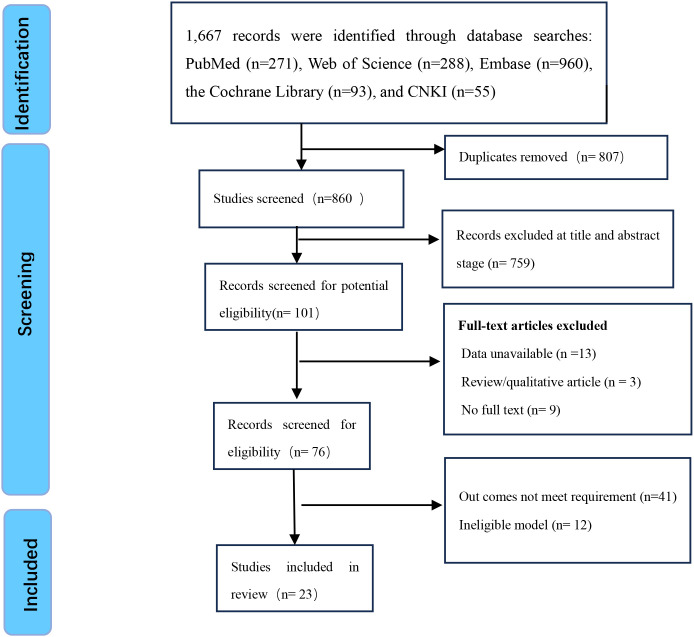 Figure 1
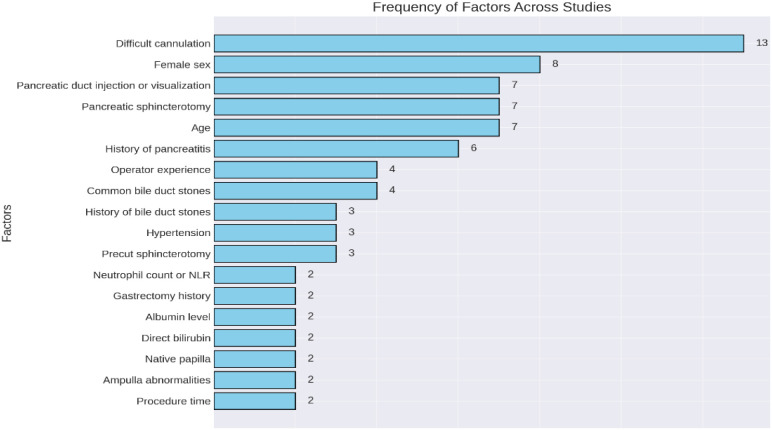 Figure 2
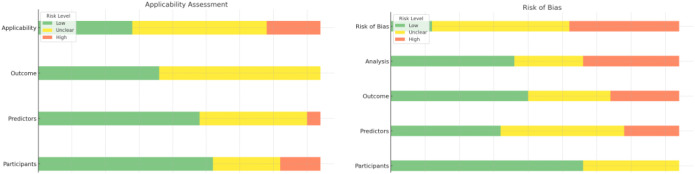 Figure 3
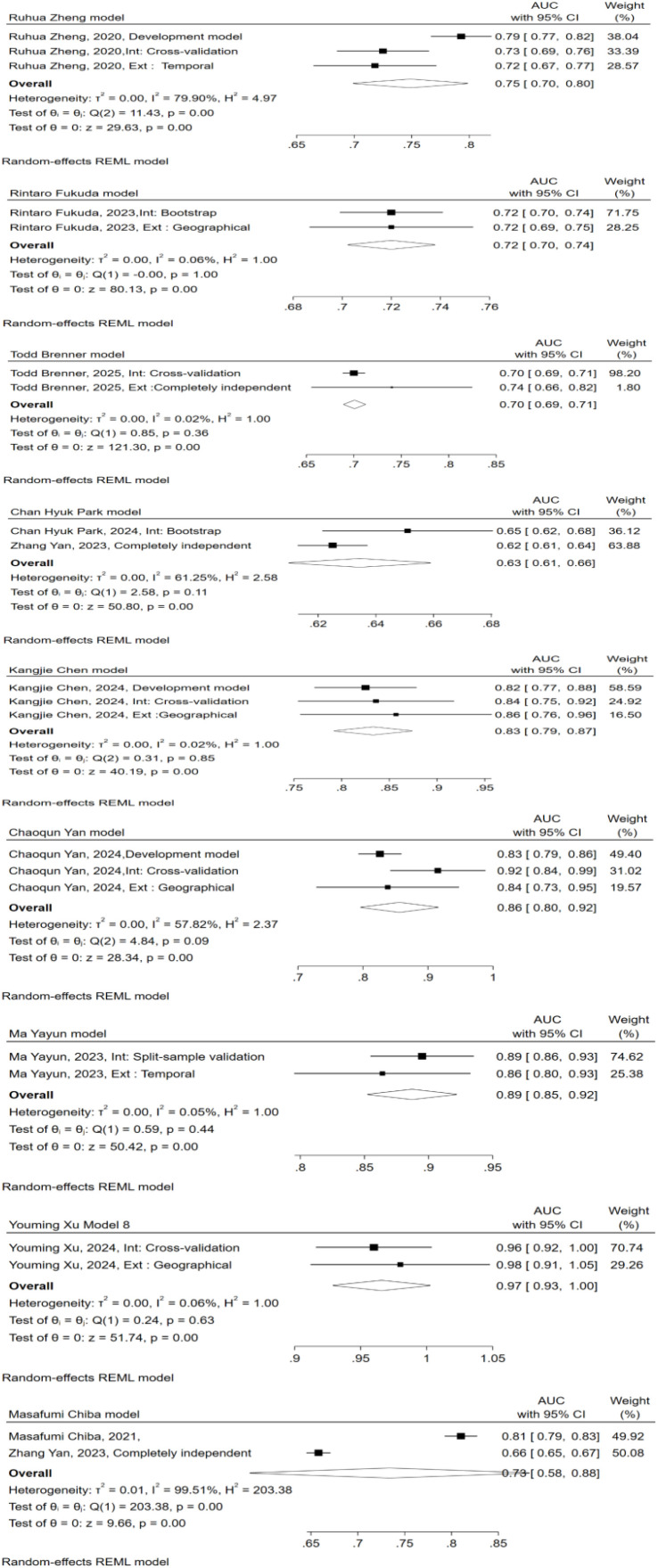 Figure 4
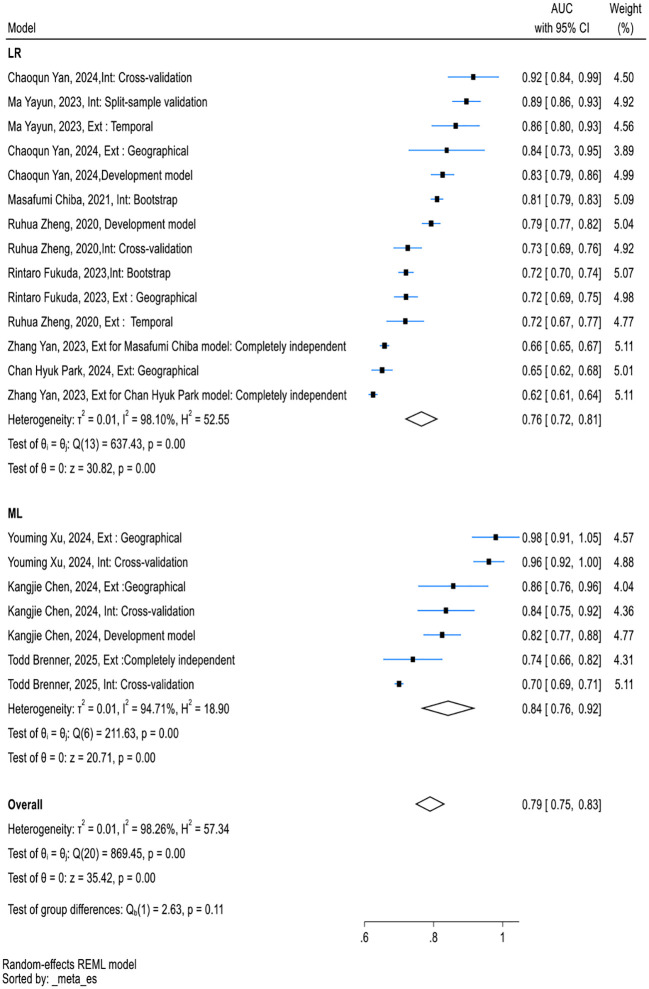 Figure 5
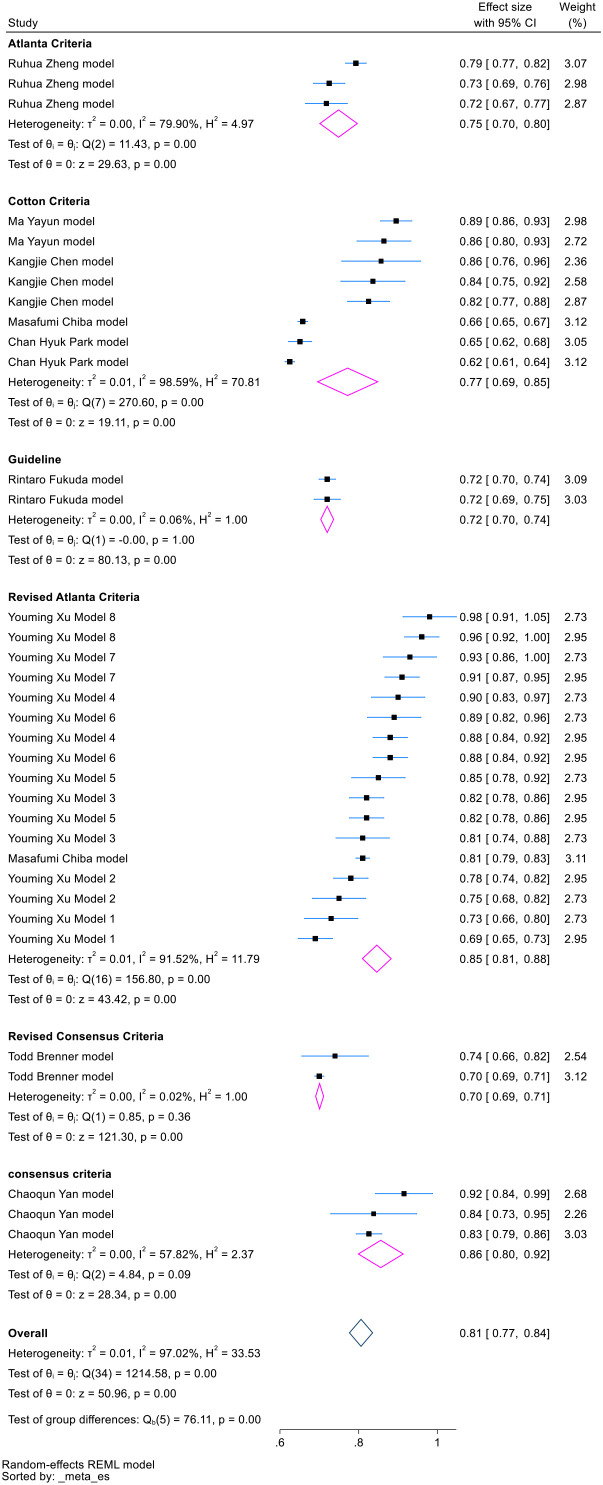 Figure 6
Peer Reviews
No public reviews on file for this paper yet. If you reviewed it on a platform where reviews are public (OpenReview, ICLR, NeurIPS, ICML), you can paste yours below so the community can read it here.
Videos
No videos yet. Explain this paper in a talk, walkthrough, or lecture? Add one.
Taxonomy
TopicsGallbladder and Bile Duct Disorders · Sinusitis and nasal conditions · Esophageal and GI Pathology