ZMYND11 p.Arg600Trp variant associated with a distinctive neurodevelopmental phenotype
Hidetaka Yoshimatsu, Jun Kido, Takaaki Sawada, Keishin Sugawara, Yohei Misumi, Yukina Hayashi, Atsushi Fujita, Naomichi Matsumoto, Mitsuharu Ueda, Kimitoshi Nakamura

TL;DR
A specific ZMYND11 gene variant is linked to a unique neurodevelopmental disorder with distinct symptoms compared to other variants.
Contribution
The study identifies a missense variant in ZMYND11 associated with a distinct clinical subgroup of neurodevelopmental features.
Findings
The c.1798C>T variant in ZMYND11 is associated with microcephaly, short stature, and distinctive facial features.
Missense variants in ZMYND11 are linked to higher rates of strabismus, hypotonia, and severe intellectual disability compared to loss-of-function variants.
The findings suggest that missense variants may reflect a different mechanism than simple haploinsufficiency.
Abstract
Zinc finger MYND-type containing 11 (ZMYND11)-related neurodevelopmental disorder is an autosomal dominant condition caused by pathogenic variants in ZMYND11. Most previously reported patients harbor loss-of-function (LoF) variants, whereas missense variants are rare and their clinical and mechanistic characteristics remain insufficiently defined. Here we report a patient with a heterozygous ZMYND11 c.1798C>T, p.(Arg600Trp) variant identified through the Initiative on Rare and Undiagnosed Diseases program. Detailed clinical evaluation, developmental assessment and whole-exome sequencing were performed. In addition, a systematic review of previously published ZMYND11 cases was conducted to compare genotype–phenotype correlations between missense and LoF variants. The present patient showed global developmental delay, hypotonia, distinctive craniofacial features, microcephaly, short…
Genes, proteins, chemicals, diseases, species, mutations and cell lines named across the full text — each resolved to its canonical identifier and authoritative record.
Click any figure to enlarge with its caption.
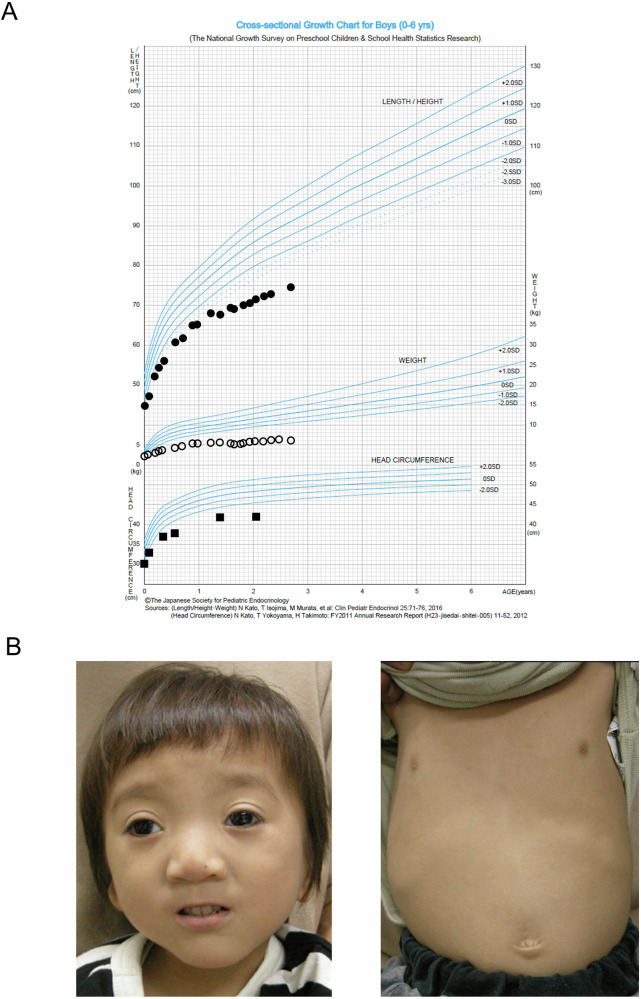 Figure 1
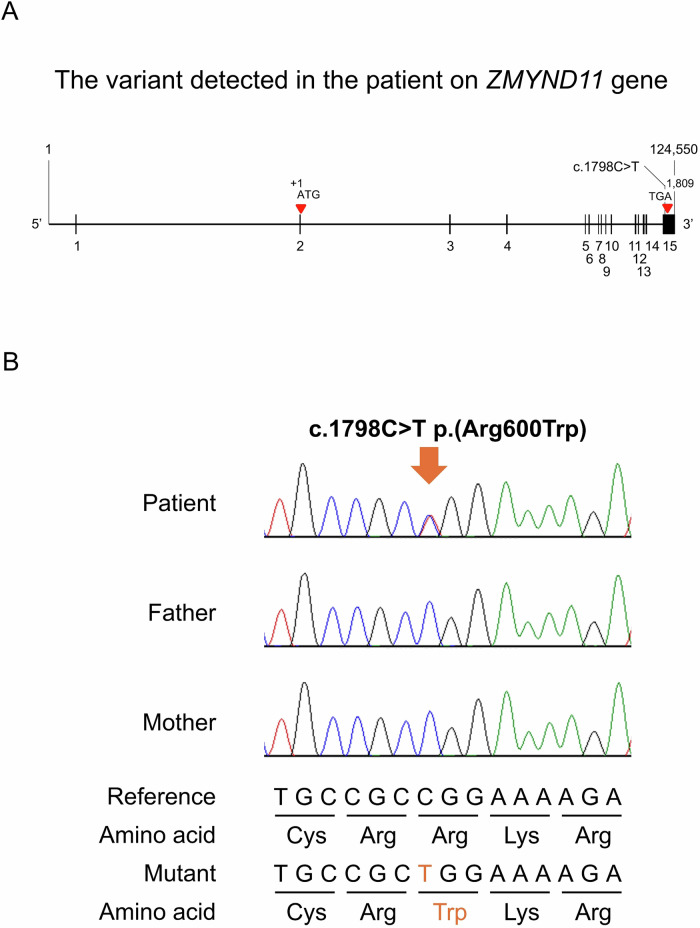 Figure 2
Peer Reviews
No public reviews on file for this paper yet. If you reviewed it on a platform where reviews are public (OpenReview, ICLR, NeurIPS, ICML), you can paste yours below so the community can read it here.
Videos
No videos yet. Explain this paper in a talk, walkthrough, or lecture? Add one.
Taxonomy
TopicsGenomics and Rare Diseases · Connective tissue disorders research · Hereditary Neurological Disorders