Subsurface plumbing system architecture in the South Makassar Basin, offshore Indonesia, and its implications for methane emissions and geological storage
Harya D. Nugraha, S. N. Fathiyah Jamaludin, Ryo Matsumoto, Shiro Ohkawa, Hitoshi Tomaru, Imam Juanda, Ida Herawati, Weny Astuti, Syahreza S. Angkasa

TL;DR
This study explores fluid flow systems in the South Makassar Basin and their impact on methane emissions and CO₂ storage potential.
Contribution
The study provides a new four-stage model for focused fluid flow and seal bypass development in deep-marine basins.
Findings
Focused fluid flow is expressed through fluid pipes and pockmarks rooted at carbonate structural highs.
Unfocused fluid flow is indicated by polygonal and radial fault networks coinciding with gas hydrate occurrences.
A four-stage evolutionary model explains seal bypass development influenced by pressure and mechanical heterogeneity.
Abstract
Subsurface plumbing systems in deep-marine basins influence gas hydrate distribution, natural methane emissions, and seal integrity relevant to subsurface CO₂ storage. Using high-quality, post-stack time-migrated (PSTM) 3D seismic reflection and well data from the South Makassar Basin, offshore Indonesia, we characterised both focused and unfocused fluid-flow features within a fine-grained seal succession that form endmembers of a fluid-flow continuum. A focused system is expressed by fluid pipes rooted at carbonate structural highs and, in many cases, terminating at the seabed as pockmarks. An unfocused system is expressed by laterally extensive polygonal and radial fault networks that spatially coincide with laterally continuous bottom-simulating reflections (BSRs), indicating gas hydrate occurrence. Based on mainly seismic reflection data, we propose a four-stage evolutionary model…
Genes, proteins, chemicals, diseases, species, mutations and cell lines named across the full text — each resolved to its canonical identifier and authoritative record.
Click any figure to enlarge with its caption.
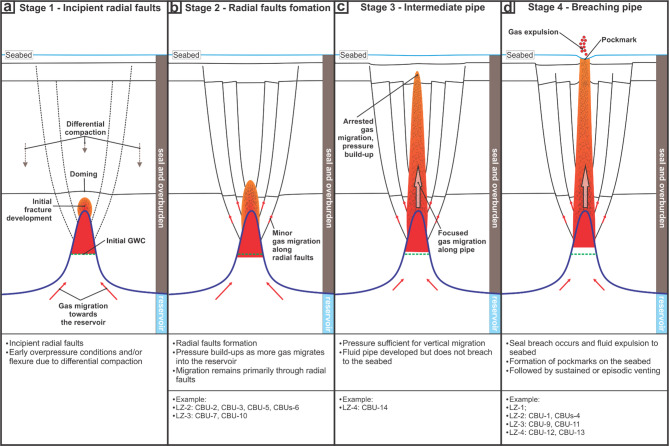 Figure 10
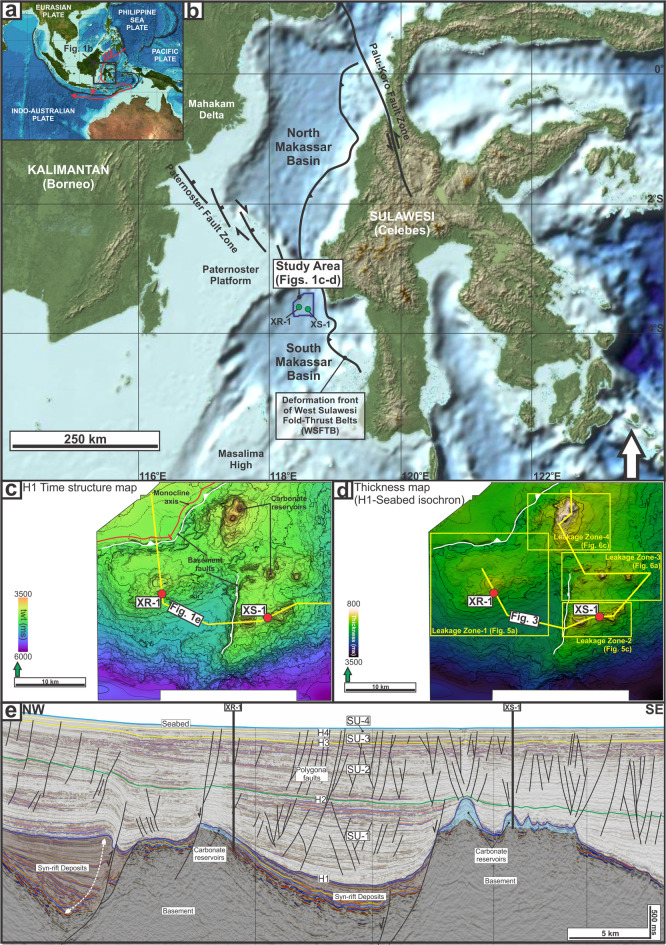 Figure 1
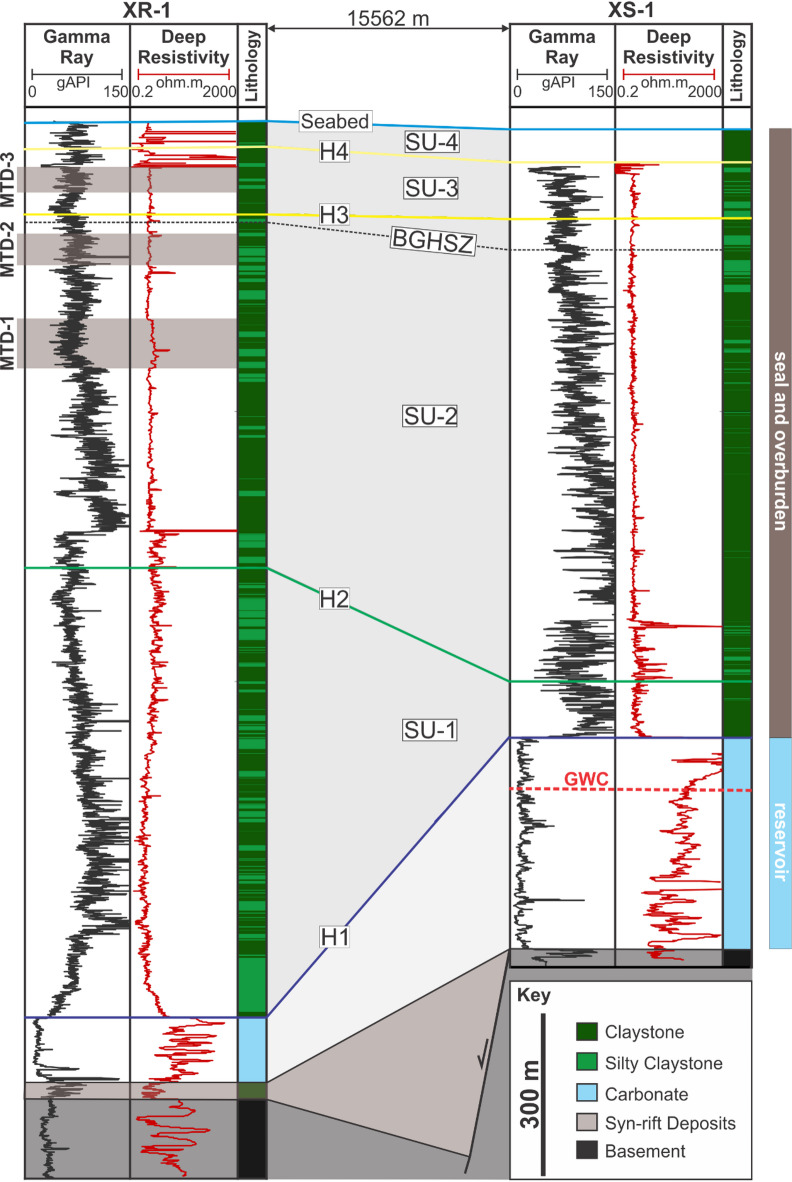 Figure 2
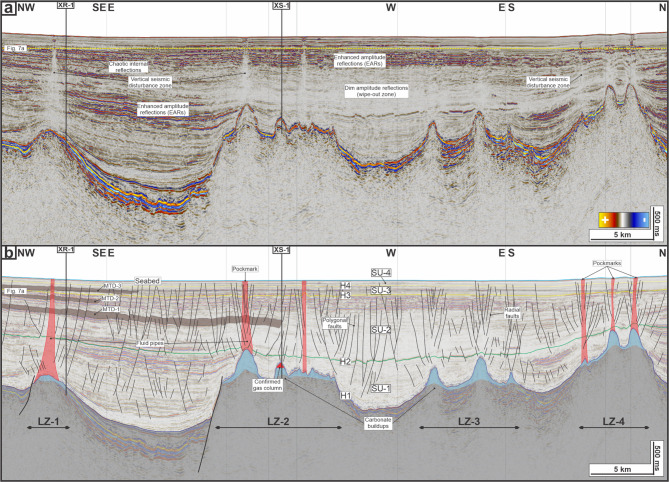 Figure 3
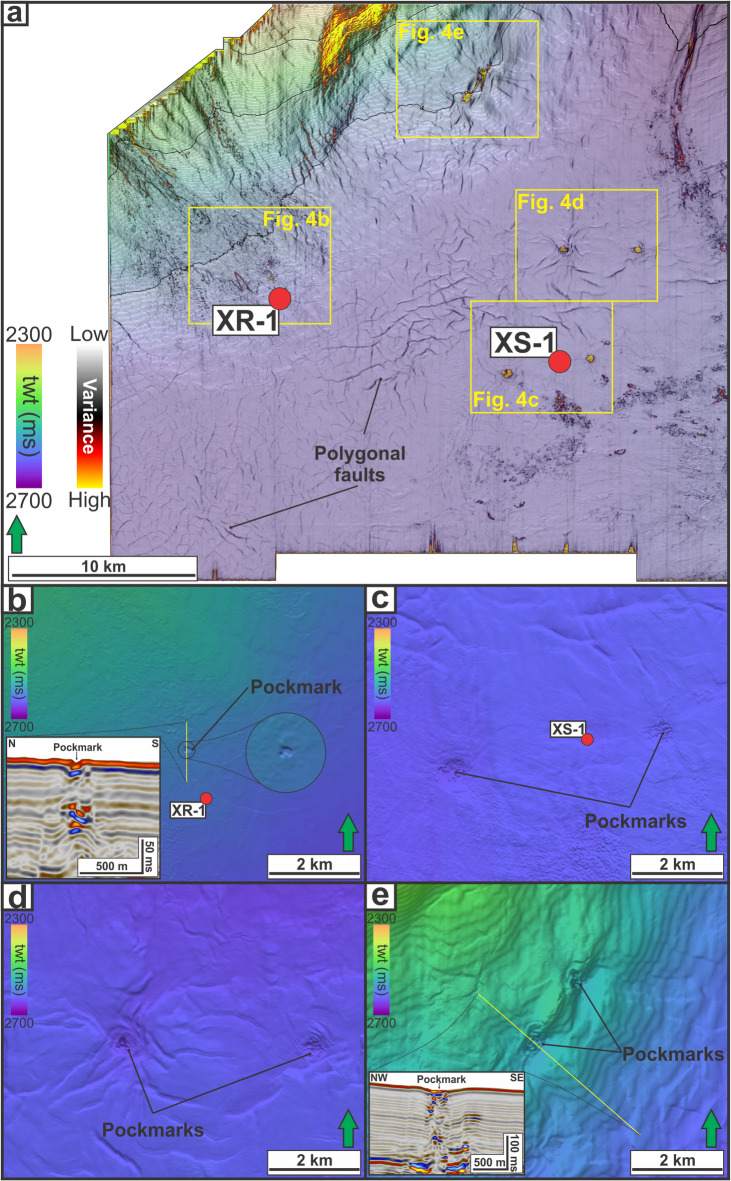 Figure 4
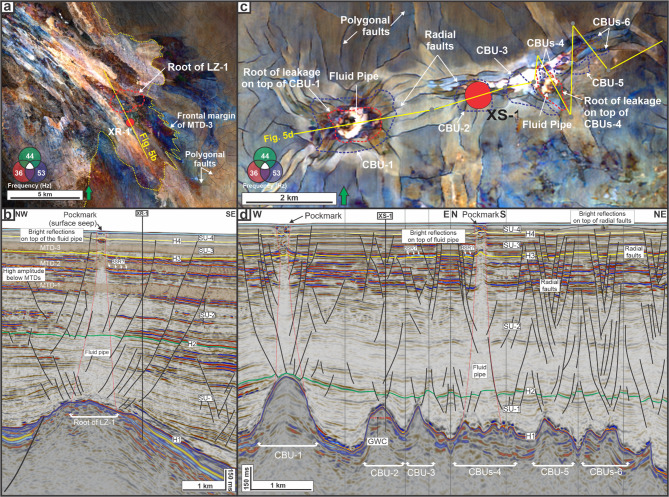 Figure 5
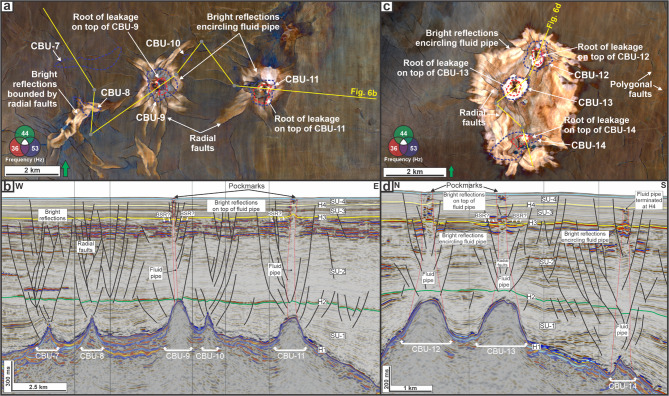 Figure 6
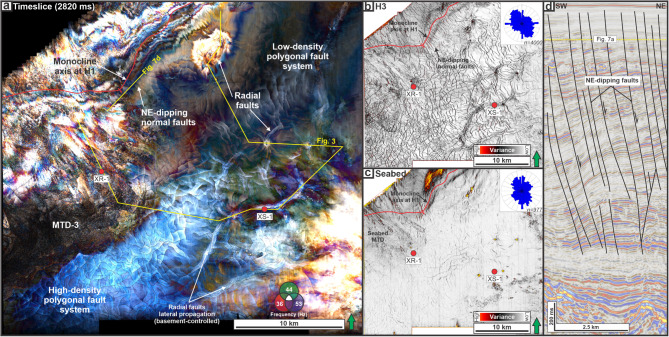 Figure 7
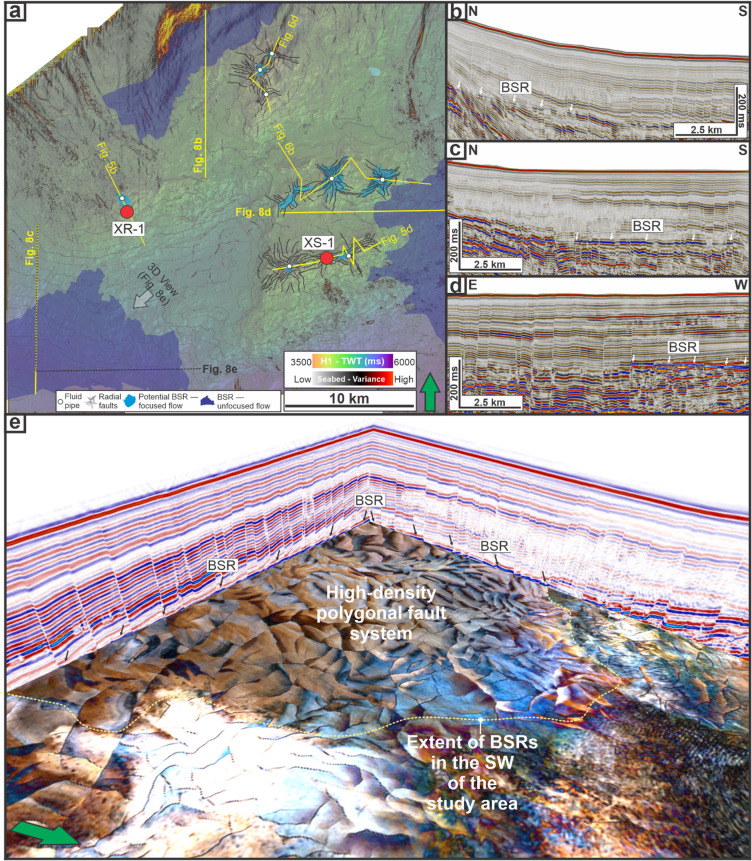 Figure 8
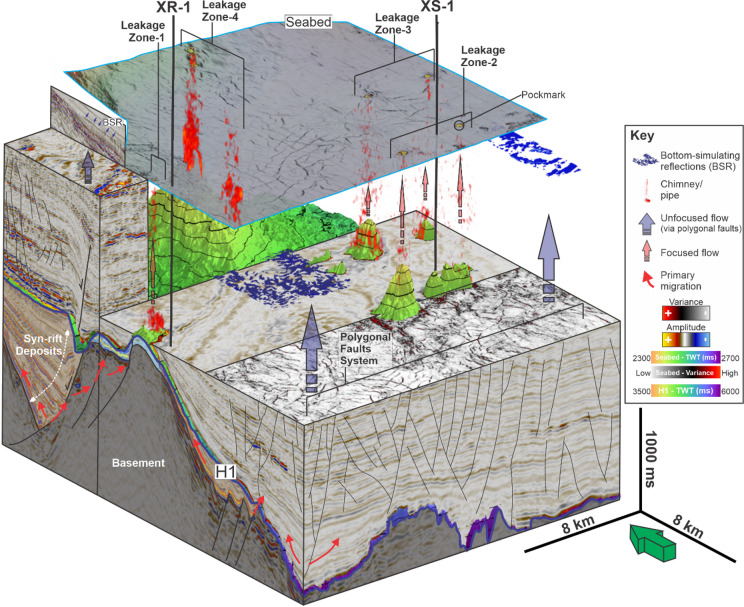 Figure 9
Peer Reviews
No public reviews on file for this paper yet. If you reviewed it on a platform where reviews are public (OpenReview, ICLR, NeurIPS, ICML), you can paste yours below so the community can read it here.
Videos
No videos yet. Explain this paper in a talk, walkthrough, or lecture? Add one.
Taxonomy
TopicsMethane Hydrates and Related Phenomena · Geological and Geophysical Studies · Geological formations and processes