Behavioral shifts mask the success of legislation and outreach for endangered species recovery
Victoria J. Bakker, Daniel F. Doak, Alacia Welch, L. Joseph Burnett, María C. Porras Peña, Joseph Brandt, Sharon A. Poessel, Steve Kirkland, Rachel Wolstenholme, Daniel Ryan, Mike Stake, Arianna Punzalan, Nacho Vilchis, Melissa A. Braham, Myra E. Finkelstein

TL;DR
Legislation and outreach efforts have successfully reduced lead exposure in California condors, but changing behaviors in both condors and humans initially masked these benefits.
Contribution
The study reveals how behavioral shifts can obscure the effectiveness of conservation actions, emphasizing the need for comprehensive evaluations.
Findings
Lead ammunition bans and outreach efforts significantly reduced condor blood lead levels.
Increased condor foraging and human hunting of wild pigs explain the initial rise in lead exposure.
Changing ecological conditions can mask the true impact of conservation interventions.
Abstract
A fundamental challenge in conservation is assessing the efficacy of recovery actions to optimize endangered species management. Considerable recent attention has focused on effective measures to counter the endangerment of avian scavengers, which have declined worldwide, primarily due to poisoning. One iconic example is efforts to recover the critically endangered California condor (Gymnogyps californianus), whose leading cause of death is poisoning from ingesting lead-based ammunition in carcasses. Despite enormous resources expended in California, USA, including implementation of public outreach campaigns and two legislative bans on lead ammunition, lead-related mortality of condors has increased. Here we show that two types of behavioral shifts explain the observed increases in condor lead exposure: wilder foraging and ranging by condors and increased shooting of wild pigs (Sus…
Genes, proteins, chemicals, diseases, species, mutations and cell lines named across the full text — each resolved to its canonical identifier and authoritative record.
Click any figure to enlarge with its caption.
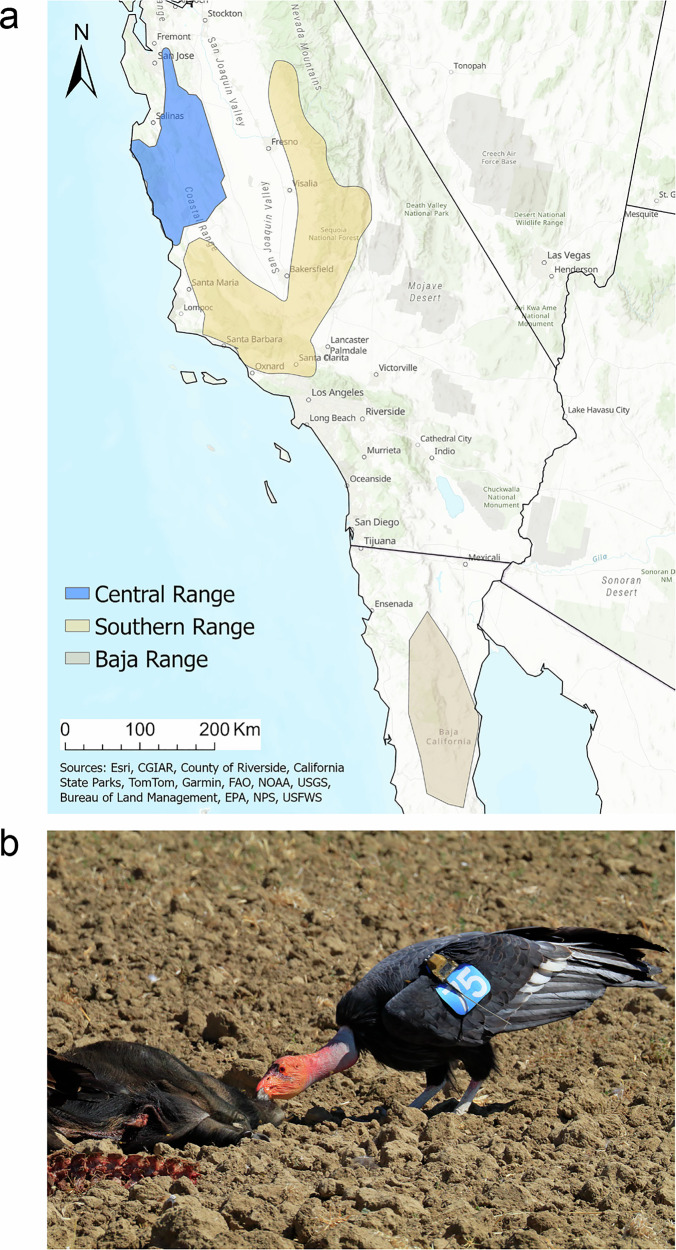 Figure 1
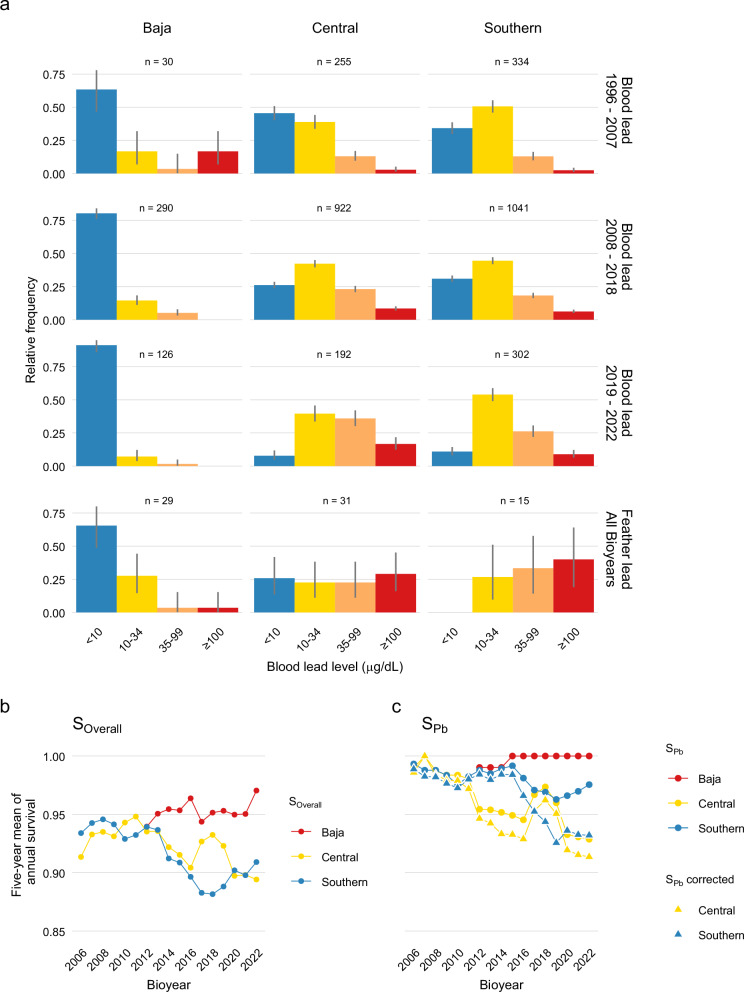 Figure 2
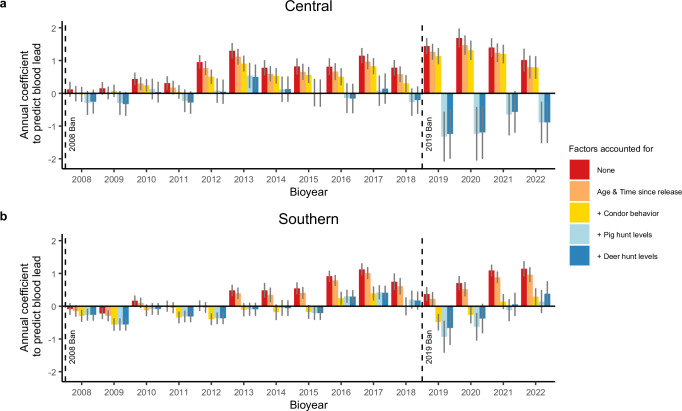 Figure 3
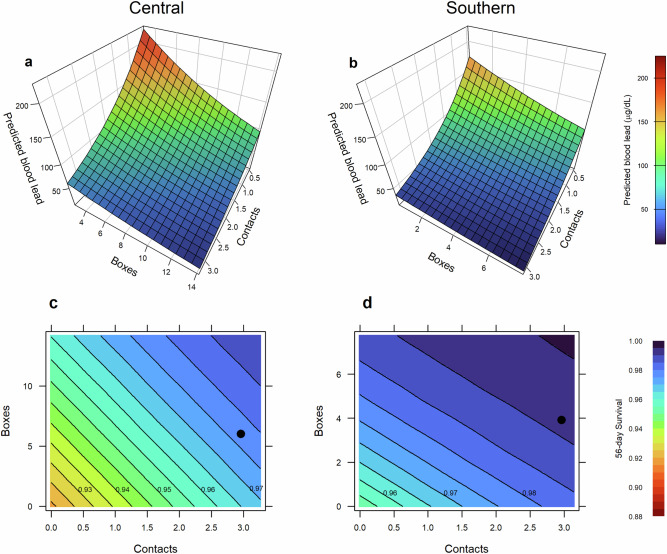 Figure 4
Peer Reviews
No public reviews on file for this paper yet. If you reviewed it on a platform where reviews are public (OpenReview, ICLR, NeurIPS, ICML), you can paste yours below so the community can read it here.
Videos
No videos yet. Explain this paper in a talk, walkthrough, or lecture? Add one.
Taxonomy
TopicsMercury impact and mitigation studies · Wildlife Conservation and Criminology Analyses · Environmental Toxicology and Ecotoxicology