Shape-transitions of a morphing illusory contour can be decoded during multiple-object tracking from the ongoing EEG
Christian Merkel, Matthias Merkel, Jens-Max Hopf, Mircea Ariel Schoenfeld

TL;DR
The study shows that the brain tracks moving objects by maintaining an abstract shape, and changes in this shape can be detected from brain activity.
Contribution
The novel finding is that topological transitions of an illusory polygon during tracking can be decoded from ongoing EEG signals.
Findings
Topological transitions of a morphing illusory polygon can be decoded from EEG signals.
The brain represents qualitative shape changes during multiple-object tracking.
Abstract configuration changes are reflected in ongoing EEG activity.
Abstract
The human visual system continuously extracts a wealth of dynamic information from the incoming retinal signal. One important task is the simultaneous tracking of multiple items that are moving within the visual environment. Past work has proposed that such multiple-object tracking relies on attentional resources that are location-based, i.e. resources are respectively associated with the individual items spatial positions. However, another possibility is that attentional resources are object-based, i.e. allocated to the combination of all items as an abstract shape configuration. Indeed, recent data suggests that during multiple-object tracking, the visual system continuously maintains a configuration represented by an illusory polygon formed by the shortest closed path connecting all tracked items. Here, we test this hypothesis by comparing signatures in the electroencephalographic…
Genes, proteins, chemicals, diseases, species, mutations and cell lines named across the full text — each resolved to its canonical identifier and authoritative record.
Click any figure to enlarge with its caption.
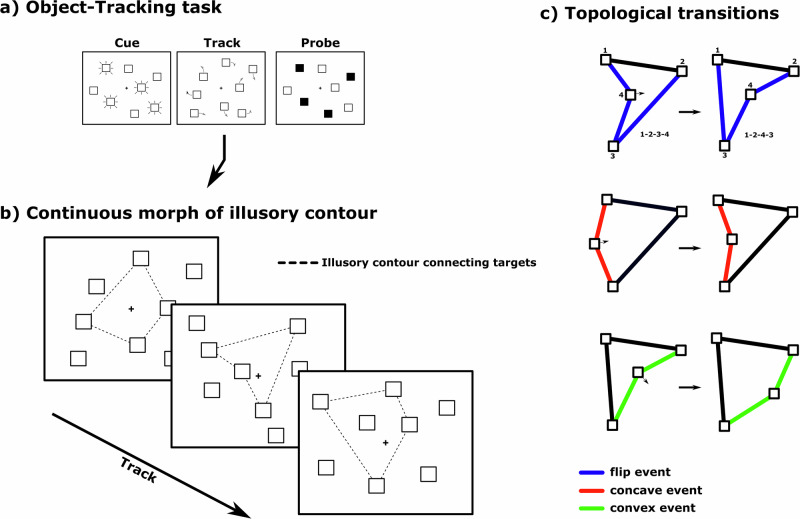 Figure 1
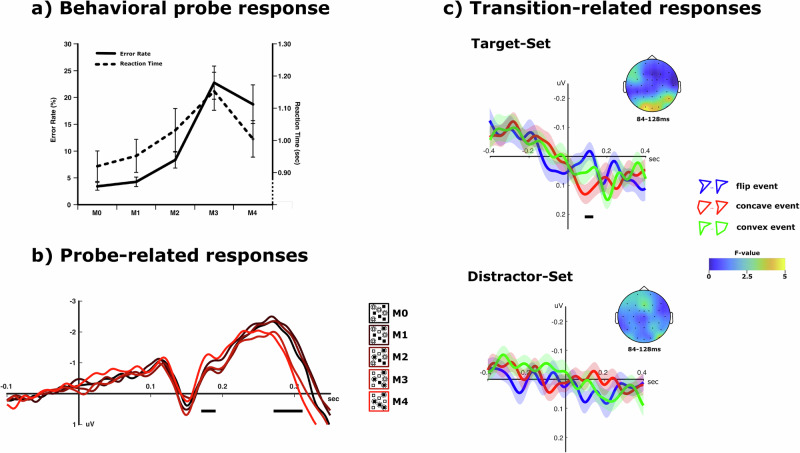 Figure 2
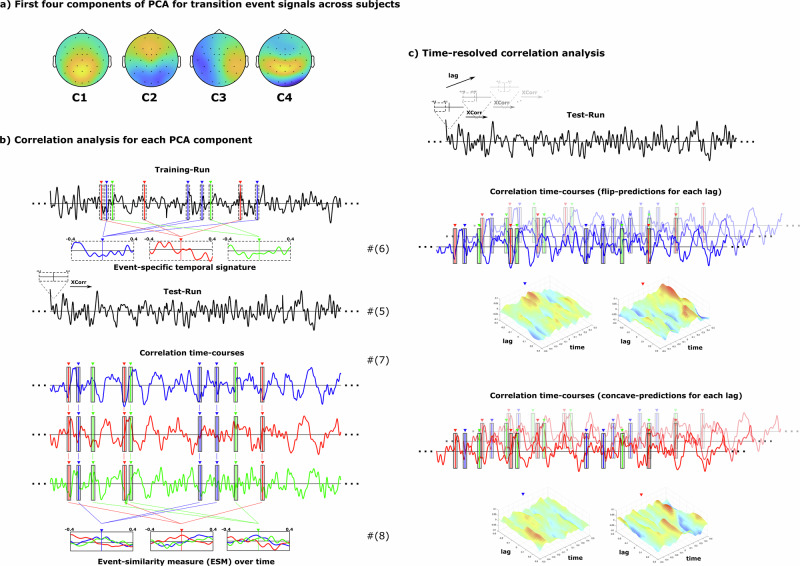 Figure 3
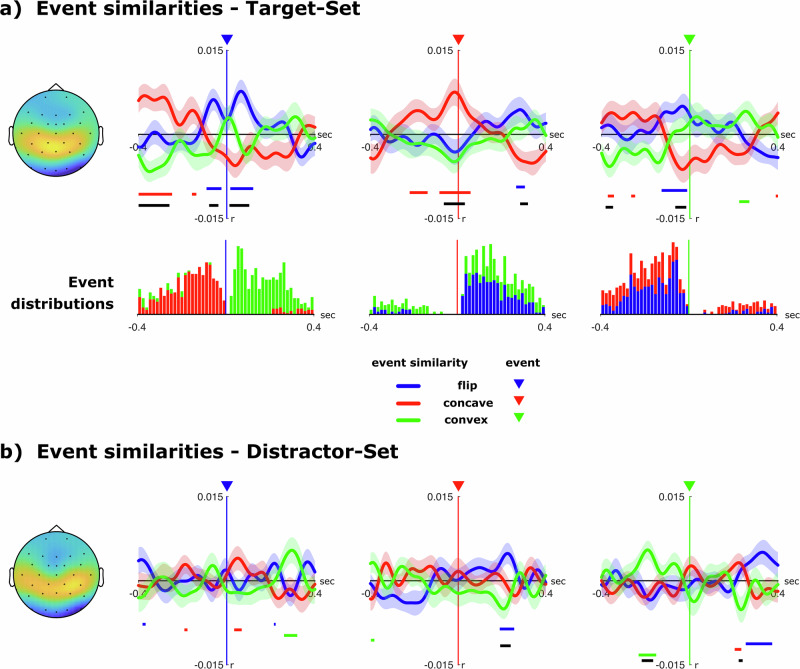 Figure 4
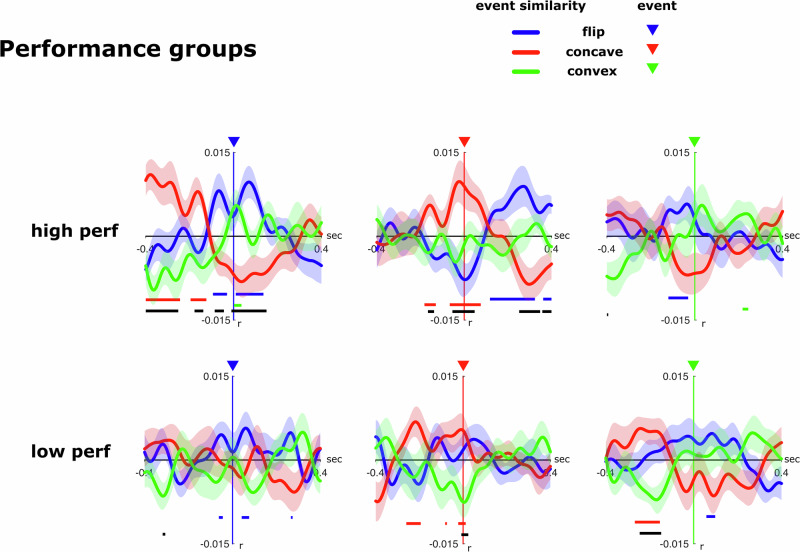 Figure 5
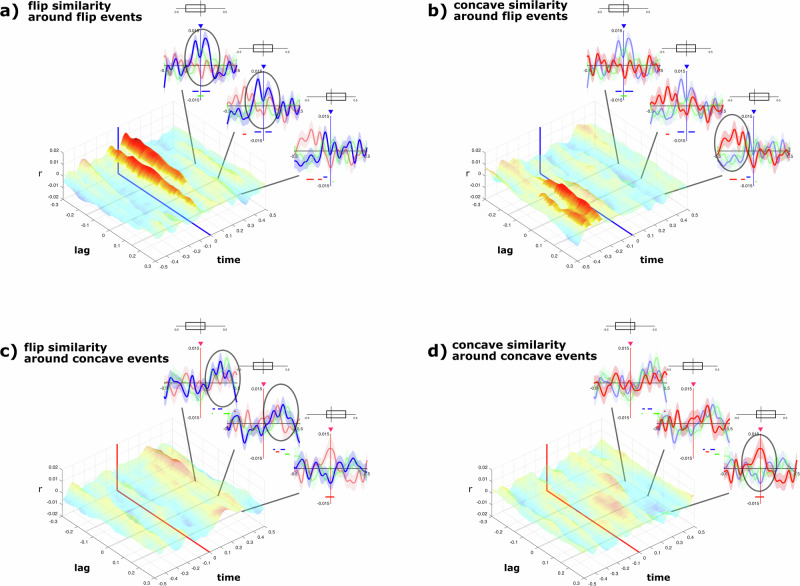 Figure 6
Peer Reviews
No public reviews on file for this paper yet. If you reviewed it on a platform where reviews are public (OpenReview, ICLR, NeurIPS, ICML), you can paste yours below so the community can read it here.
Videos
No videos yet. Explain this paper in a talk, walkthrough, or lecture? Add one.
Taxonomy
TopicsGaze Tracking and Assistive Technology · Visual Attention and Saliency Detection · Visual perception and processing mechanisms