Clinical utility of 140-degree scan angle wide-view ultrasound for comprehensive liver and spleen imaging
Seung-seob Kim, Jong Keon Jang, Dong Ho Lee

TL;DR
A 140-degree wide-view ultrasound improves liver and spleen imaging compared to standard scans, offering better visualization and accuracy.
Contribution
Demonstrates that wide-view ultrasound with a 140° scan angle enhances liver and spleen imaging in clinical practice.
Findings
Wide-view US achieved higher visualization scores (VIS-A) for liver imaging compared to routine-view US.
Wide-view US showed better coverage of liver segments and clearer visualization of the right diaphragm.
Spleen size measurements with wide-view US correlated more closely with CT/MR results than routine-view US.
Abstract
Abdominal ultrasound (US) is widely used but often limited by restricted field of view. This study aimed to evaluate hepatic and splenic visualization using wide-view US with a 140° scan angle compared with the routine-view technique in patients undergoing abdominal US. In this retrospective study, 258 patients who underwent scheduled abdominal US were included. Each patient received two scans, routine view (70°) and wide view (140°), performed by two experienced radiologists. Two readers independently assigned LI-RADS visualization scores (VIS-A, no or minimal limitations; VIS-B, moderate limitations; and VIS-C, severe limitations) and assessed whether the left lateral segment tip, segment VI tip, and right diaphragm were clearly visualized. Spleen length was measured on both US scans and, when available, on CT or MR images obtained within one year. Proportions were compared using the…
Genes, proteins, chemicals, diseases, species, mutations and cell lines named across the full text — each resolved to its canonical identifier and authoritative record.
Click any figure to enlarge with its caption.
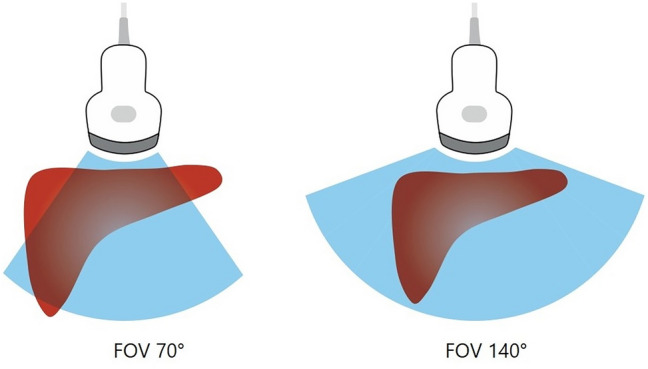 Figure 1
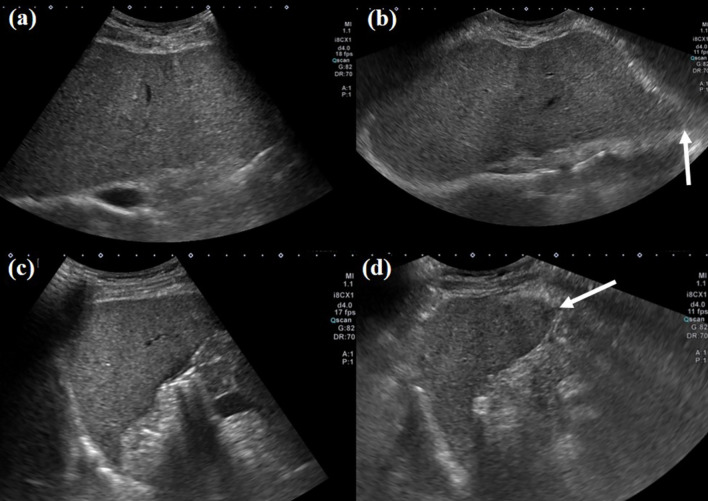 Figure 2
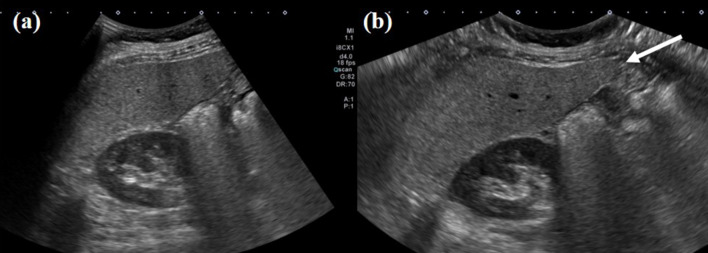 Figure 3
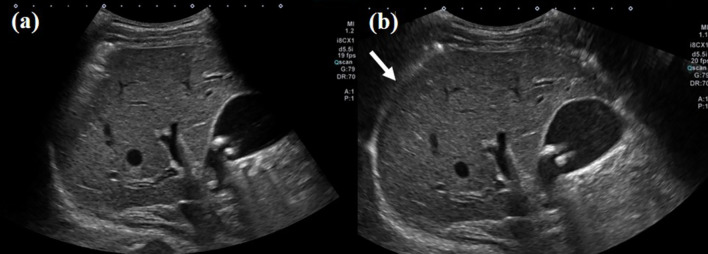 Figure 4
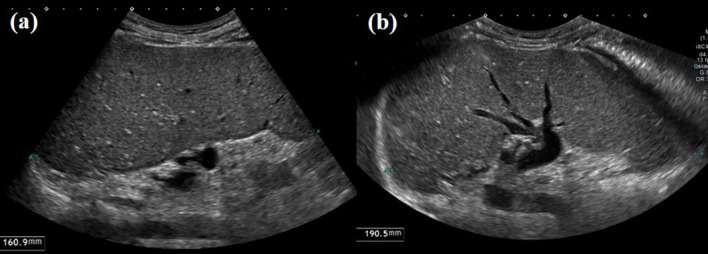 Figure 5
Peer Reviews
No public reviews on file for this paper yet. If you reviewed it on a platform where reviews are public (OpenReview, ICLR, NeurIPS, ICML), you can paste yours below so the community can read it here.
Videos
No videos yet. Explain this paper in a talk, walkthrough, or lecture? Add one.
Taxonomy
TopicsAbdominal Trauma and Injuries · Ultrasound in Clinical Applications · Hepatocellular Carcinoma Treatment and Prognosis