Endothelial TRIM47 regulates blood-brain barrier integrity and cognition via the KEAP1/NRF2 signalling pathway in mice
Valentin Delobel, Camille Grenier, Romain Boulestreau, Sébastien Rubin, Juliette Vaurs, Béatrice Jaspard-Vinassa, Elina Casas, Muriel Busson, Cloé Combrouze, Carole Proust, Ilana Caro, Jean-Luc Morel, Bruno Bontempi, Aniket Mishra, Stéphanie Debette, Cécile Duplàa

TL;DR
This study shows that TRIM47 in brain blood vessels helps protect the brain from damage and cognitive decline by controlling oxidative stress through the KEAP1/NRF2 pathway.
Contribution
The study reveals a novel role of endothelial TRIM47 in regulating BBB integrity and cognition via the KEAP1/NRF2 pathway in mice.
Findings
Trim47-deficient mice show cognitive impairments and increased BBB permeability.
TRIM47 stabilizes NRF2 protein levels by binding to KEAP1, reducing oxidative stress in brain endothelial cells.
Activating NRF2 prevents BBB and cognitive defects in Trim47-mutant mice.
Abstract
Cerebral small vessel disease (cSVD) is a leading cause of stroke, cognitive decline and dementia, for which no specific mechanism-based treatments are currently available. Previous genomic studies identified associations of common variants at chr17q25 with cSVD features, with converging evidence for a causal involvement of TRIM47, an ubiquitin ligase enriched in brain endothelial cells (ECs). In the present study, we devised a multilayered experimental plan to decipher the biological mechanisms underlying TRIM47’s role in cSVD pathophysiology. Trim47-deficient mice, which model the human genetic anomaly, exhibit major cognitive impairments, increased blood-brain barrier (BBB) permeability, and astrogliosis, without neuroinflammation. Inducible deletion of Trim47 in ECs recapitulates these phenotypes highlighting the contribution of endothelial TRIM47 in maintaining brain homeostasis.…
Genes, proteins, chemicals, diseases, species, mutations and cell lines named across the full text — each resolved to its canonical identifier and authoritative record.
Click any figure to enlarge with its caption.
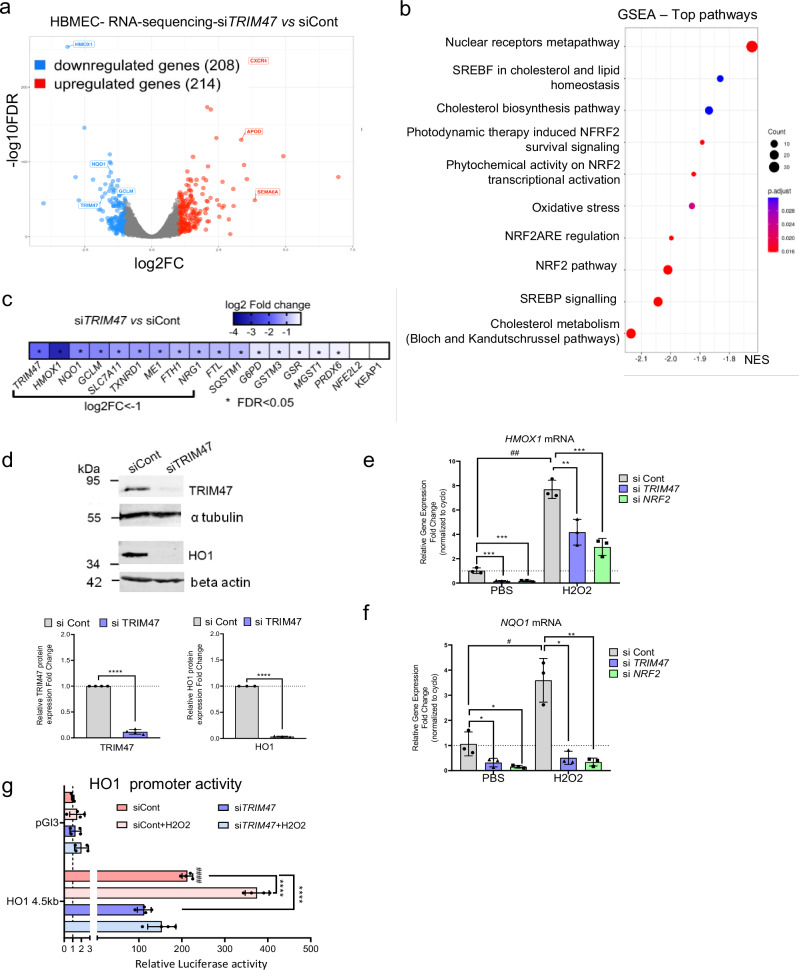 Figure 1
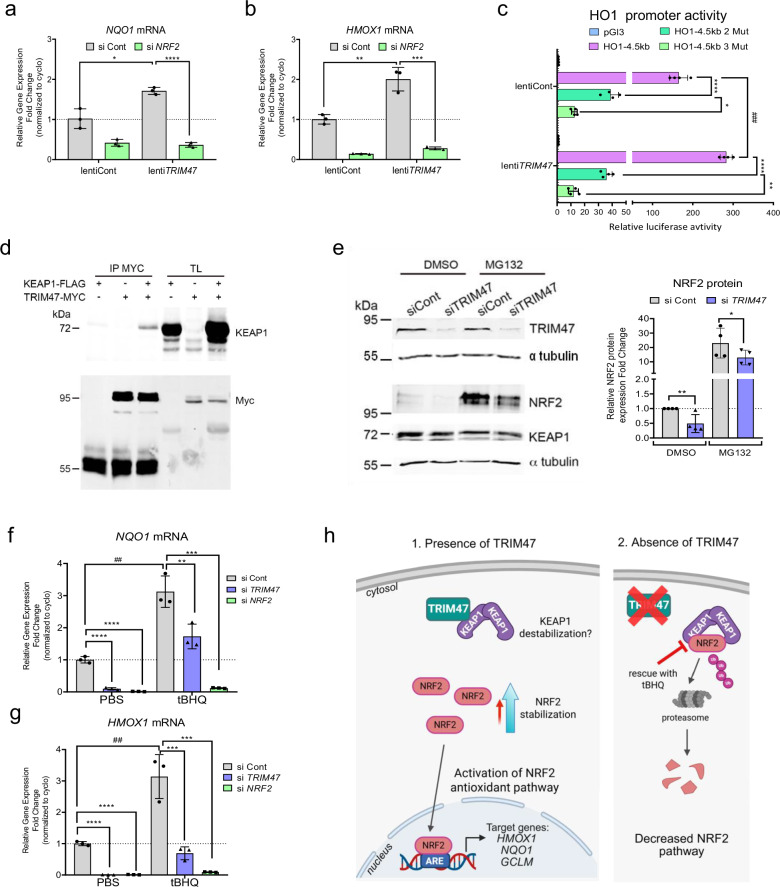 Figure 2
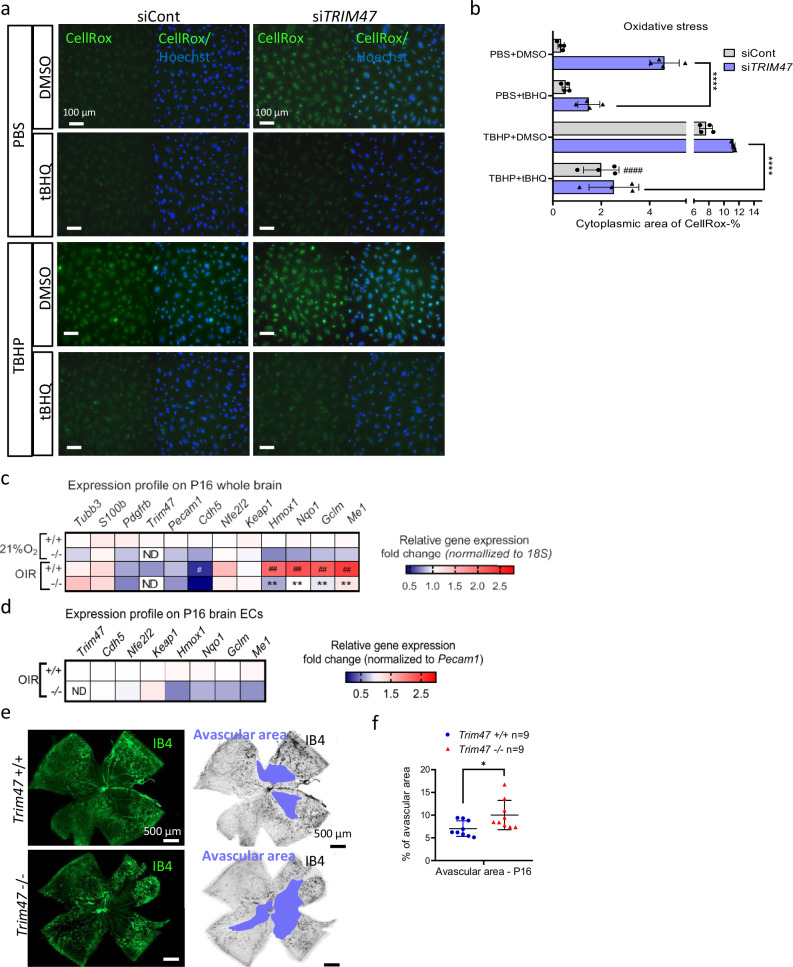 Figure 3
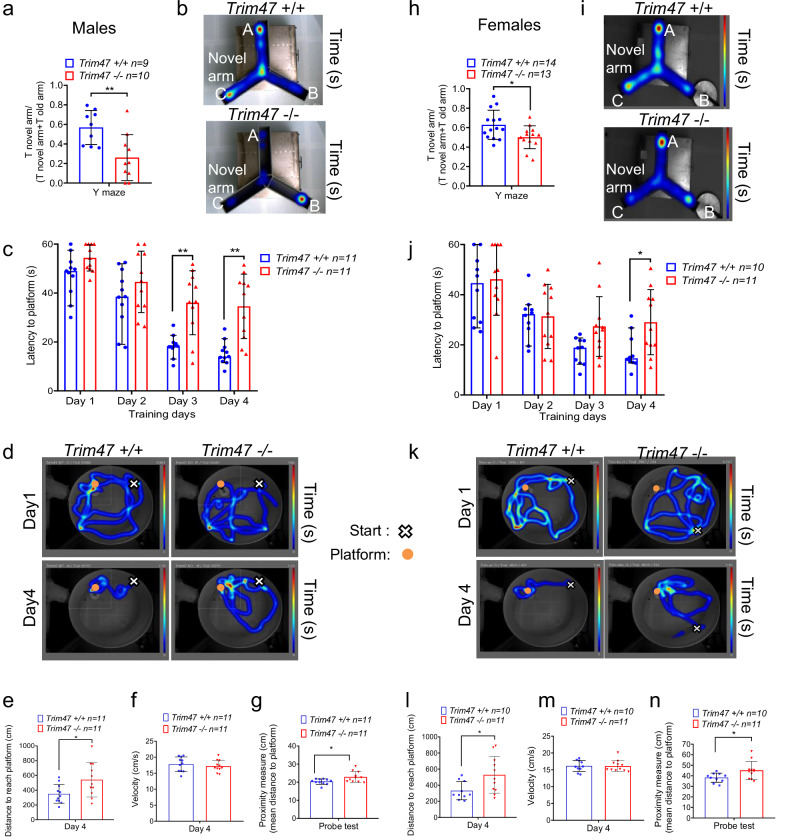 Figure 4
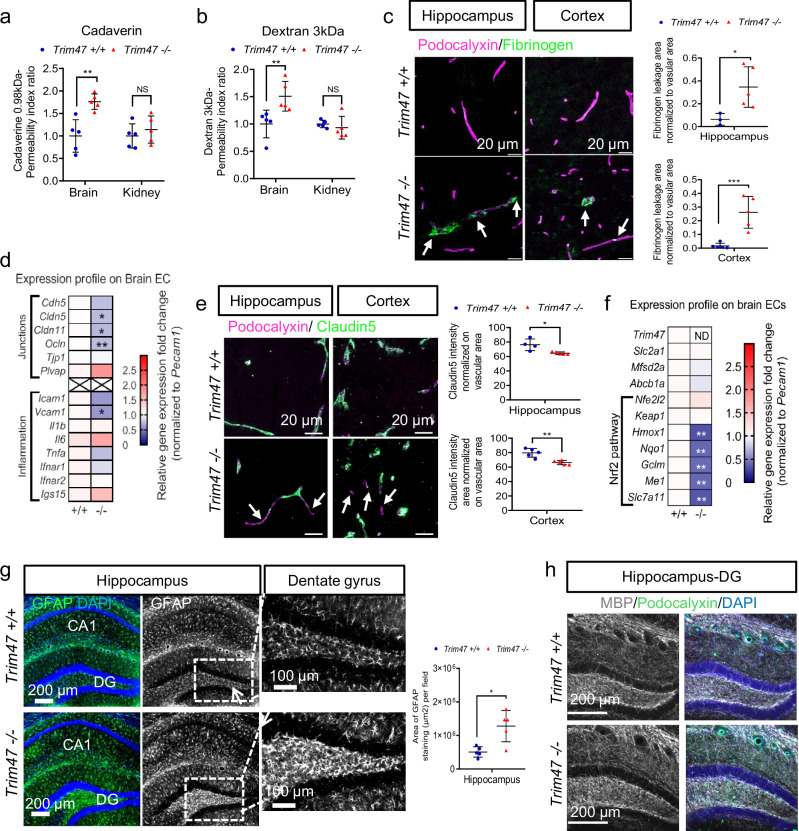 Figure 5
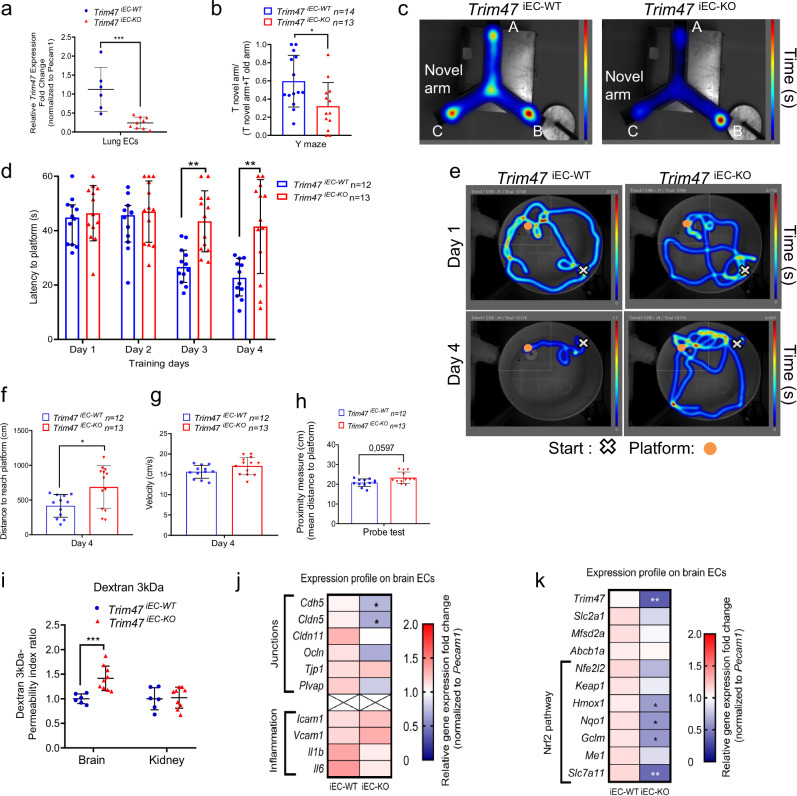 Figure 6
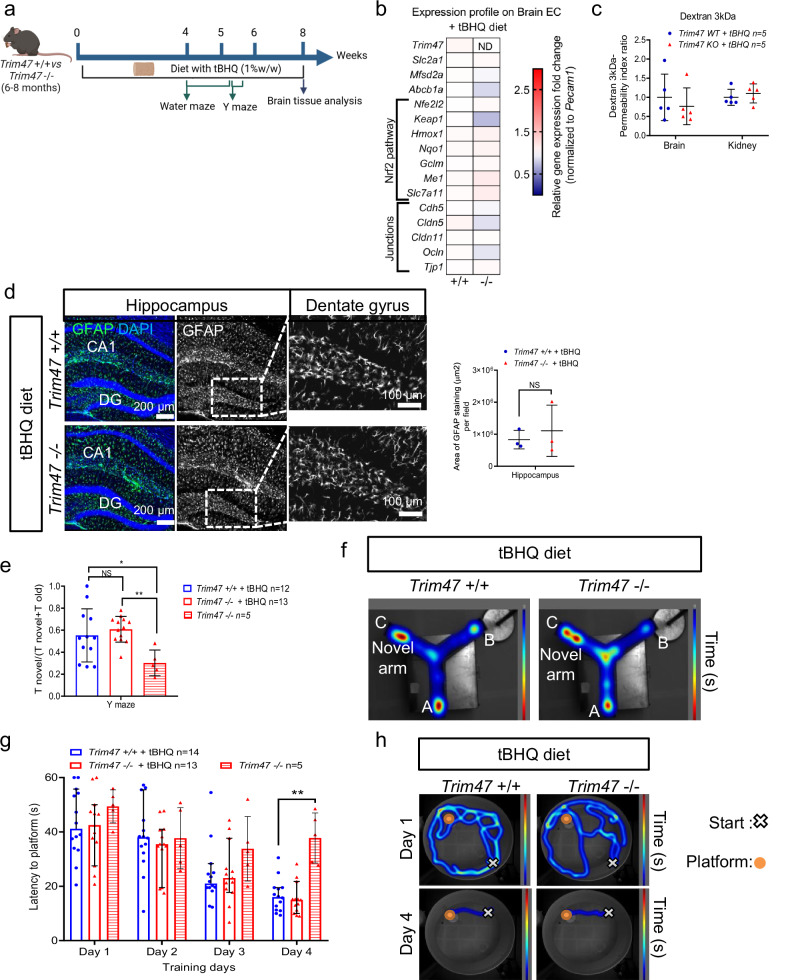 Figure 7
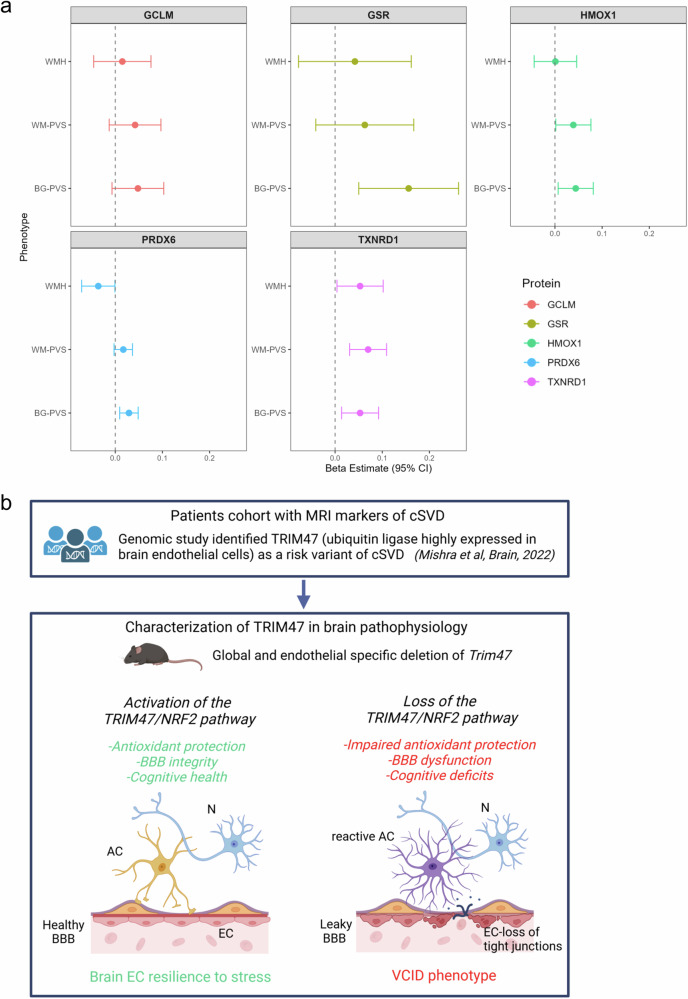 Figure 8
Peer Reviews
No public reviews on file for this paper yet. If you reviewed it on a platform where reviews are public (OpenReview, ICLR, NeurIPS, ICML), you can paste yours below so the community can read it here.
Videos
No videos yet. Explain this paper in a talk, walkthrough, or lecture? Add one.
Taxonomy
Topicsinterferon and immune responses · Neuroinflammation and Neurodegeneration Mechanisms · Endoplasmic Reticulum Stress and Disease