FK506-binding protein-5 in high-fat diet-induced metabolic dysfunction-associated steatotic liver disease
Li-Ling Wu, Yu-Jen Liao, Wei-Hao Peng, Luen-Kui Chen, Yi-Chen Huang, Chia-Yen Chen, Chi-Chang Juan

TL;DR
This study shows that the protein FKBP5 plays a key role in protecting against fatty liver disease caused by a high-fat diet by maintaining gut health and immune balance.
Contribution
The study is the first to directly link FKBP5 to high-fat diet-induced fatty liver disease and gut microbiota homeostasis.
Findings
FKBP5-deficient mice showed reduced hepatic steatosis and inflammation despite a high-fat diet.
FKKO mice had higher butyric acid levels and a gut microbiota resistant to diet-induced obesity.
FKBP5 supports gut-liver immunity and gut barrier integrity in metabolic dysfunction-associated steatotic liver disease.
Abstract
A high-fat diet (HFD) alters the gut microbiota (GM), impairs metabolic efficiency, and increases gut permeability and inflammation. Obesity and insulin resistance are associated with GM dysbiosis. The GM is strongly associated with metabolic disorders and fatty liver disease. The co-chaperone protein FK506-binding protein-5 (FKBP5) regulates several vital cellular processes. Although FKBP5 has been implicated in stress-related disorders, it has not been directly linked to HFD-induced metabolic fatty liver disease. This study aimed to elucidate how FK506 binding protein 5 impairment affects the GM in HFD-induced metabolic dysfunction–associated fatty liver disease and metabolic dysfunction-associated steatotic liver disease (MASLD). Wild-type and FKBP5-knockout (FKKO) mice were fed a normal chow diet or a high-fat diet for 16 weeks. Mouse GM was examined using 16 S rRNA metagenomic…
Genes, proteins, chemicals, diseases, species, mutations and cell lines named across the full text — each resolved to its canonical identifier and authoritative record.
Click any figure to enlarge with its caption.
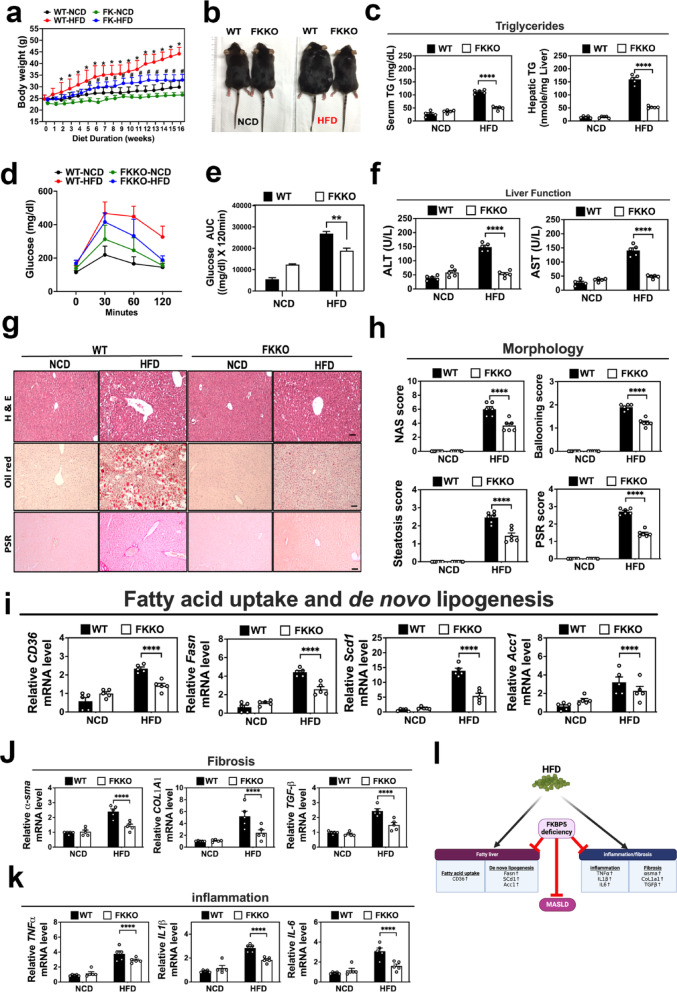 Figure 1
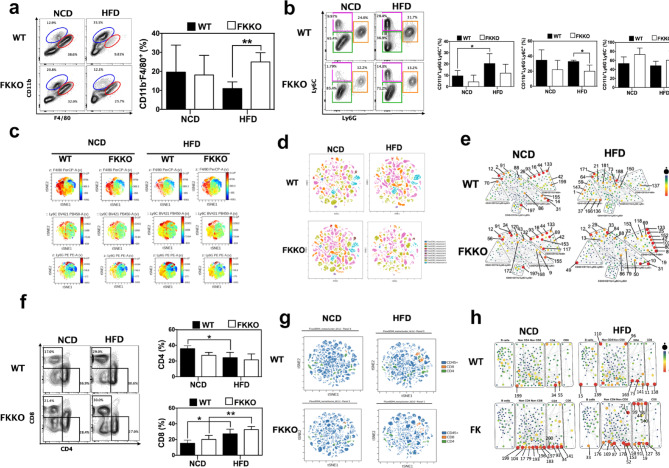 Figure 2
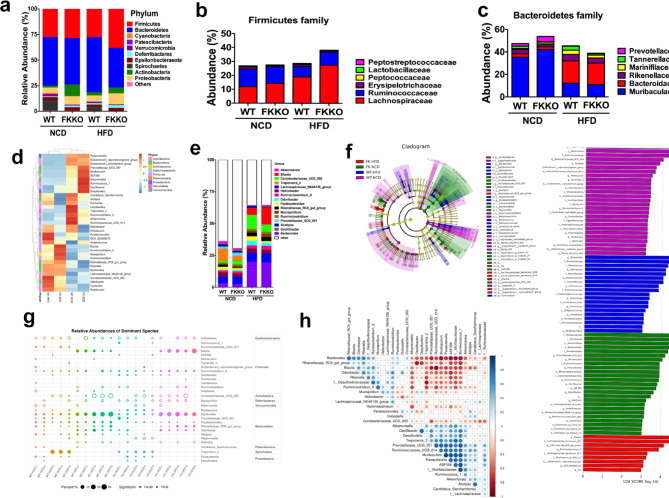 Figure 3
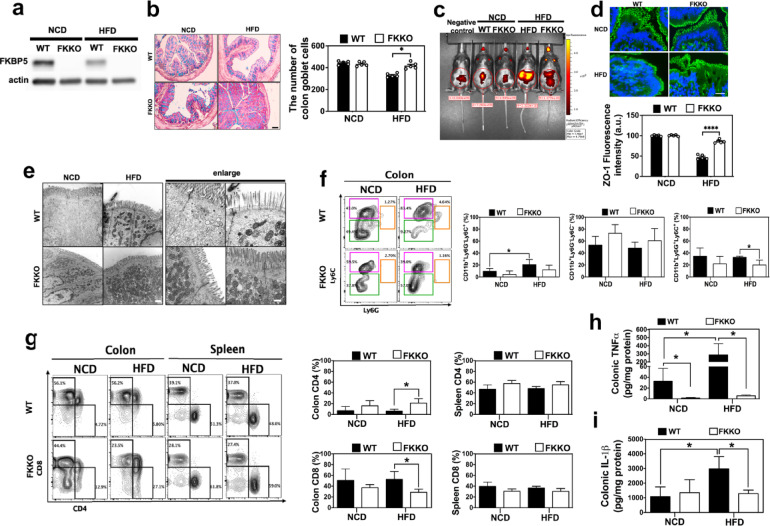 Figure 4
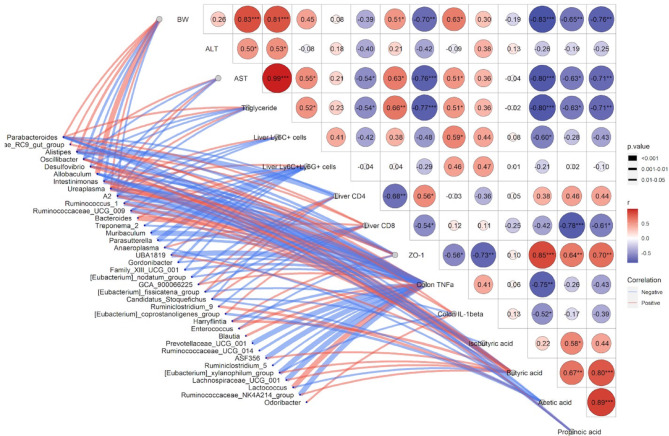 Figure 5
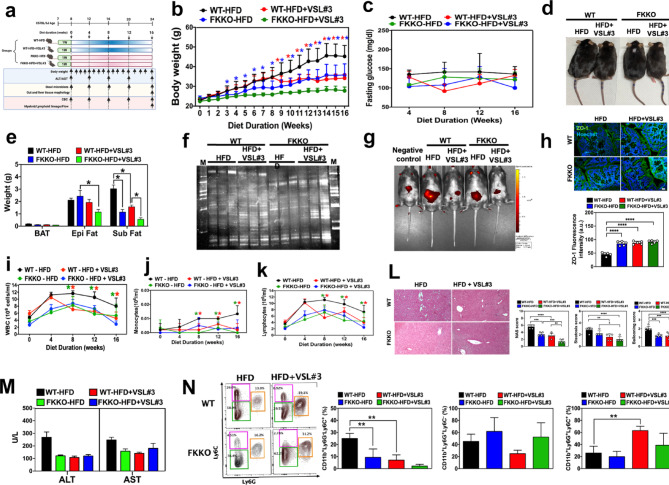 Figure 6
Peer Reviews
No public reviews on file for this paper yet. If you reviewed it on a platform where reviews are public (OpenReview, ICLR, NeurIPS, ICML), you can paste yours below so the community can read it here.
Videos
No videos yet. Explain this paper in a talk, walkthrough, or lecture? Add one.
Taxonomy
TopicsLiver Disease Diagnosis and Treatment · Heat shock proteins research · Signaling Pathways in Disease