Vicarious learned helplessness: a translationally relevant novel model of stress contagion elucidating sex-dependent prefrontal cortex pathology
Shashikant Patel, Roli Kushwaha, Debiprasad Sinha, Kalyani Soren, Arvind Kumar, Sumana Chakravarty

TL;DR
This study introduces a new mouse model showing how witnessing others' stress can lead to depression-like symptoms, with different brain changes in males and females.
Contribution
A novel rodent model of vicarious stress reveals sex-specific molecular and physiological changes in depression-like behavior.
Findings
Vicarious stress induces depression-like symptoms in both sexes, comparable to direct trauma.
Shared molecular changes include reduced mGluR2 and elevated Il6 in the prefrontal cortex.
Sex-specific differences include male neurotrophic deficits and female social bonding impairments.
Abstract
Vicarious trauma, the psychological distress from witnessing others’ suffering, is an increasingly recognized precursor to depression and anxiety. However, the underlying neurobiological mechanisms remain poorly understood and appear to be sex-dependent. This study investigated the behavioral, physiological, and molecular consequences of purely psychological stress using a novel rodent model of vicarious learned helplessness (VLH). Male and female C57BL/6J mice were used to establish VLH paradigm. Observer mice witnessed conspecifics receiving inescapable foot shocks through a partitioned chamber allowing multisensory interaction. Following 7 days of conditioning, behavioral assays assessed anxiety and depressive symptoms. Prefrontal cortex tissue was analyzed using RT-qPCR and immunoblotting to identify molecular alterations. Vicarious stress induced depression phenotype in both…
Genes, proteins, chemicals, diseases, species, mutations and cell lines named across the full text — each resolved to its canonical identifier and authoritative record.
Click any figure to enlarge with its caption.
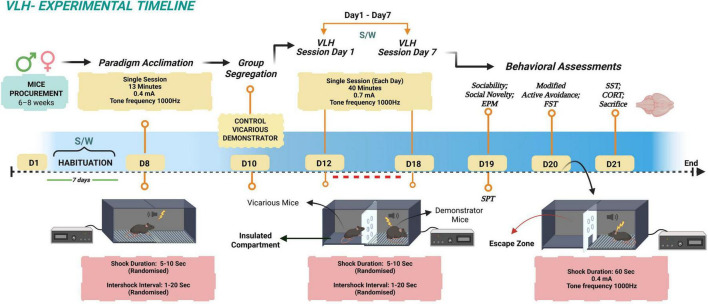 Figure 1
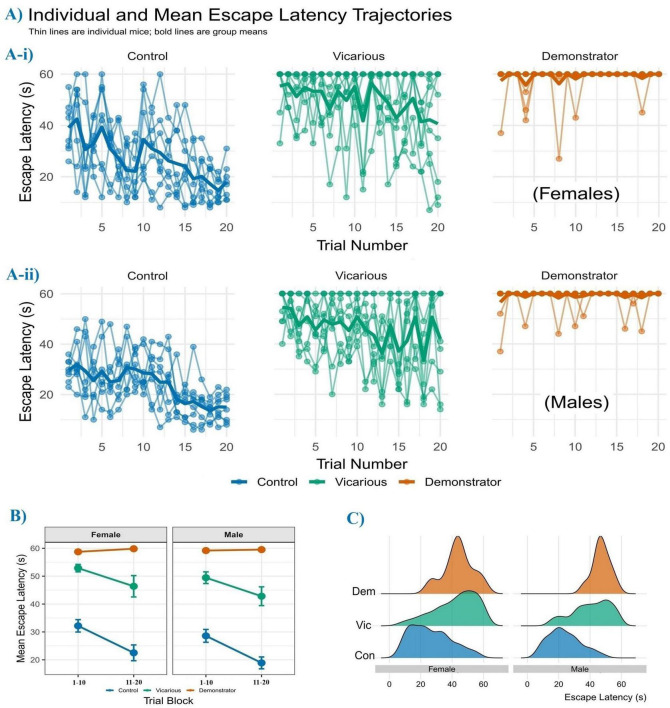 Figure 2
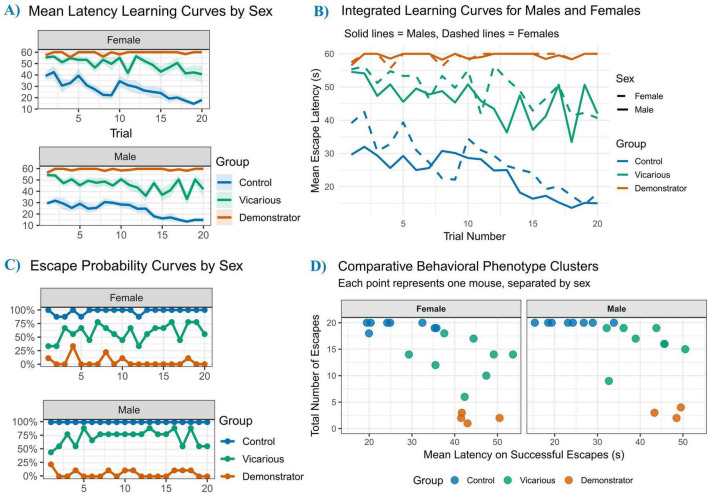 Figure 3
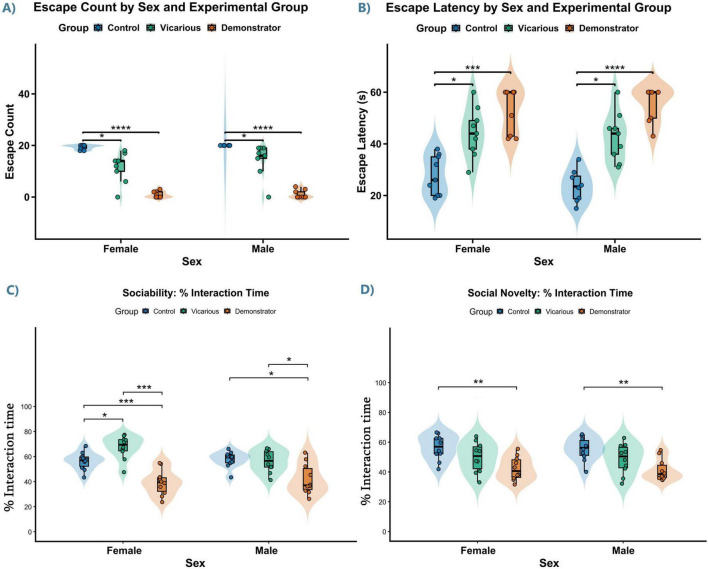 Figure 4
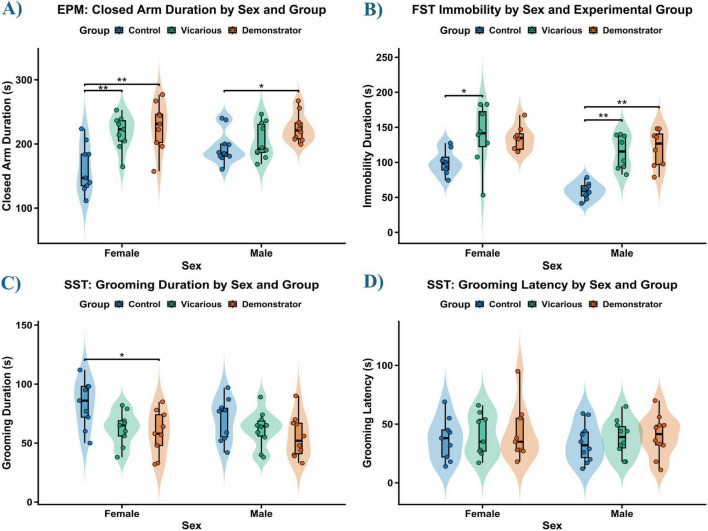 Figure 5
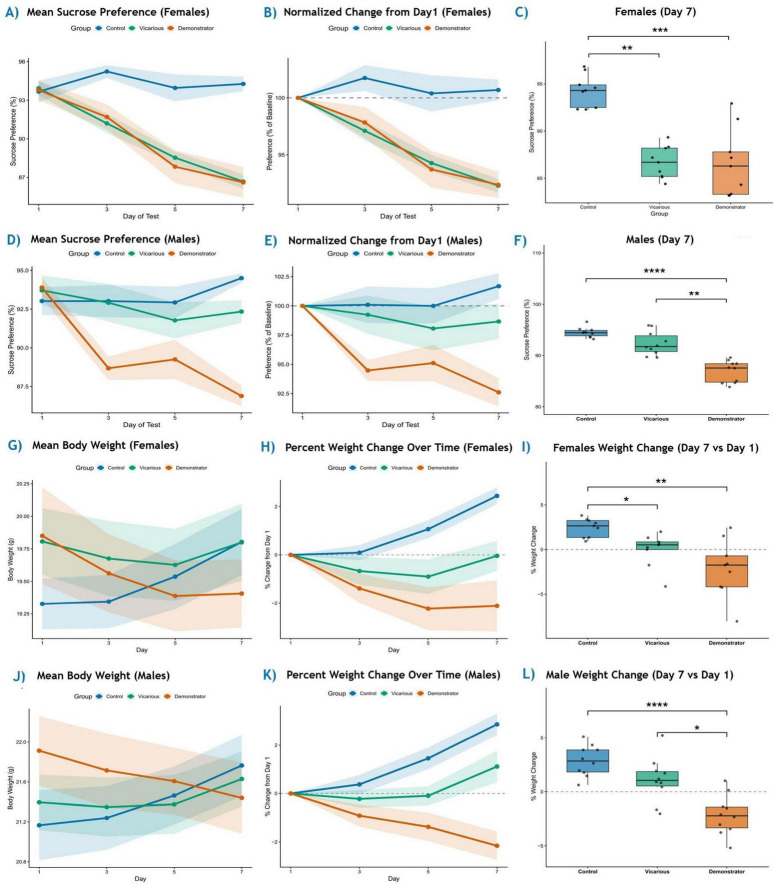 Figure 6
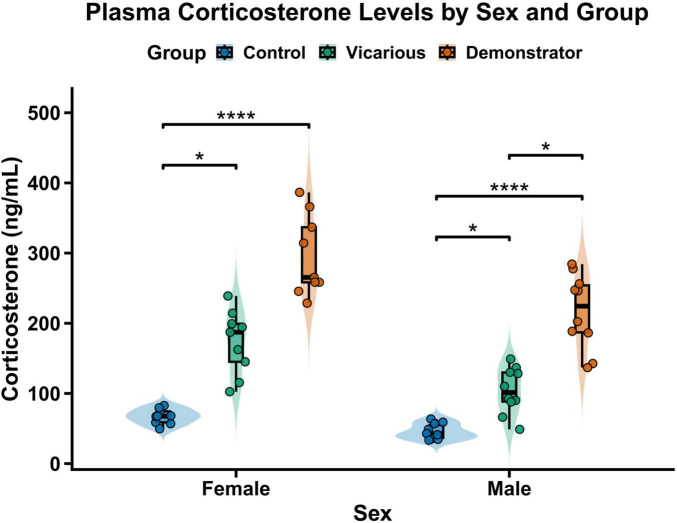 Figure 7
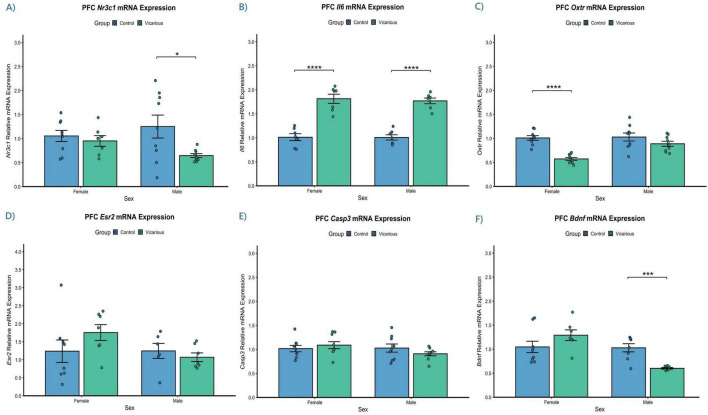 Figure 8
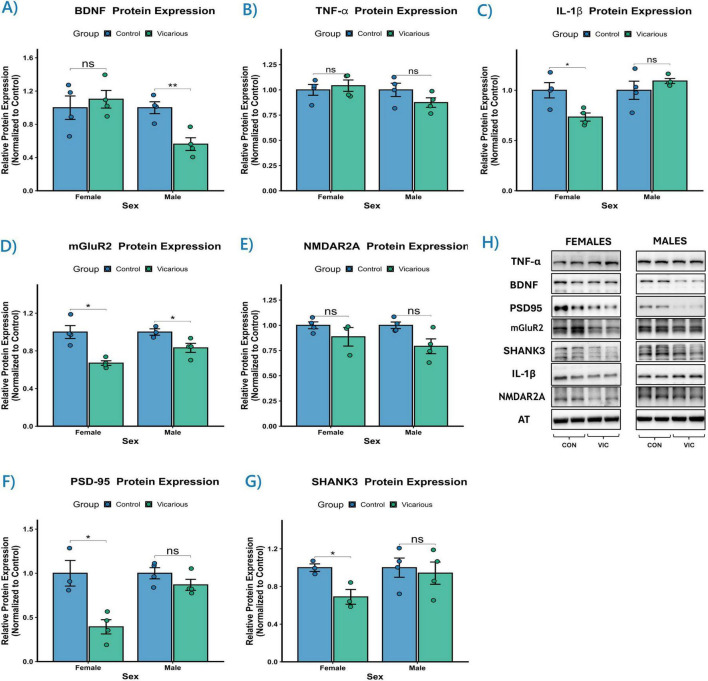 Figure 9
Peer Reviews
No public reviews on file for this paper yet. If you reviewed it on a platform where reviews are public (OpenReview, ICLR, NeurIPS, ICML), you can paste yours below so the community can read it here.
Videos
No videos yet. Explain this paper in a talk, walkthrough, or lecture? Add one.
Taxonomy
TopicsStress Responses and Cortisol · Memory and Neural Mechanisms · Tryptophan and brain disorders