Diagnosis of SLAP lesions on shoulder MRI using a 2.5D deep learning and ensemble learning framework
Hongyu Wang, Qingyun Xue, Lei Shi, Fei Wang, Guanghan Gao, Lin Wang

TL;DR
This paper presents an AI model that helps diagnose SLAP shoulder injuries using MRI scans, combining deep learning and ensemble methods to improve accuracy.
Contribution
A novel 2.5D deep learning and ensemble learning framework for automated SLAP lesion diagnosis on shoulder MRI is introduced.
Findings
The XGBoost model achieved the highest AUC (0.754) and sensitivity (0.933) for SLAP lesion detection.
The central MRI slice was identified as the most contributory feature for diagnosis.
The model's focus on the biceps-labral complex aligns with known SLAP pathology anatomy.
Abstract
Superior labrum anterior and posterior (SLAP) lesions are a common cause of shoulder pain and instability. Developing accurate, non-invasive diagnostic tools is essential to support clinical decision-making for SLAP lesions. This study aimed to establish an automated diagnostic model for SLAP lesions using a 2.5D deep learning framework combined with ensemble learning and to evaluate its clinical utility. In this retrospective study, 185 patients who underwent shoulder arthroscopy between January 2019 and September 2025 were included (91 SLAP lesions, 94 controls). Preoperative shoulder magnetic resonance imaging (MRI) data were analysed. Images from three consecutive slices, centred on the maximal region of interest (ROI), were processed using a Wide_ResNet101_2 network pre-trained on ImageNet for deep feature extraction and probability prediction. A decision-level fusion strategy…
Genes, proteins, chemicals, diseases, species, mutations and cell lines named across the full text — each resolved to its canonical identifier and authoritative record.
Click any figure to enlarge with its caption.
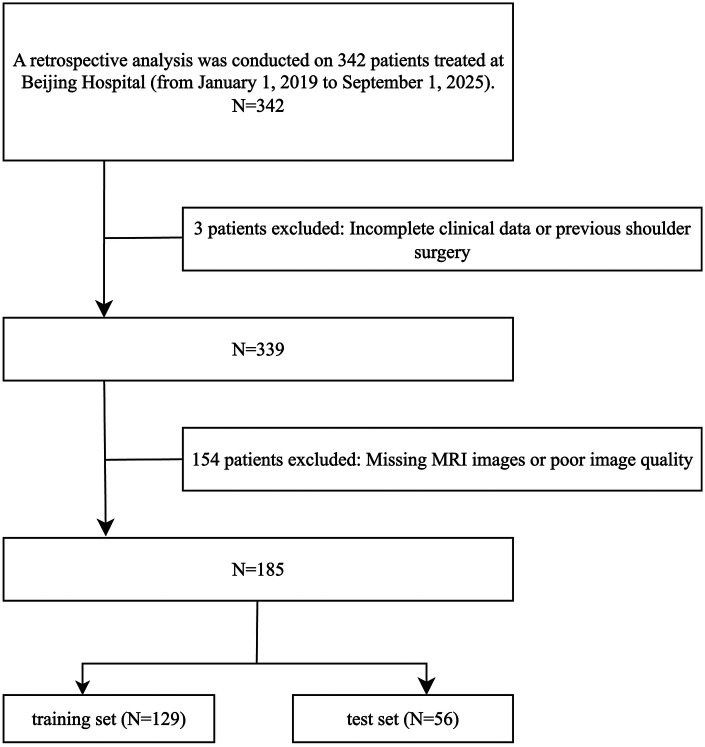 Figure 1
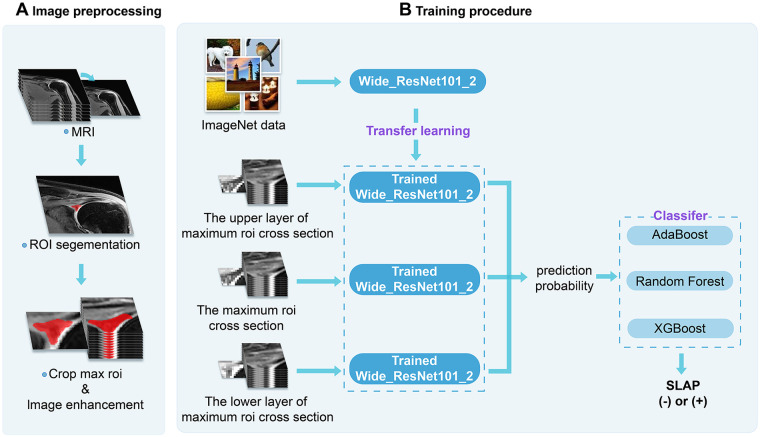 Figure 2
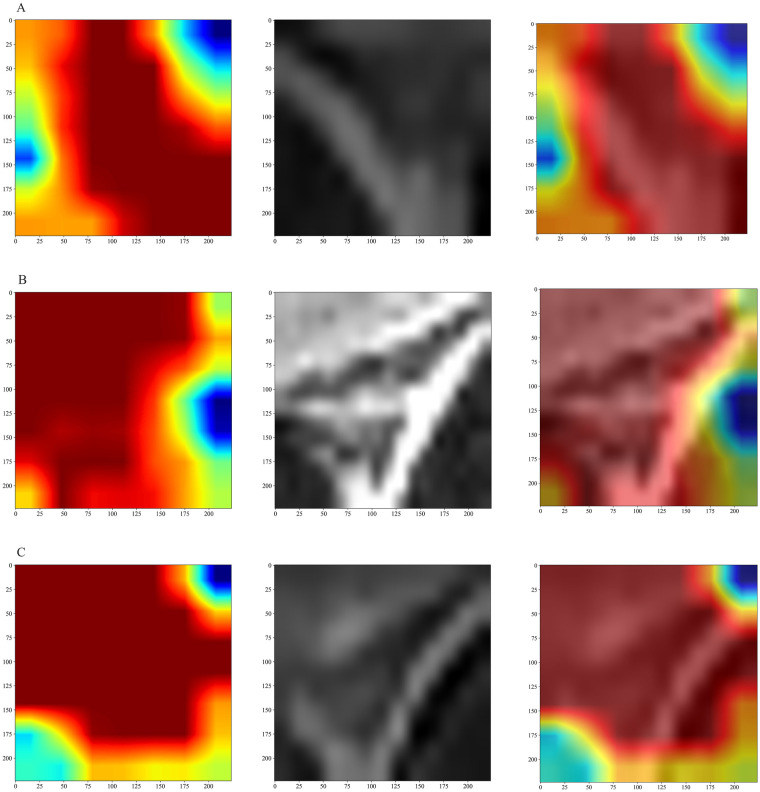 Figure 3
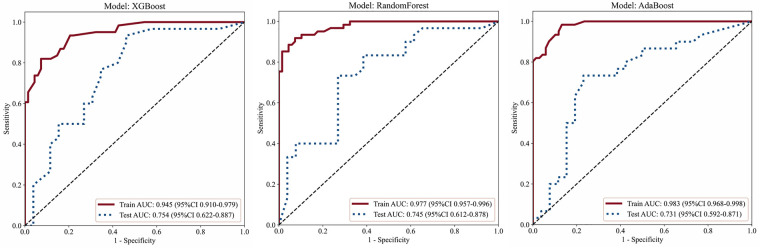 Figure 4
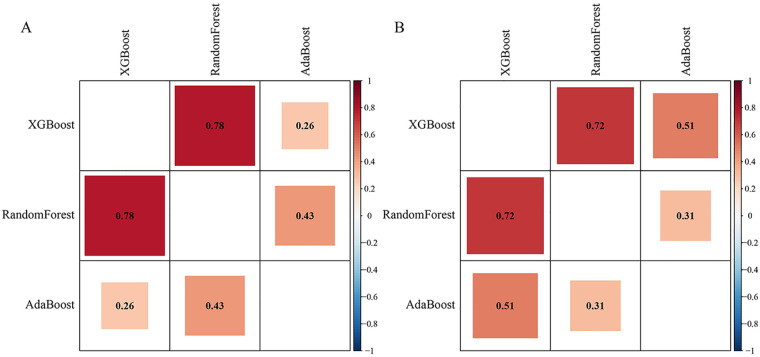 Figure 5
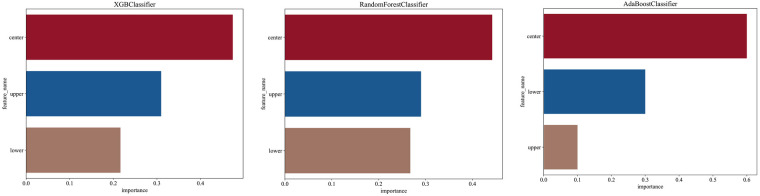 Figure 6
Peer Reviews
No public reviews on file for this paper yet. If you reviewed it on a platform where reviews are public (OpenReview, ICLR, NeurIPS, ICML), you can paste yours below so the community can read it here.
Videos
No videos yet. Explain this paper in a talk, walkthrough, or lecture? Add one.
Taxonomy
TopicsShoulder Injury and Treatment · Hip disorders and treatments · Surgical Simulation and Training