Parent-child discrepancies in reports of pre- and early adolescent level of personality functioning
Kiran Boone, Jessica LaRocca, Kennedy M. Balzen, Carla Sharp, Dara E. Babinski

TL;DR
This study explores how parents and children differ in reporting personality functioning in pre- and early adolescents, and how these differences relate to clinical outcomes like self-injury and caregiver strain.
Contribution
The study introduces a novel approach to examining parent-child discrepancies in personality functioning during adolescence using dimensional assessments and latent profile analysis.
Findings
Parent-child concordance on high impairment in personality functioning was most strongly linked to negative outcomes.
Divergent profiles showed stronger associations with outcomes reported by the informant who endorsed higher impairment.
Multi-informant assessments may improve clinical predictions in early adolescence.
Abstract
Given the research consensus that personality disorder often onsets in adolescence, more work is needed to investigate parent-child discrepancies in reporting on personality disorder, particularly during the pre- and early adolescent period when more significant impairment in personality functioning may be developing or can already be observed. The current study examined concordance of parent- and child-reported level of personality functioning (LPF, as defined in the DSM-5 Alternative Model of Personality Disorders) among pre- and early adolescents and examined the extent to which this concordance was associated with clinically relevant outcomes. Participants included N = 432 children between the ages of 10 and 15 years from three samples oversampled for psychopathology symptoms and their parents. Children and their parents reported on child impairment in personality functioning with…
Genes, proteins, chemicals, diseases, species, mutations and cell lines named across the full text — each resolved to its canonical identifier and authoritative record.
Click any figure to enlarge with its caption.
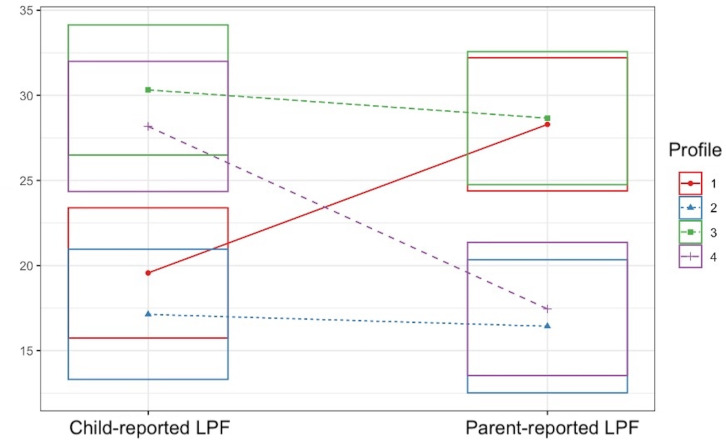 Figure 1
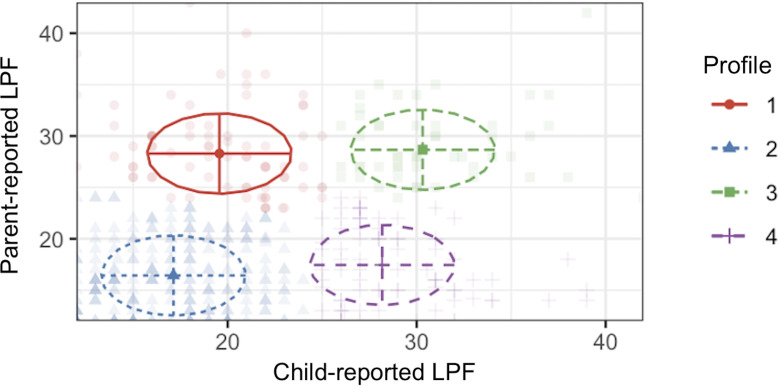 Figure 2
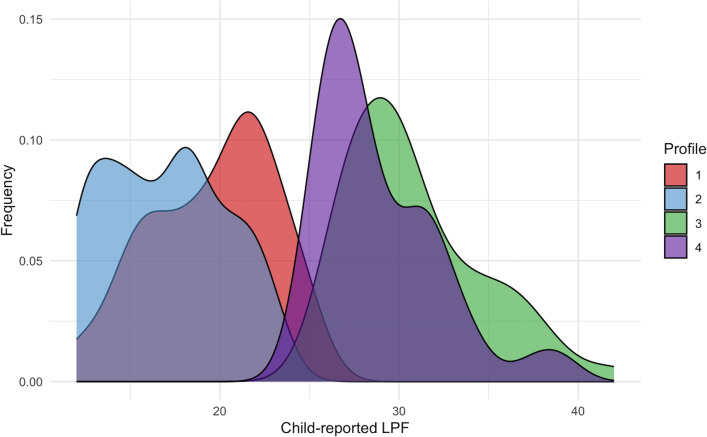 Figure 3
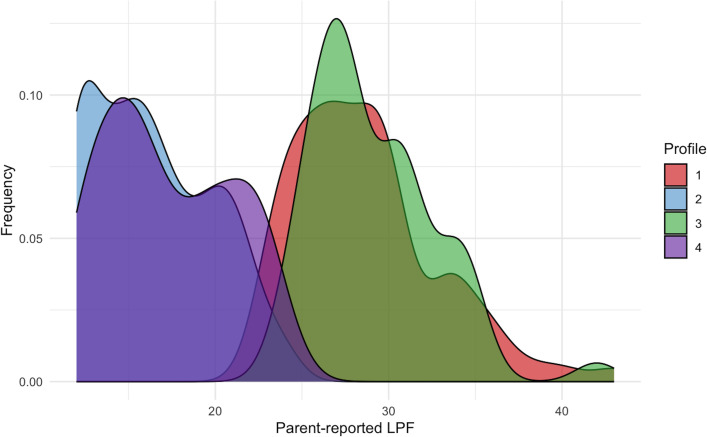 Figure 4
Peer Reviews
No public reviews on file for this paper yet. If you reviewed it on a platform where reviews are public (OpenReview, ICLR, NeurIPS, ICML), you can paste yours below so the community can read it here.
Videos
No videos yet. Explain this paper in a talk, walkthrough, or lecture? Add one.
Taxonomy
TopicsPersonality Disorders and Psychopathology · Suicide and Self-Harm Studies · Child and Adolescent Psychosocial and Emotional Development