Prediction and impact of maladaptive perfectionism on non-suicidal self-injury in adolescents: a study based on machine learning and structural equation modeling
Xin Wang, Tiejun Kang, Weiping Chen

TL;DR
This study explores how maladaptive perfectionism contributes to non-suicidal self-injury in adolescents through impulsivity and emotion regulation issues, using machine learning and statistical modeling.
Contribution
The study introduces a multi-method approach combining machine learning and structural equation modeling to uncover psychological pathways linking perfectionism to self-injury.
Findings
Emotion regulation difficulties were the strongest predictor of non-suicidal self-injury.
Maladaptive perfectionism influences self-injury through a chain involving increased impulsivity and worsened emotion regulation.
The machine learning model showed good accuracy in identifying adolescents at risk for self-injury.
Abstract
Non-suicidal self-injury (NSSI) is highly prevalent among adolescents, yet the psychological mechanisms, particularly the synergistic effects of maladaptive perfectionism, impulsivity, and emotion regulation difficulties, remain inadequately understood. While recent longitudinal studies have focused on predicting NSSI occurrence using multiple machine learning algorithms, the current study addresses a complementary scientific question by examining the underlying psychological mechanisms through a cross-sectional multi-method approach. In a sample of 3,865 Chinese adolescents, we employed a multi-method approach combining machine learning (Support Vector Machine for classification) with structural equation modeling to analyze self-report data. It should be noted that due to the cross-sectional nature of our data, the relationships identified represent associations rather than causal…
Genes, proteins, chemicals, diseases, species, mutations and cell lines named across the full text — each resolved to its canonical identifier and authoritative record.
Click any figure to enlarge with its caption.
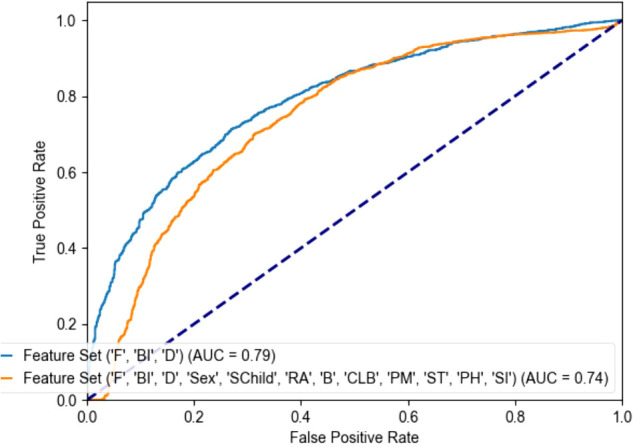 Figure 1
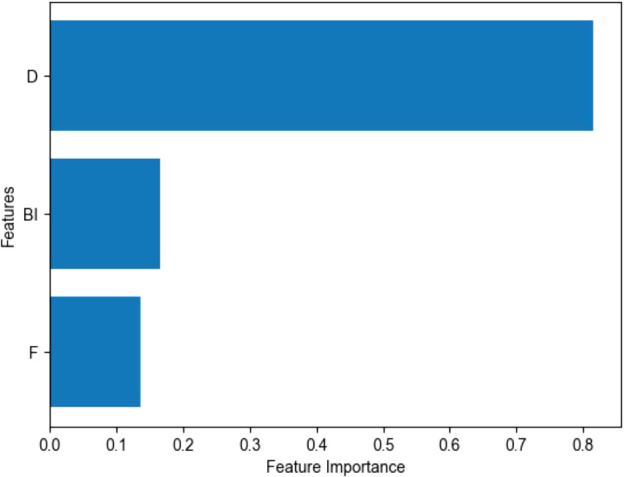 Figure 2
 Figure 3
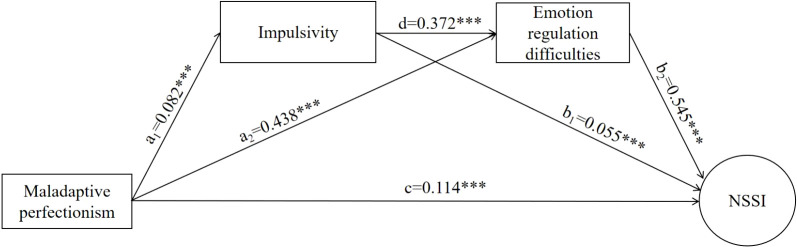 Figure 4
Peer Reviews
No public reviews on file for this paper yet. If you reviewed it on a platform where reviews are public (OpenReview, ICLR, NeurIPS, ICML), you can paste yours below so the community can read it here.
Videos
No videos yet. Explain this paper in a talk, walkthrough, or lecture? Add one.
Taxonomy
TopicsPerfectionism, Procrastination, Anxiety Studies · Suicide and Self-Harm Studies · Obsessive-Compulsive Spectrum Disorders