Expression of the peanut diacylglycerol acyltransferase 3 increases the neutral lipid content and improves the fatty acid composition of Chlorella vulgaris
Moran Topf, Anna Andreeva, Helen Saul, Tamar Tenenvorzel, Lotem Davidi-Shwarts, Zehavit Dadon, Irina Berezin, Yael Kinel-Tahan, Yaron Yehoshua, Orit Shaul

TL;DR
Scientists increased the oil content and improved the oil quality in a type of algae by introducing a gene from peanuts, making it better for biofuel production.
Contribution
The first successful overexpression of a higher plant DGAT3 enzyme in an oleaginous microalga to enhance lipid content and quality.
Findings
Transformed algae showed up to a five-fold increase in neutral lipid content under normal growth conditions.
Oleic acid levels increased four-fold, while linolenic acid decreased by 25%, improving biofuel suitability.
Peanut DGAT3 was shown to be effective in enhancing microalgal feedstocks for biofuel production.
Abstract
Microalgae are a potential source of renewable biofuel with several advantages over conventional crops. Under stress conditions, oleaginous microalgae such as Chlorella vulgaris accumulate high levels of neutral lipids, mainly in the form of triacylglycerol (TAG), which can be converted into biodiesel. However, the growth under stress conditions limits biomass accumulation. DGAT enzymes catalyze the final step in TAG biosynthesis, by transferring a fatty acyl-CoA to diacylglycerol. We describe here the first case in which a higher plants DGAT3-type enzyme has been overexpressed in an oleaginous microalga. Higher plants DGAT3 enzymes differ in their properties from other types of DGAT enzymes and also from the distantly related group of enzymes nominated DGAT3 in algae. We overexpressed in C. vulgaris the DGAT3 of Arachis hypogaea (peanut), since this enzyme utilizes oleoyl-CoA as the…
Genes, proteins, chemicals, diseases, species, mutations and cell lines named across the full text — each resolved to its canonical identifier and authoritative record.
Click any figure to enlarge with its caption.
 Figure 1
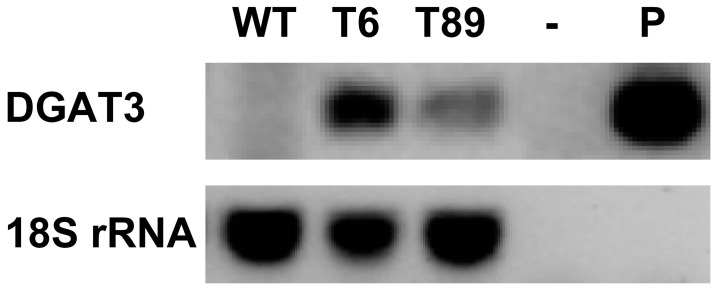 Figure 2
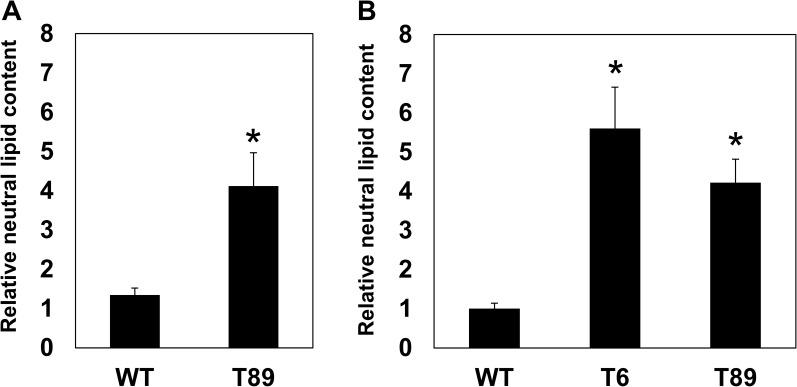 Figure 3
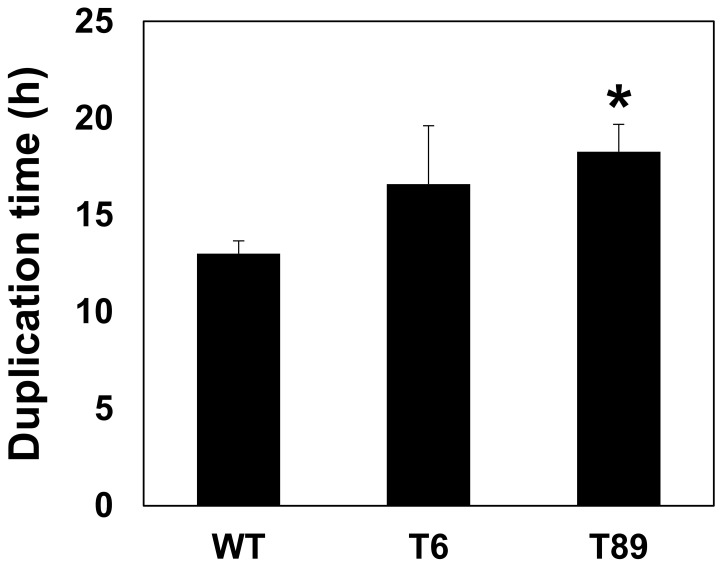 Figure 4
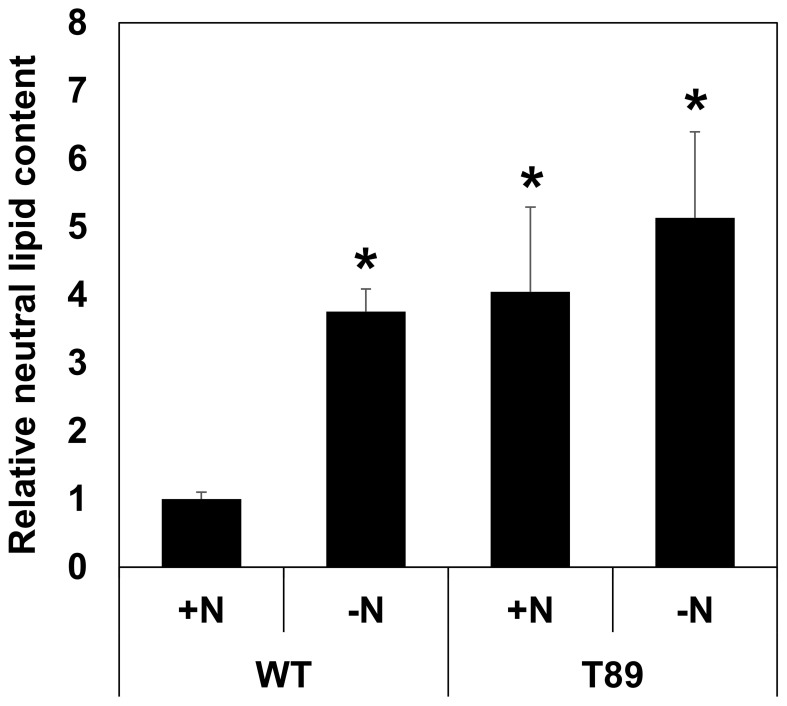 Figure 5
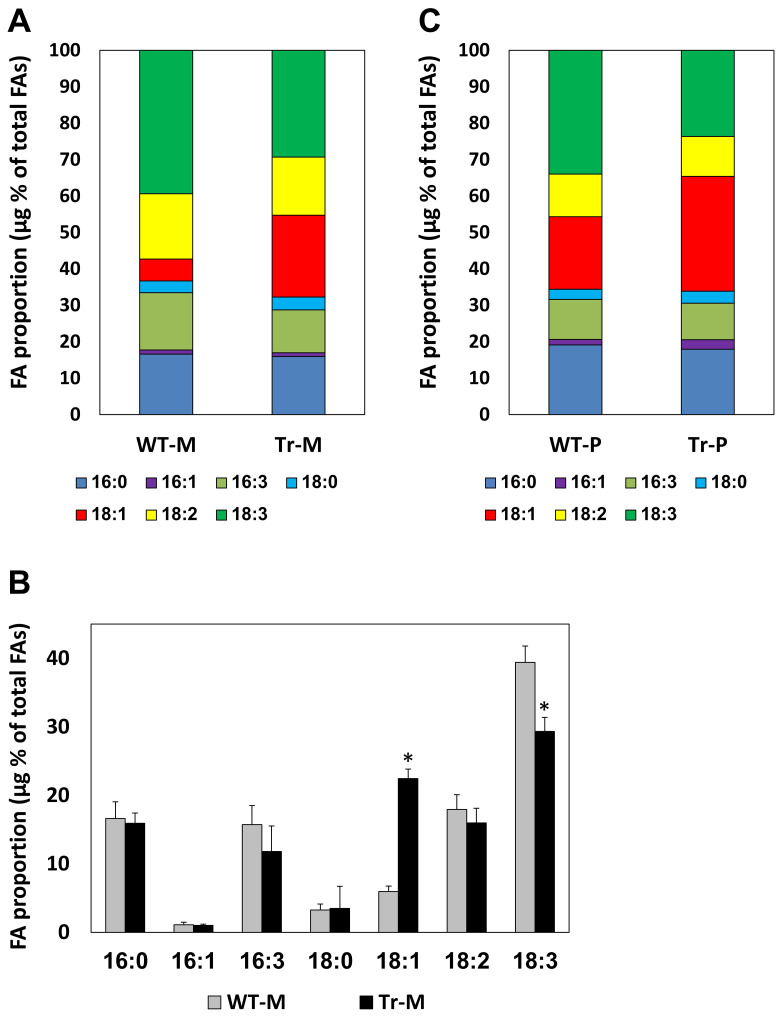 Figure 6
Peer Reviews
No public reviews on file for this paper yet. If you reviewed it on a platform where reviews are public (OpenReview, ICLR, NeurIPS, ICML), you can paste yours below so the community can read it here.
Videos
No videos yet. Explain this paper in a talk, walkthrough, or lecture? Add one.
Taxonomy
TopicsLipid metabolism and biosynthesis · Algal biology and biofuel production · Microbial Metabolic Engineering and Bioproduction