Comparison of craniofacial skeletal morphology in pediatric obstructive sleep apnea-hypopnea syndrome patients with class II and class III malocclusions: a retrospective cross-sectional study
Lijia Deng, Hongjie Song

TL;DR
The study compares skull and facial structures in children with sleep apnea and different types of jaw misalignment, finding distinct patterns that could guide treatment.
Contribution
The study identifies unique craniofacial patterns in pediatric OSAHS patients with Class II and III malocclusions, offering insights for personalized treatment planning.
Findings
Class III patients show mandibular growth restriction and compensatory protrusion.
Class II patients exhibit high-angle, long-face morphology with clockwise growth rotation.
Significant differences were found in multiple cephalometric parameters between the two groups.
Abstract
This study aimed to investigate craniofacial skeletal morphology in pediatric obstructive sleep apnea-hypopnea syndrome (OSAHS) patients with different malocclusion types. A retrospective cross-sectional analysis study was conducted at Chengdu Second People's Hospital from 2023 to 2024. A total of 299 children diagnosed with OSAHS (aged 10–12 years) were included. Craniofacial structures were assessed using Jarabak and Ricketts methods. Patients were divided by malocclusion type: Class II (n = 150, 56.7% male, mean age 11.2 ± 0.6) and Class III (n = 149, 50.3% male, mean age 11.4 ± 0.8). Group differences in cephalometric parameters were compared using independent samples t-tests and Mann–Whitney U tests, as appropriate. Significant differences were found between groups. Compared to Class II, Class III patients had lower ANB angle (−2.8 ± 2.6° vs. 5.6 ± 1.9°, Cohen's d = 1.23), Wits…
Genes, proteins, chemicals, diseases, species, mutations and cell lines named across the full text — each resolved to its canonical identifier and authoritative record.
Click any figure to enlarge with its caption.
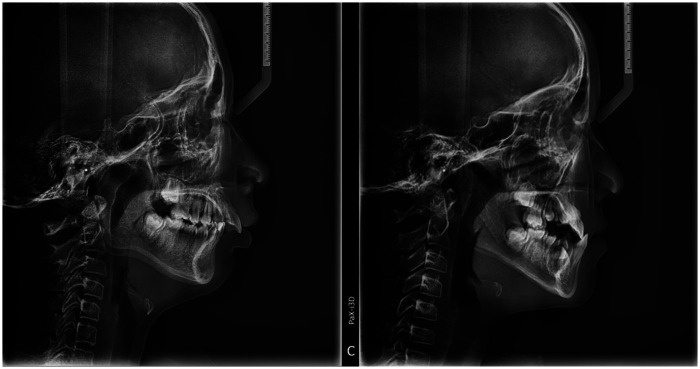 Figure 1
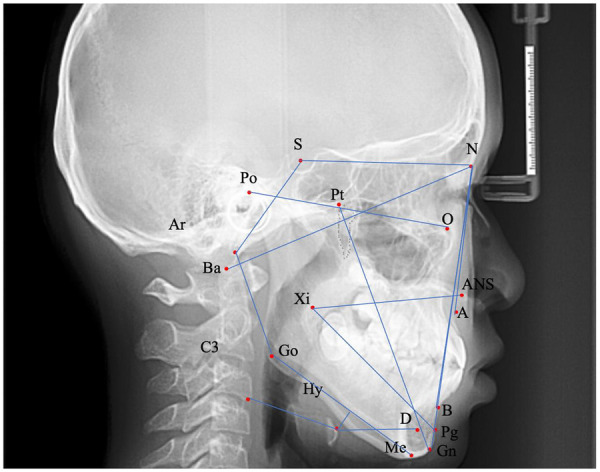 Figure 2
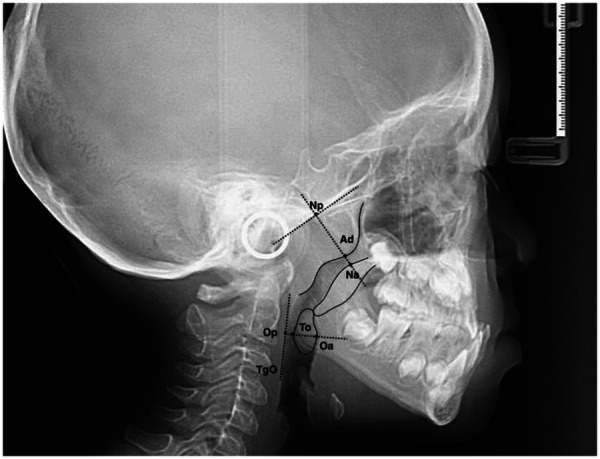 Figure 3
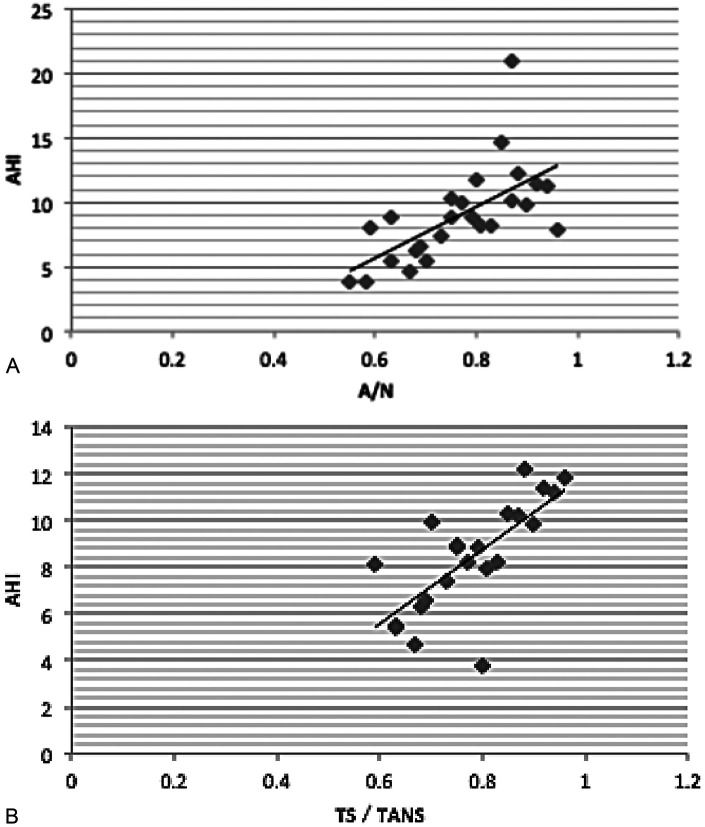 Figure 4
Peer Reviews
No public reviews on file for this paper yet. If you reviewed it on a platform where reviews are public (OpenReview, ICLR, NeurIPS, ICML), you can paste yours below so the community can read it here.
Videos
No videos yet. Explain this paper in a talk, walkthrough, or lecture? Add one.
Taxonomy
TopicsObstructive Sleep Apnea Research · Cleft Lip and Palate Research · Craniofacial Disorders and Treatments