IFNγ-associated immune–metabolic remodeling is linked to serotonin–kynurenine imbalance and cortical vulnerability in lupus-prone mice
Karim Matmat, Rosa-Maria Guéant-Rodriguez, Emmanuel Darcq, Okan Baspinar, Jean-Marc Alberto, Jean-Louis Guéant, Ayikoé-Guy Mensah-Nyagan, Hélène Jeltsch-David

TL;DR
This study explores how immune activity in lupus-prone mice affects brain metabolism and behavior, linking inflammation to neuronal damage and psychiatric symptoms.
Contribution
The study identifies a novel immune–metabolic–neuronal axis in NPSLE, linking systemic IFNγ to cortical serotonin–kynurenine imbalance and behavioral dysfunction.
Findings
IFNγ drives Th1 inflammation and correlates with plasma neurofilament light chain (NfL), indicating immune–neuronal injury.
Cortical tryptophan metabolism shifts from serotonin to kynurenine, increasing excitotoxic metabolites like quinolinic acid.
Serotonergic depletion correlates with anxiety-like behavior and axonal injury markers in lupus-prone mice.
Abstract
Neuropsychiatric systemic lupus erythematosus (NPSLE) is a major clinical challenge, characterized by heterogeneous manifestations and the absence of reliable biomarkers. The mechanisms linking systemic autoimmunity to neuronal injury and neuropsychiatric symptoms remain poorly understood. Using the lupus-prone MRL/Lpr mouse model, we integrated systemic cytokine profiling, plasma neurofilament light chain (NfL), region-specific CNS cytokine mRNA mapping, cortical metabolomics, and behavioral analyses to dissect immune–metabolic–neuronal interactions. Inflammation was dominated by a Th1 cytokine program, with interferon-gamma emerging as a prominent component of the inflammatory profile. Composite cytokine scores correlated strongly with plasma NfL, establishing an immune–neuronal injury axis. Region-resolved analyses revealed distinct CNS cytokine signatures, including selective…
Genes, proteins, chemicals, diseases, species, mutations and cell lines named across the full text — each resolved to its canonical identifier and authoritative record.
Click any figure to enlarge with its caption.
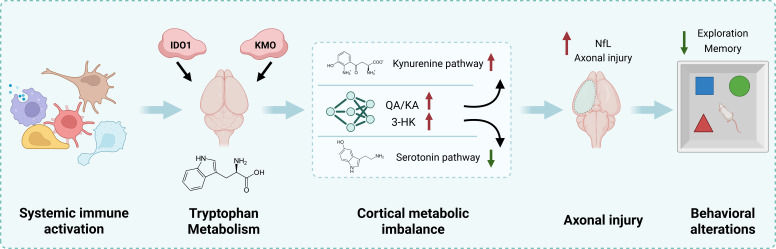 Figure 1
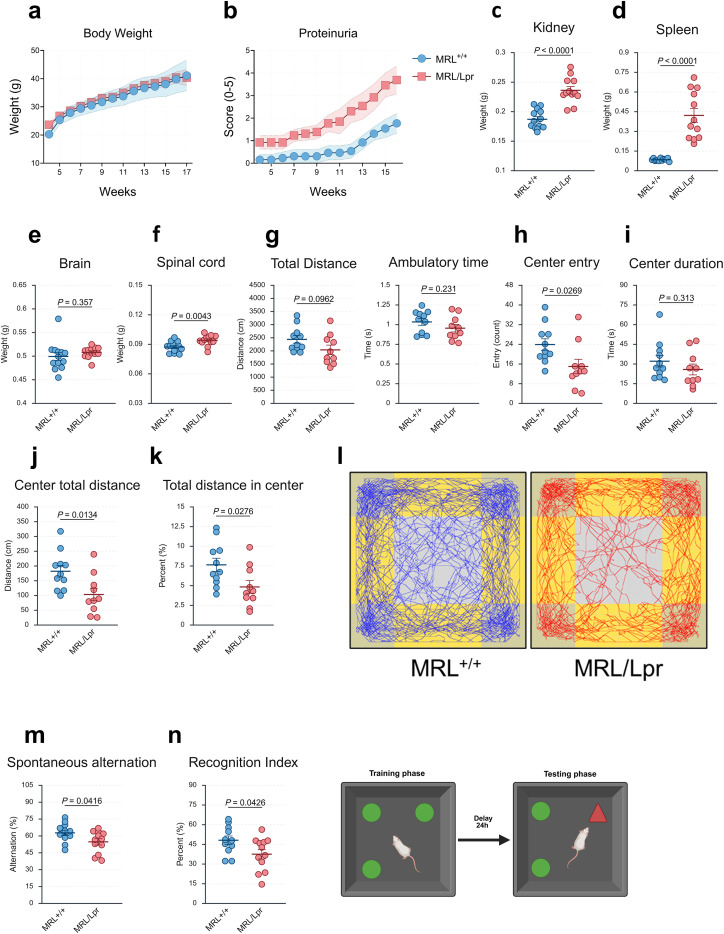 Figure 2
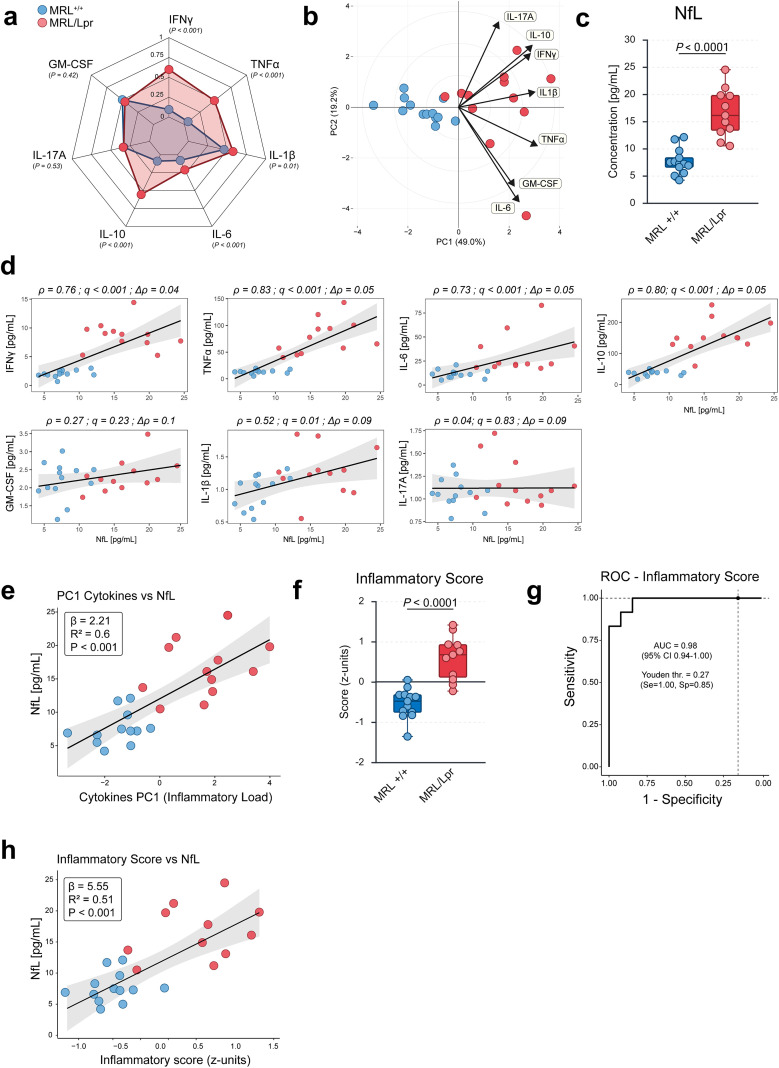 Figure 3
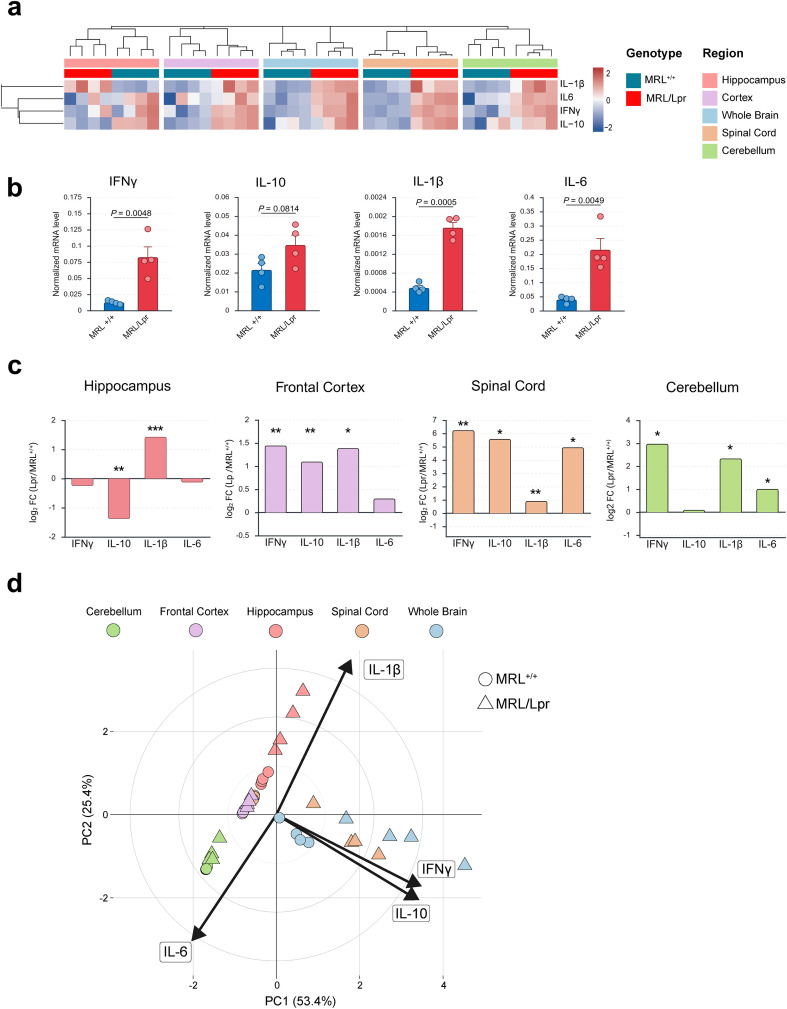 Figure 4
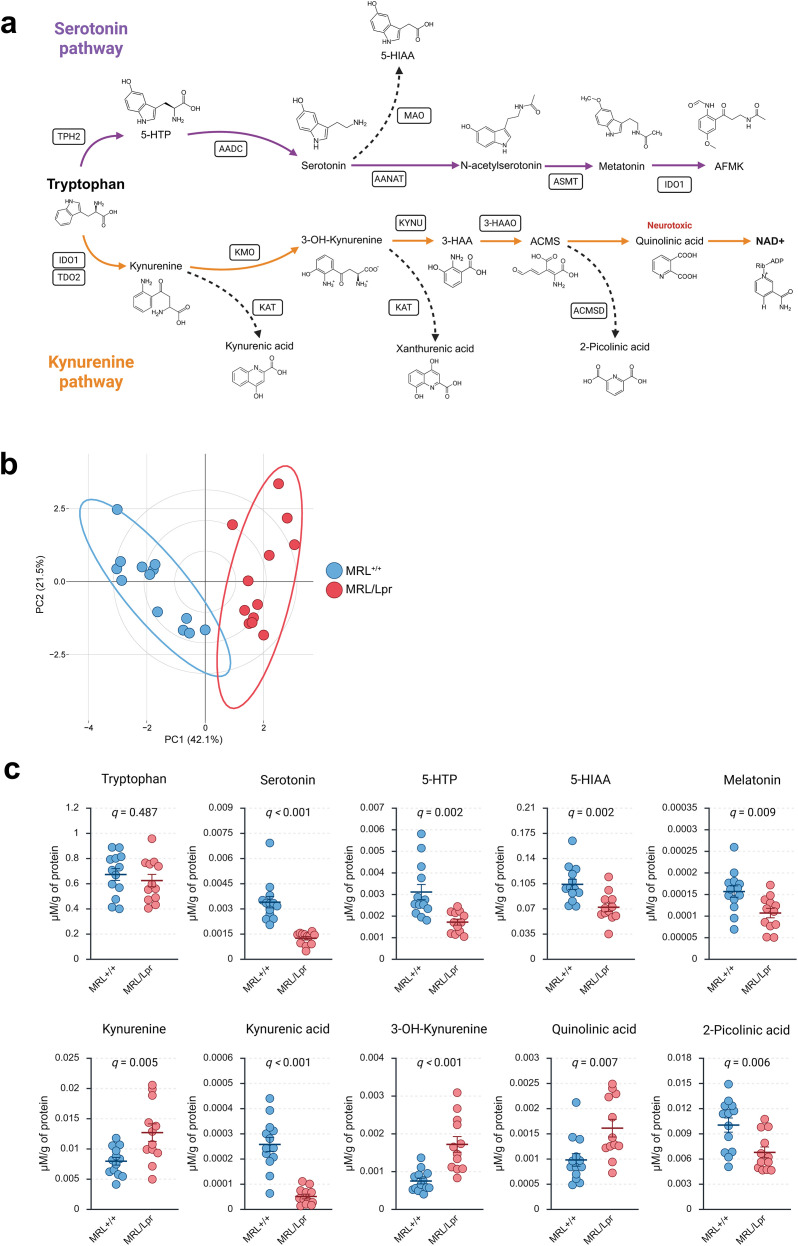 Figure 5
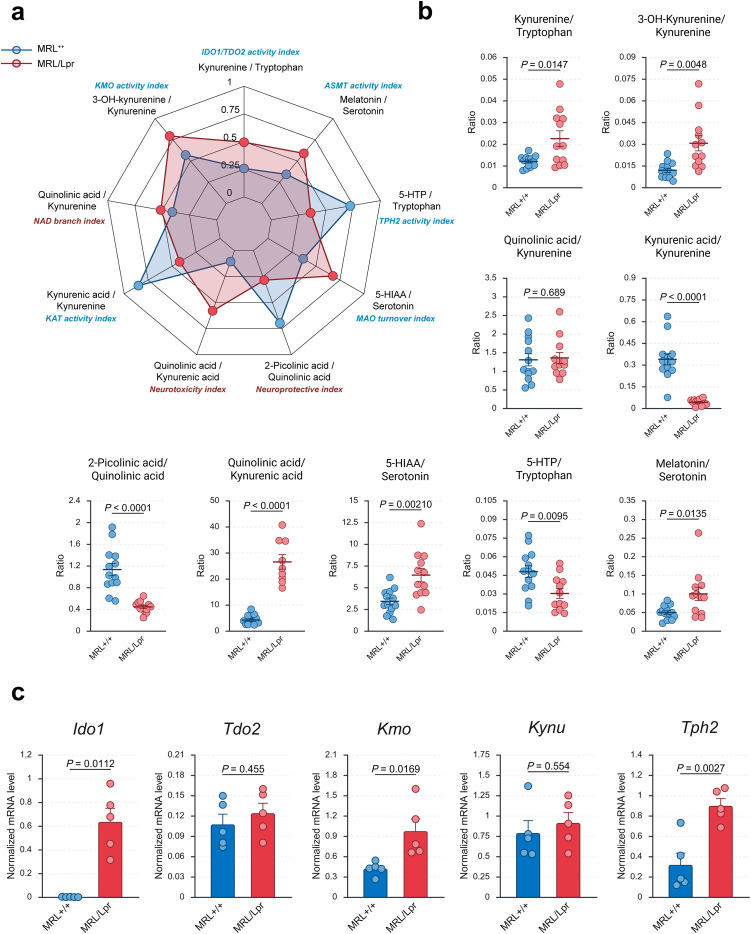 Figure 6
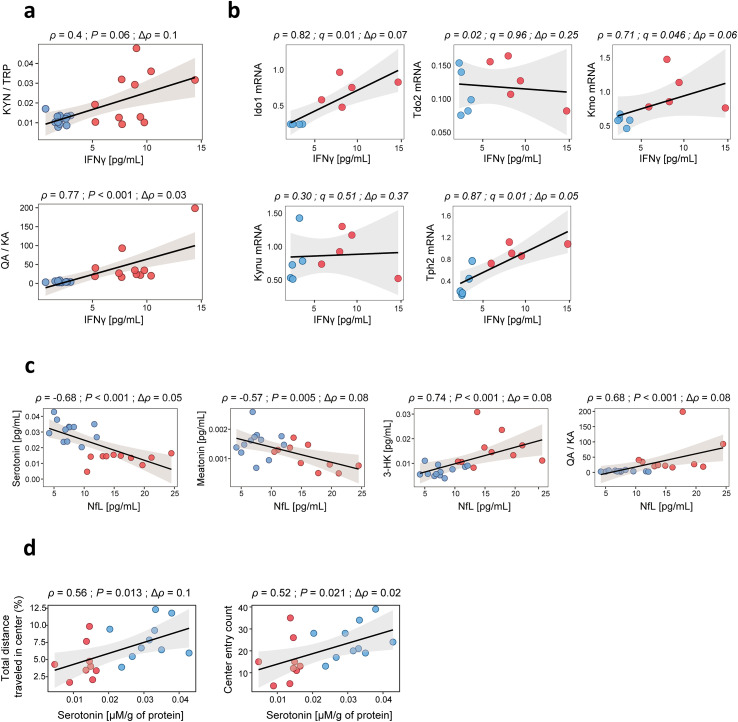 Figure 7
Peer Reviews
No public reviews on file for this paper yet. If you reviewed it on a platform where reviews are public (OpenReview, ICLR, NeurIPS, ICML), you can paste yours below so the community can read it here.
Videos
No videos yet. Explain this paper in a talk, walkthrough, or lecture? Add one.
Taxonomy
TopicsTryptophan and brain disorders · Stress Responses and Cortisol · Inflammasome and immune disorders