Cell-type specificity of Tim-3 in respiratory diseases: from mechanisms to clinical translation
Qi Cui, Jinying Dou, Fukun Wang, Keran Jia

TL;DR
This paper explores how Tim-3, an immune molecule, functions in different respiratory diseases and its potential for treatment.
Contribution
The paper highlights the dual role of Tim-3 in respiratory diseases and its potential as a biomarker and immunotherapy target.
Findings
Tim-3 is crucial for immune homeostasis and inflammation control in respiratory diseases.
Tim-3 has both protective and pathogenic roles in conditions like asthma and COPD.
Tim-3 is being considered as a potential biomarker and immunotherapy target.
Abstract
As an immune checkpoint molecule, Tim-3 is expressed on T cells and other immune cells, and is crucial for maintaining immune homeostasis and preventing excessive inflammation. This article reviews the changes in expression, mechanism of action, and clinical significance of Tim-3 in major respiratory diseases such as asthma, chronic obstructive pulmonary disease (COPD), acute respiratory distress syndrome (ARDS), pulmonary infections, lung cancer, and pulmonary fibrosis. It emphasizes the dual role (protective and pathogenic) of Tim-3 in respiratory diseases and prospects its potential as a disease biomarker and a new target for immunotherapy.
Genes, proteins, chemicals, diseases, species, mutations and cell lines named across the full text — each resolved to its canonical identifier and authoritative record.
Click any figure to enlarge with its caption.
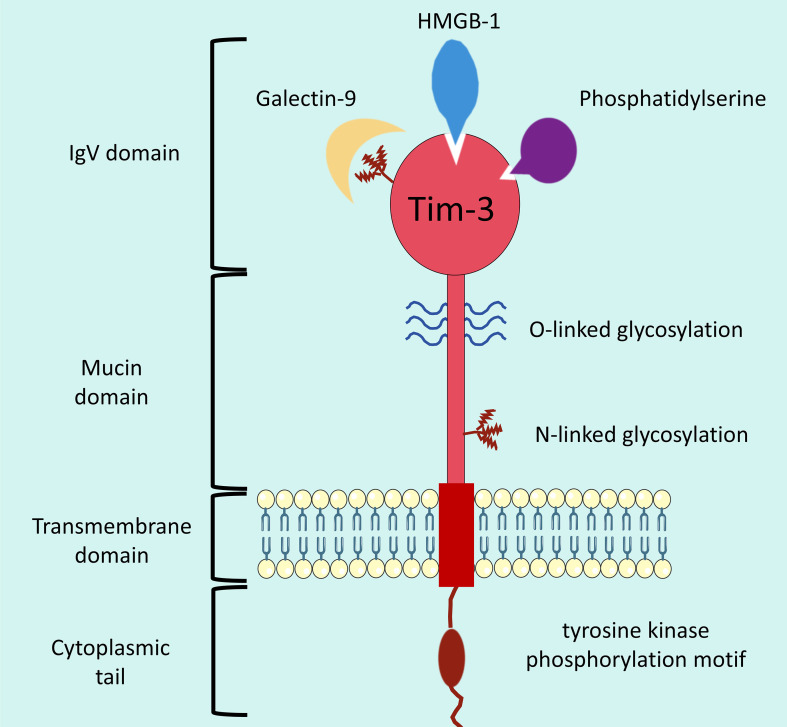 Figure 1
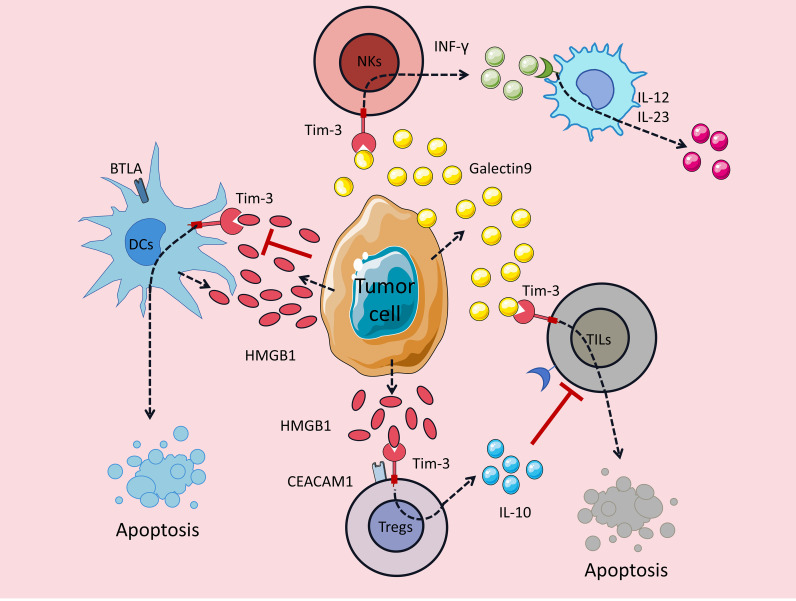 Figure 2
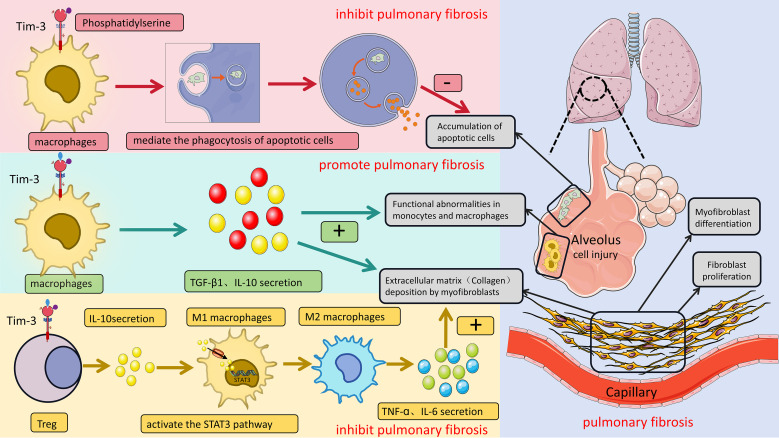 Figure 3
Peer Reviews
No public reviews on file for this paper yet. If you reviewed it on a platform where reviews are public (OpenReview, ICLR, NeurIPS, ICML), you can paste yours below so the community can read it here.
Videos
No videos yet. Explain this paper in a talk, walkthrough, or lecture? Add one.
Taxonomy
TopicsGalectins and Cancer Biology · Cancer Mechanisms and Therapy · Signaling Pathways in Disease