Counting Spinal Phylogenetic Networks
Andrew Francis, Michael Hendriksen

TL;DR
This paper introduces a new method to count specific types of phylogenetic networks using combinatorial structures called expanding covers.
Contribution
The paper introduces a counting method for spinal phylogenetic networks using expanding covers, a novel combinatorial approach.
Findings
Expanding covers can encode a large class of phylogenetic networks called labellable networks.
Spinal networks can be fully described using covers and serve as a base case for counting more general network classes.
Abstract
Phylogenetic networks are an important way to represent evolutionary histories that involve reticulate processes such as hybridisation or horizontal gene transfer, yet fundamental questions such as how many networks there are that satisfy certain properties are very difficult. A new way to encode a large class of networks, using “expanding covers”, may provide a way to approach such problems. Expanding covers encode a large class of phylogenetic networks, called labellable networks. This class does not include all networks, but does include many familiar classes, including orchard, normal, tree-child and tree-sibling networks. As expanding covers are a combinatorial structure, it is possible that they can be used as a tool for counting such classes for a fixed number of leaves and reticulations, for which, in many cases, a closed formula has not yet been found. More recently, a new…
Genes, proteins, chemicals, diseases, species, mutations and cell lines named across the full text — each resolved to its canonical identifier and authoritative record.
Click any figure to enlarge with its caption.
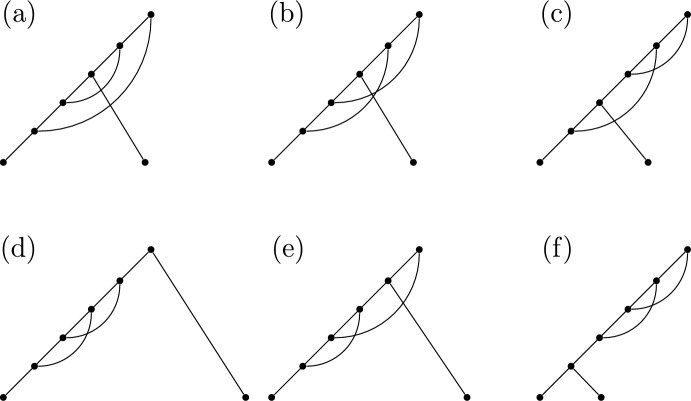 Figure 10
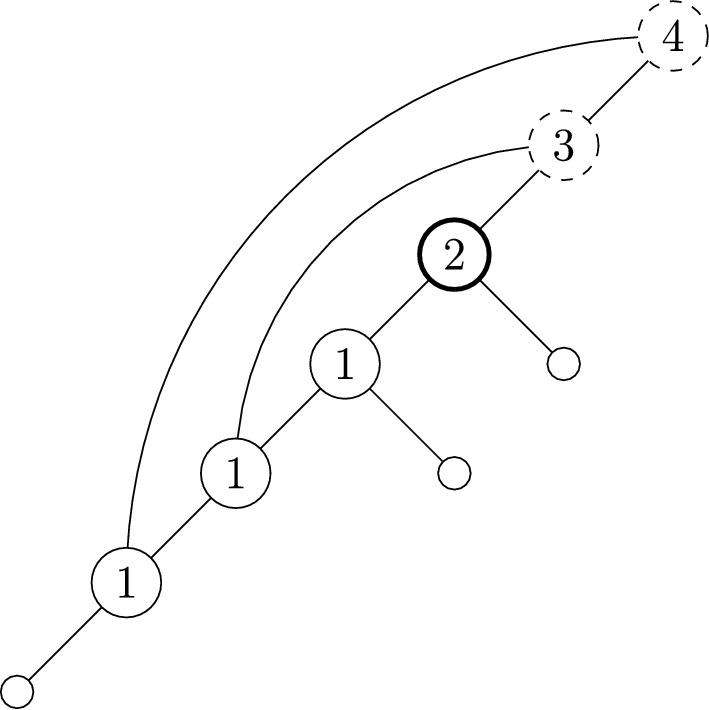 Figure 11
 Figure 12
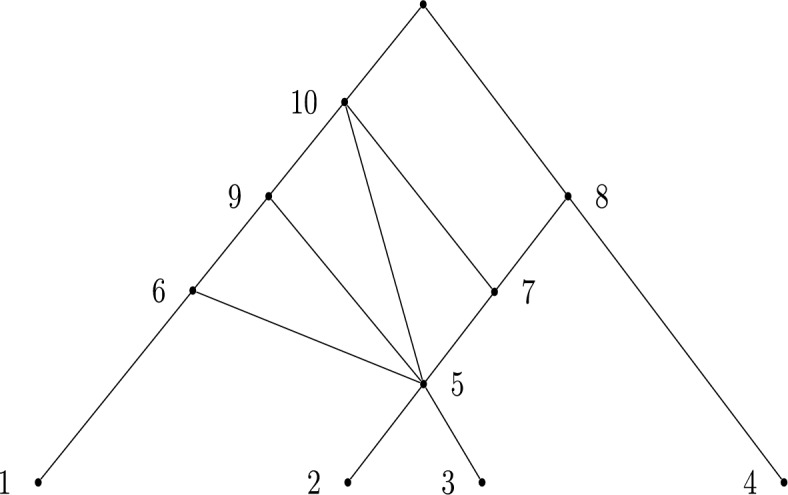 Figure 1
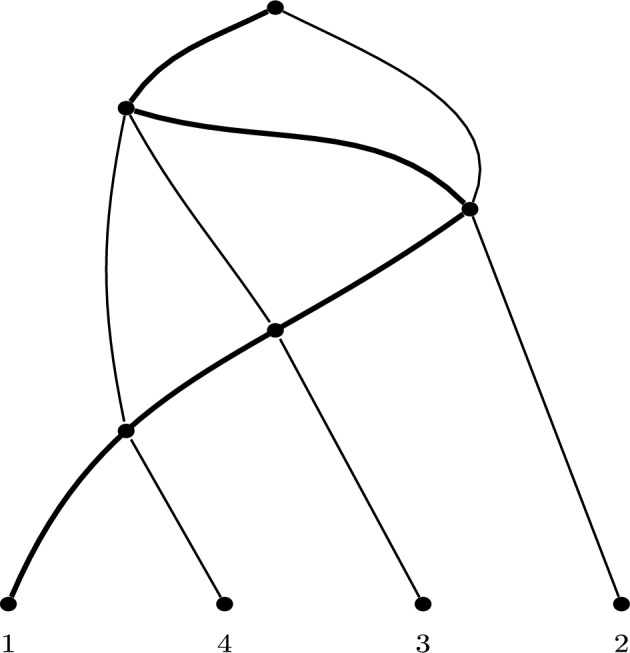 Figure 2
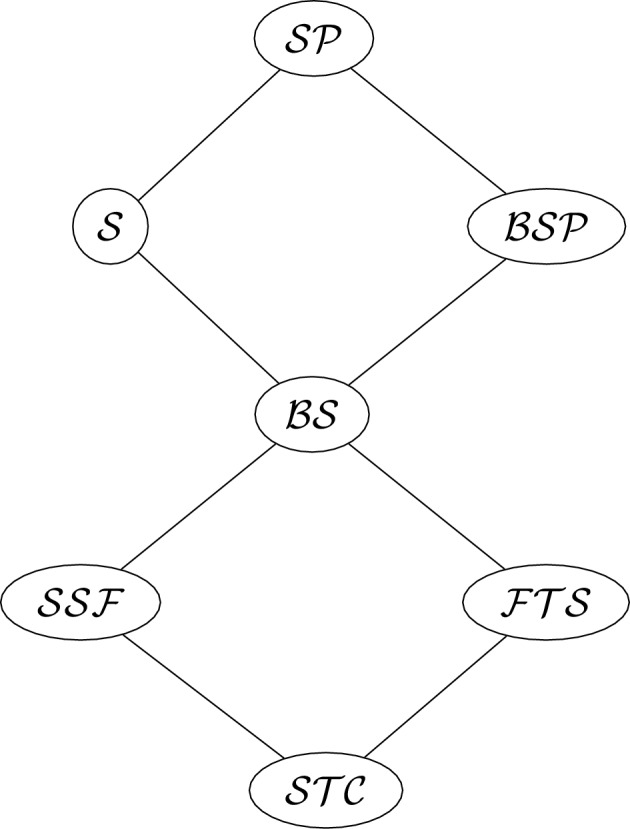 Figure 3
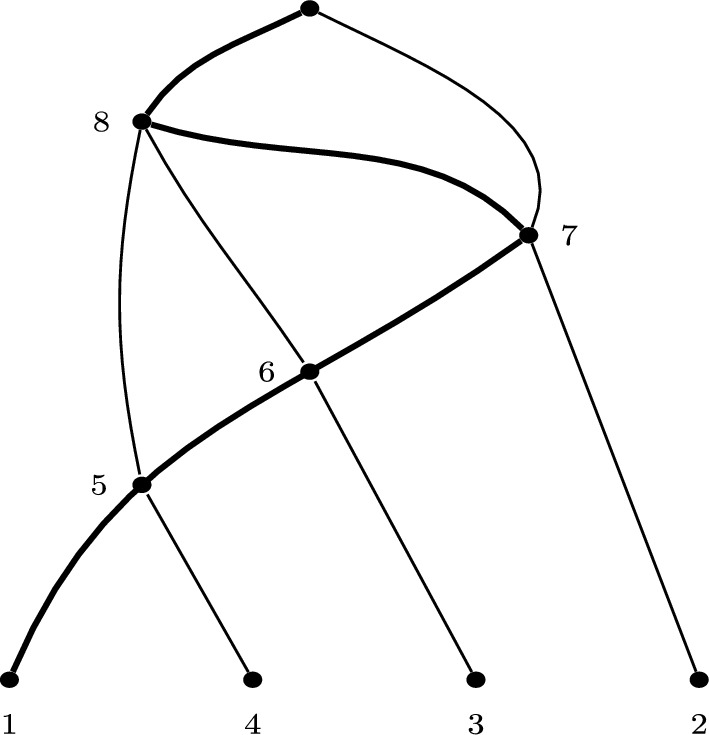 Figure 4
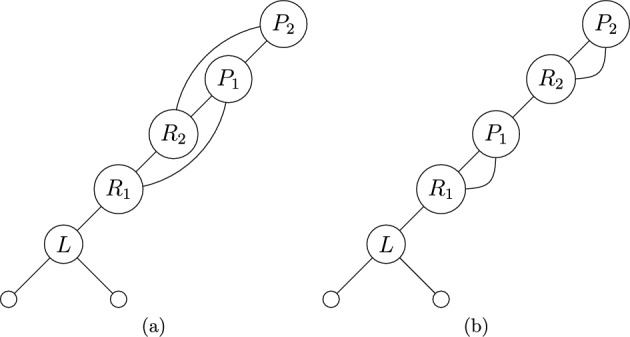 Figure 5
 Figure 6
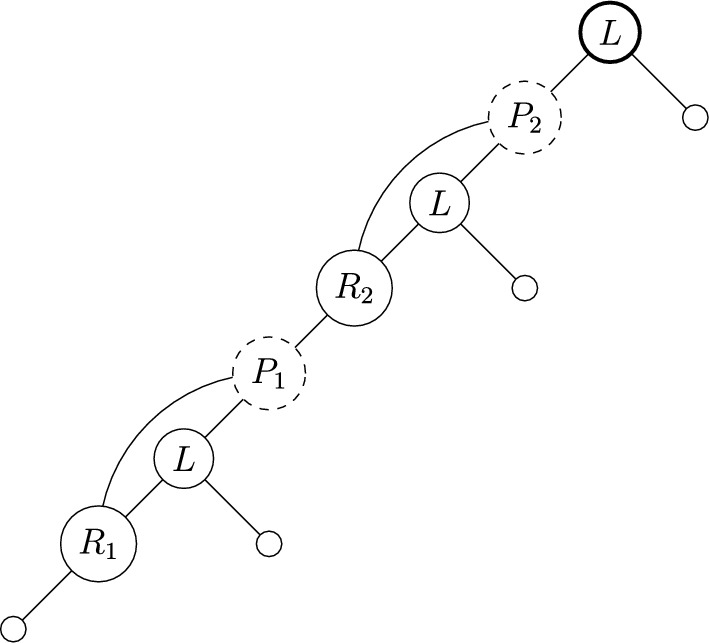 Figure 7
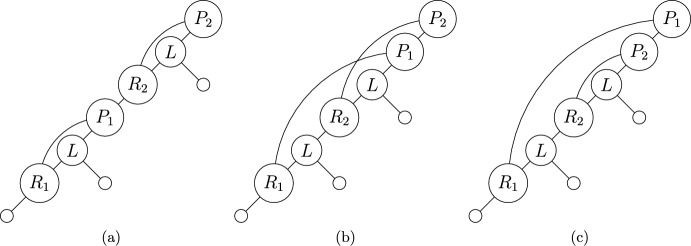 Figure 8
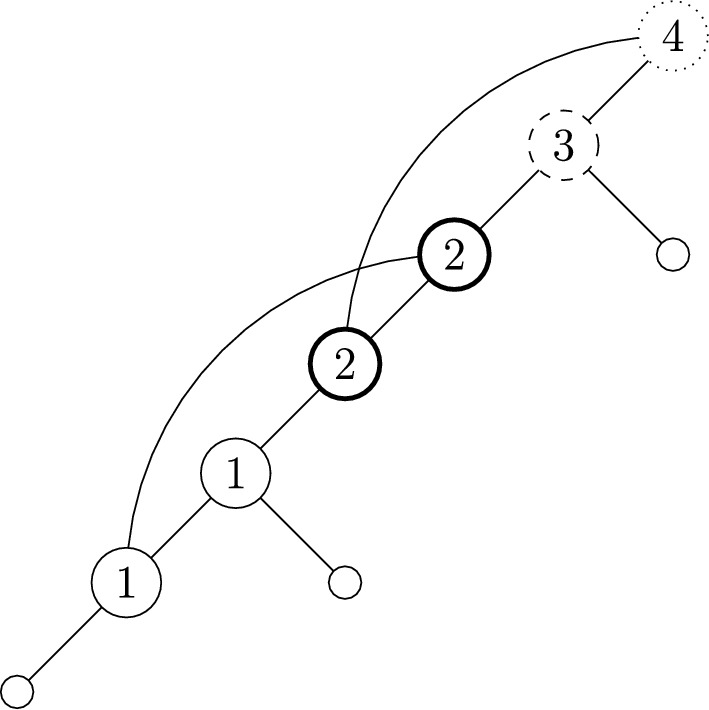 Figure 9
Peer Reviews
No public reviews on file for this paper yet. If you reviewed it on a platform where reviews are public (OpenReview, ICLR, NeurIPS, ICML), you can paste yours below so the community can read it here.
Videos
No videos yet. Explain this paper in a talk, walkthrough, or lecture? Add one.
Taxonomy
TopicsGenomics and Phylogenetic Studies · Genome Rearrangement Algorithms · Chromosomal and Genetic Variations