Impulsivity in cerebellar ataxia: an online, multidimensional assessment
Brooke Chasalow, Yakov Flaumenhaft, Yael De Picciotto, Chi-Ying R. Lin, Leila Montaser-Kouhsari, William Saban

TL;DR
This study explores how cerebellar ataxia affects different types of impulsivity using questionnaires and machine learning, revealing a unique impulsivity profile in patients.
Contribution
The study identifies a distinct impulsivity profile in cerebellar ataxia using large cohorts and machine learning classification.
Findings
CA patients showed higher motor and attentional impulsivity but lower non-planning impulsivity.
CA patients exhibited reduced impulsivity in monetary decision-making tasks.
Machine learning models accurately classified CA patients based on impulsivity features.
Abstract
While considered a motor control structure, the cerebellum contributes to non-motor functions, including impulsivity. However, whether it contributes to impulsivity in a domain-specific manner remains unknown. Studies on cerebellar ataxia (CA), a common model for cerebellar dysfunction, typically have small sample sizes, limiting robustness. In a multicenter cross-sectional study, we investigated the cerebellum’s role in various forms of impulsivity by comparing large cohorts of CA to age- and education-matched neurotypical healthy (NH) controls. Additionally, to examine the ability to identify individuals with CA using impulsivity features alone, we developed supervised machine learning (ML) models. In experiment 1 (CA = 140, NH = 136), impulsivity was assessed using the BIS-11 questionnaire. In experiment 2 (CA = 110, NH = 107), performance-based impulsivity was assessed using the…
Genes, proteins, chemicals, diseases, species, mutations and cell lines named across the full text — each resolved to its canonical identifier and authoritative record.
Click any figure to enlarge with its caption.
 Figure 1
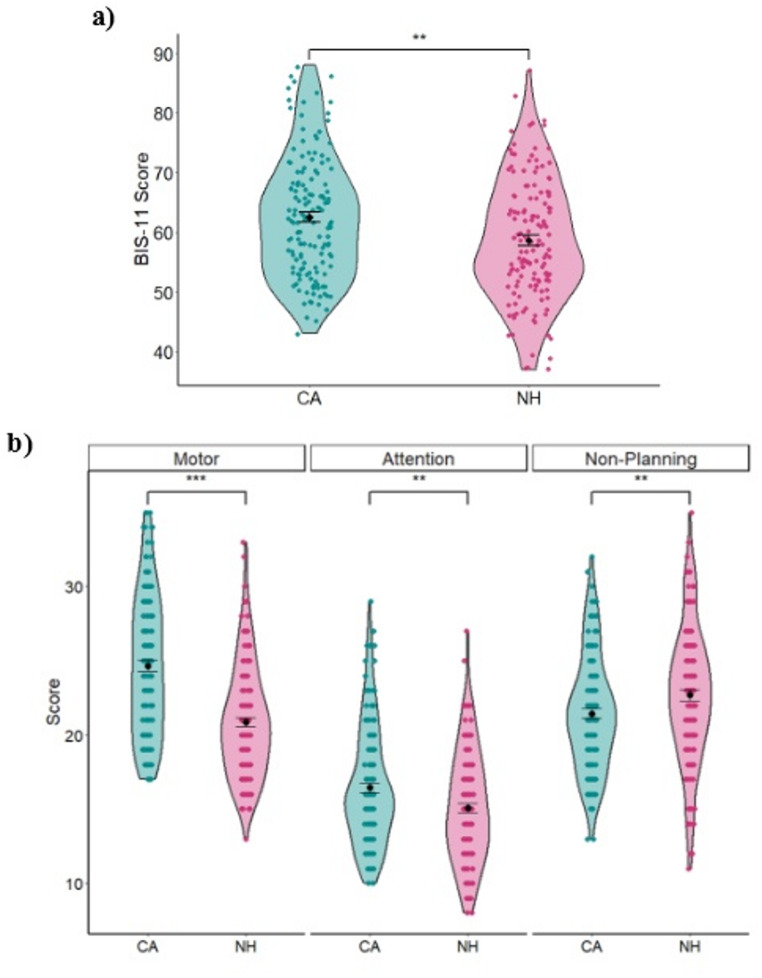 Figure 2
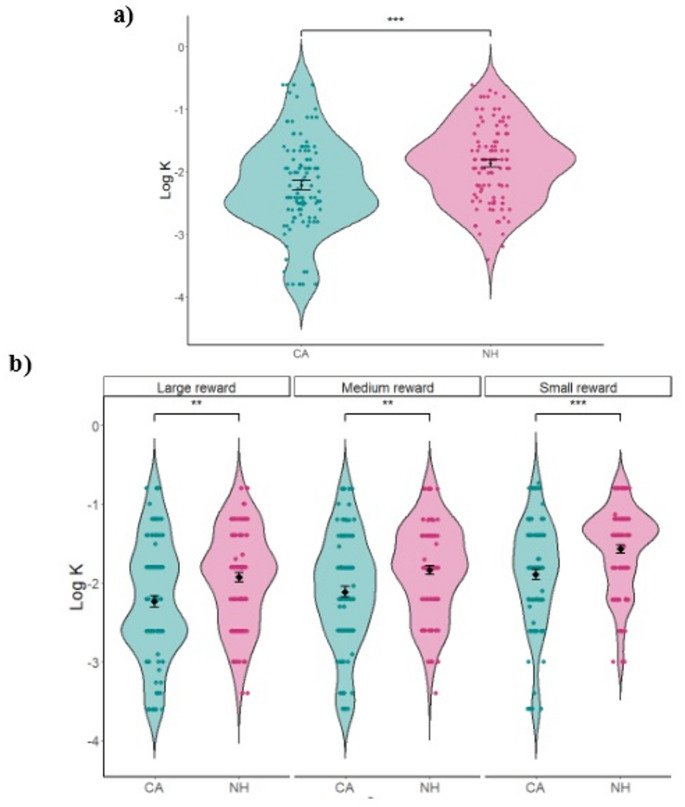 Figure 3
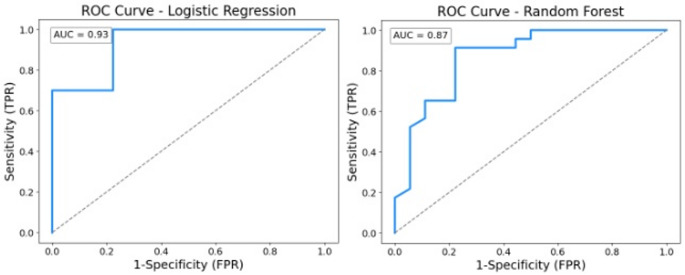 Figure 4
Peer Reviews
No public reviews on file for this paper yet. If you reviewed it on a platform where reviews are public (OpenReview, ICLR, NeurIPS, ICML), you can paste yours below so the community can read it here.
Videos
No videos yet. Explain this paper in a talk, walkthrough, or lecture? Add one.
Taxonomy
TopicsGenetic Neurodegenerative Diseases · Vestibular and auditory disorders · Botulinum Toxin and Related Neurological Disorders