Uncaria rhynchophylla: an ethnopharmacological review integrating traditional Chinese medicine uses with phytochemical and pharmacological evidence
Tongzheng Liu, Wanqing Ren, Xiwen Geng, Chuanguo Liu

TL;DR
This review explores the traditional uses and scientific evidence for Uncaria rhynchophylla, highlighting its potential in treating neurological and cardiovascular conditions.
Contribution
The paper integrates traditional Chinese medicine knowledge with modern phytochemical and pharmacological evidence for Uncaria rhynchophylla.
Findings
UR contains monoterpenoid indole alkaloids and shows neuroprotective effects in preclinical models.
Antihypertensive effects are linked to calcium channel antagonism and vasodilation.
Poor oral bioavailability and lack of clinical validation remain major challenges.
Abstract
Uncaria rhynchophylla (Miq.) Jacks. (UR), a climbing shrub of the Rubiaceae family, has been a foundational remedy in traditional Chinese medicine for over 1,500 years, and has long been used to treat neurological disorders, hypertension, and inflammatory conditions associated with “Liver Wind” and “Liver Yang Rising.” This review summarizes traditional ethnopharmacological knowledge by integrating it with scientific evidence related to UR’s chemical composition, pharmacological mechanisms, and therapeutic potential. This systematic narrative review analyzed 78 studies from databases including PubMed, Web of Science, Scopus, CNKI, and Wanfang (2000–2025), focusing on peer-reviewed articles on UR’s phytochemistry, pharmacology, and pharmacokinetics. The plant primarily contains monoterpenoid indole alkaloids, triterpenoids, flavonoids, and phenolics. Preclinical studies have demonstrated…
Genes, proteins, chemicals, diseases, species, mutations and cell lines named across the full text — each resolved to its canonical identifier and authoritative record.
Click any figure to enlarge with its caption.
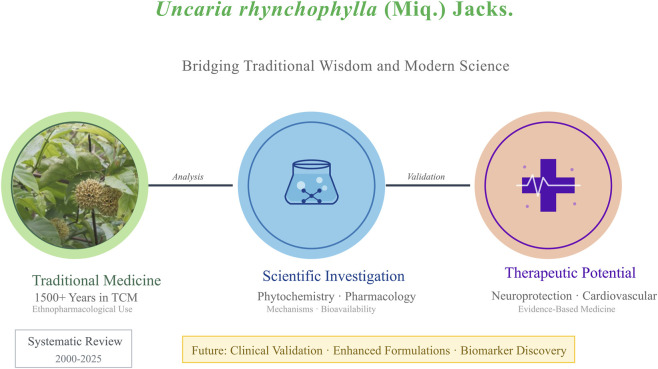 Figure 1
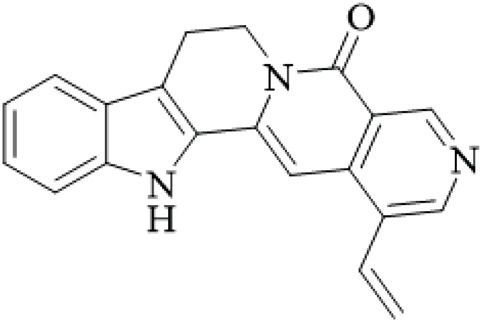 Figure 2
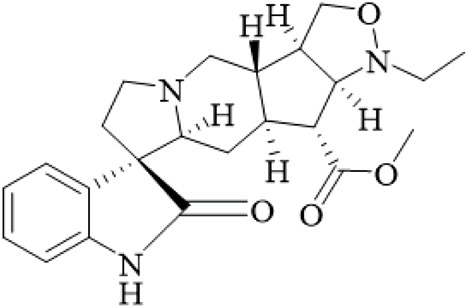 Figure 3
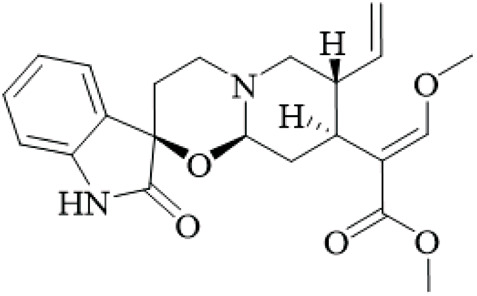 Figure 4
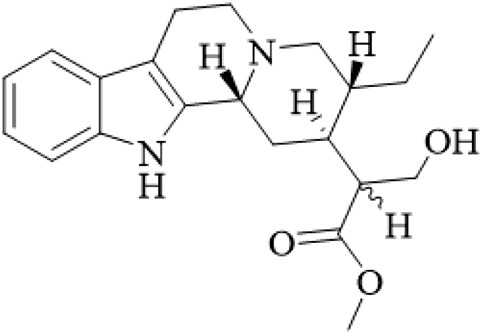 Figure 5
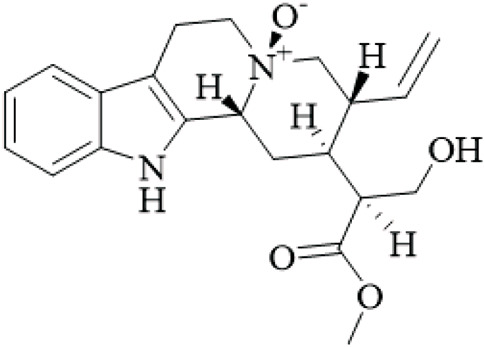 Figure 6
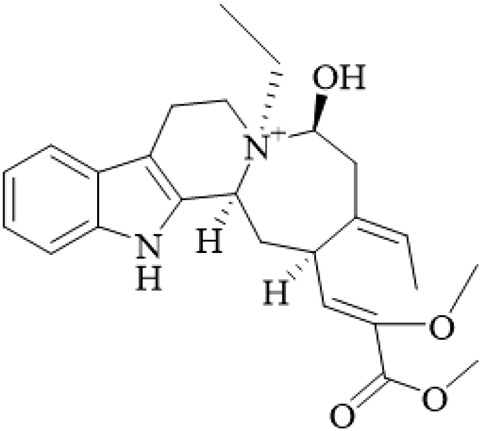 Figure 7
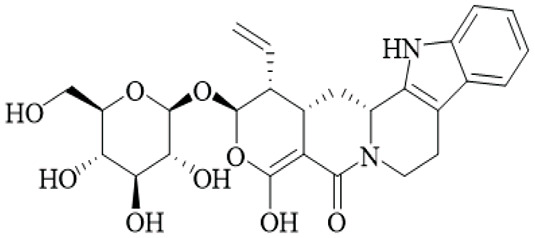 Figure 8
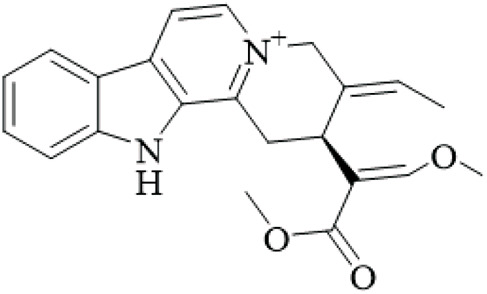 Figure 9
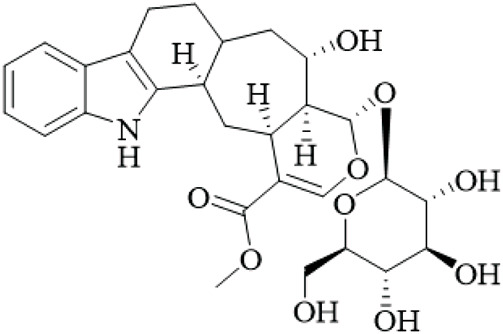 Figure 10
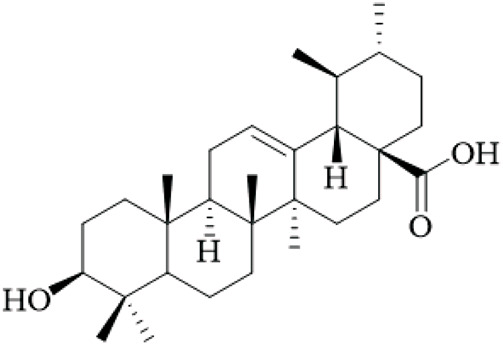 Figure 11
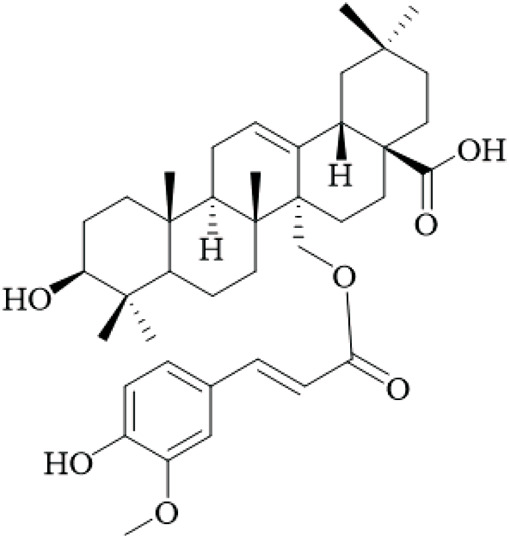 Figure 12
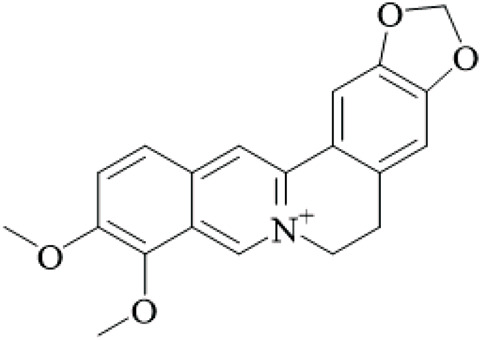 Figure 13
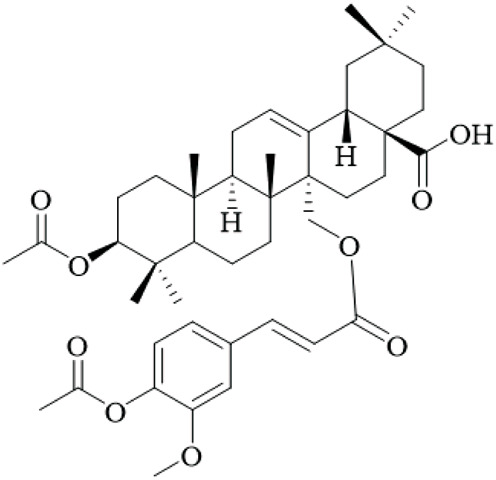 Figure 14
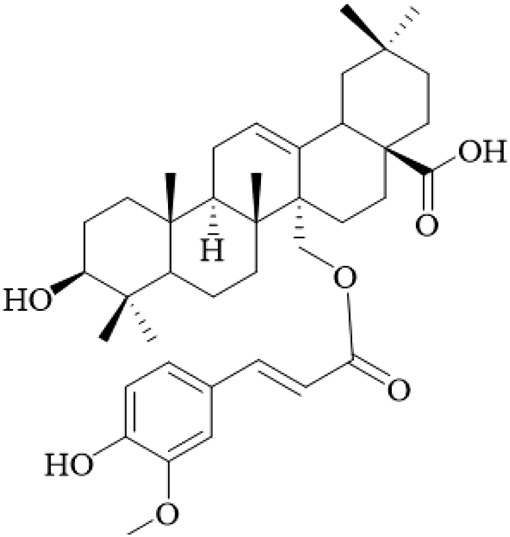 Figure 15
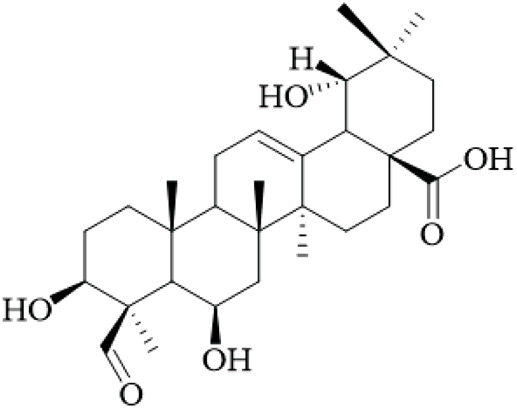 Figure 16
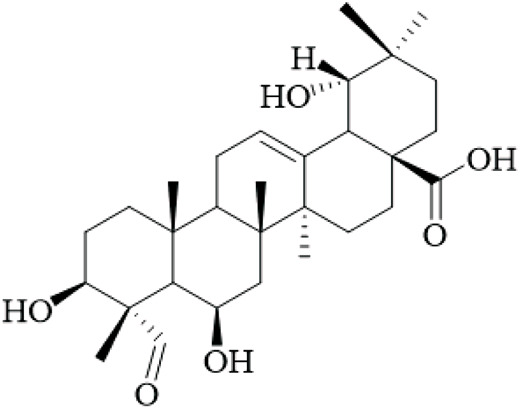 Figure 17
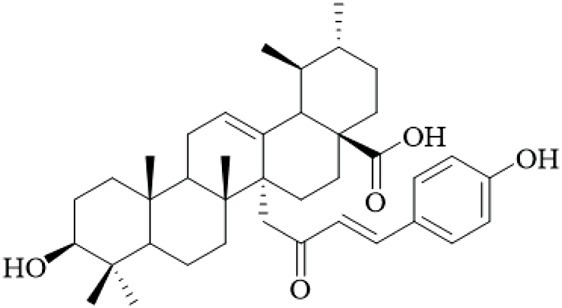 Figure 18
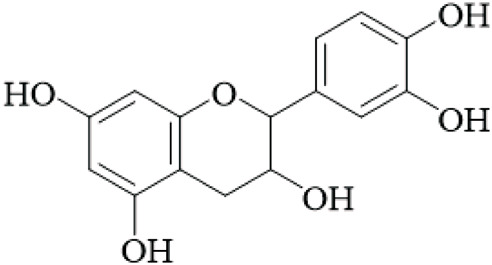 Figure 19
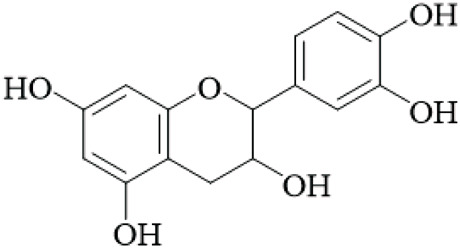 Figure 20
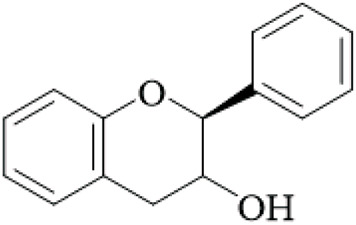 Figure 21
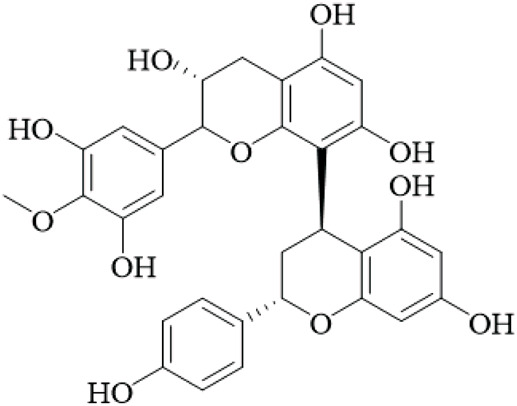 Figure 22
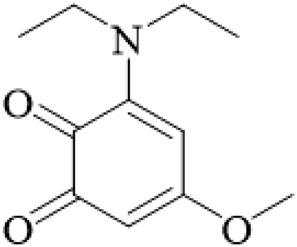 Figure 23
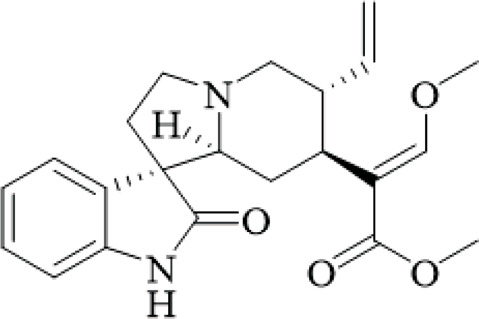 Figure 24
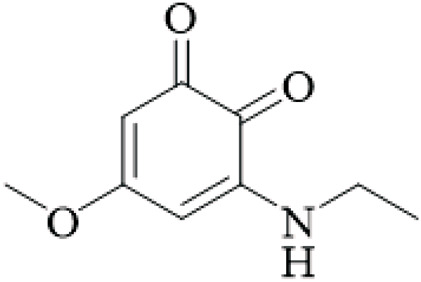 Figure 25
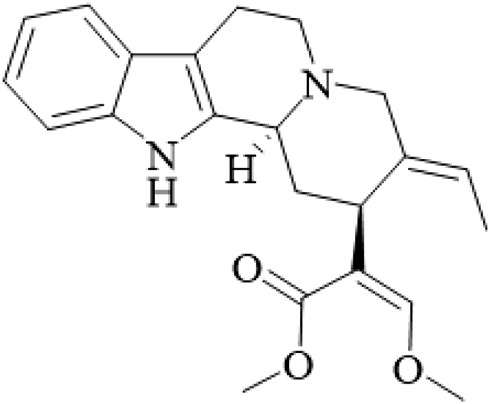 Figure 26
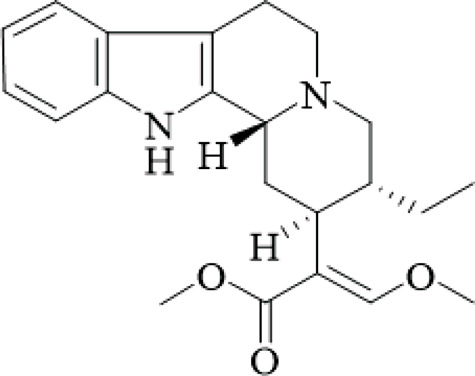 Figure 27
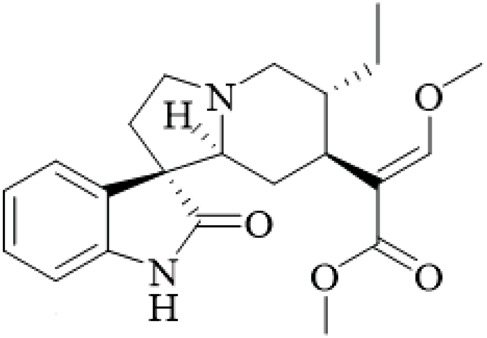 Figure 28
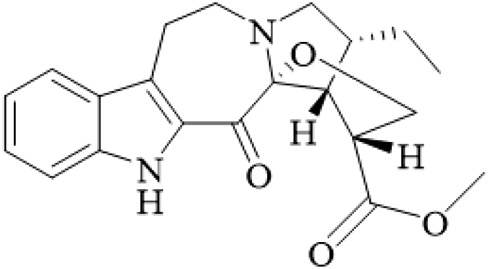 Figure 29
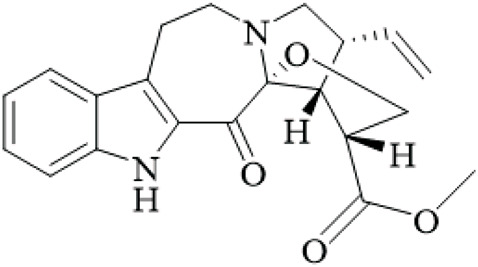 Figure 30
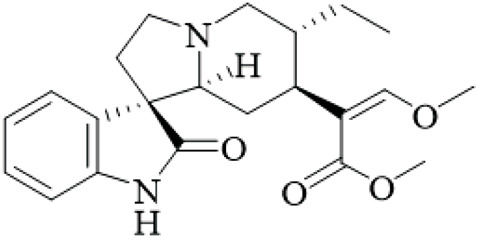 Figure 31
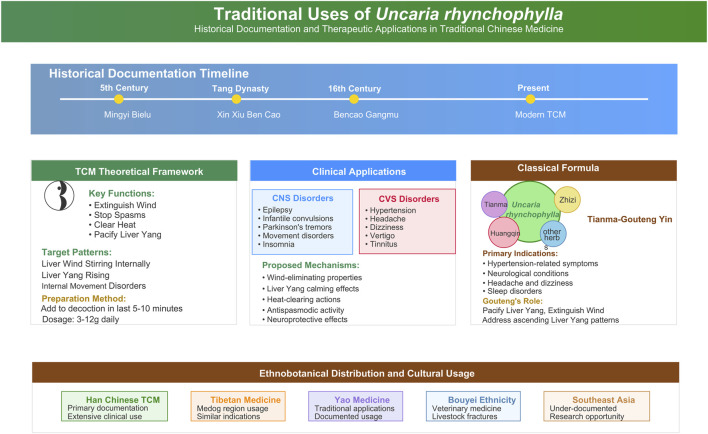 Figure 32
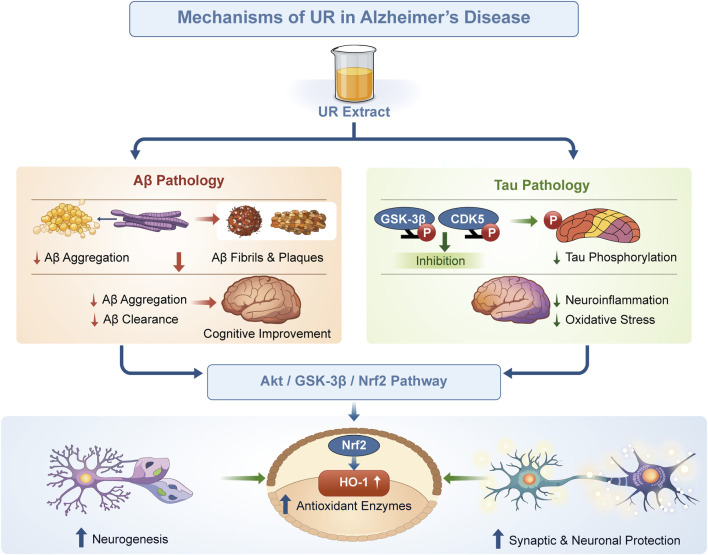 Figure 33
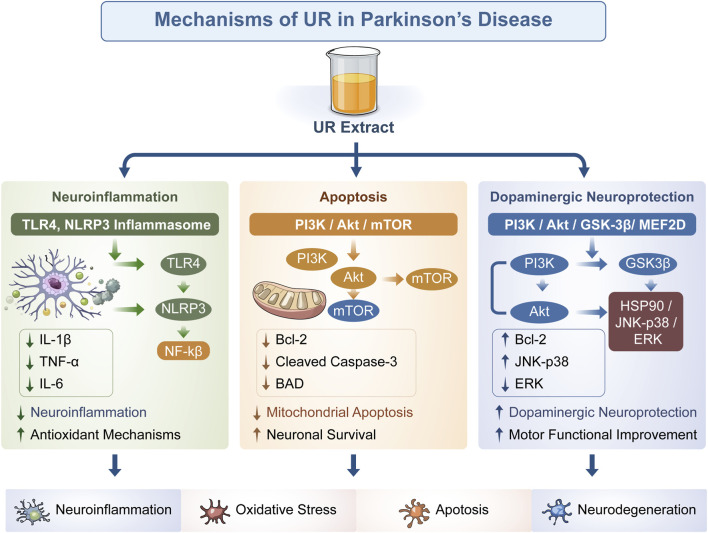 Figure 34
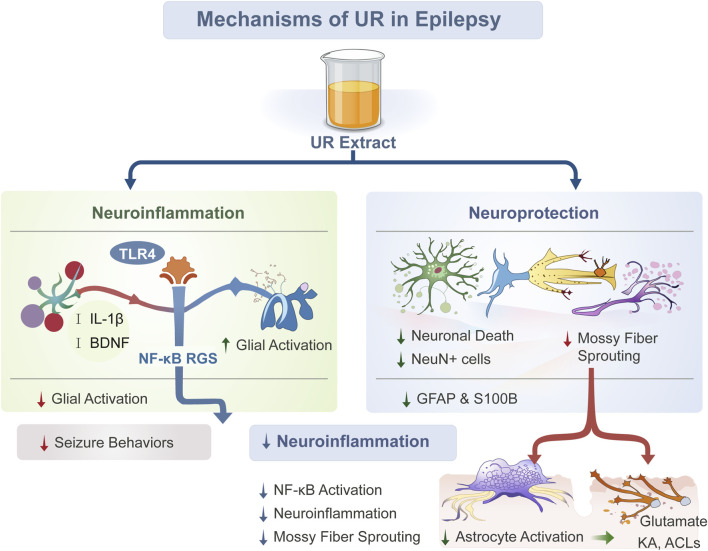 Figure 35
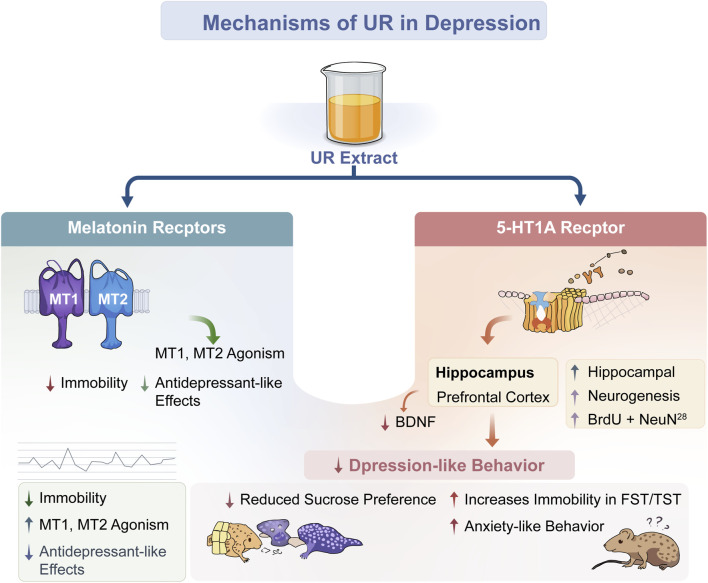 Figure 36
 Figure 37
Peer Reviews
No public reviews on file for this paper yet. If you reviewed it on a platform where reviews are public (OpenReview, ICLR, NeurIPS, ICML), you can paste yours below so the community can read it here.
Videos
No videos yet. Explain this paper in a talk, walkthrough, or lecture? Add one.
Taxonomy
TopicsAlkaloids: synthesis and pharmacology · Neurotransmitter Receptor Influence on Behavior · Berberine and alkaloids research