What factors drive or hinder drugstores and residents from jointly recycling expired drugs? An evolutionary game analysis
Shiying Jiang, Chunyan Ma, Xiaochun Zeng

TL;DR
This paper uses evolutionary game theory to study what encourages or discourages drugstores and residents from working together to recycle expired drugs.
Contribution
The paper introduces a novel evolutionary game model to analyze the factors influencing joint expired drug recycling behavior.
Findings
Socioeconomic performance and moderate rewards drive cooperation in expired drug recycling.
Recycling costs, time loss, and promotional costs hinder joint recycling efforts.
The model identifies value ranges for key driving and hindering factors.
Abstract
Expired drugs are widely present in various countries and regions around the world and have serious adverse effects on land, the natural environment, public health, and economic development. Therefore, it is important to explore how drugstores can collaborate with residents to recycle these drugs. However, there is currently a lack of systematic research in this field. To fill this research gap, this article applies evolutionary game theory to establish a theoretical model. The cooperative evolution trend and stable strategies between the two parties are analyzed, and the driving and hindering factors are also explored. Numerical simulation and sensitivity analysis indicate that socioeconomic performance and moderate reward outputs are key driving factors influencing joint recycling behavior between drugstores and residents. In contrast, recycling costs, time loss, promotional costs,…
Click any figure to enlarge with its caption.
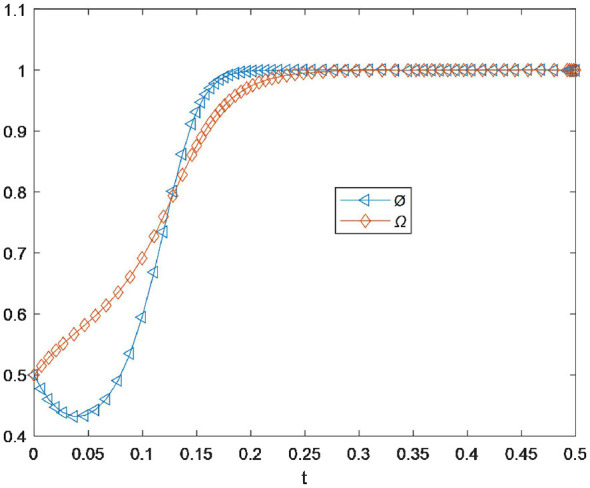 Figure 1
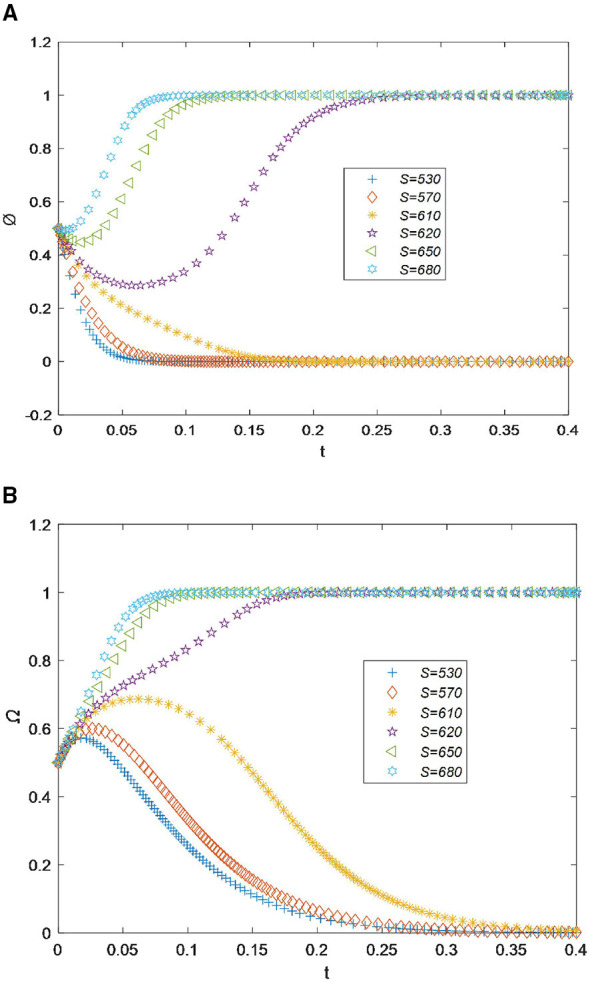 Figure 2
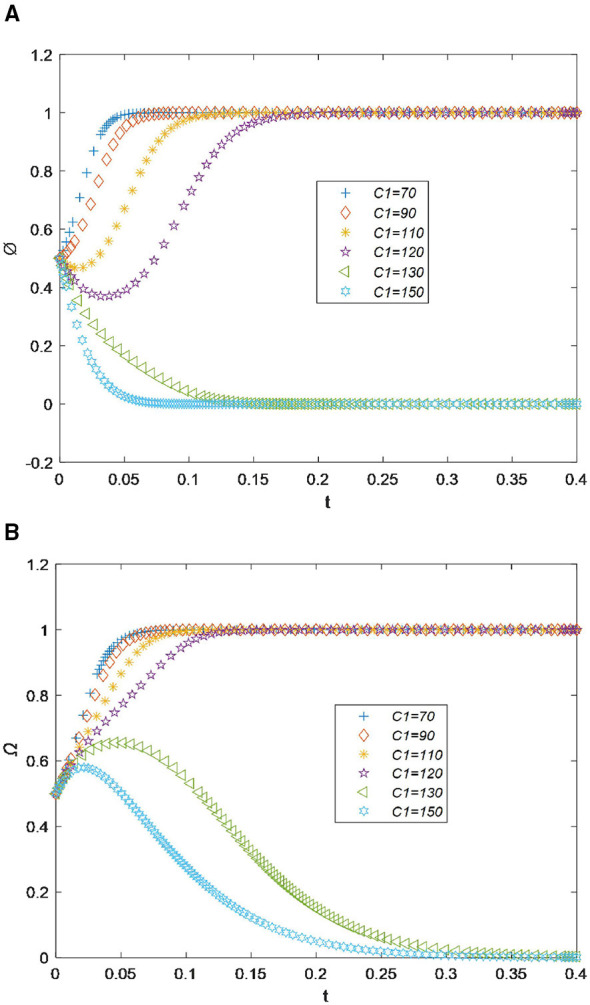 Figure 3
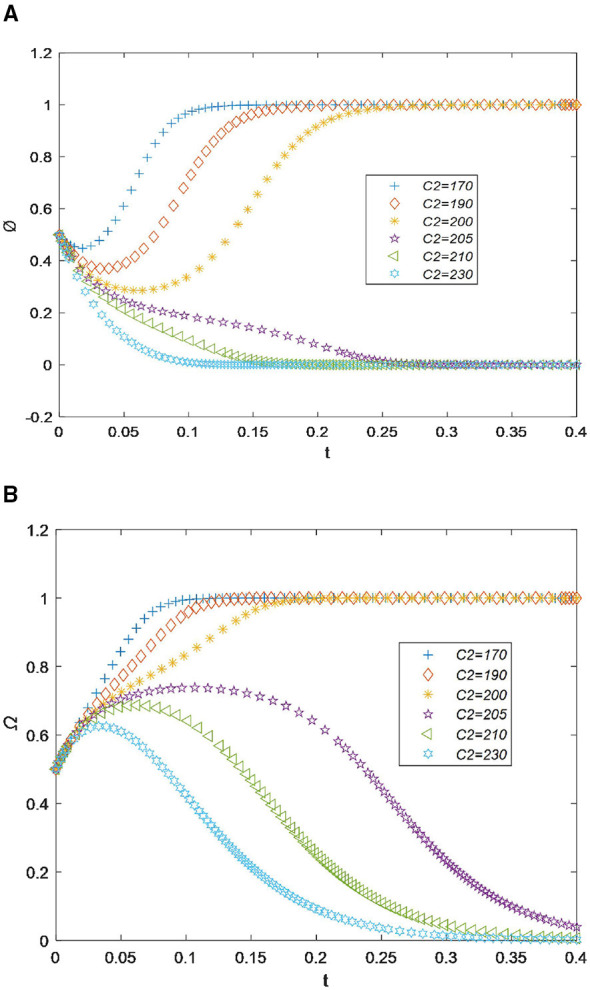 Figure 4
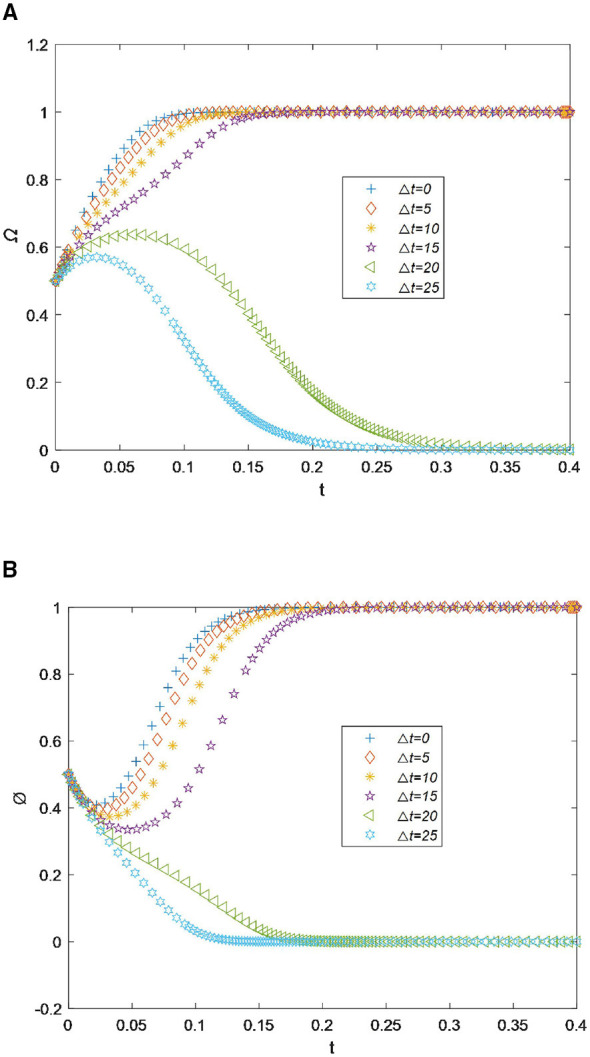 Figure 5
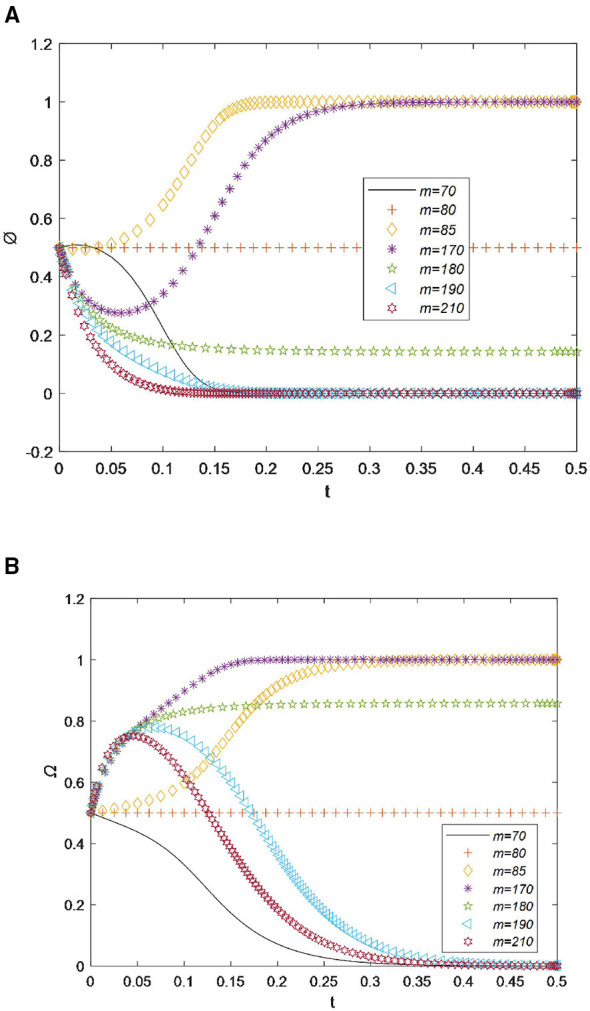 Figure 6
Peer Reviews
No public reviews on file for this paper yet. If you reviewed it on a platform where reviews are public (OpenReview, ICLR, NeurIPS, ICML), you can paste yours below so the community can read it here.
Videos
No videos yet. Explain this paper in a talk, walkthrough, or lecture? Add one.
Taxonomy
TopicsRecycling and Waste Management Techniques · Pharmaceutical and Antibiotic Environmental Impacts · Municipal Solid Waste Management