The correlation of umbilical cord blood quality and placental function with neonatal outcomes in fetal growth restriction
Lu Zou, Yanying Zeng, Liaoliao Zhao, Congying Shi, Chen Yang, Yanbin Zhu

TL;DR
This study finds that placental function and umbilical cord blood quality are linked to neonatal outcomes in pregnancies with fetal growth restriction.
Contribution
The study identifies specific umbilical artery Doppler and cord blood parameters as novel predictors of neonatal prognosis in fetal growth restriction.
Findings
Elevated umbilical artery pulsatility index (PI), resistance index (RI), and systolic/diastolic (S/D) ratio are associated with unfavorable neonatal outcomes.
Impaired acid-base balance in umbilical cord blood, indicated by lower pH and pO2, correlates with poor neonatal prognosis.
Placental function indices and cord blood gas analysis provide significant predictive value when adjusted for gestational age and birth weight.
Abstract
Fetal growth restriction (FGR) poses significant risks to neonatal health, necessitating reliable prognostic indicators. This study evaluates predictive factors including umbilical cord blood parameters, placental function indices, and umbilical artery Doppler measurements for neonatal outcomes in FGR. This retrospective cohort study analyzed clinical records of 412 pregnant women with FGR admitted from January 2022 to December 2023. Participants were divided into favorable prognosis (5-min Apgar score >7; n = 310) and unfavorable prognosis (5-min Apgar score ≤7, fetal demise, intrauterine fetal death, or neonatal death; n = 102) groups. Data included demographic details, hematological and coagulation parameters, ultrasound findings, and umbilical cord blood gas analysis. Variance inflation factor (VIF) testing was performed to assess multicollinearity, and potential confounders…
Genes, proteins, chemicals, diseases, species, mutations and cell lines named across the full text — each resolved to its canonical identifier and authoritative record.
Click any figure to enlarge with its caption.
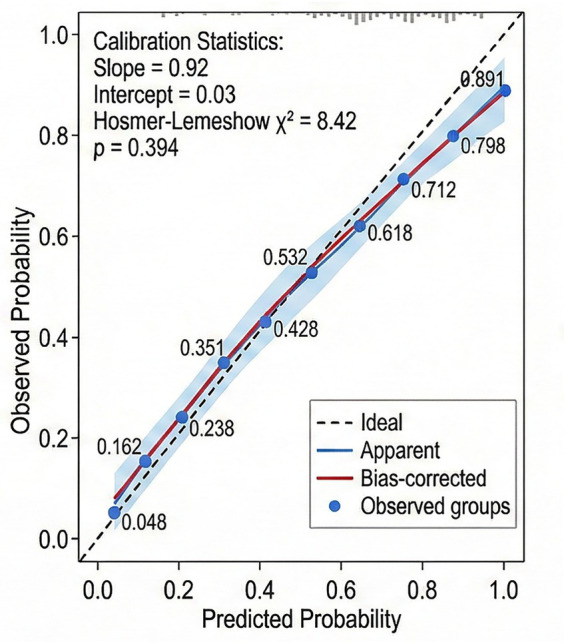 Figure 1
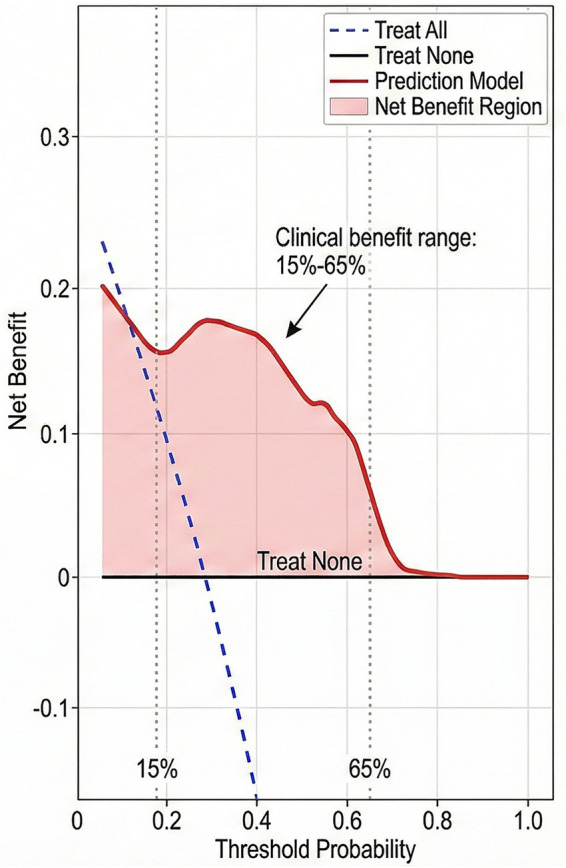 Figure 2
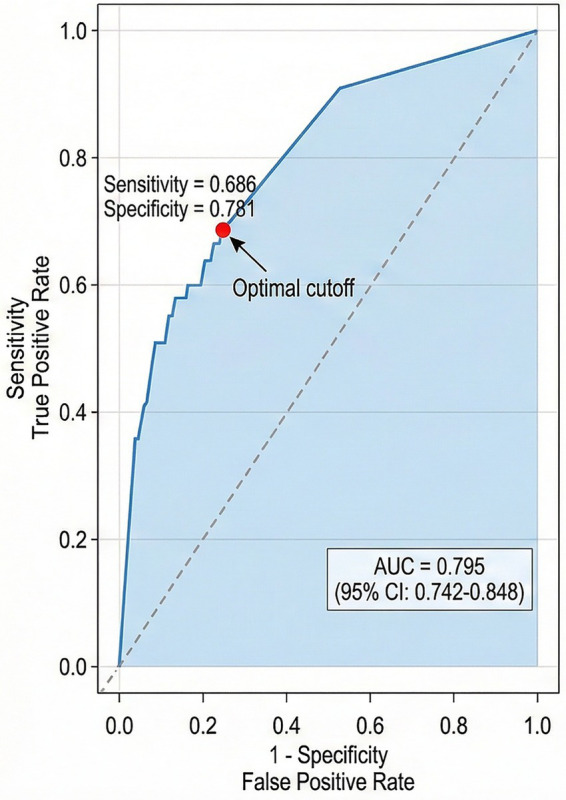 Figure 3
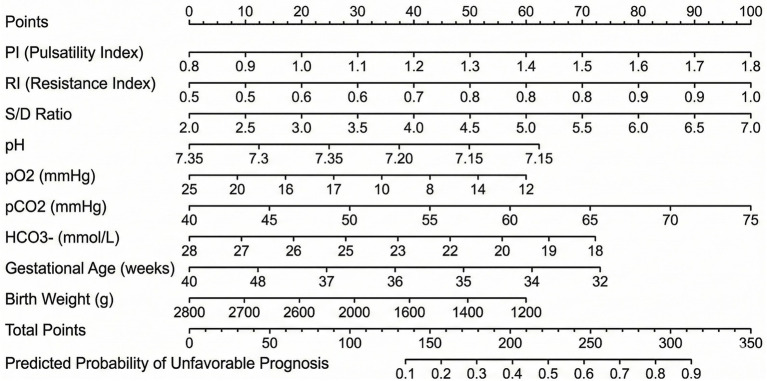 Figure 4
Peer Reviews
No public reviews on file for this paper yet. If you reviewed it on a platform where reviews are public (OpenReview, ICLR, NeurIPS, ICML), you can paste yours below so the community can read it here.
Videos
No videos yet. Explain this paper in a talk, walkthrough, or lecture? Add one.
Taxonomy
TopicsPregnancy and preeclampsia studies · Neonatal and fetal brain pathology · Maternal and fetal healthcare