Upper Atmosphere Dynamics and Drivers of Volatiles Loss from Terrestrial-Type (Exo)Planets
Daria Kubyshkina, M. J. Way, Iannis Dandouras, Helmut Lammer, Antonino Francesco Lanza, Manasvi Lingam, Rumi Nakamura, Moa Persson, Manuel Scherf, Kanako Seki

TL;DR
This paper explores how exoplanets lose their atmospheres due to high X-ray and UV exposure from their host stars, especially M- and K-dwarfs, and how this affects their potential for habitability.
Contribution
The paper provides a comparative analysis of volatile loss in terrestrial planets across different stellar environments, including our solar system and exoplanetary systems.
Findings
M- and K-dwarf stars emit high X-ray and UV fluxes that may strip atmospheres from nearby terrestrial planets.
The long-term habitability of exoplanets depends on their volatile inventories and stellar activity levels.
Comparative studies of solar system planets help understand volatile loss in exoplanetary systems.
Abstract
Volatile loss from exoplanetary atmospheres and its possible implications for the longevity of habitable surface conditions is a topic of vigorous debate currently. The vast majority of the habitable zone terrestrial-like exoplanets known to date orbit low-mass M- and K-dwarf stars and are subject to the conditions drastically different to those of terrestrial planets in the Solar System. In particular, they orbit far closer to their host stars than similar planets around G-dwarfs similar to the Sun. Therefore they receive higher X-ray and UV fluxes, even though luminosities of M- and K-dwarfs are lower than those of heavier stars. Furthermore, due to their slower evolution, M-dwarfs retain high activity on the gigayear timescales. The combination of these two effects has led to claims that most terrestrial planets orbiting M-dwarfs may have their atmospheres stripped from the higher…
Genes, proteins, chemicals, diseases, species, mutations and cell lines named across the full text — each resolved to its canonical identifier and authoritative record.
Click any figure to enlarge with its caption.
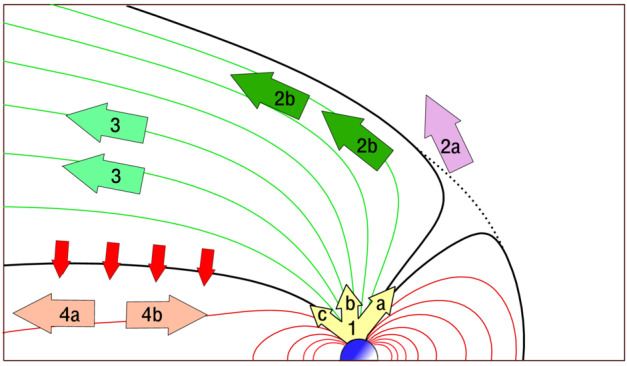 Figure 10
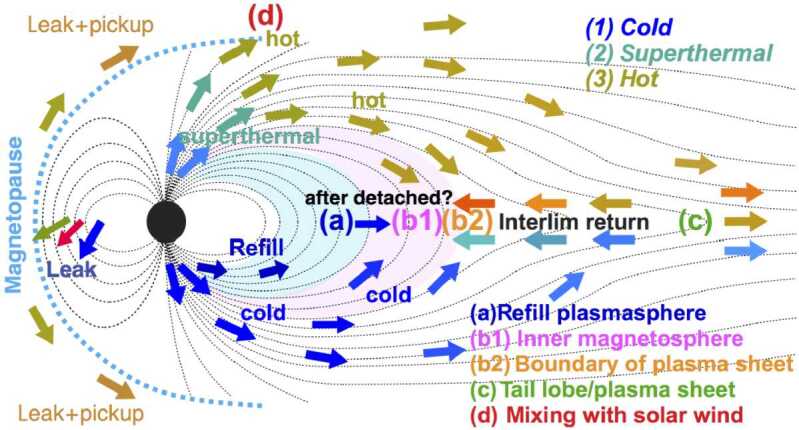 Figure 11
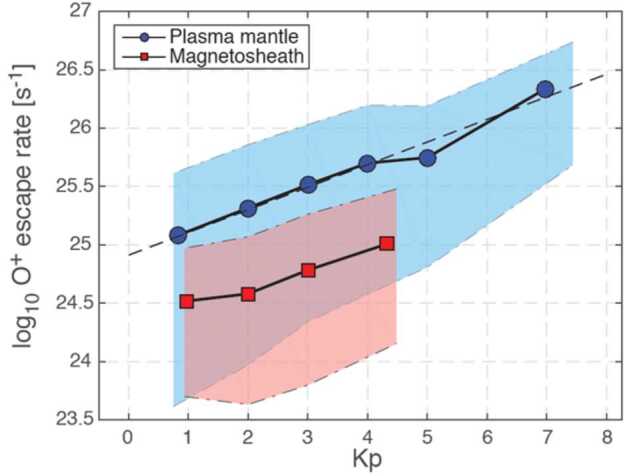 Figure 12
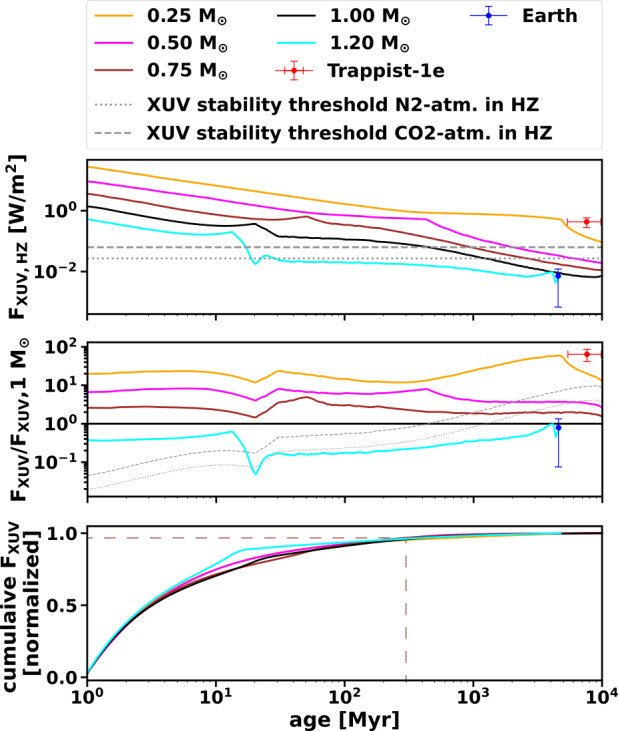 Figure 13
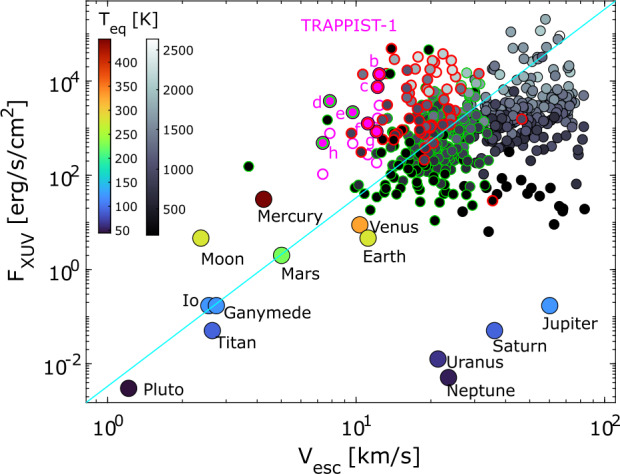 Figure 14
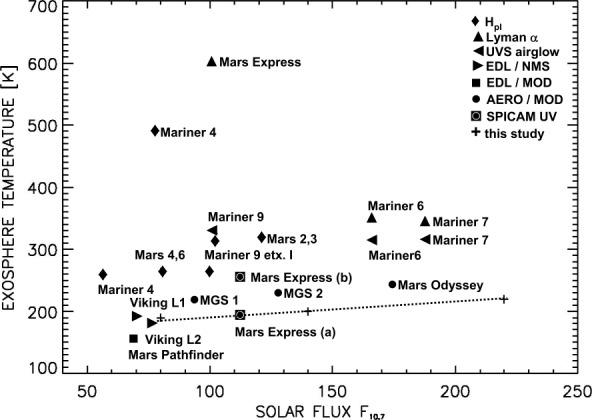 Figure 15
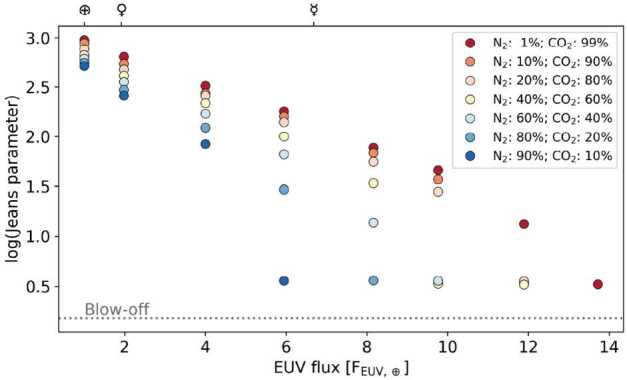 Figure 16
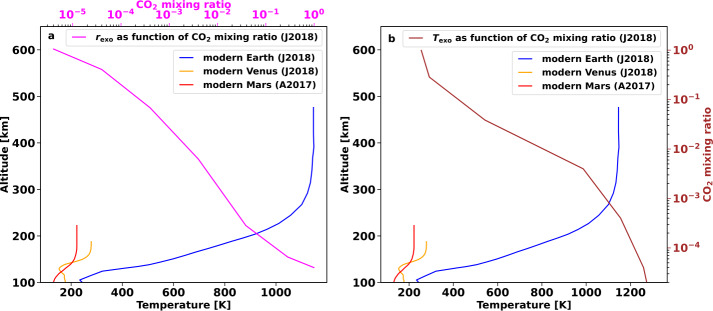 Figure 17
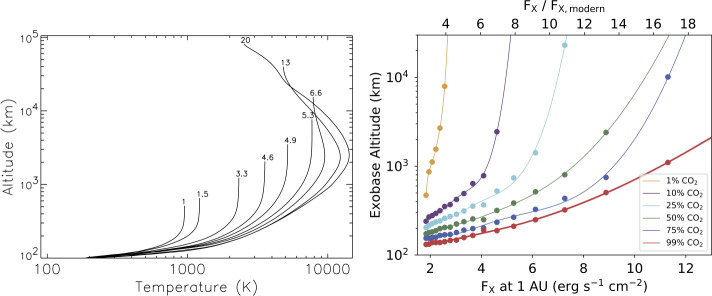 Figure 18
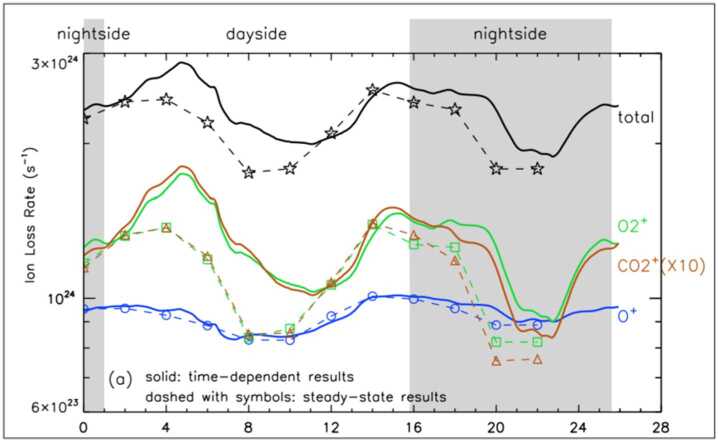 Figure 19
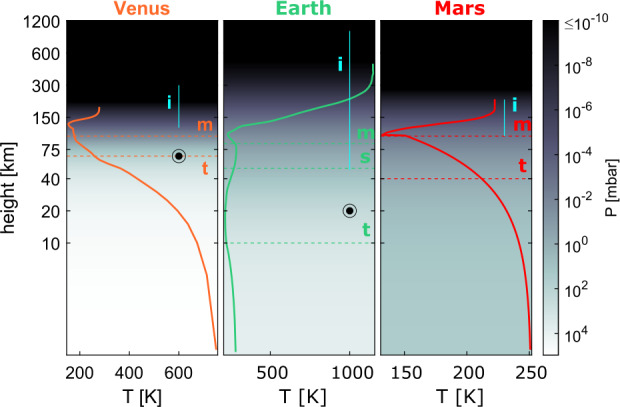 Figure 1
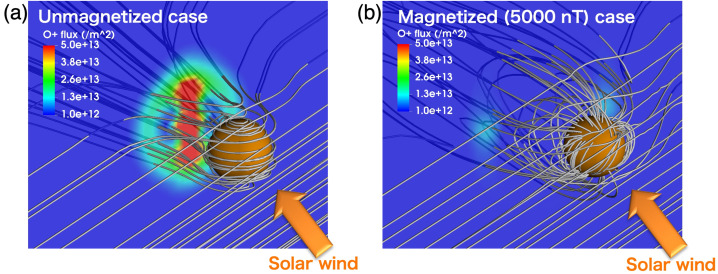 Figure 20
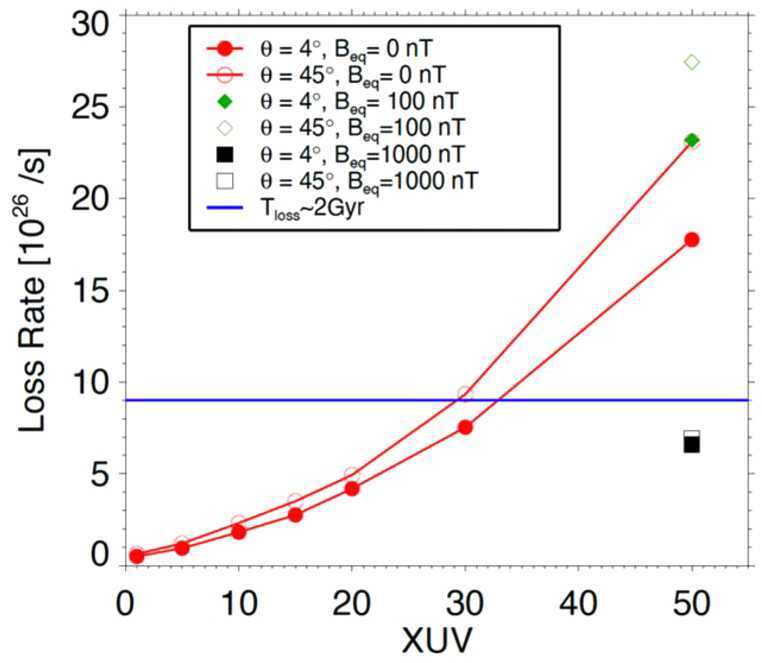 Figure 21
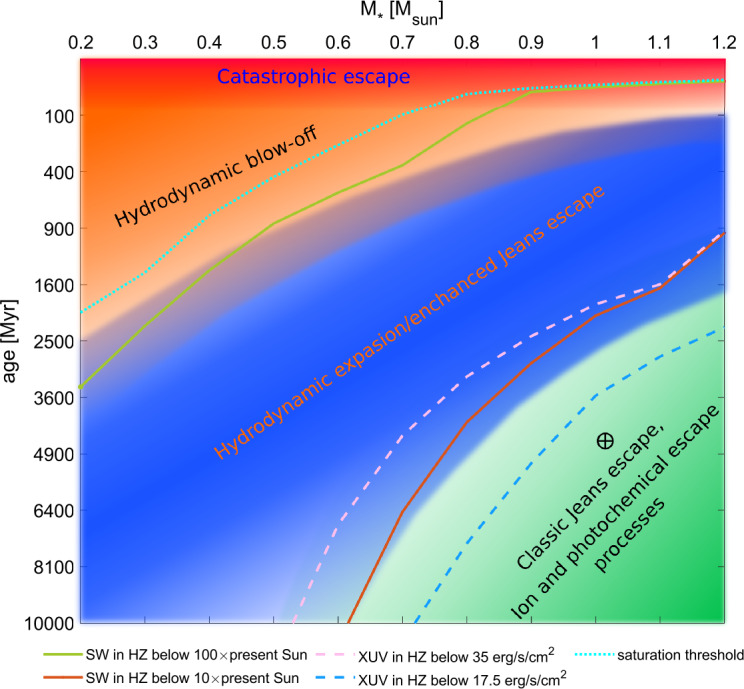 Figure 22
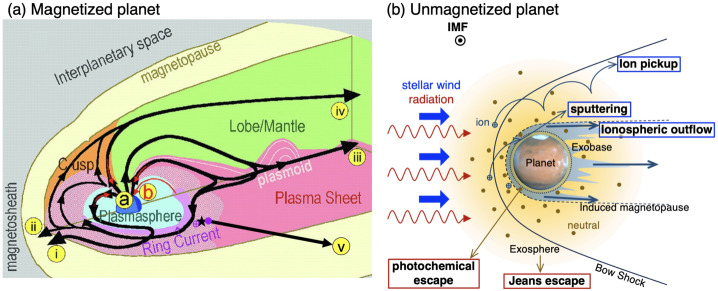 Figure 2
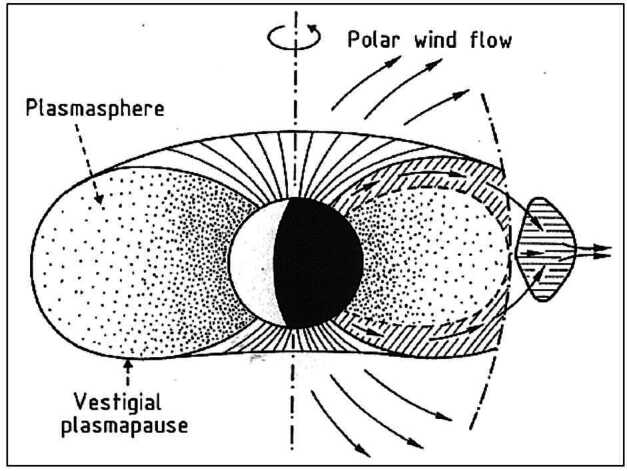 Figure 3
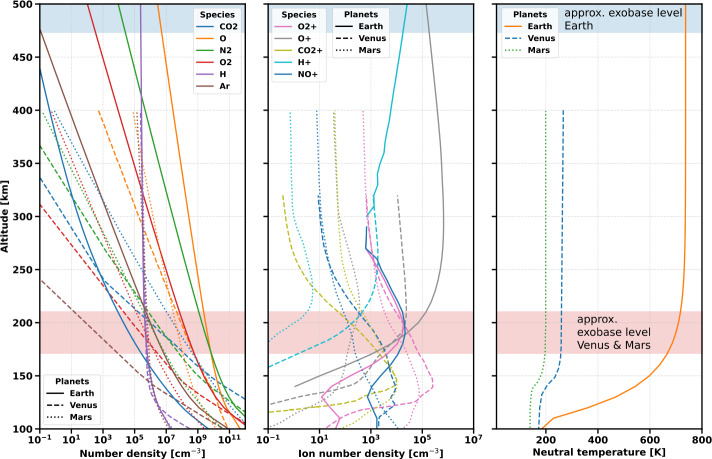 Figure 4
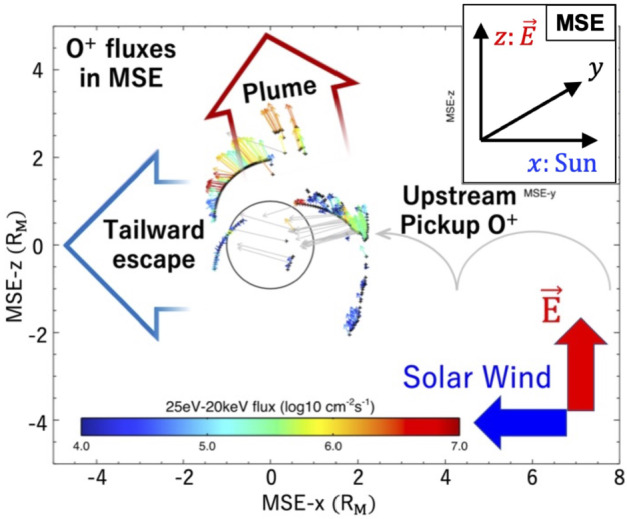 Figure 5
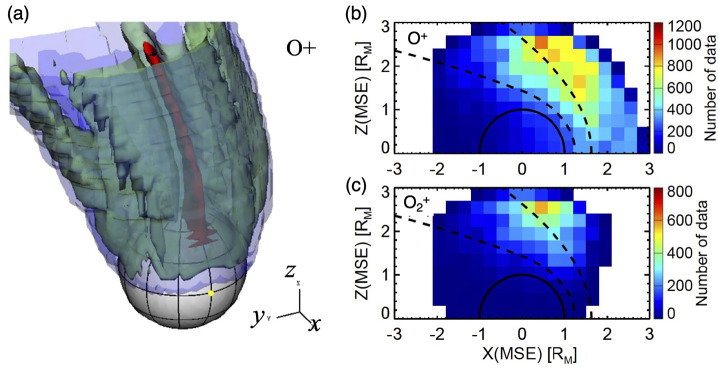 Figure 6
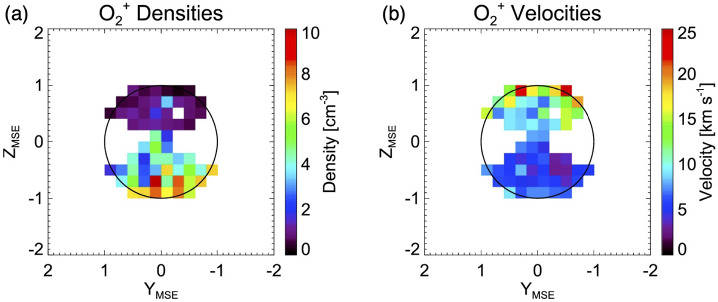 Figure 7
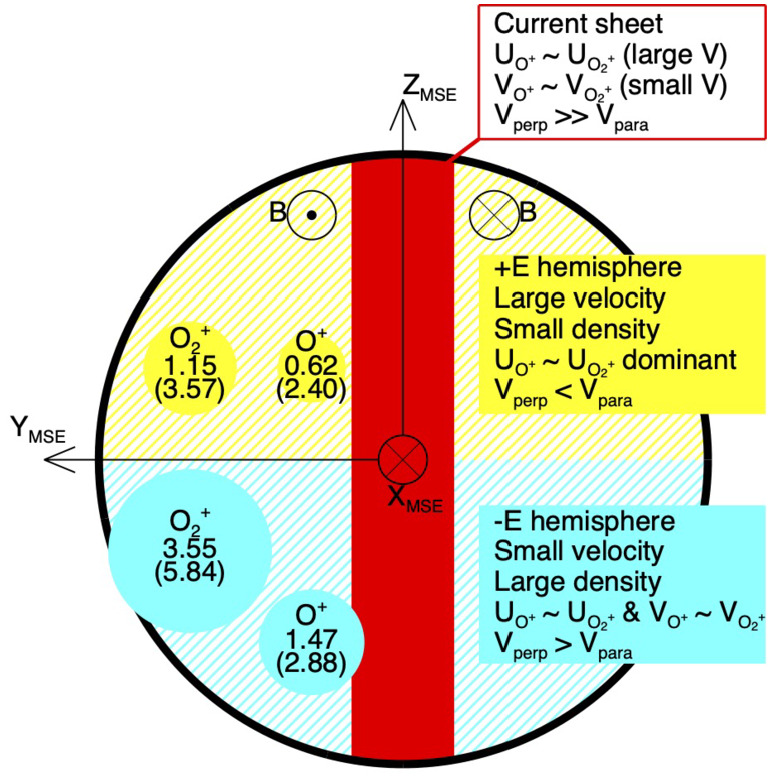 Figure 8
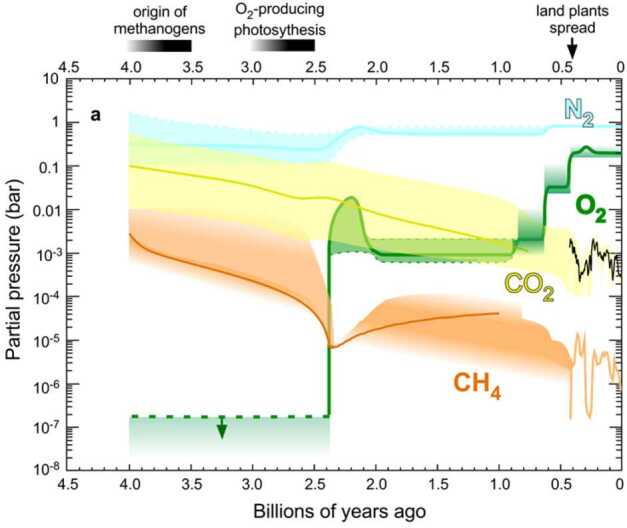 Figure 9
Peer Reviews
No public reviews on file for this paper yet. If you reviewed it on a platform where reviews are public (OpenReview, ICLR, NeurIPS, ICML), you can paste yours below so the community can read it here.
Videos
No videos yet. Explain this paper in a talk, walkthrough, or lecture? Add one.
Taxonomy
TopicsStellar, planetary, and galactic studies · Astronomy and Astrophysical Research · Astrophysics and Star Formation Studies