A distinct tau oligomer strain defines the molecular and proteomic landscape of rapidly progressive Alzheimer’s disease
Tayyaba Saleem, Wiebke Möbius, Matthias Schmitz, Angela da Silva Correia, Carolina Thomas, Sezgi Canaslan, Peter Hermann, Stefan Göbel, Saima Zafar, Elisabeth Root, Christine Stadelmann, Olivier Andreoletti, Michael Hoppert, Tiago Fleming Outeiro, Isidre Ferrer, Neelam Younas

TL;DR
A unique form of tau protein defines the aggressive form of Alzheimer's disease known as rapidly progressive Alzheimer's.
Contribution
Identification of a distinct tau oligomer strain in rapidly progressive Alzheimer's disease with unique structural and biochemical features.
Findings
rpAD TauO showed compact structure and highest phosphorylation levels compared to spAD and controls.
rpAD TauO significantly reduced cell viability in SH-SY5Y cells and had unique proteomic interactions.
rpAD TauO interactome was enriched in metabolic and cytoskeleton-related pathways, unlike spAD and controls.
Abstract
Rapidly progressive Alzheimer’s disease (rpAD) is a rare subtype with rapid decline, but its molecular underpinnings remain poorly defined. Here, brain-derived tau oligomers (TauO) were systematically compared across nondemented controls, slowly progressive AD (spAD), and rpAD to test whether subtype-specific TauO signatures align with clinical aggressiveness. TauO were immunoprecipitated from frontal cortex using T22 antibody and characterized by Western blotting, transmission electron microscopy, label-free quantitative proteomics, and SH-SY5Y toxicity assays, complemented by longitudinal analysis of tau phosphorylation in inoculated 3xTg AD mice. T22-positive high-molecular-weight TauO were successfully enriched from all groups, where rpAD TauO exhibited compact, densely packed oligomers under TEM and the highest phosphorylation at pS396 and pS422, exceeding both spAD and controls (p…
Genes, proteins, chemicals, diseases, species, mutations and cell lines named across the full text — each resolved to its canonical identifier and authoritative record.
Click any figure to enlarge with its caption.
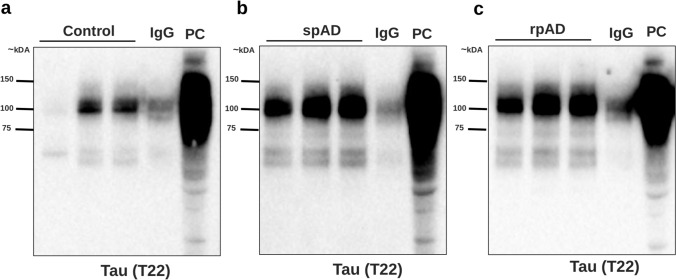 Figure 1
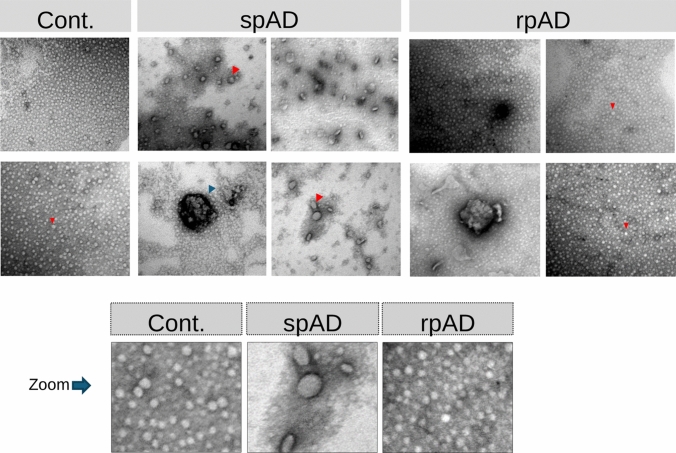 Figure 2
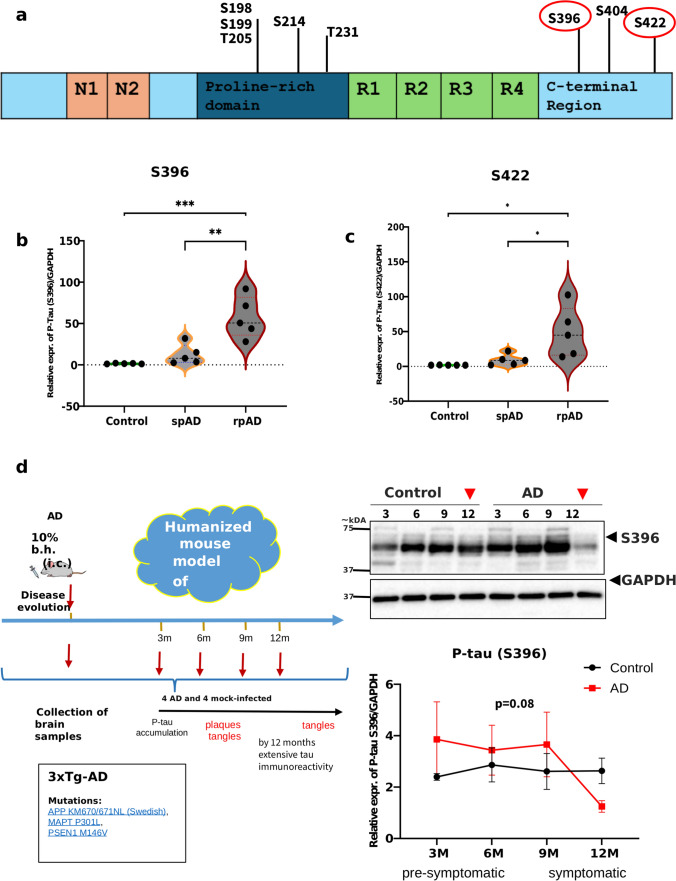 Figure 3
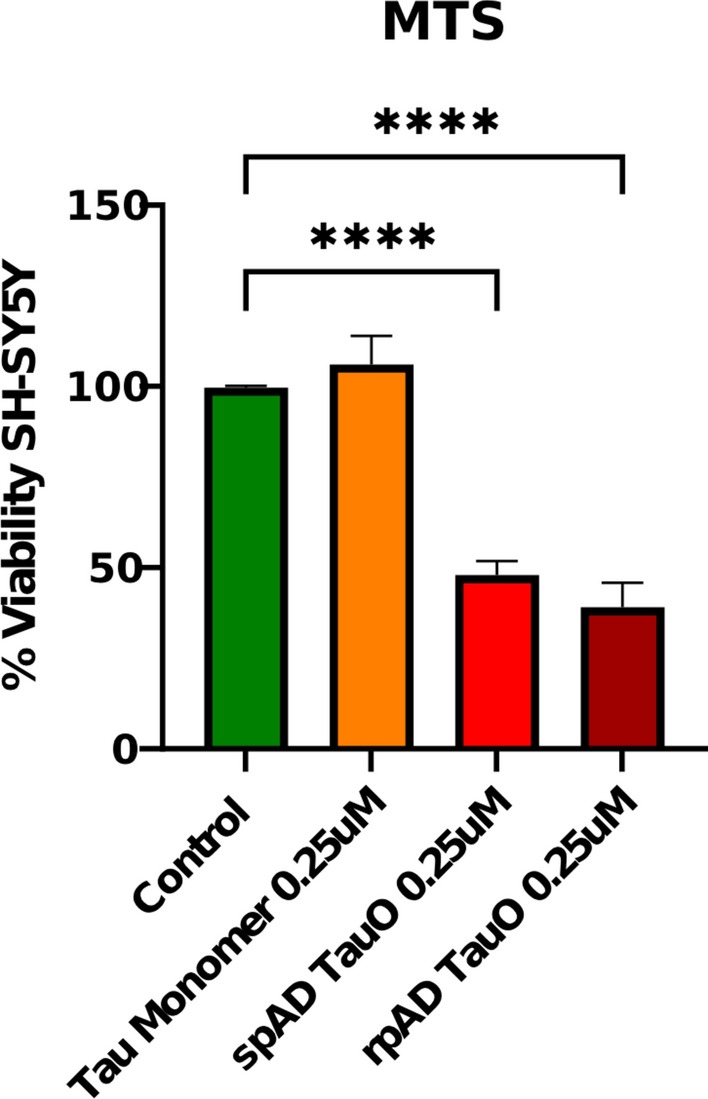 Figure 4
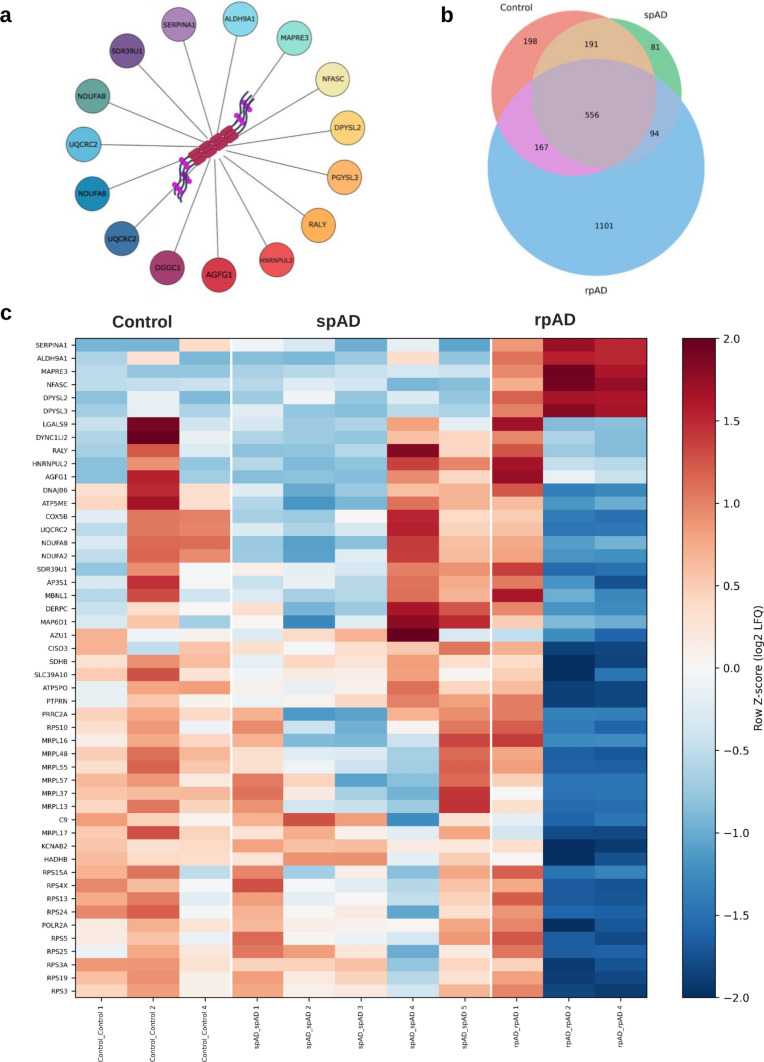 Figure 5
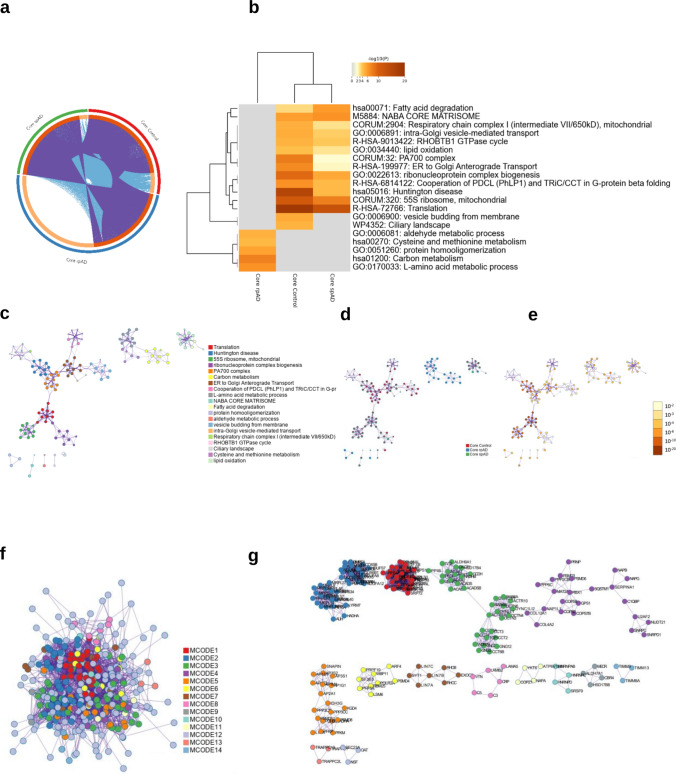 Figure 6
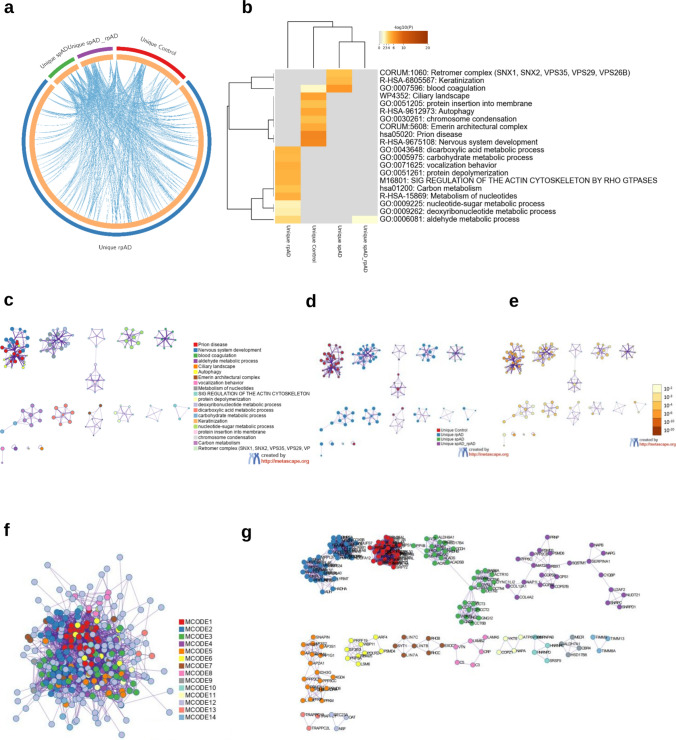 Figure 7
Peer Reviews
No public reviews on file for this paper yet. If you reviewed it on a platform where reviews are public (OpenReview, ICLR, NeurIPS, ICML), you can paste yours below so the community can read it here.
Videos
No videos yet. Explain this paper in a talk, walkthrough, or lecture? Add one.
Taxonomy
TopicsAlzheimer's disease research and treatments · Cholinesterase and Neurodegenerative Diseases · Dementia and Cognitive Impairment Research