Isotopic composition of individual hydrobiidae gastropods from neotropical lakes Esmeralda and Chichancanab in the Maya Cochuah region, Mexico: implications for palaeolimnological research
Haydar B. Martinez-Dyrzo, Matthew D. Jones, Sarah E. Metcalfe, Melanie J. Leng, Roger Medina-Gonzalez

TL;DR
This study examines the isotopic composition of snail shells from two lakes in Mexico to understand how individual variability affects paleoenvironmental reconstructions.
Contribution
The study reveals that individual shell isotope variability does not significantly affect composite samples and suggests non-climatic factors influence carbon isotope values.
Findings
Median oxygen isotope values from shells match bulk sediment values despite bimodal distributions.
No significant difference in oxygen isotope values was found between Hydrobiidae taxa.
Carbon isotope values show little variability down core, indicating non-climatic controls.
Abstract
Most lake-carbonate-isotope records from the Maya Lowlands are based on picking fossil carbonate ostracods and gastropods, often using the species Pyrgophorus coronatus, and then combining individual specimens from a single core layer to provide a composite sample. What has been left relatively unexplored is the variability between individual shells and the impact this might have on the values obtained from such composite samples. Here, the stable carbon and oxygen isotope signatures of modern P. coronatus, a littoral and detritivore species, and other Hydrobiidae taxa (Aroapyrgus sp. and Tryonia sp.) found in Lake Esmeralda and its much larger sister lake Chichancanab, in the Northern Maya Lowlands (also called Mayab or Yucatan Peninsula), were analysed to explore some of the environmental variables that might affect isotope composition. In addition, the carbon and oxygen isotope…
Genes, proteins, chemicals, diseases, species, mutations and cell lines named across the full text — each resolved to its canonical identifier and authoritative record.
Click any figure to enlarge with its caption.
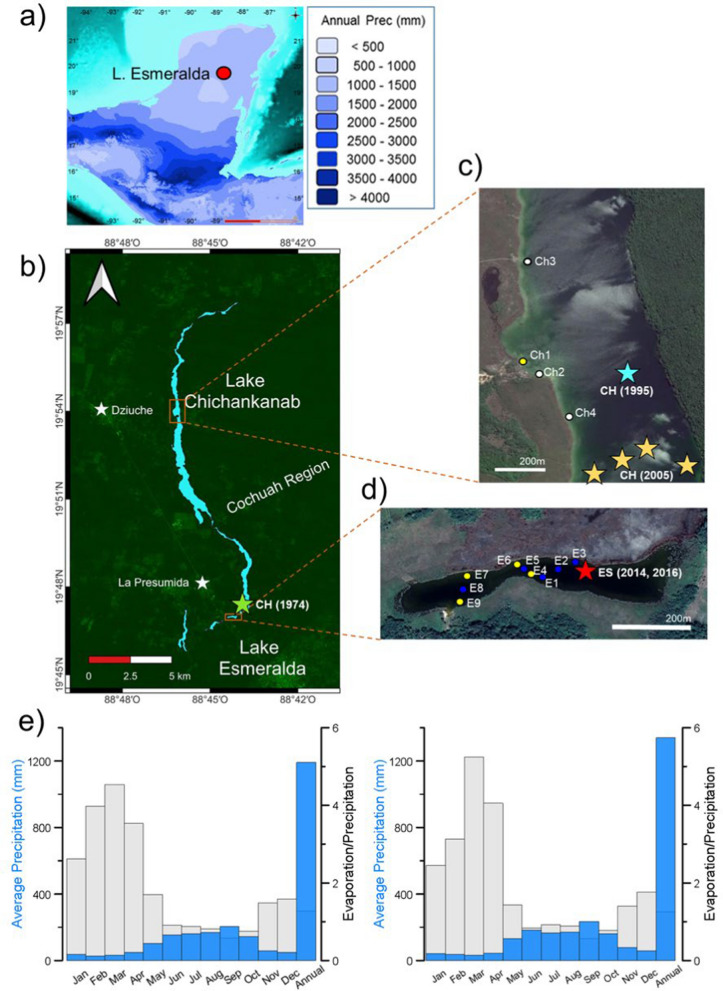 Figure 1
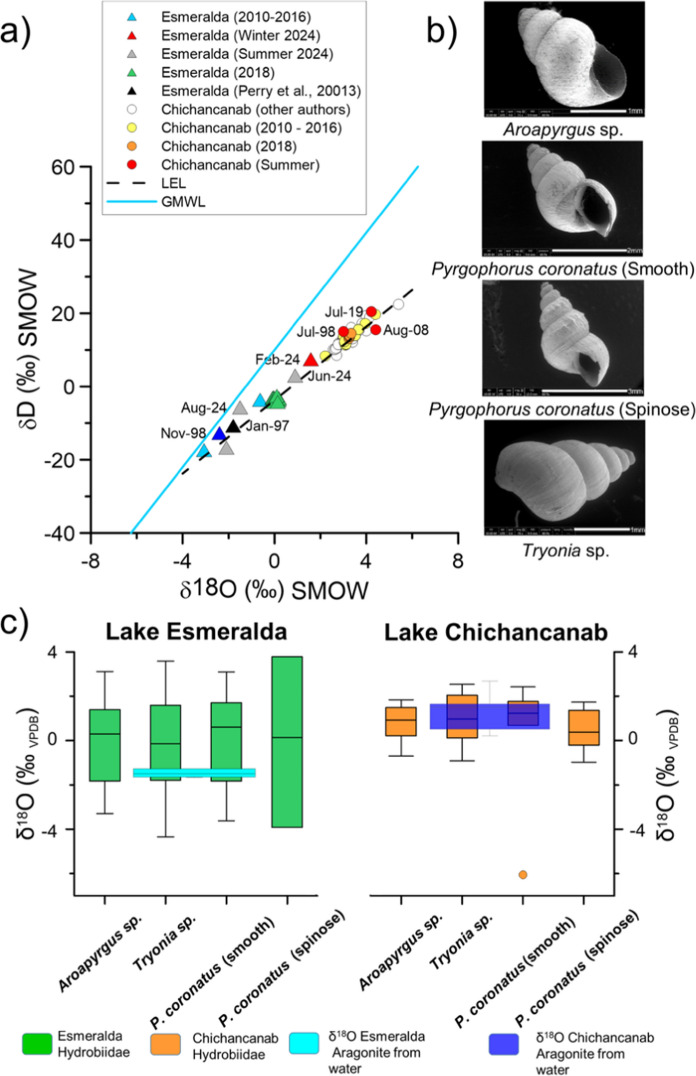 Figure 2
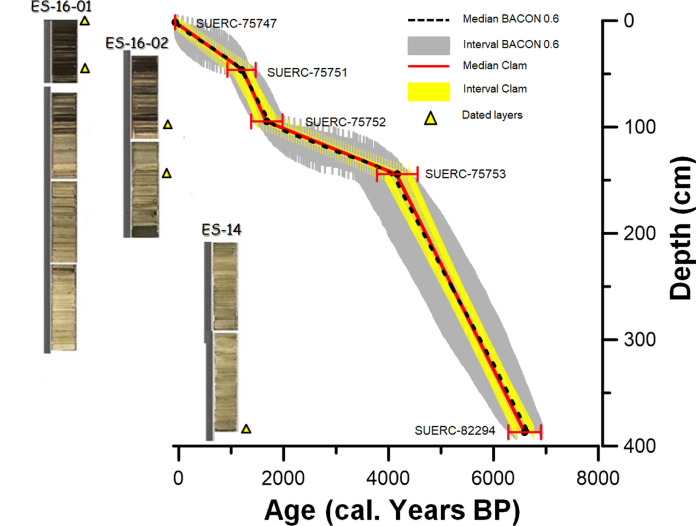 Figure 3
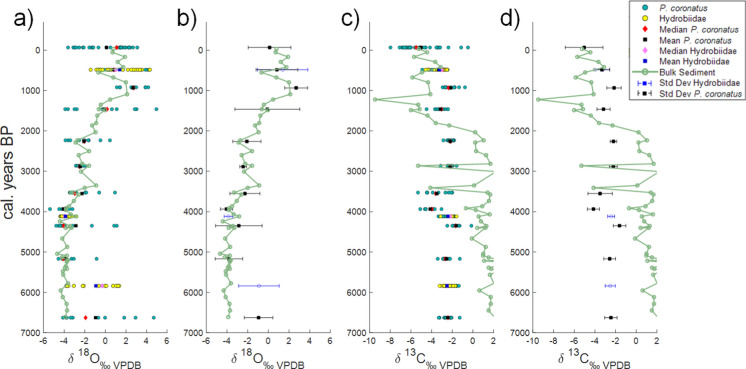 Figure 4
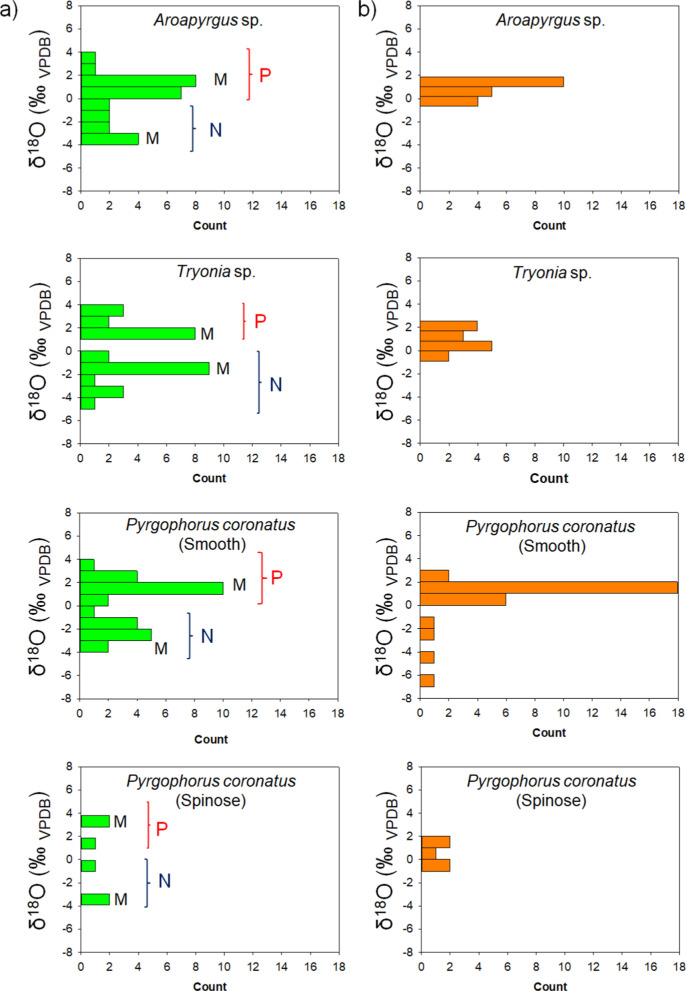 Figure 5
Peer Reviews
No public reviews on file for this paper yet. If you reviewed it on a platform where reviews are public (OpenReview, ICLR, NeurIPS, ICML), you can paste yours below so the community can read it here.
Videos
No videos yet. Explain this paper in a talk, walkthrough, or lecture? Add one.
Taxonomy
TopicsAquatic Invertebrate Ecology and Behavior · Marine Bivalve and Aquaculture Studies · Paleontology and Stratigraphy of Fossils