Stereotactic radiosurgery for cerebral arteriovenous malformations: Evaluation of long-term outcomes in a single institute cohort
Luis Mohr, Philipp Lishewski, Markus Schymalla, Kerem Tuna Tas, Edgar Smalec, Rita Engenhart-Cabillic, André Kemmling, Maximilian Schulze, Khaled Elsayad, Fabian Eberle, Christopher Nimsky, Hilke Vorwerk, Klemens Zink, Ahmed Gawish, Sebastian Adeberg

TL;DR
This study evaluates the long-term effectiveness of LINAC-based stereotactic radiosurgery for cerebral AVMs, showing high obliteration rates and low rebleeding risks.
Contribution
The study provides new insights into the long-term outcomes of LINAC-based SRS for AVMs, including obliteration rates and factors influencing treatment success.
Findings
5-year obliteration rates were 85.2% for grades I–II and 62.1% for grades IV–V.
Annual cumulative bleeding rates post-SRS were 1.5% in the first year and 0.7% in the second year.
Prior embolization did not affect obliteration rates, and no radiation necrosis was observed.
Abstract
The study we describe focuses on evaluating the effectiveness of linear accelerator (LINAC) stereotactic radiosurgery (SRS) in the treatment of cerebral arteriovenous malformations (AVMs). This treatment option is gaining interest due to the uncertainties associated with combined radiosurgical and endovascular treatments and the significant technological advancements in SRS. The primary goals of the study are to assess rates of obliteration (successful closure of the AVM) and rebleeding (the recurrence of bleeding posttreatment), as well as to identify factors influencing obliteration rates and to document any adverse effects associated with the procedure. The study retrospectively analyzed data from 134 patients treated with LINAC-based SRS for cerebral AVMs. The patients were categorized based on their prior treatments: 50 had undergone partial embolization, 8 had received a…
Genes, proteins, chemicals, diseases, species, mutations and cell lines named across the full text — each resolved to its canonical identifier and authoritative record.
Click any figure to enlarge with its caption.
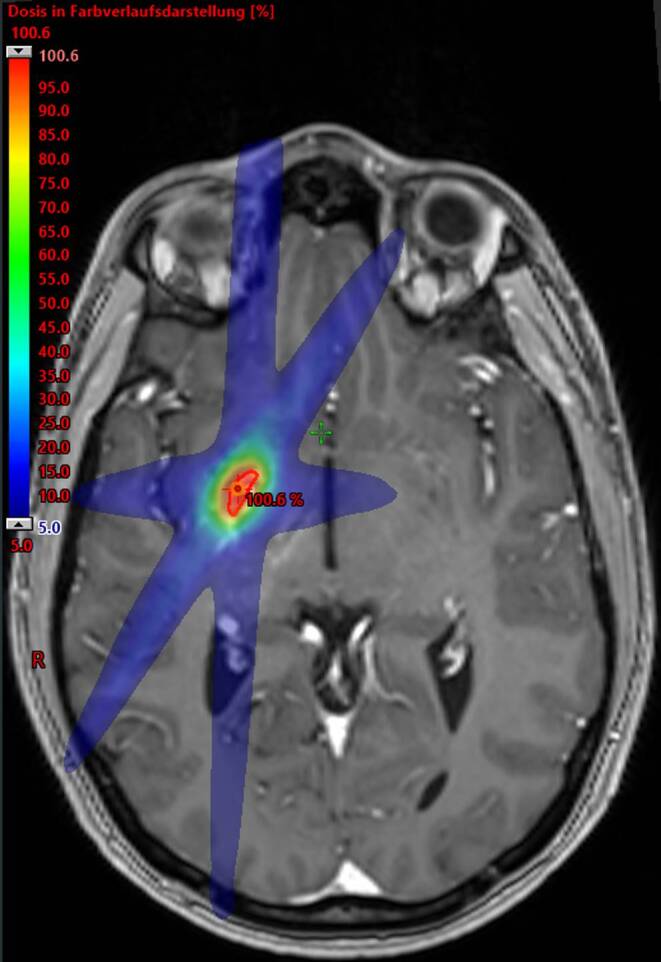 Figure 1
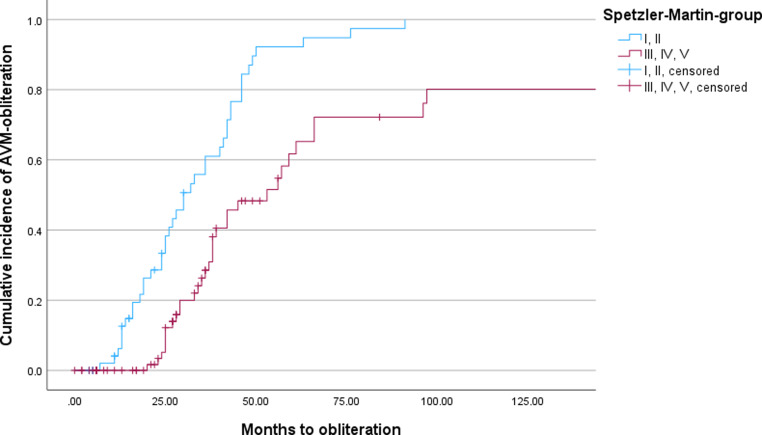 Figure 2
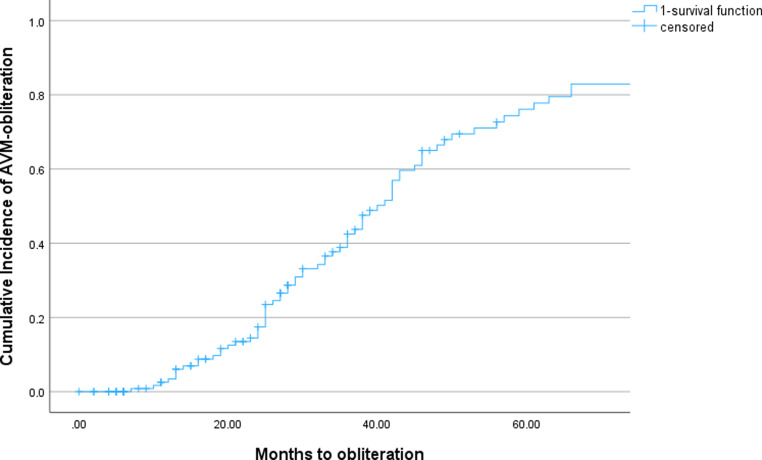 Figure 3
Peer Reviews
No public reviews on file for this paper yet. If you reviewed it on a platform where reviews are public (OpenReview, ICLR, NeurIPS, ICML), you can paste yours below so the community can read it here.
Videos
No videos yet. Explain this paper in a talk, walkthrough, or lecture? Add one.
Taxonomy
TopicsVascular Malformations Diagnosis and Treatment · Intracranial Aneurysms: Treatment and Complications · Intracerebral and Subarachnoid Hemorrhage Research