Prostate MR image segmentation using a multi-stage network approach
Lars E. O. Jacobson, Mohamed Bader-El-Den, Lalit Maurya, Adrian A. Hopgood, Vincenzo Tamma, Shamsul K. Masum, David J. Prendergast, Peter Osborn

TL;DR
This paper presents a multi-stage deep learning approach to improve prostate cancer detection using MR images, enhancing diagnostic accuracy.
Contribution
The study introduces a multi-stage segmentation framework using deep learning to improve prostate boundary delineation in MR images.
Findings
The MultiResUNet model in a multi-stage framework significantly improved prostate boundary delineation.
The end-to-end two-stage method outperformed other segmentation strategies in diagnostic accuracy.
The approach was tested on a large dataset of over 61,000 T2-weighted MR images from 1151 patients.
Abstract
Prostate cancer (PCa) remains one of the most prevalent cancers among men, with over 1.4 million new cases and 375,304 deaths reported globally in 2020. Current diagnostic approaches, such as prostate-specific antigen (PSA) testing and trans-rectal ultrasound (TRUS)-guided biopsies, are often Limited by low specificity and accuracy. This study addresses these Limitations by leveraging deep learning-based image segmentation techniques on a dataset comprising 61,119 T2-weighted MR images from 1151 patients to enhance PCa detection and characterisation. A multi-stage segmentation approach, including one-stage, sequential two-stage, and end-to-end two-stage methods, was evaluated using various deep learning architectures. The MultiResUNet model, integrated into a multi-stage segmentation framework, demonstrated significant improvements in delineating prostate boundaries. The study utilised…
Genes, proteins, chemicals, diseases, species, mutations and cell lines named across the full text — each resolved to its canonical identifier and authoritative record.
Click any figure to enlarge with its caption.
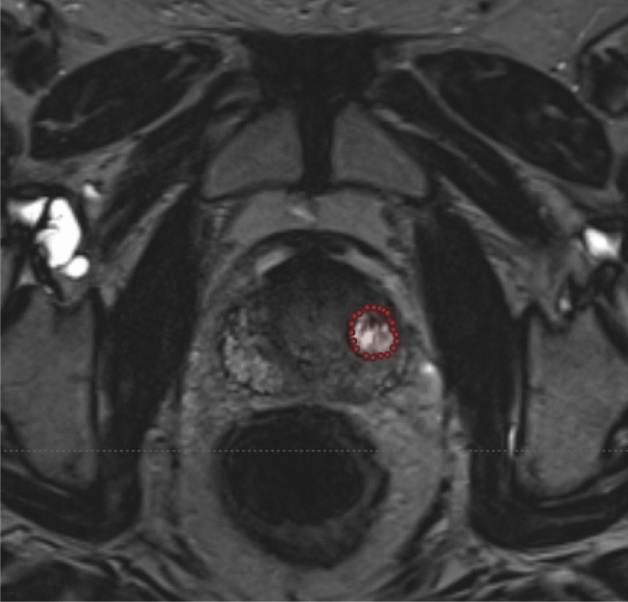 Figure 10
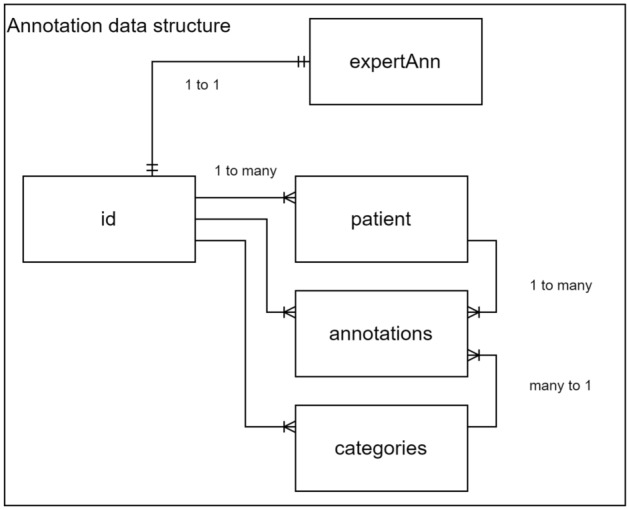 Figure 11
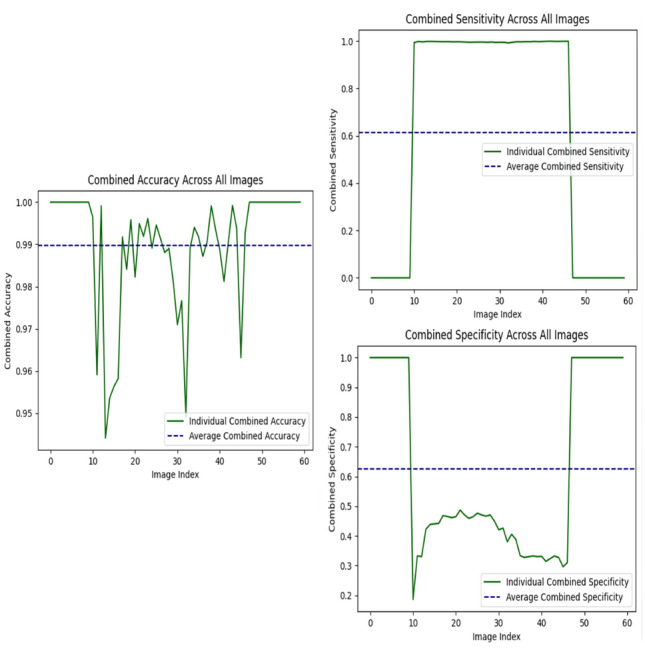 Figure 12
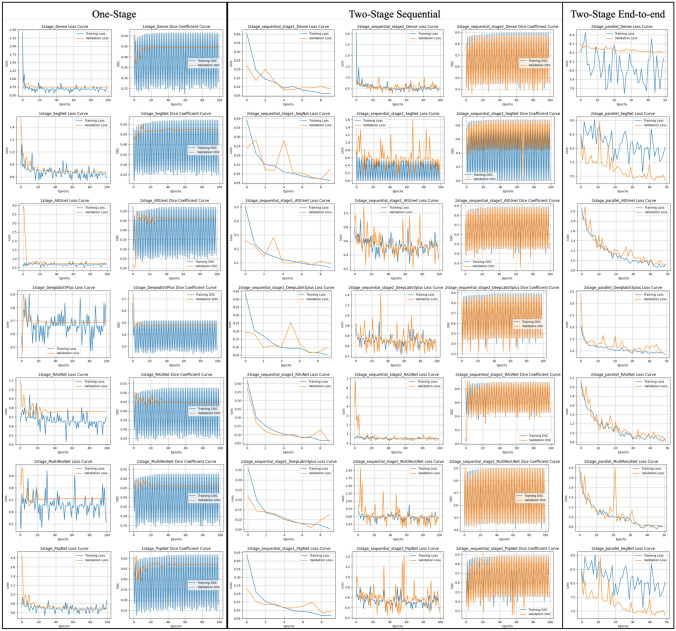 Figure 13
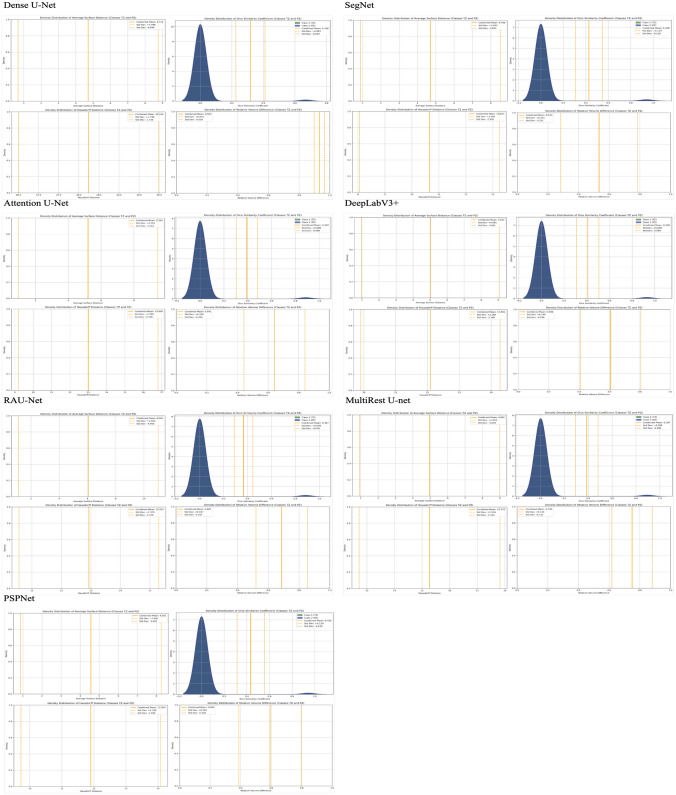 Figure 14
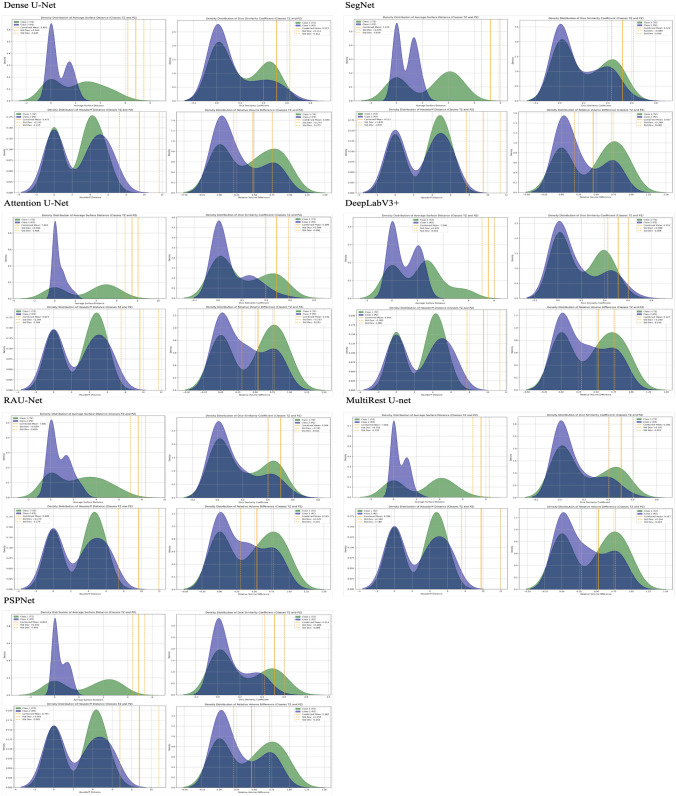 Figure 15
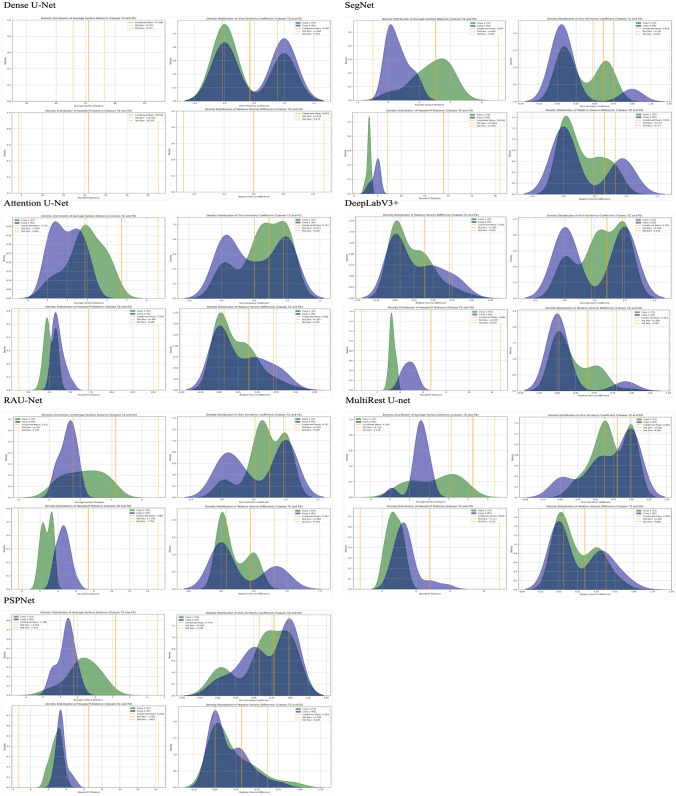 Figure 16
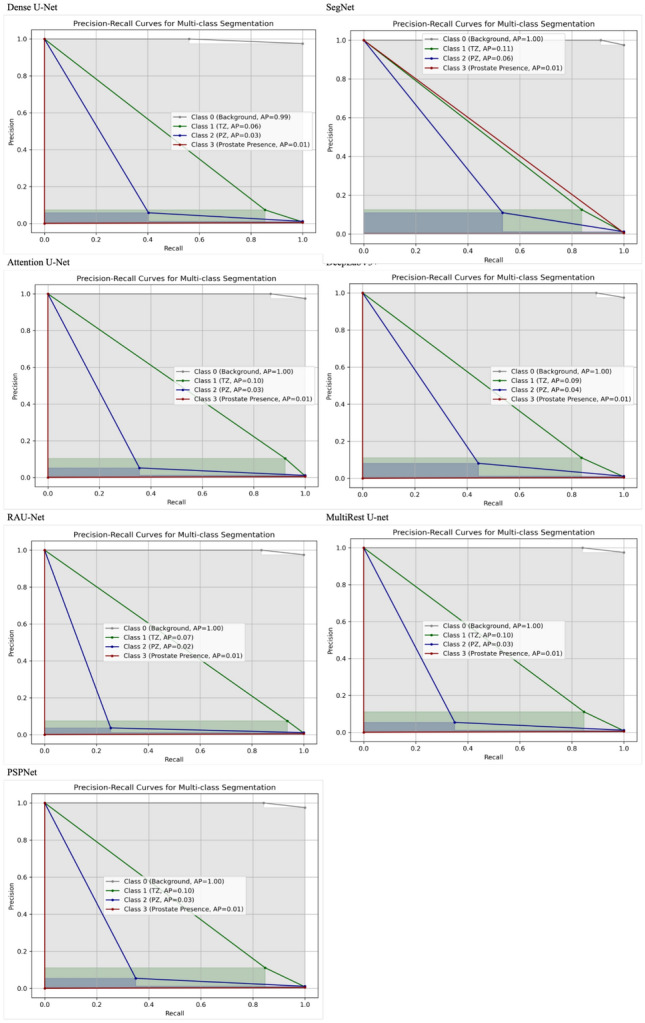 Figure 17
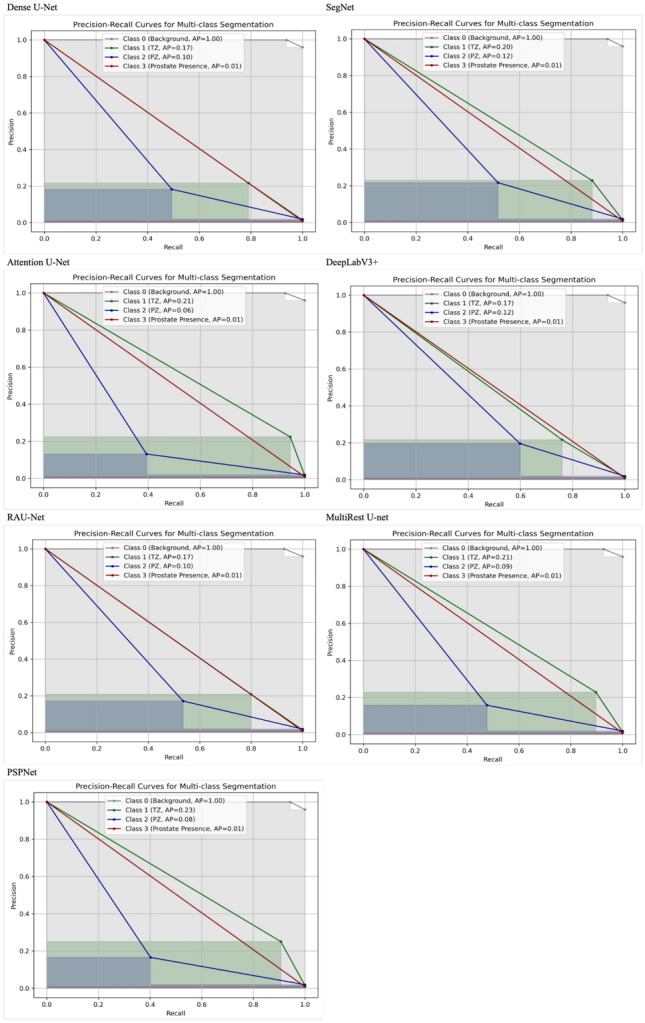 Figure 18
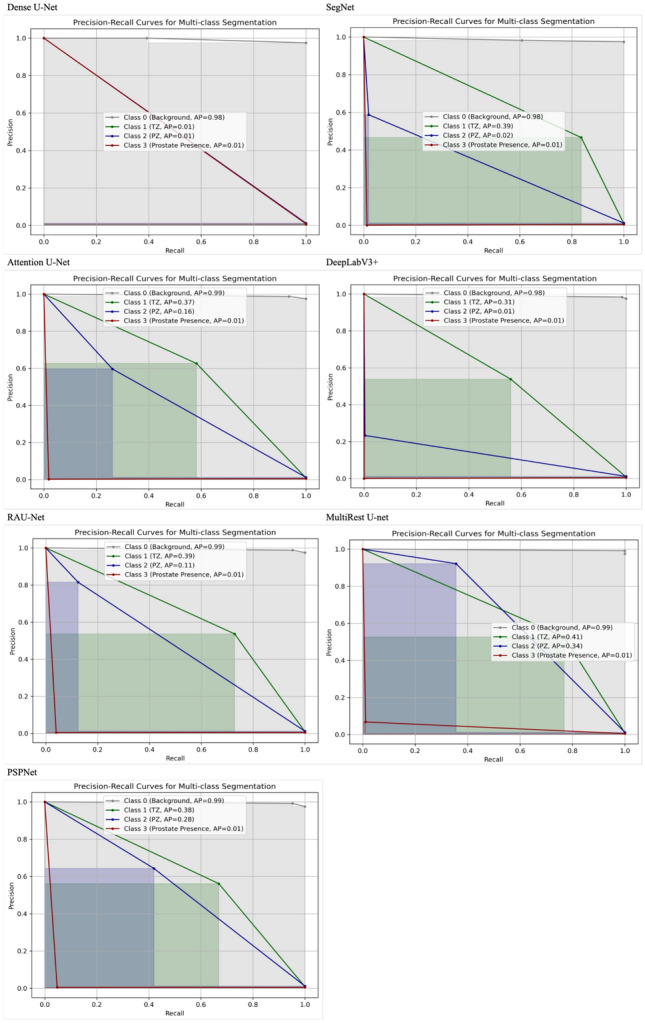 Figure 19
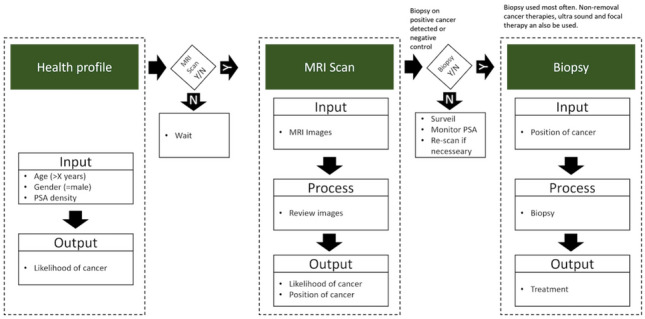 Figure 1
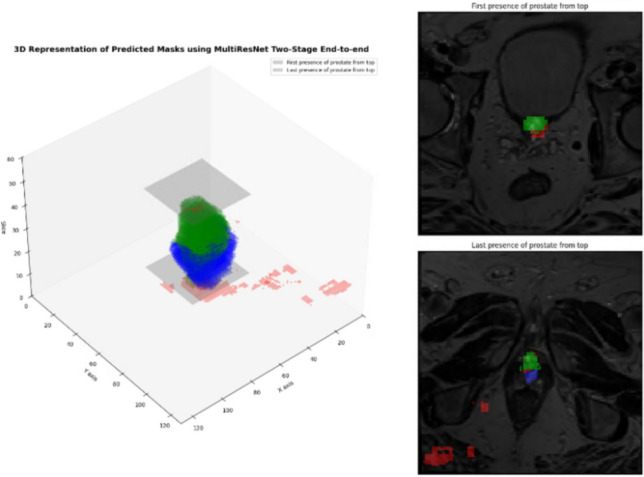 Figure 20
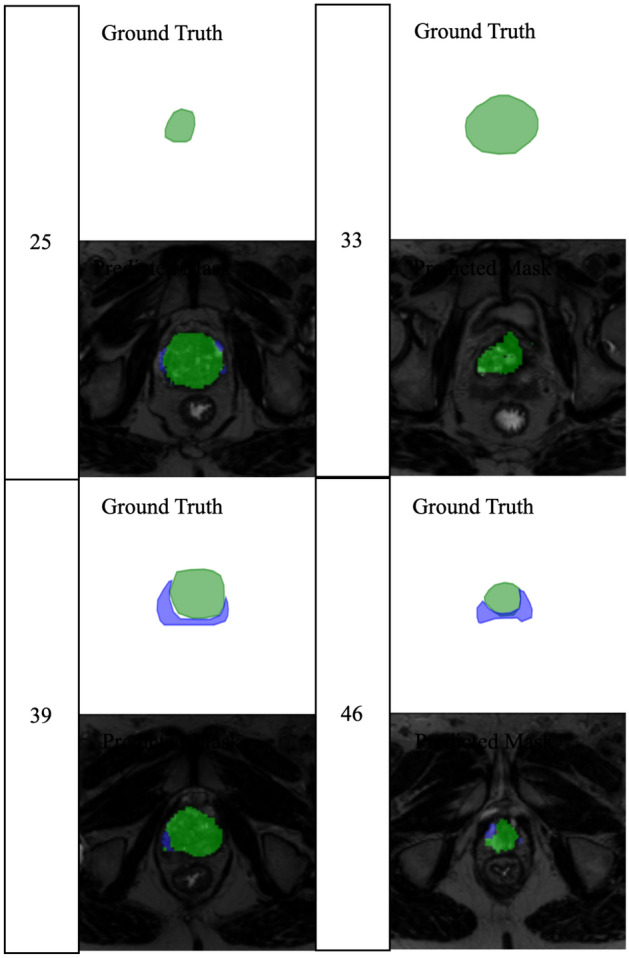 Figure 21
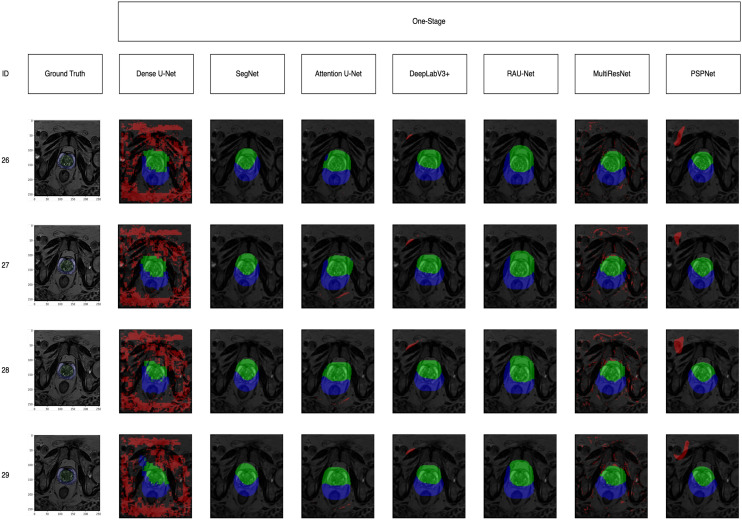 Figure 22
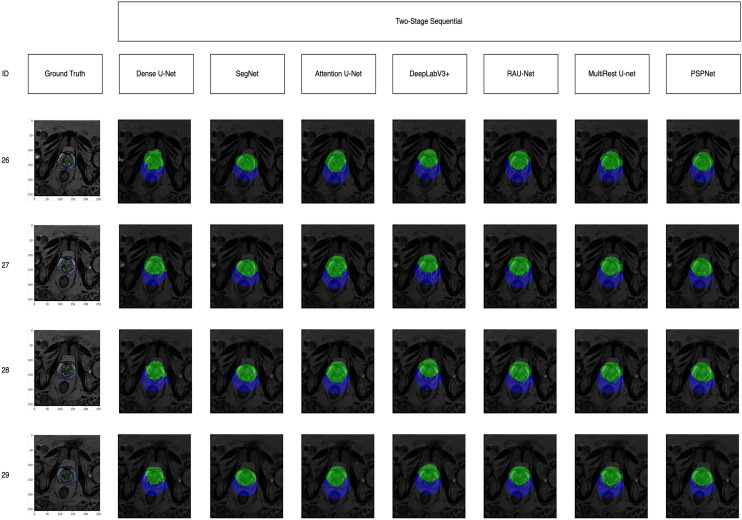 Figure 23
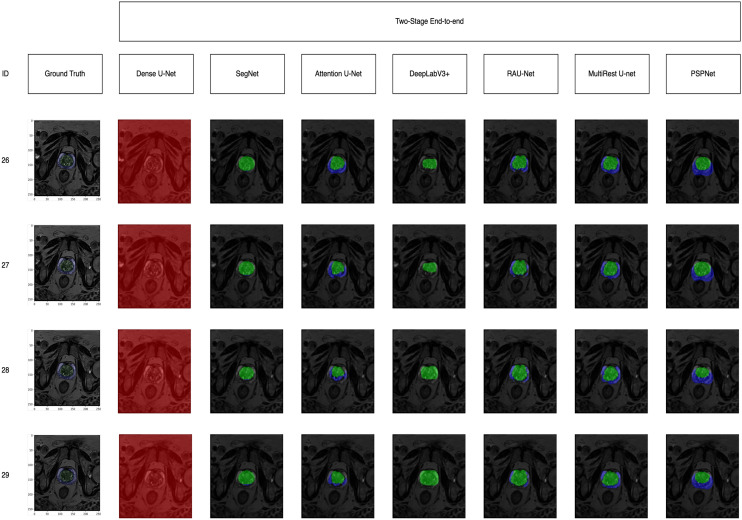 Figure 24
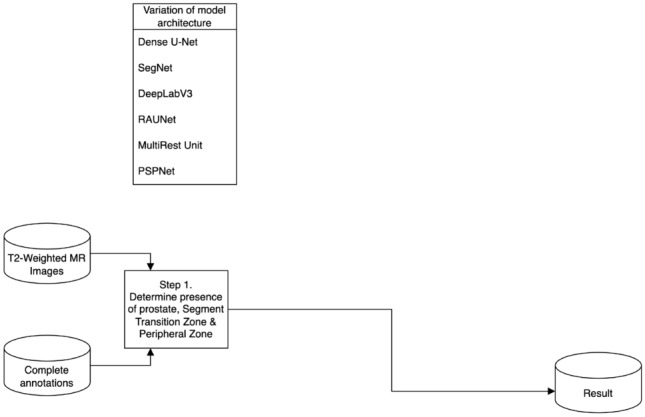 Figure 2
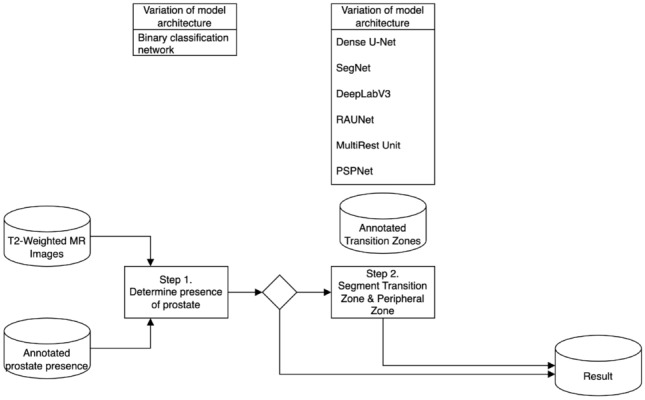 Figure 3
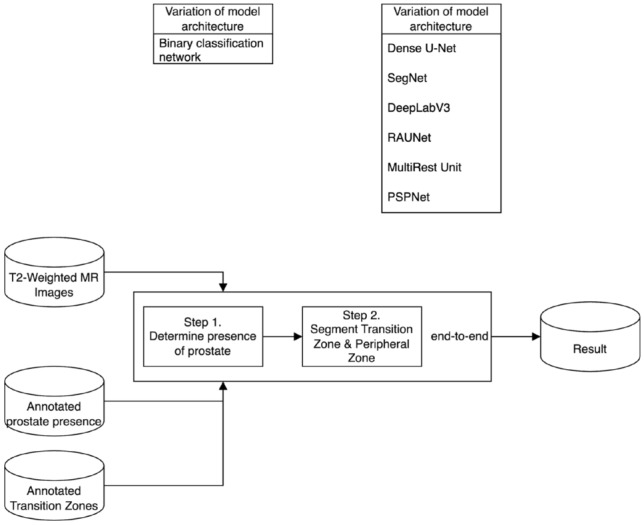 Figure 4
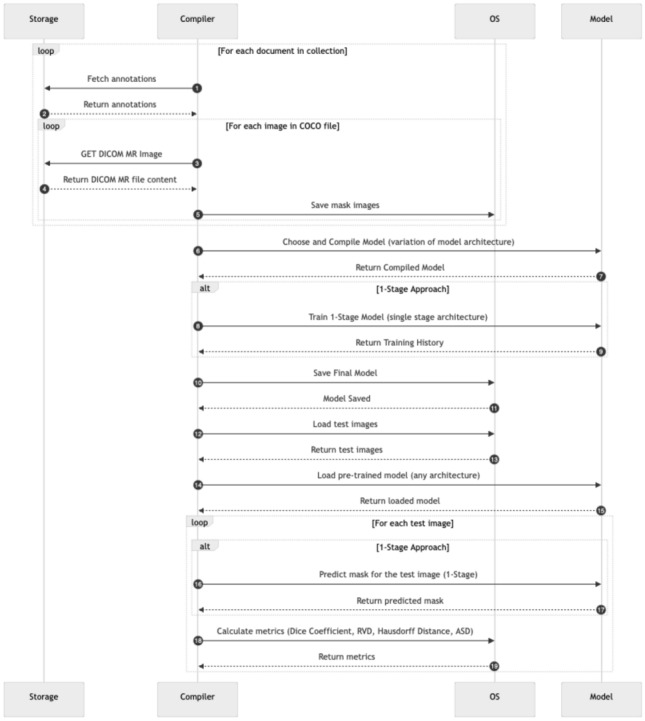 Figure 5
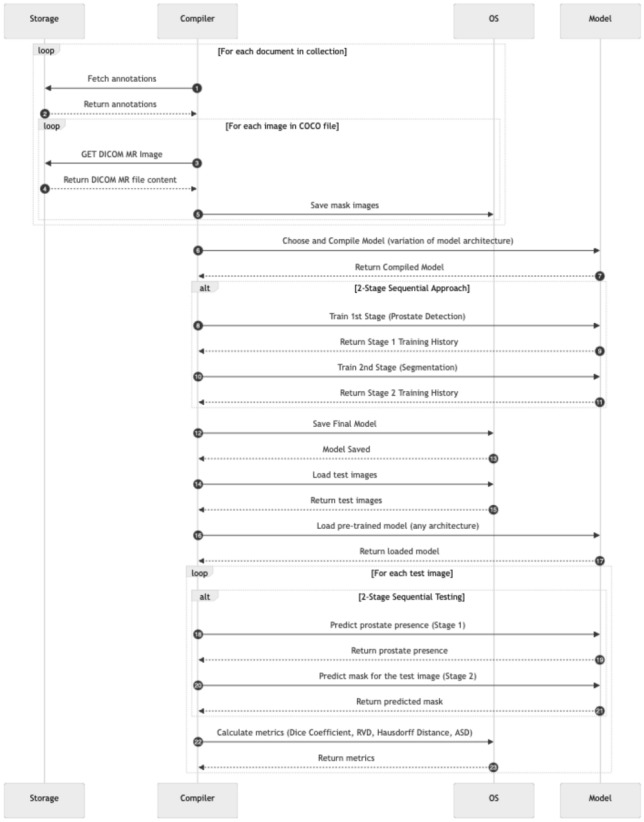 Figure 6
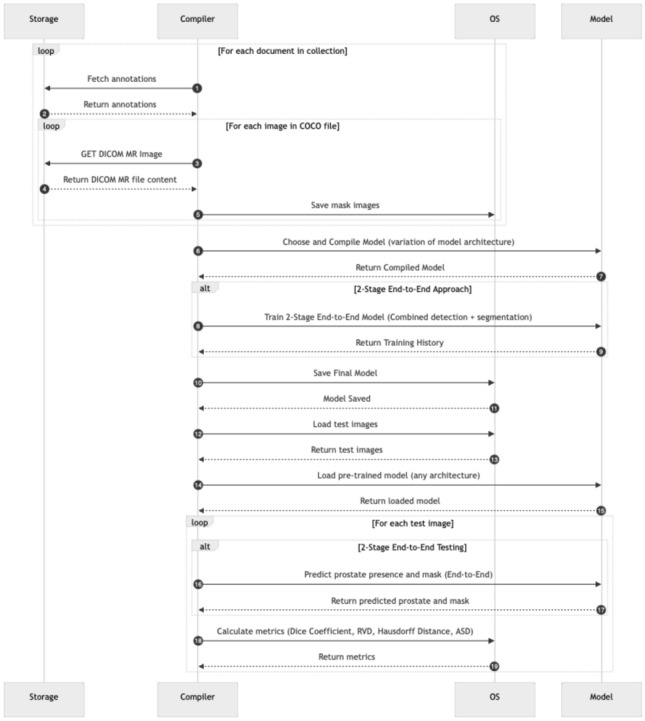 Figure 7
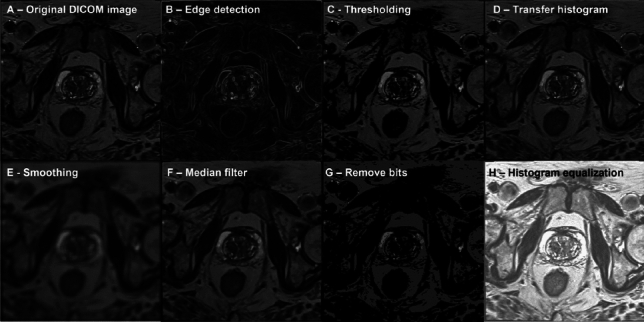 Figure 8
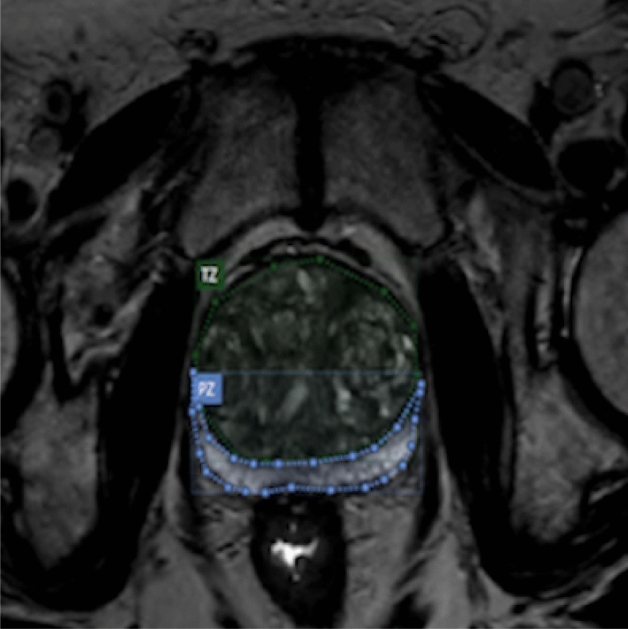 Figure 9
Peer Reviews
No public reviews on file for this paper yet. If you reviewed it on a platform where reviews are public (OpenReview, ICLR, NeurIPS, ICML), you can paste yours below so the community can read it here.
Videos
No videos yet. Explain this paper in a talk, walkthrough, or lecture? Add one.
Taxonomy
TopicsProstate Cancer Diagnosis and Treatment · Advanced Neural Network Applications · AI in cancer detection