Carbohydrate-based biosensors for enhanced pathogen detection
Nada Elgiddawy, Hassan Mohamed El-Said Azzazy

TL;DR
Carbohydrate-based biosensors offer a new way to detect pathogens by using sugar-protein interactions, providing better sensitivity and versatility for diagnostics and monitoring.
Contribution
The paper reviews recent advancements in carbohydrate-based biosensors and their design principles for improved pathogen detection.
Findings
Carbohydrate-functionalized biosensors outperform traditional methods in sensitivity and biocompatibility.
Recent advances in glycan chemistry and nanotechnology have improved biosensor performance.
These biosensors are promising for clinical, environmental, and food safety applications.
Abstract
Carbohydrate-based biosensors represent a cutting-edge class of bioinspired diagnostic platforms that exploit the inherent specificity of glycan–protein interactions for pathogen detection. Carbohydrate-functionalized biosensing systems offer remarkable advantages in terms of sensitivity, selectivity, and biocompatibility, positioning them as compelling alternatives to conventional antibody- or nucleic acid-based assays. By mimicking natural recognition mechanisms, these interfaces enable rapid, scalable, and robust capture of microbial targets, even in complex biological matrices, thereby paving the way for detection platforms suitable for clinical diagnostics, environmental monitoring, and food safety applications. Recent advancements in glycan chemistry, nanotechnology, and surface functionalization, particularly the precise control of ligand density, orientation, and spatial…
Genes, proteins, chemicals, diseases, species, mutations and cell lines named across the full text — each resolved to its canonical identifier and authoritative record.
Click any figure to enlarge with its caption.
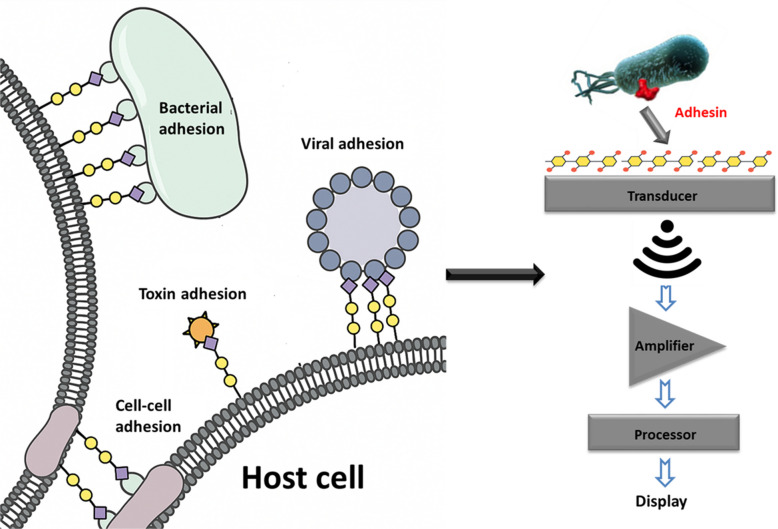 Figure 1
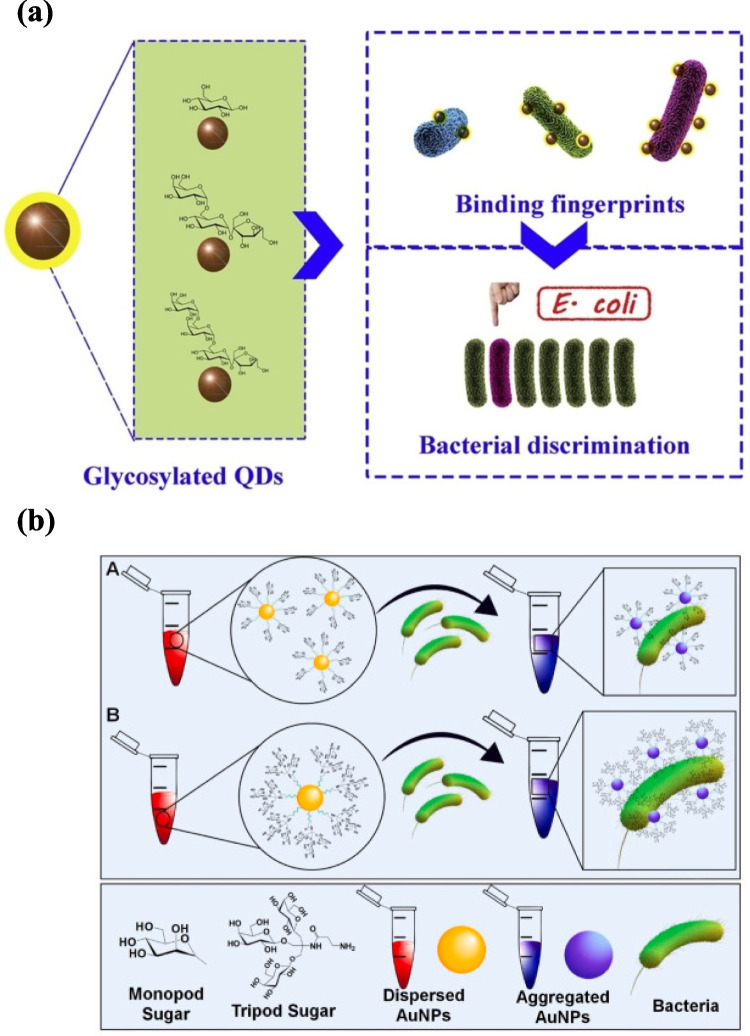 Figure 2
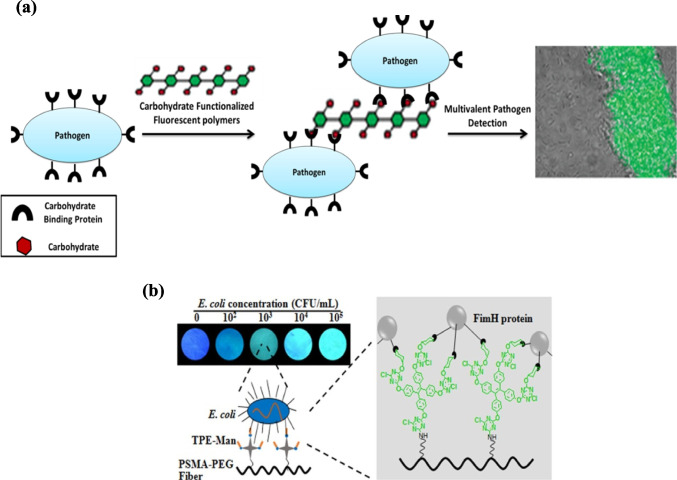 Figure 3
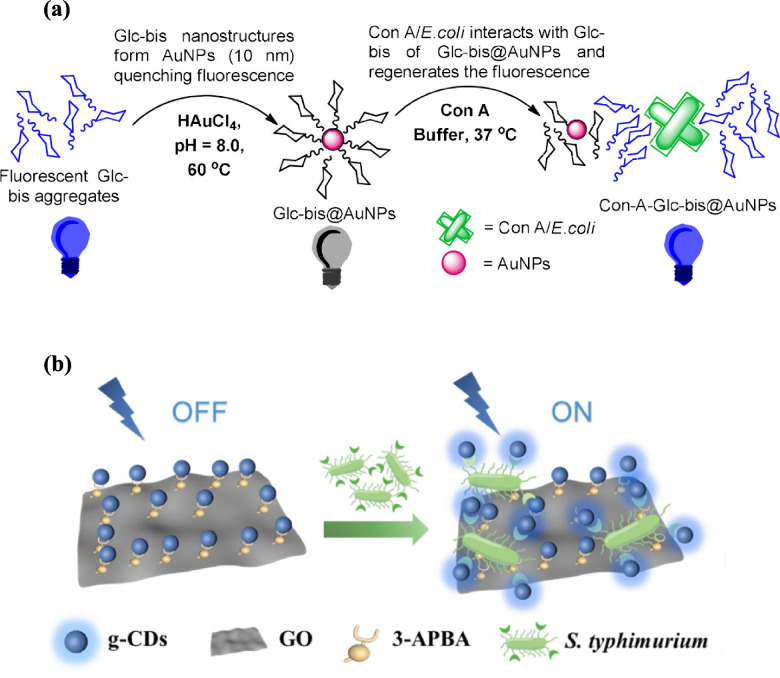 Figure 4
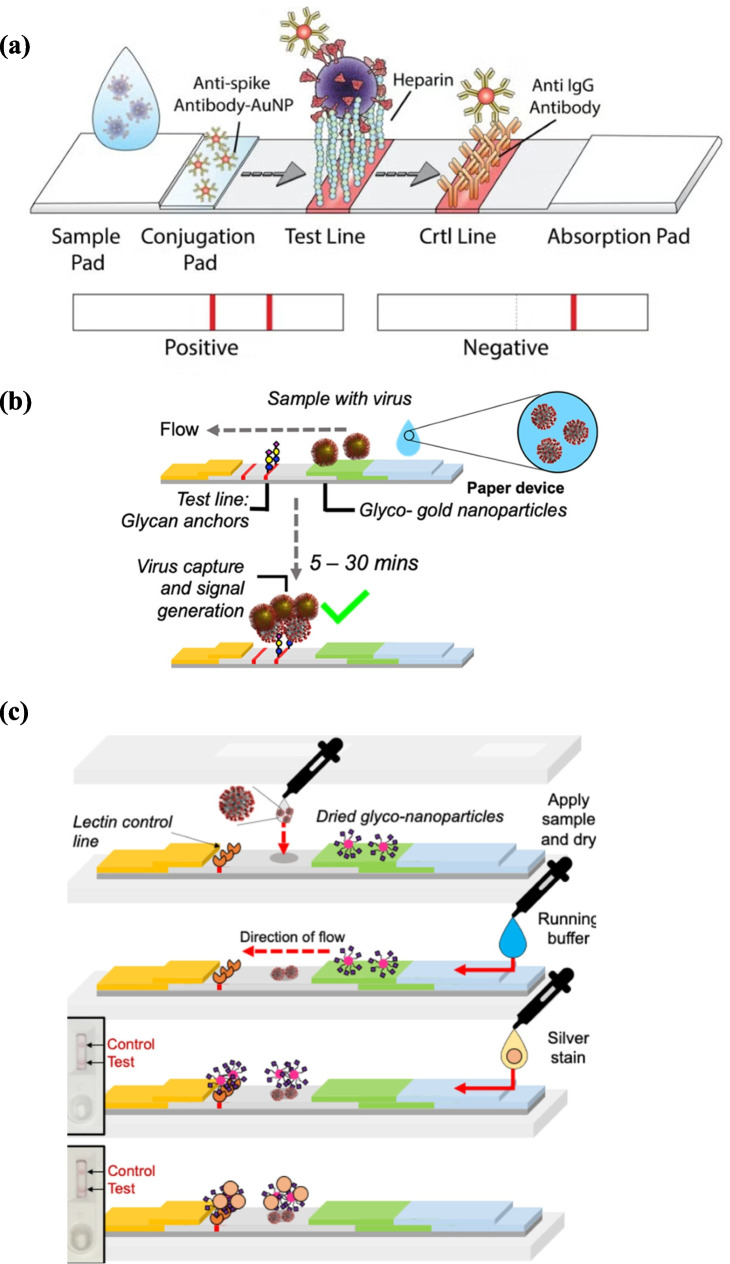 Figure 5
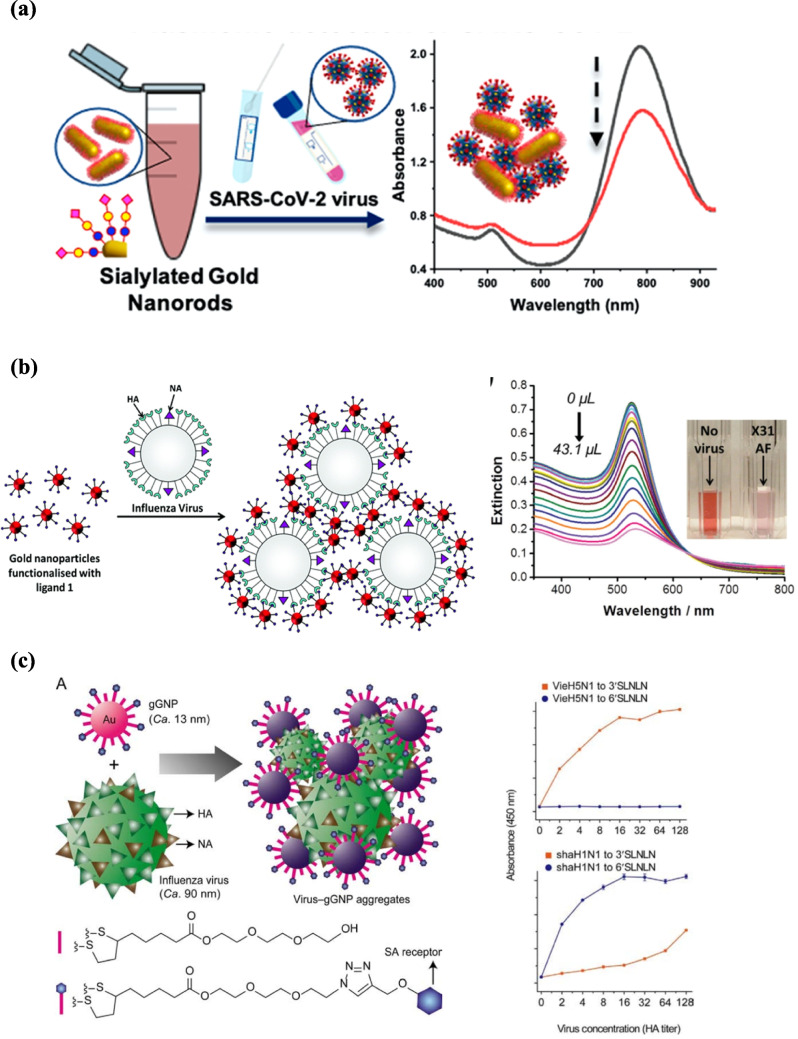 Figure 6
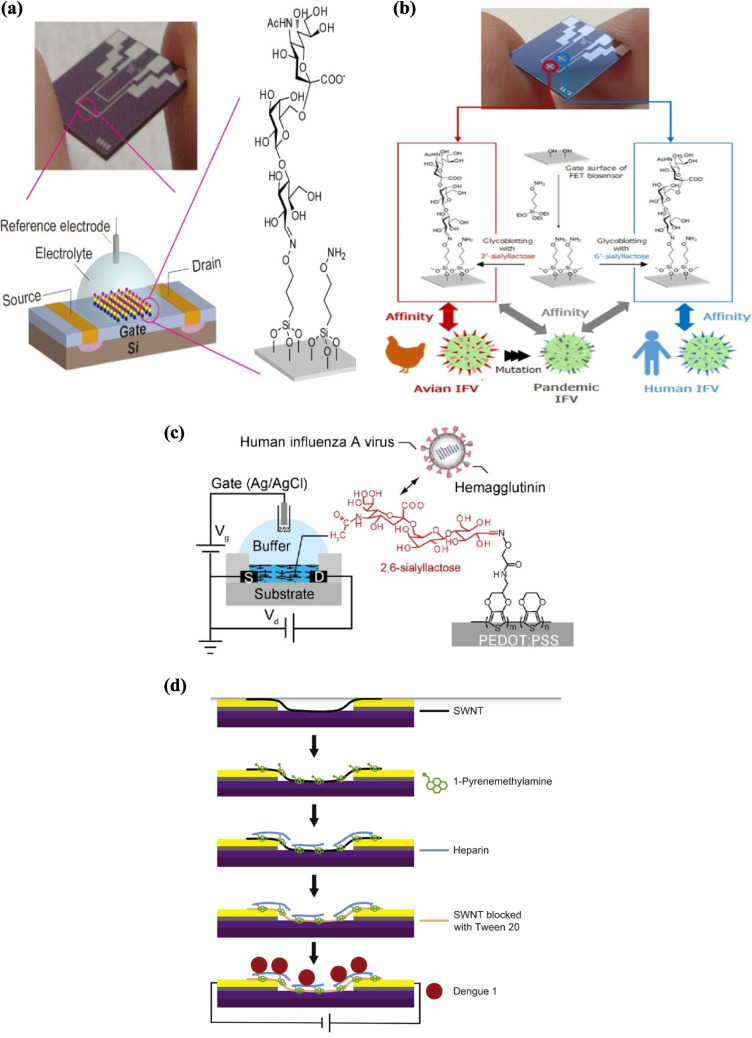 Figure 7
Peer Reviews
No public reviews on file for this paper yet. If you reviewed it on a platform where reviews are public (OpenReview, ICLR, NeurIPS, ICML), you can paste yours below so the community can read it here.
Videos
No videos yet. Explain this paper in a talk, walkthrough, or lecture? Add one.
Taxonomy
TopicsBiosensors and Analytical Detection · Carbohydrate Chemistry and Synthesis · Polydiacetylene-based materials and applications