A digital twin framework for predicting and simulating type 2 diabetes onset using retrospective lifestyle data
Mahreen Kiran, Ying Xie, Graham Ball, Rudolph Schutte, Nasreen Anjum, Barbara Pierscionek

TL;DR
A new digital twin framework uses past lifestyle data to predict type 2 diabetes risk and simulate how lifestyle changes could prevent it.
Contribution
The novel DT framework integrates retrospective lifestyle and psychosocial data for T2DM prediction and intervention simulation without real-time data.
Findings
Psychosocial stressors like loneliness and insomnia increase T2DM risk by up to 78 percentage points when combined.
Processed meat and sugary cereals amplify T2DM risk, while cheese consumption is protective under low stress.
Improving psychosocial conditions could reduce T2DM risk by 11.6 percentage points in the modeled cohort.
Abstract
Type 2 Diabetes Mellitus (T2DM) is a rising global health concern, heavily influenced by modifiable lifestyle and psychosocial factors. However, most predictive tools focus on biomedical markers and rely on real-time data from wearables or electronic health records, limiting their scalability in resource-constrained settings. This study presents a novel digital twin (DT) framework that uses retrospective lifestyle, behavioral, and psychosocial data to forecast T2DM onset and simulate the estimated effects of preventive interventions. Data were drawn from 19,774 participants in the UK Biobank cohort, followed for up to 17 years. A penalized Cox proportional hazards model was employed to estimate individual time-to-event risk trajectories based on 90 candidate predictors. Predictors were selected through univariate screening, multicollinearity assessment, and variance filtering, yielding…
Genes, proteins, chemicals, diseases, species, mutations and cell lines named across the full text — each resolved to its canonical identifier and authoritative record.
Click any figure to enlarge with its caption.
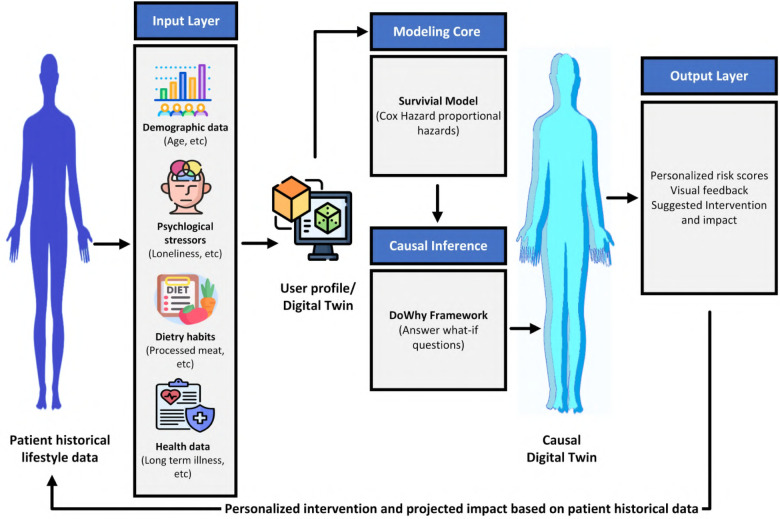 Figure 1
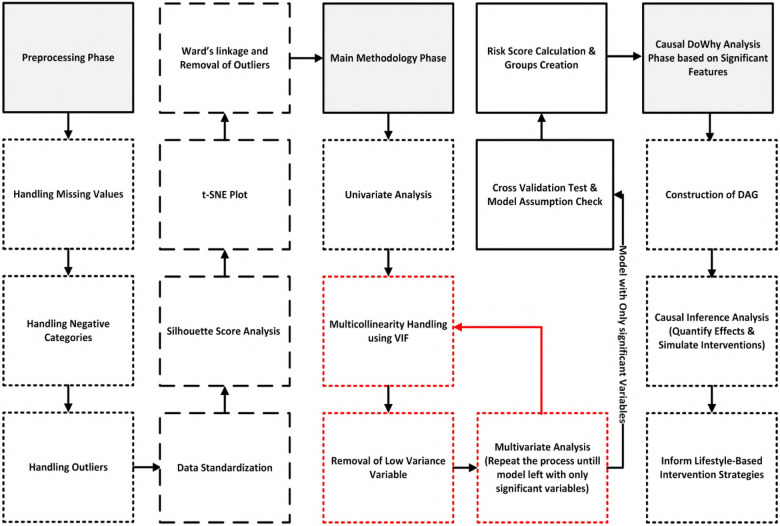 Figure 2
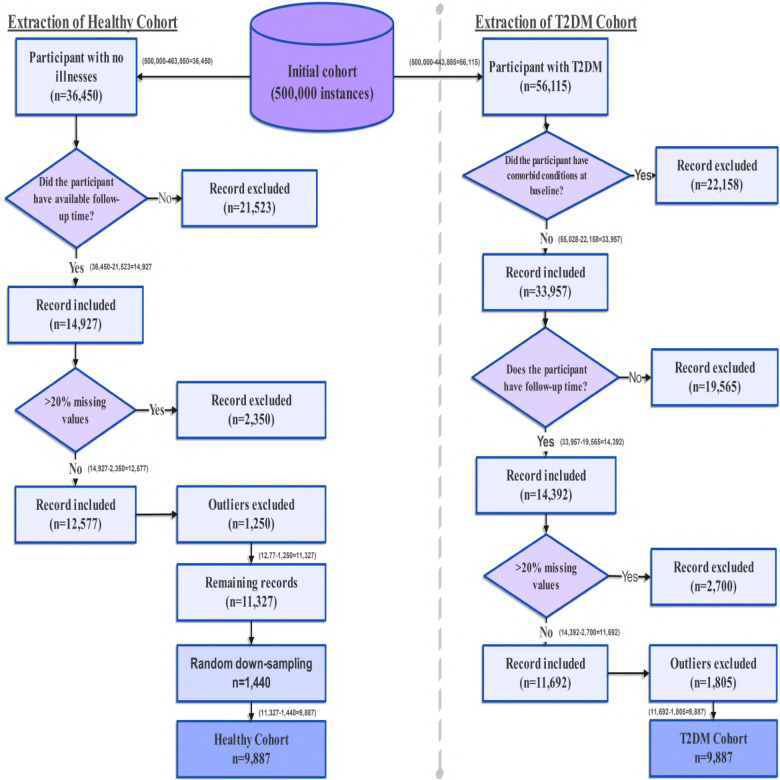 Figure 3
 Figure 4
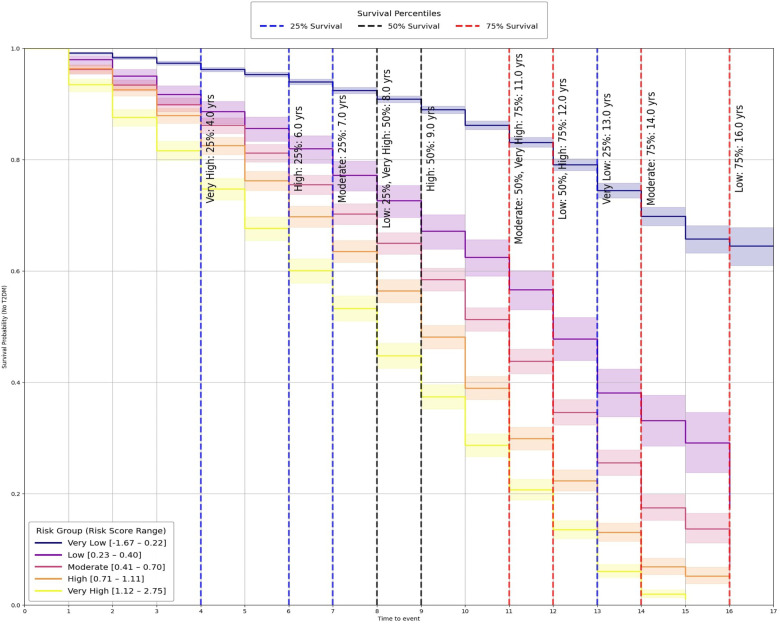 Figure 5
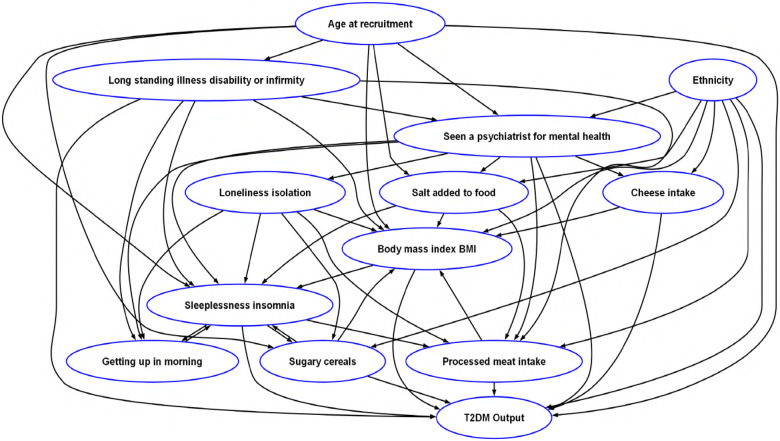 Figure 6
Peer Reviews
No public reviews on file for this paper yet. If you reviewed it on a platform where reviews are public (OpenReview, ICLR, NeurIPS, ICML), you can paste yours below so the community can read it here.
Videos
No videos yet. Explain this paper in a talk, walkthrough, or lecture? Add one.
Taxonomy
TopicsMachine Learning in Healthcare · Digital Mental Health Interventions · Chronic Disease Management Strategies