IncRNAs transcriptomics elucidates the potential mechanism of Naoshuantong capsule in alleviating synaptic dysfunction in a murine model of cerebral ischemia/reperfusion injury
Ke Song, Hongrui Zhang, Haoqi Liu, Yuanyuan Li, Yikun Sun, Xinglu Dong, Chenxi Tao, Yannan He, Zhenhong Liu, Yonghong Gao, Ying Gao

TL;DR
This study explores how a traditional Chinese medicine capsule may help brain recovery after stroke by affecting RNA activity and improving synaptic function in mice.
Contribution
The study identifies specific lncRNA and mRNA changes that may explain how Naoshuantong capsule improves synaptic function after cerebral ischemia/reperfusion injury.
Findings
NST treatment reversed 177 lncRNAs and 52 mRNAs dysregulated in cerebral ischemia/reperfusion injury.
NST improved neurological function, cerebral blood flow, and neuronal architecture in mice.
Key synaptic proteins like SYN and PSD95 were upregulated following NST treatment.
Abstract
Naoshuantong capsule (NST), a Traditional Chinese Medicine formulation, is used for ischemic stroke treatment; however, its molecular mechanisms are unclear. This study aimed to investigate the mechanistic basis of NST using long noncoding RNA (lncRNA) and messenger RNA (mRNA) transcriptomics. The metabolites of NST were analyzed. Additionally, its systemically absorbed metabolites (in plasma) and brain-distributed metabolites were identified using ultrahigh-performance liquid chromatography–tandem mass spectrometry (UHPLC-MS/MS). The therapeutic effects of NST were evaluated in a mouse model of middle cerebral artery occlusion (MCAO) using neurological scoring, behavioral testing, cerebral blood flow, and brain tissue staining. LncRNA and mRNA expression profiles were analyzed using the Agilent Mouse competing endogenous RNA microarray, followed by gene ontology and Kyoto encyclopedia…
Genes, proteins, chemicals, diseases, species, mutations and cell lines named across the full text — each resolved to its canonical identifier and authoritative record.
Click any figure to enlarge with its caption.
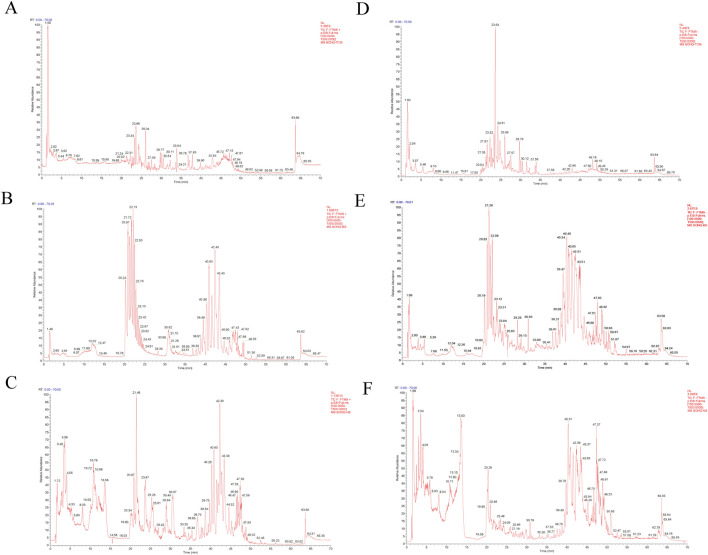 Figure 1
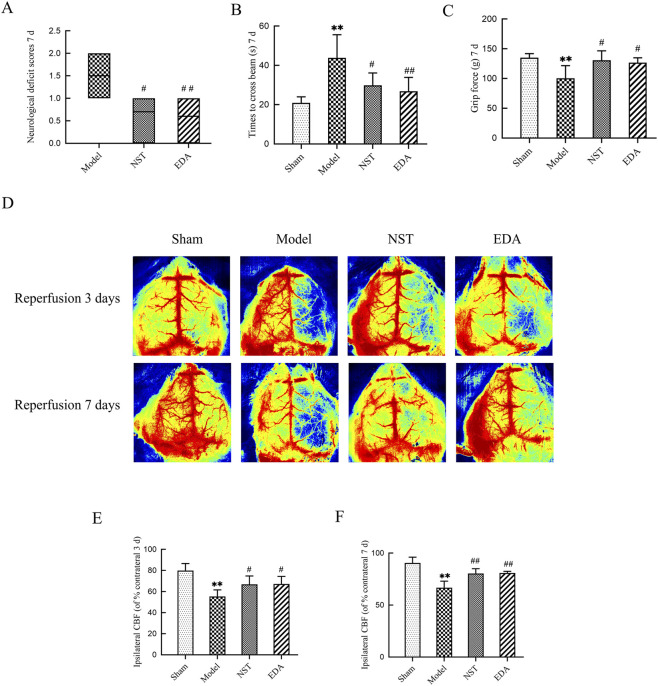 Figure 2
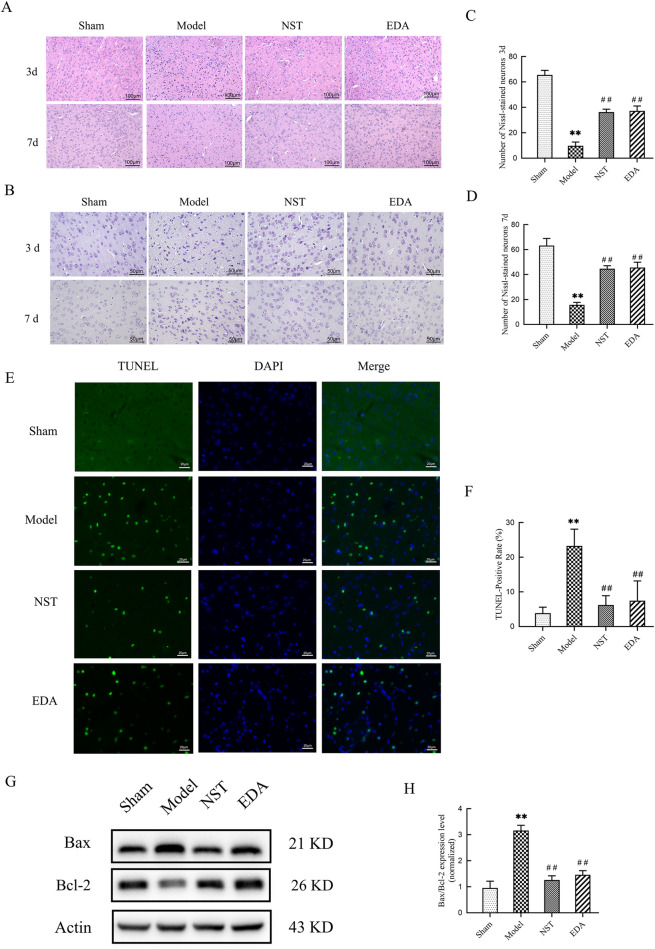 Figure 3
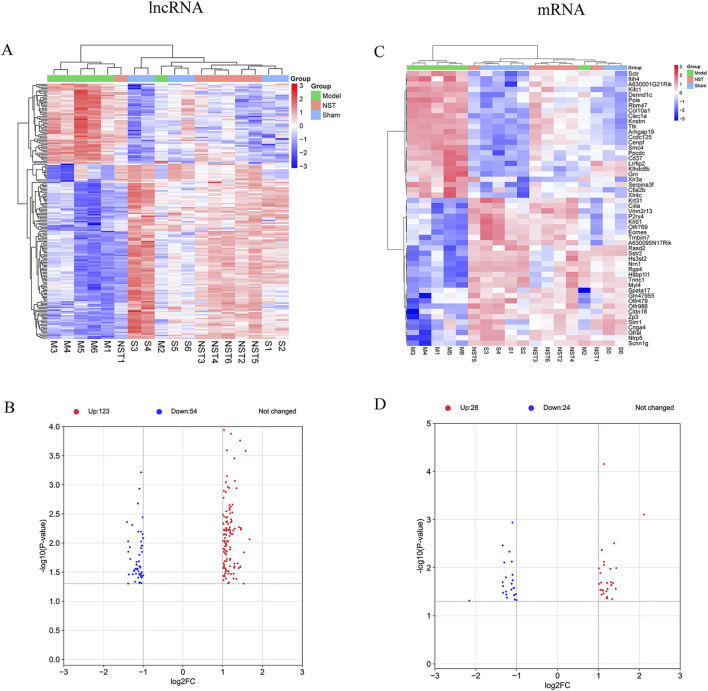 Figure 4
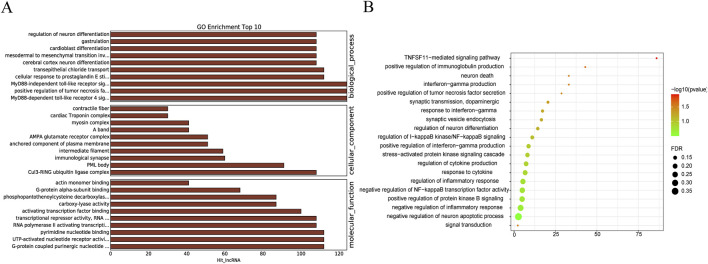 Figure 5
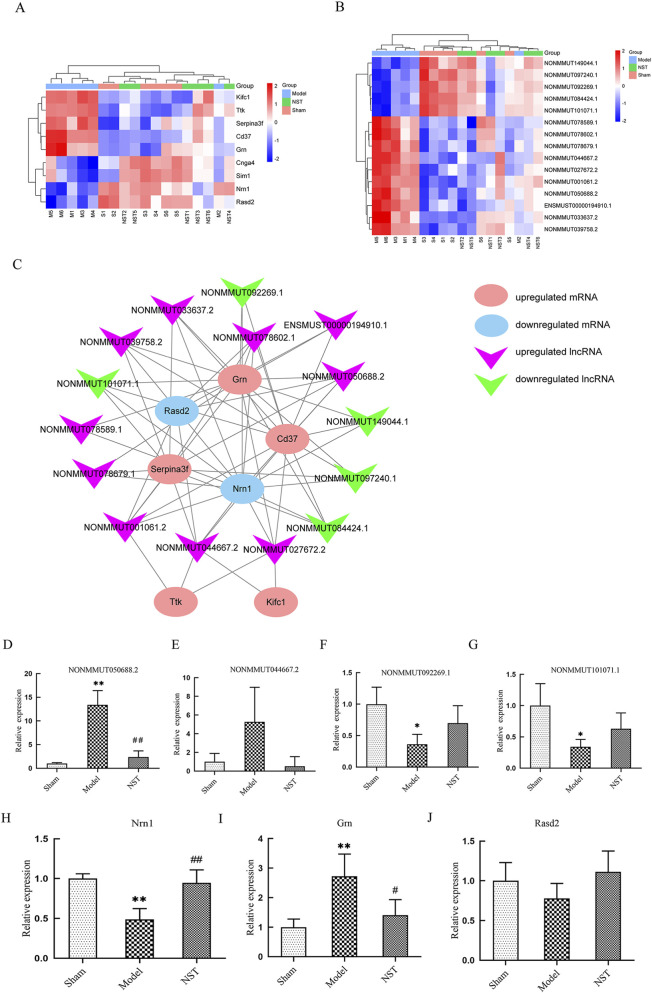 Figure 6
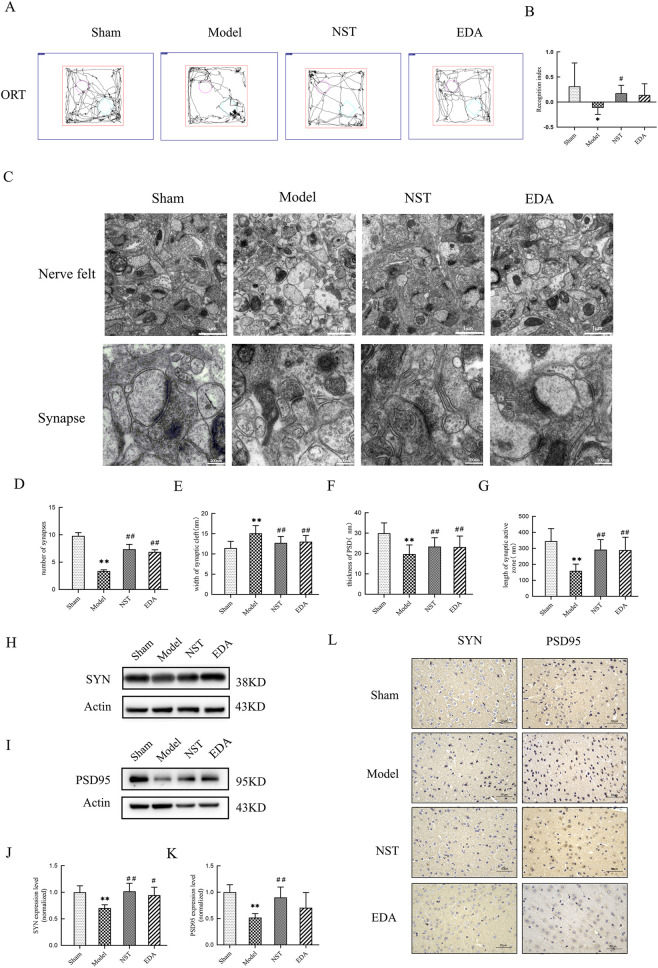 Figure 7
Peer Reviews
No public reviews on file for this paper yet. If you reviewed it on a platform where reviews are public (OpenReview, ICLR, NeurIPS, ICML), you can paste yours below so the community can read it here.
Videos
No videos yet. Explain this paper in a talk, walkthrough, or lecture? Add one.
Taxonomy
TopicsTraditional Chinese Medicine Analysis · Cancer-related molecular mechanisms research · Neurological Disease Mechanisms and Treatments