Synergistic effects of S100 calcium-binding protein A12 combined with Pentraxin 3 in invasive pulmonary aspergillosis and their clinical application prospects
Xiao-Lian Zhou, Xiao-Bo Hu, Hui Liu

TL;DR
This review explores how S100A12 and PTX3 could help diagnose and treat invasive pulmonary aspergillosis, a dangerous fungal infection in immunocompromised patients.
Contribution
The paper highlights the synergistic potential of S100A12 and PTX3 for early diagnosis and targeted therapy in invasive pulmonary aspergillosis.
Findings
S100A12 and PTX3 are abnormally expressed in IPA patients.
The two molecules may synergistically aid in infection recognition and immune regulation.
They offer potential for improved early diagnosis and disease assessment in IPA.
Abstract
Invasive pulmonary aspergillosis (IPA) is a severe deep-seated fungal infection caused by fungi of the genus Aspergillus. In recent years, its global incidence has shown a marked upward trend, posing a serious threat especially to immunocompromised patients, such as hematopoietic stem cell transplant recipients, cancer patients undergoing chemotherapy, and individuals on long-term glucocorticoid therapy. The core clinical dilemmas lie in the difficulty of early diagnosis and the narrow therapeutic window. Currently used clinical diagnostic indicators, including the galactomannan (GM) assay, (1,3)-β-D-glucan(G) assay, and imaging examinations, suffer from insufficient sensitivity or specificity, while traditional microbiological detection methods have a relatively long turnaround time. S100 calcium-binding protein A12 (S100A12) and Pentraxin 3 (PTX3) are both key molecules in the innate…
Genes, proteins, chemicals, diseases, species, mutations and cell lines named across the full text — each resolved to its canonical identifier and authoritative record.
Click any figure to enlarge with its caption.
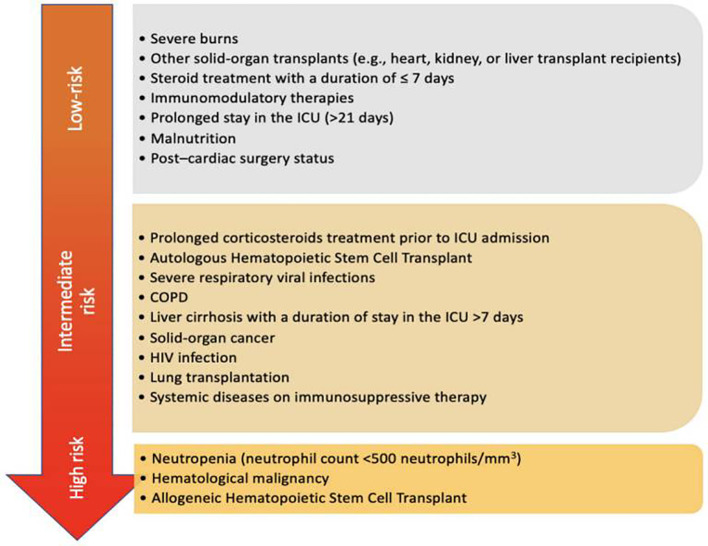 Figure 1
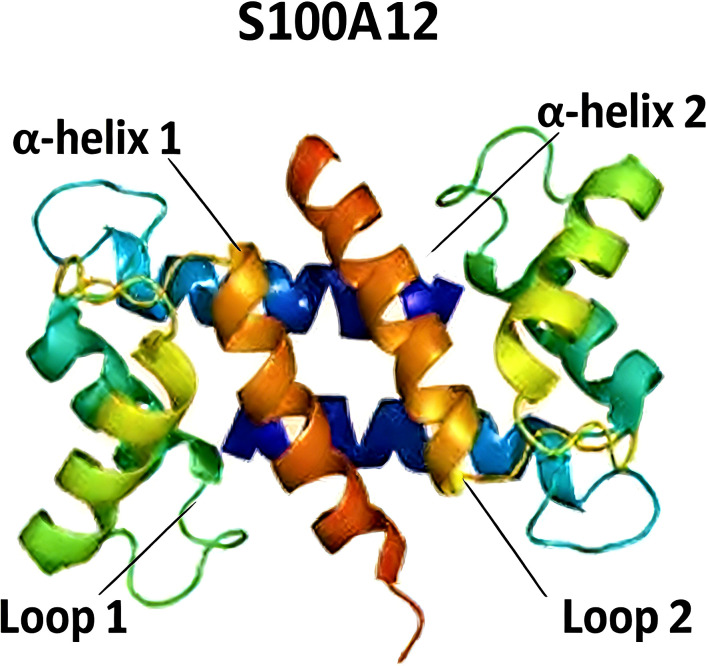 Figure 2
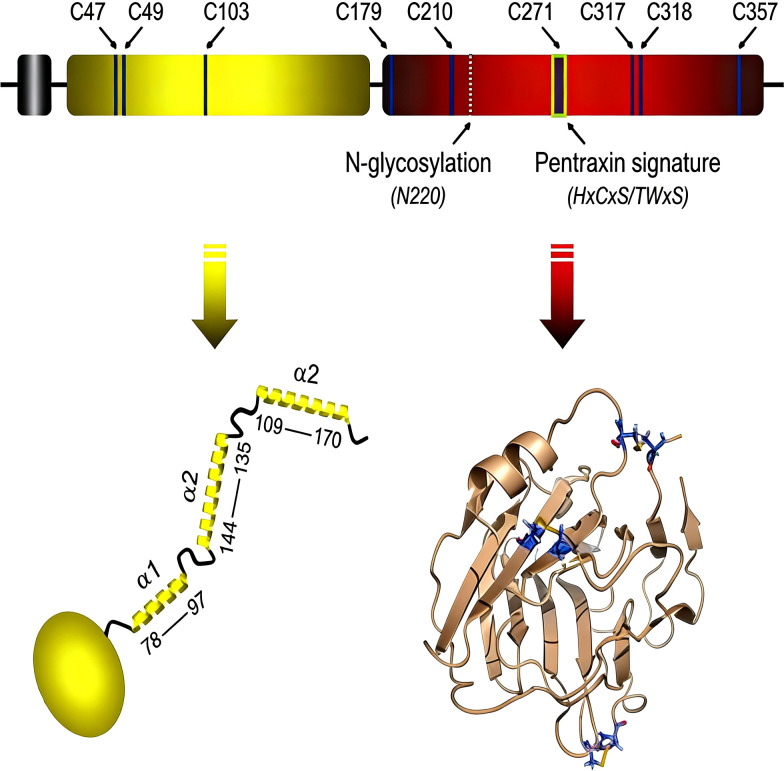 Figure 3
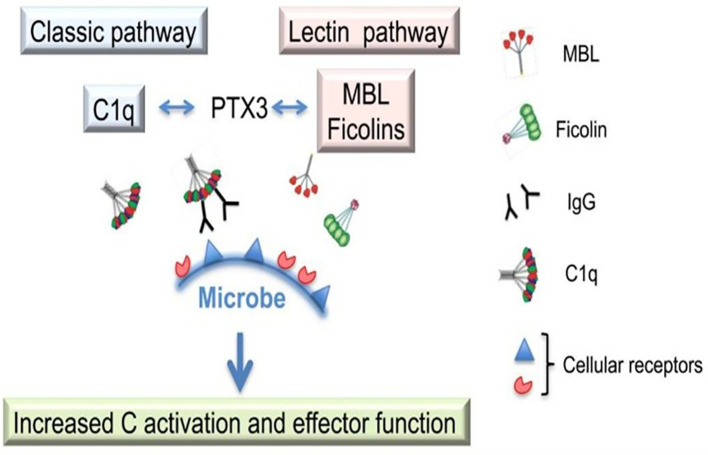 Figure 4
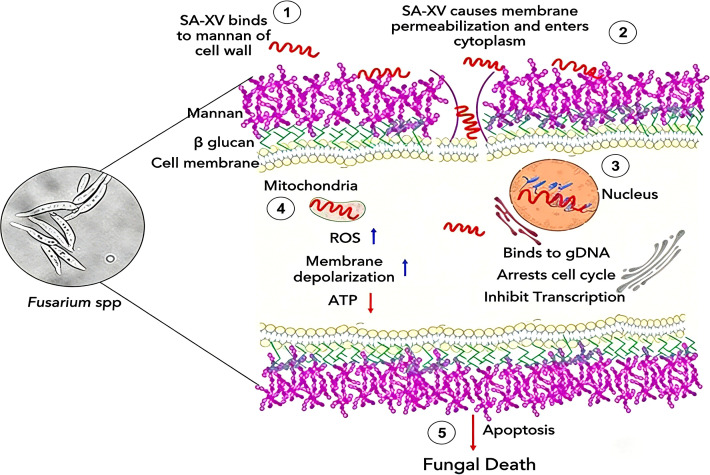 Figure 5
Peer Reviews
No public reviews on file for this paper yet. If you reviewed it on a platform where reviews are public (OpenReview, ICLR, NeurIPS, ICML), you can paste yours below so the community can read it here.
Videos
No videos yet. Explain this paper in a talk, walkthrough, or lecture? Add one.
Taxonomy
TopicsS100 Proteins and Annexins · Biomarkers in Disease Mechanisms · Antifungal resistance and susceptibility