Sleep-dependent clearance of brain lipids by peripheral blood cells
Bumsik Cho, Diane E. Youngstrom, Samantha Killiany, Camilo Guevara, Caitlin E. Randolph, Connor H. Beveridge, Pooja Saklani, Gaurav Chopra, Amita Sehgal

TL;DR
This study shows that sleep helps clear brain lipids through peripheral blood cells in fruit flies, maintaining brain health and function.
Contribution
The paper reveals a novel sleep-dependent role of peripheral macrophage-like cells in lipid clearance from the brain.
Findings
Haemocytes track to the brain during sleep and take up lipids from cortex glia.
Loss of the eater receptor disrupts haemocyte localization and lipid uptake, leading to metabolic and mitochondrial dysfunction.
Dysregulated mitochondria impair memory and lifespan in Drosophila.
Abstract
Sleep is viewed typically through a brain-centric lens, with little known about the role of the periphery1,2. Here we identify a sleep function for peripheral macrophage-like cells (haemocytes) in the Drosophila circulation, showing that haemocytes track to the brain during sleep and take up lipids accumulated in cortex glia due to wake-associated oxidative damage. Through a screen of phagocytic receptors expressed in haemocytes, we discovered that knockdown of eater—a member of the Nimrod receptor family—reduces sleep. Loss of eater also disrupts haemocyte localization to the brain and lipid uptake, which results in increased brain levels of acetyl-CoA and acetylated proteins, including mitochondrial proteins PGC1α and DRP1. Dysregulation of mitochondria, reflected in high oxidation and reduced NAD+, is accompanied by impaired memory and lifespan. Thus, peripheral blood cells, which we…
Genes, proteins, chemicals, diseases, species, mutations and cell lines named across the full text — each resolved to its canonical identifier and authoritative record.
Click any figure to enlarge with its caption.
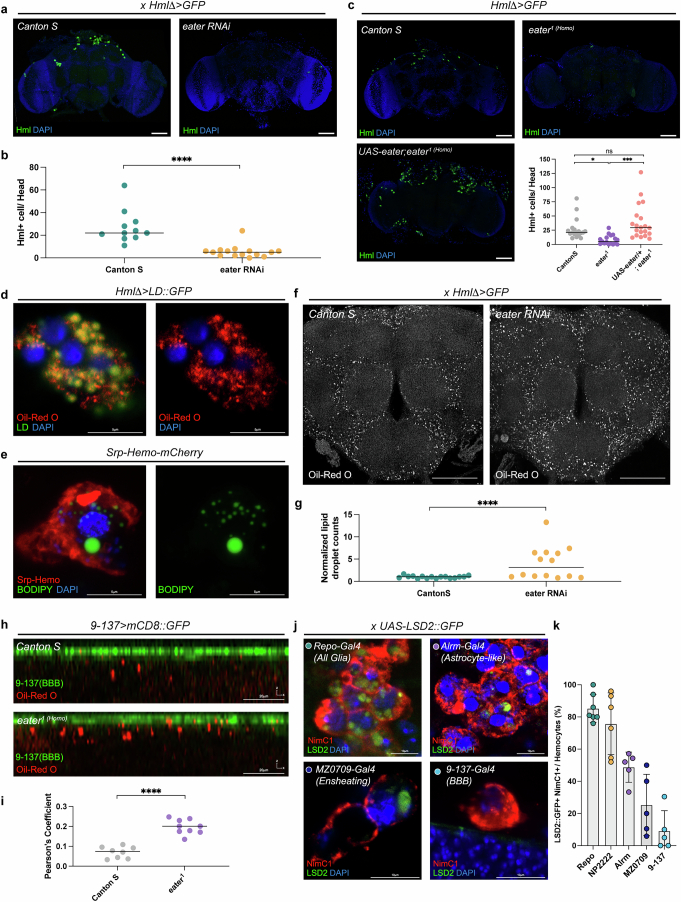 Figure 10
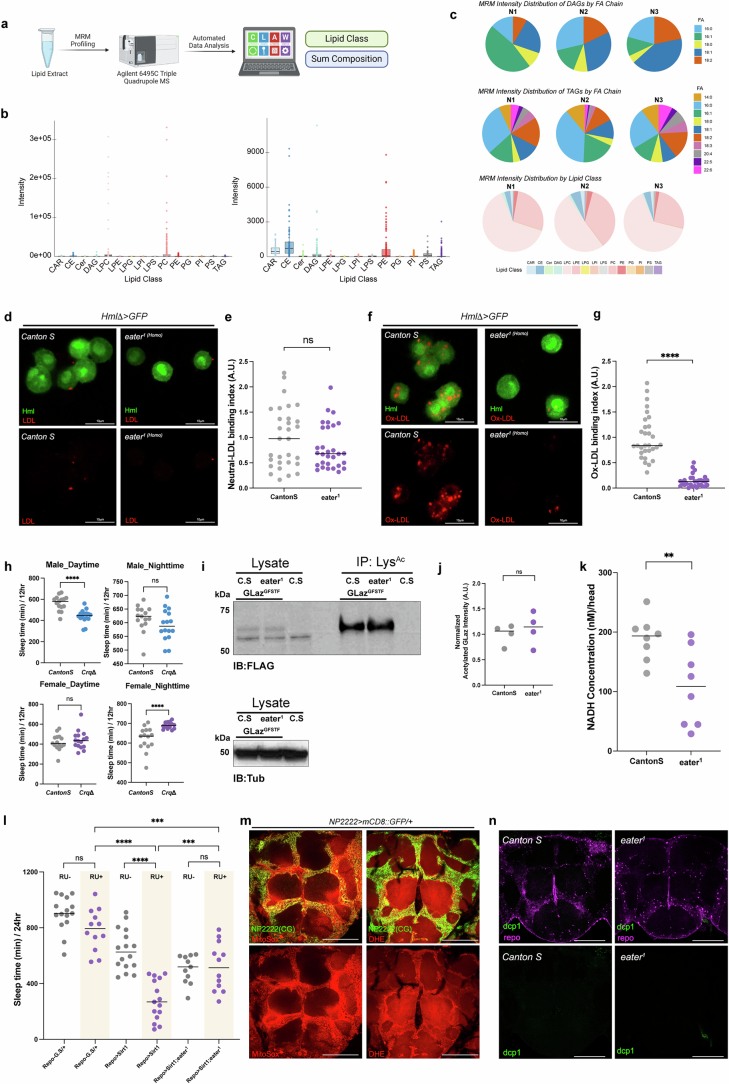 Figure 11
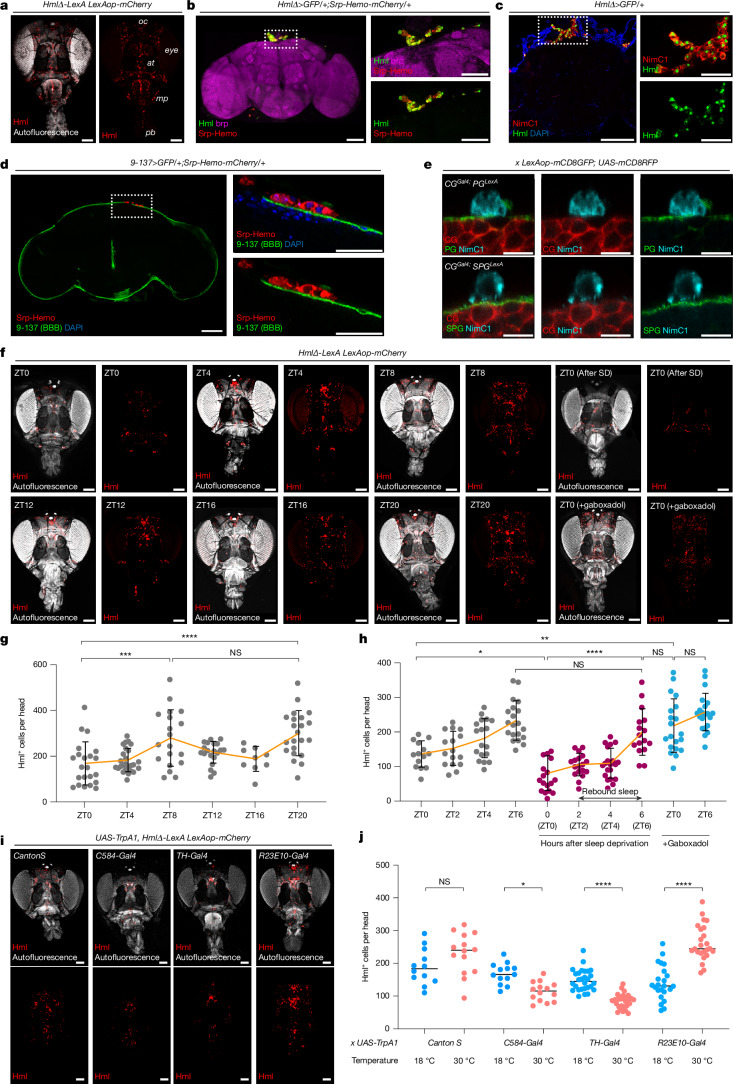 Figure 1
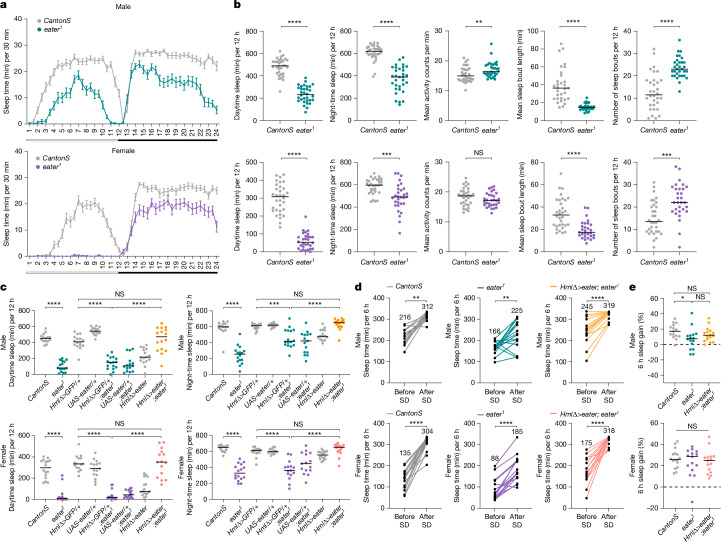 Figure 2
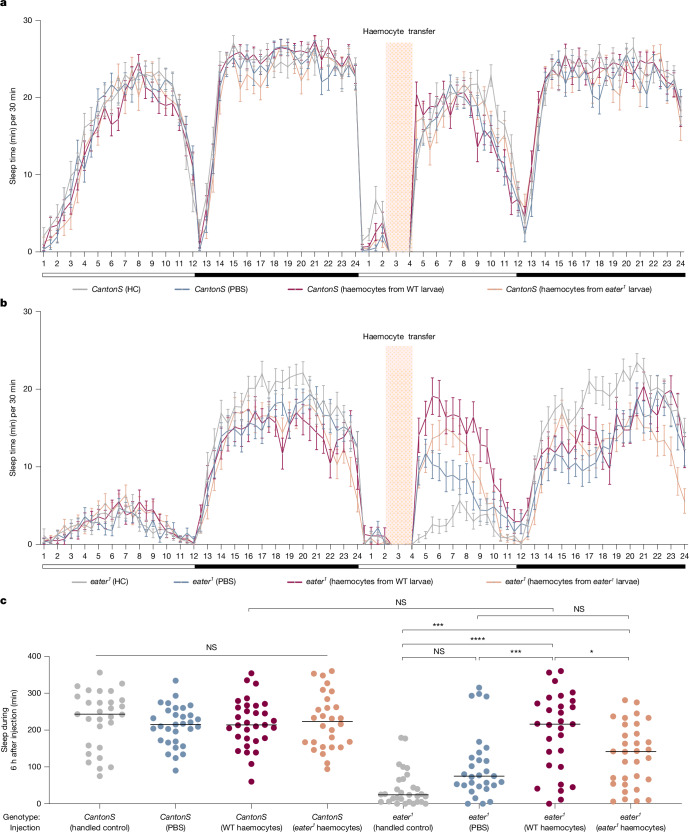 Figure 3
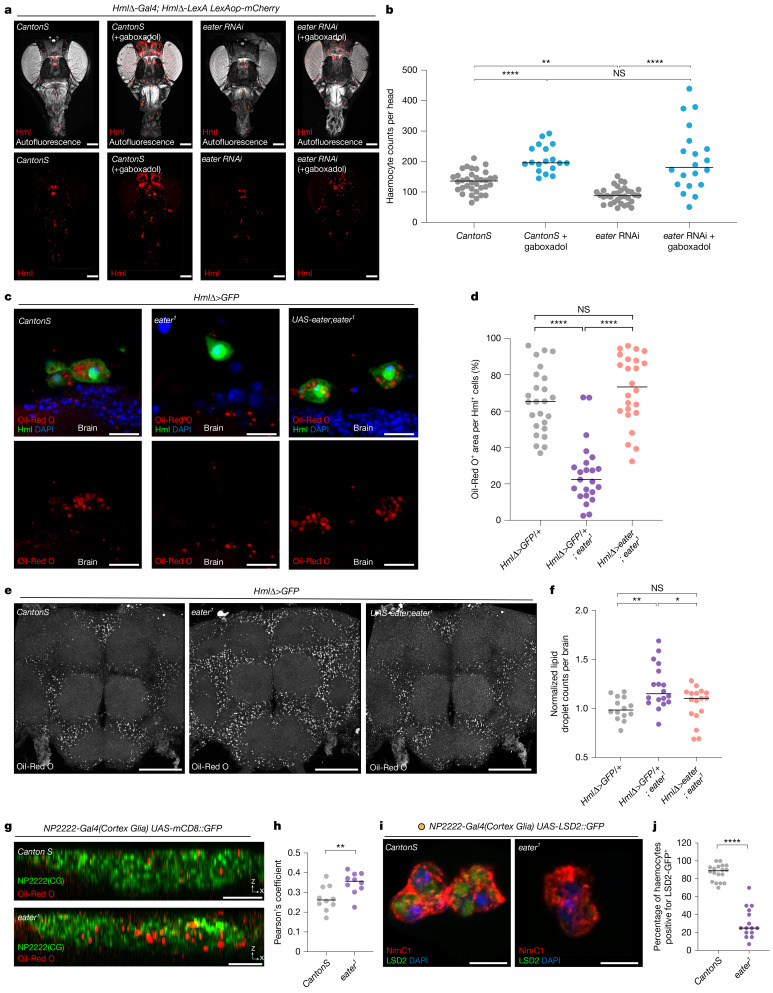 Figure 4
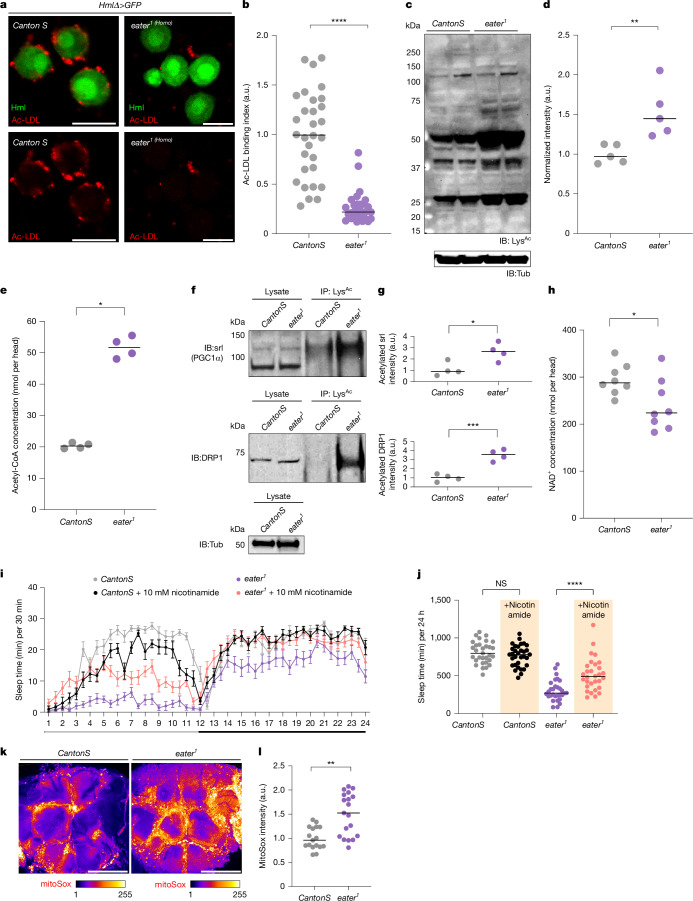 Figure 5
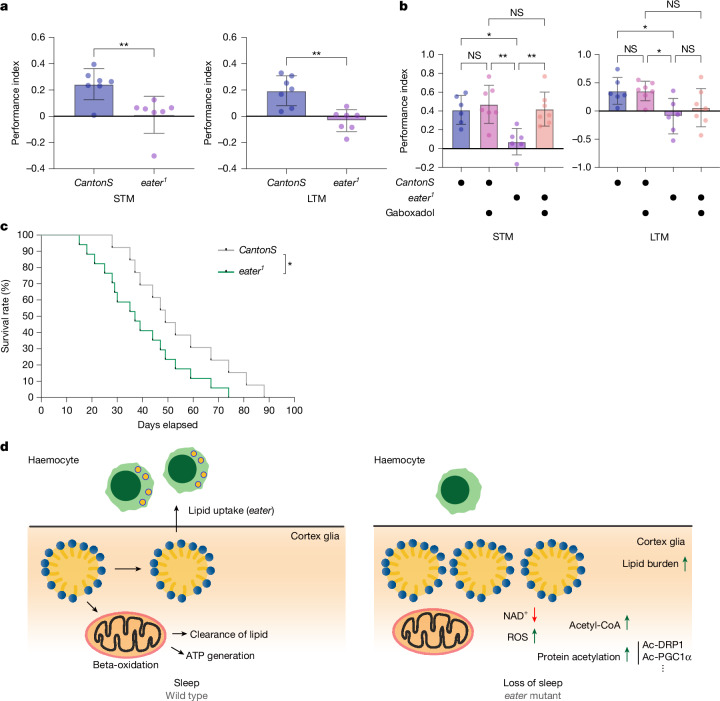 Figure 6
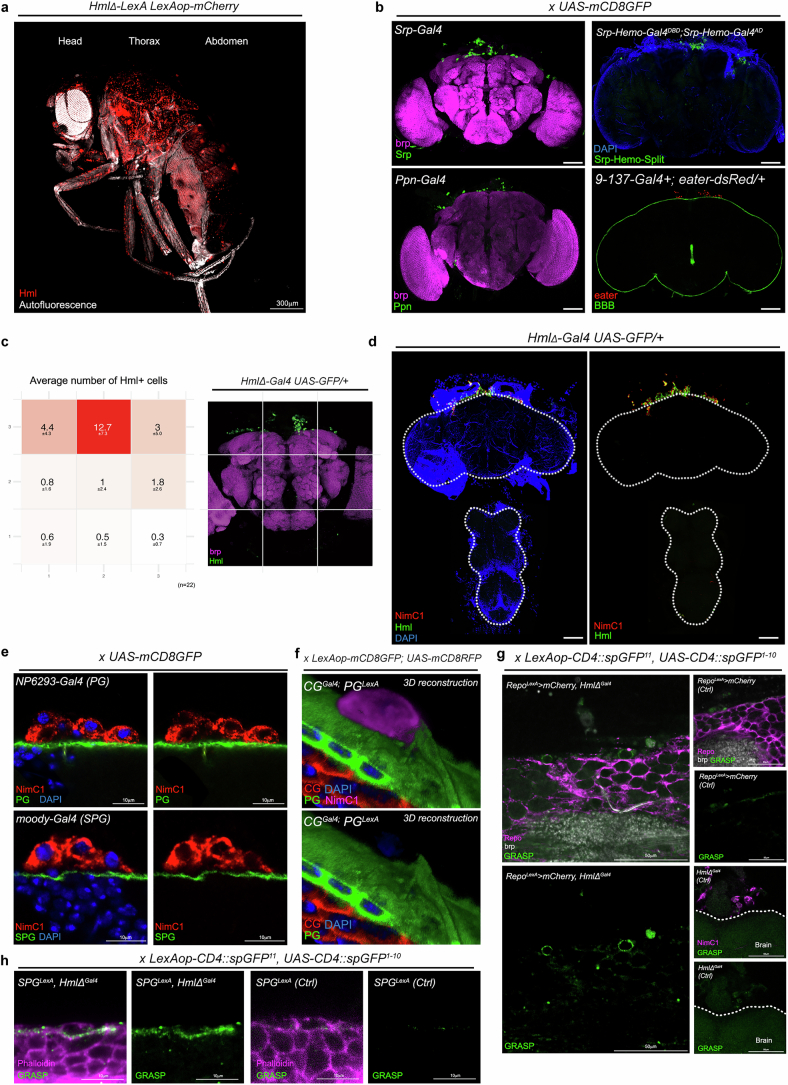 Figure 7
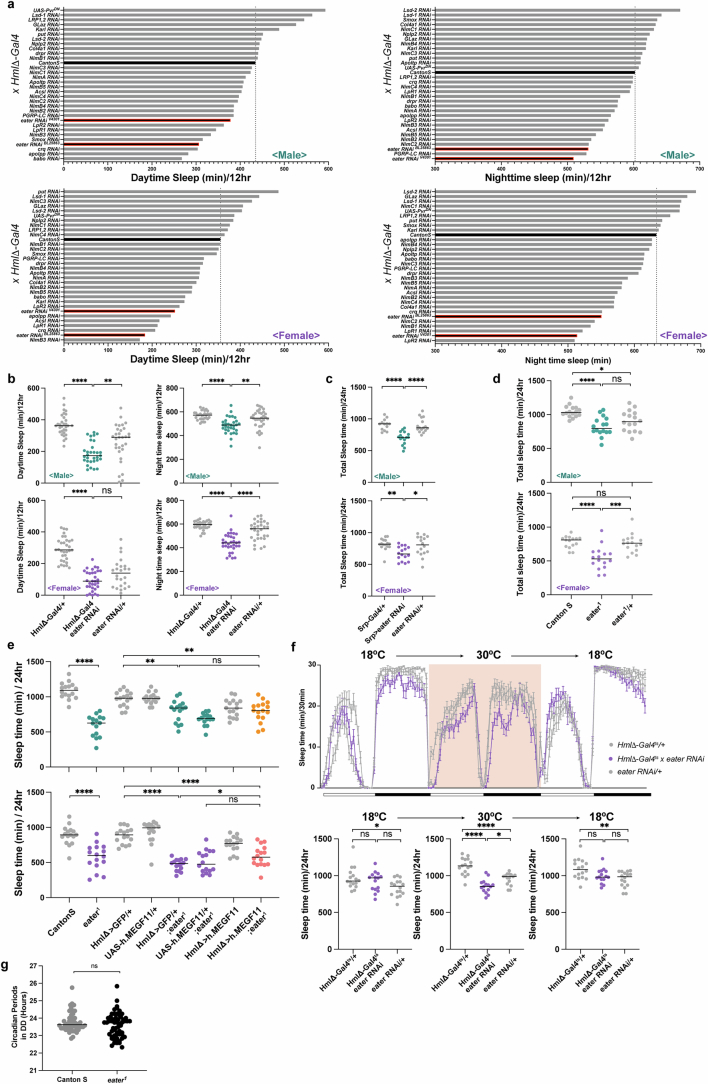 Figure 8
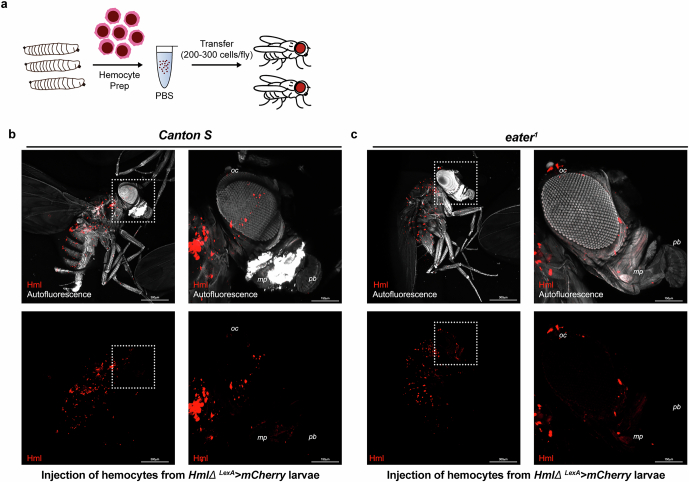 Figure 9
Peer Reviews
No public reviews on file for this paper yet. If you reviewed it on a platform where reviews are public (OpenReview, ICLR, NeurIPS, ICML), you can paste yours below so the community can read it here.
Videos
No videos yet. Explain this paper in a talk, walkthrough, or lecture? Add one.
Taxonomy
TopicsSleep and Wakefulness Research · Neuroinflammation and Neurodegeneration Mechanisms · Neurobiology and Insect Physiology Research