Activated ATF6α is a hepatic tumour driver restricting immunosurveillance
Xin Li, Cynthia Lebeaupin, Aikaterini Kadianaki, Clementine Druelle-Cedano, Niklas Vesper, Charlotte Rennert, Júlia Huguet-Pradell, Borja Gomez Ramos, Chaofan Fan, Robert Stefan Piecyk, Laimdota Zizmare, Pierluigi Ramadori, Luqing Li, Lukas Frick, Menjie Qiu, Cangang Zhang

TL;DR
This study shows that prolonged activation of ATF6α in liver cancer drives tumor growth and suppresses immune responses, making it a potential target for treatment.
Contribution
The study reveals ATF6α as a novel tumor driver and immunosuppressor in hepatocellular carcinoma, linking it to metabolic changes and immune evasion.
Findings
Activated ATF6α correlates with aggressive tumor traits and reduced survival in human HCC.
ATF6α induces ER stress, glycolysis, and immunosuppression in liver cancer models.
Targeting ATF6α reduces HCC progression and improves response to immunotherapy.
Abstract
Hepatocellular carcinoma (HCC) is the fastest growing cause of cancer-related mortality and there are limited therapies1. Although endoplasmic reticulum (ER) stress and the unfolded protein response (UPR) are implicated in HCC, the involvement of the UPR transducer ATF6α remains unclear2. Here we demonstrate the function of ATF6α as an ER-stress-inducing tumour driver and metabolic master regulator restricting cancer immunosurveillance for HCC, in contrast to its well-characterized role as an adaptive response to ER stress3. ATF6α activation in human HCC is significantly correlated with an aggressive tumour phenotype, characterized by reduced patient survival, enhanced tumour progression and local immunosuppression. Hepatocyte-specific ATF6α activation in mice induced progressive hepatitis with ER stress, immunosuppression and hepatocyte proliferation. Concomitantly, activated ATF6α…
Genes, proteins, chemicals, diseases, species, mutations and cell lines named across the full text — each resolved to its canonical identifier and authoritative record.
Click any figure to enlarge with its caption.
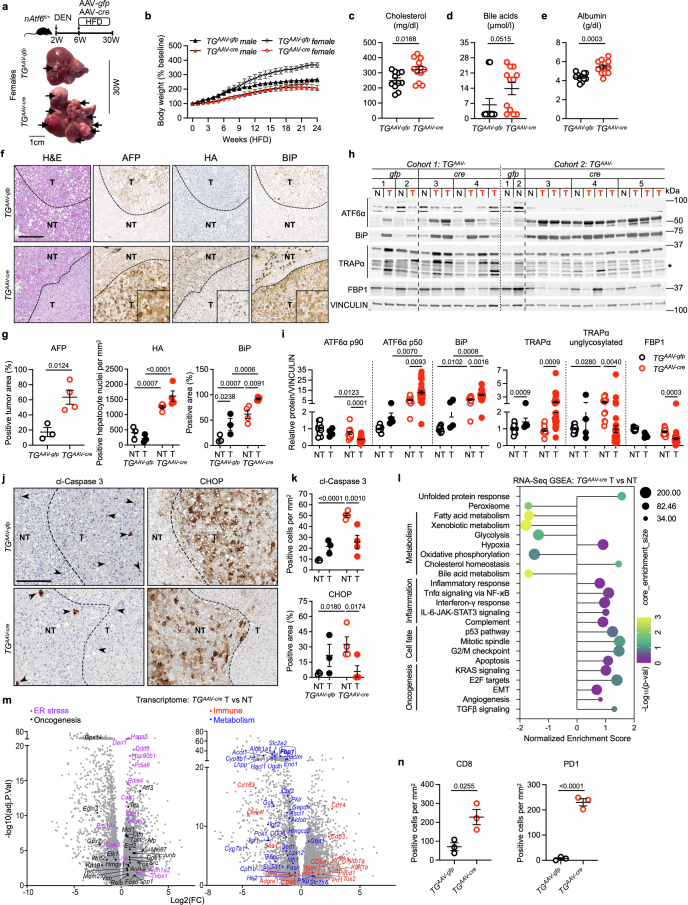 Figure 10
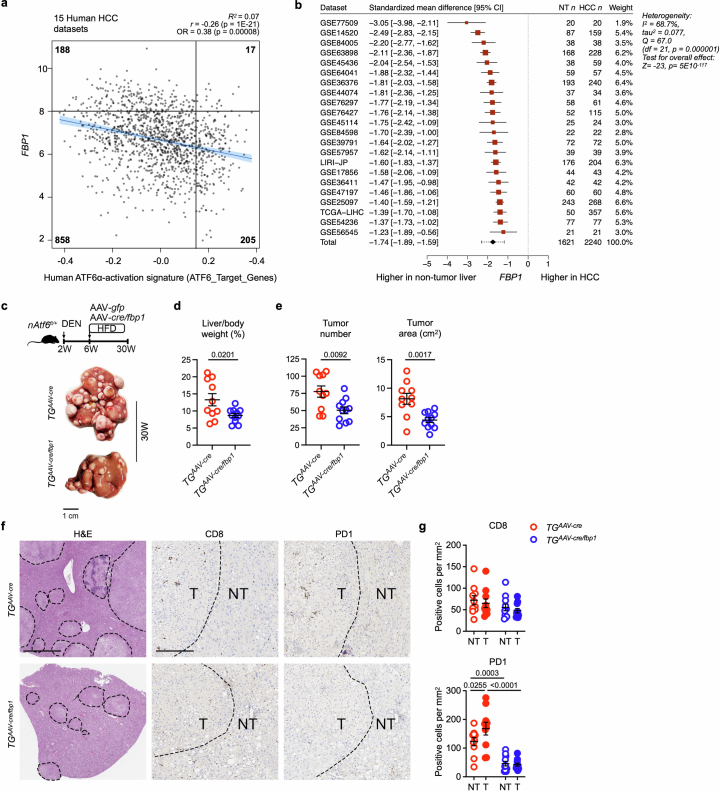 Figure 11
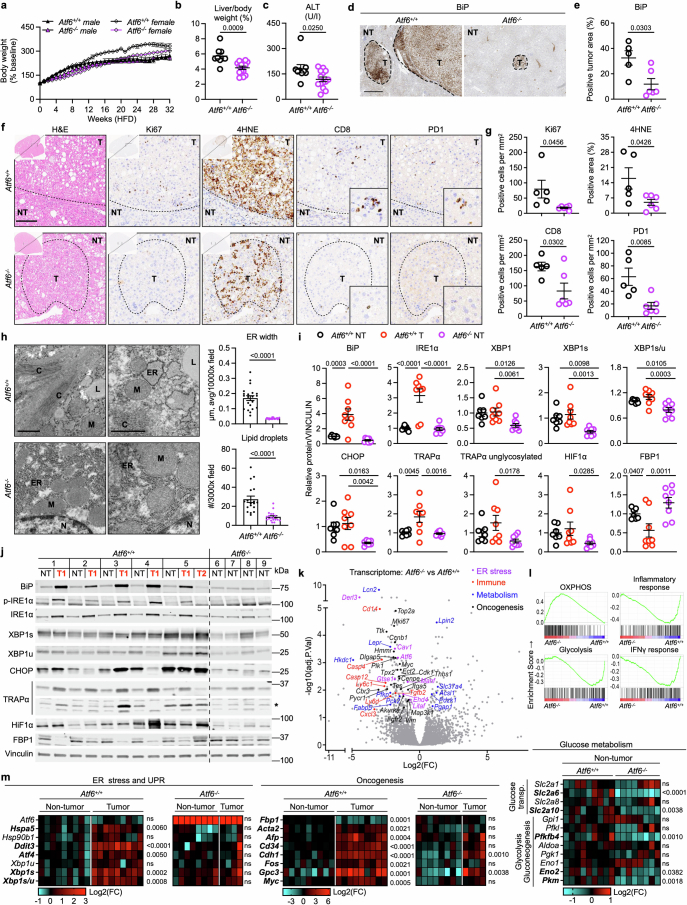 Figure 12
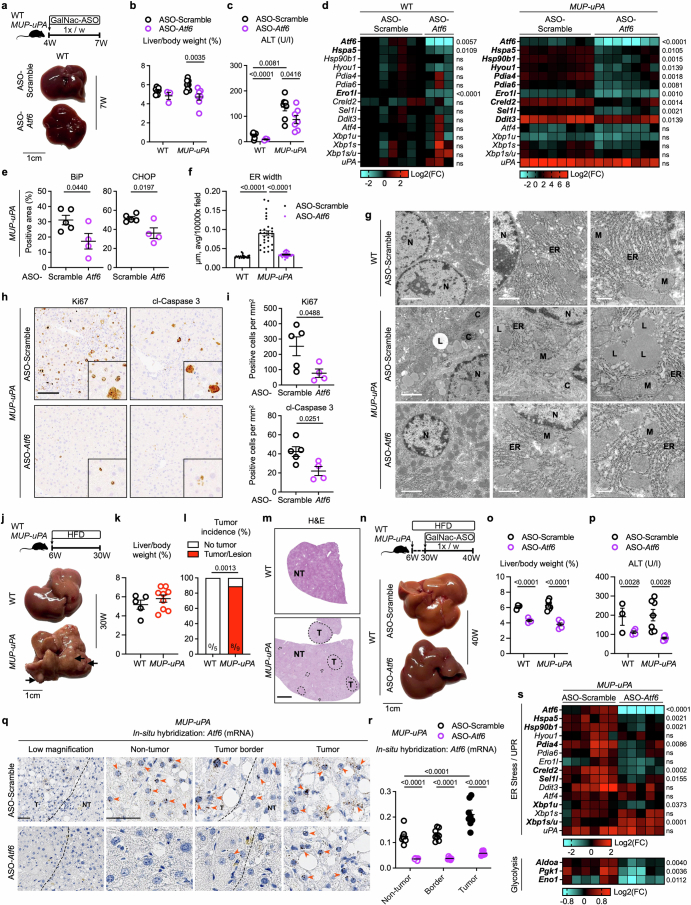 Figure 13
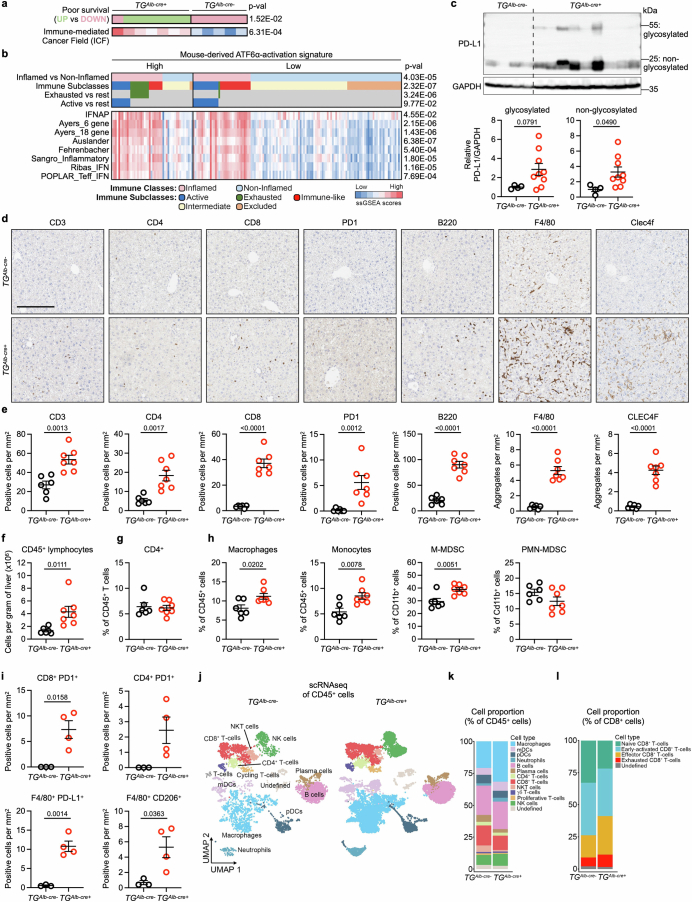 Figure 14
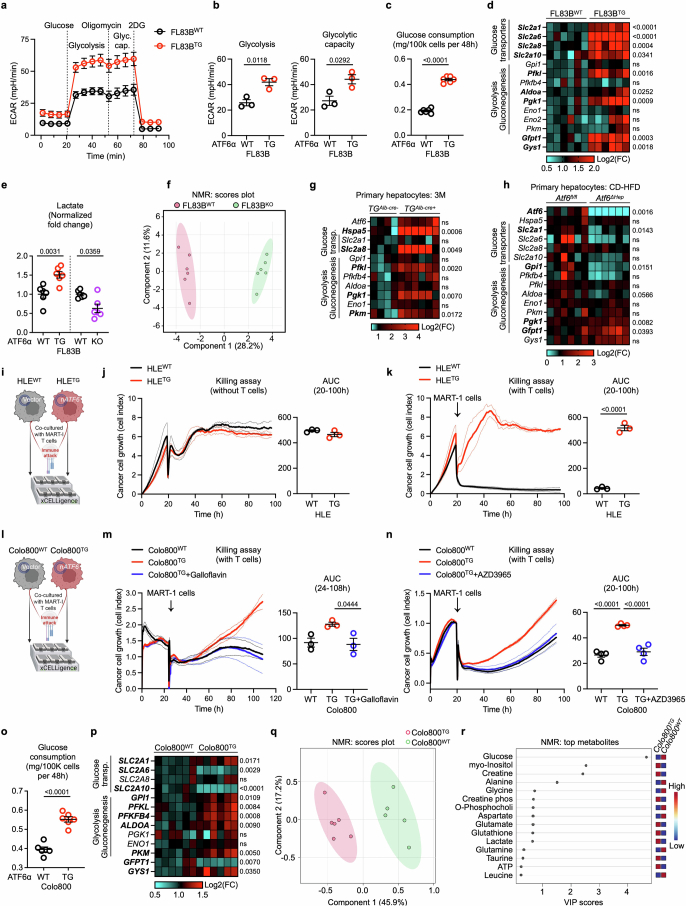 Figure 15
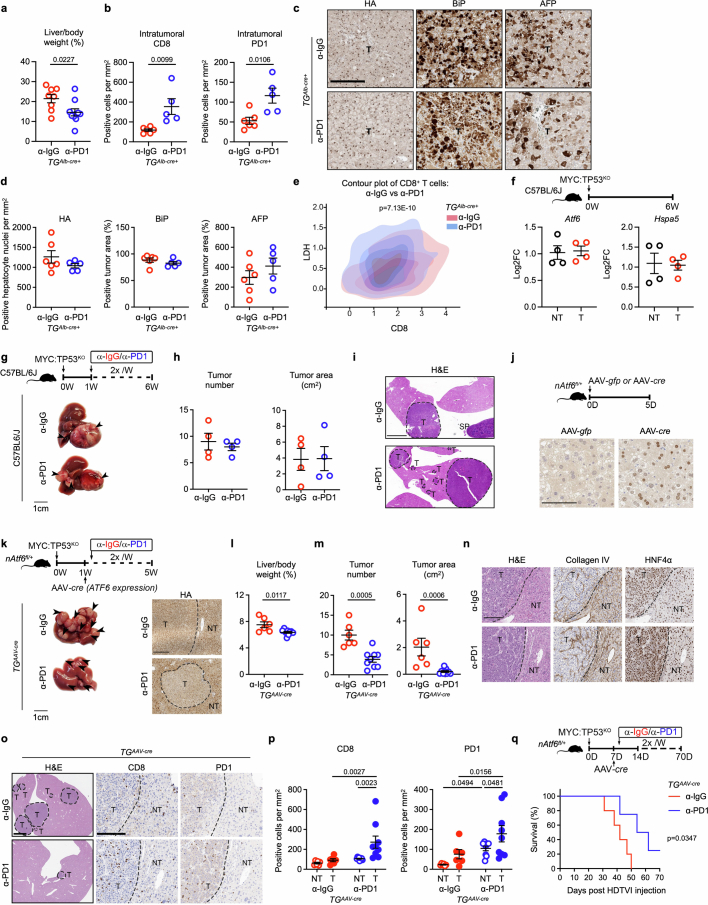 Figure 16
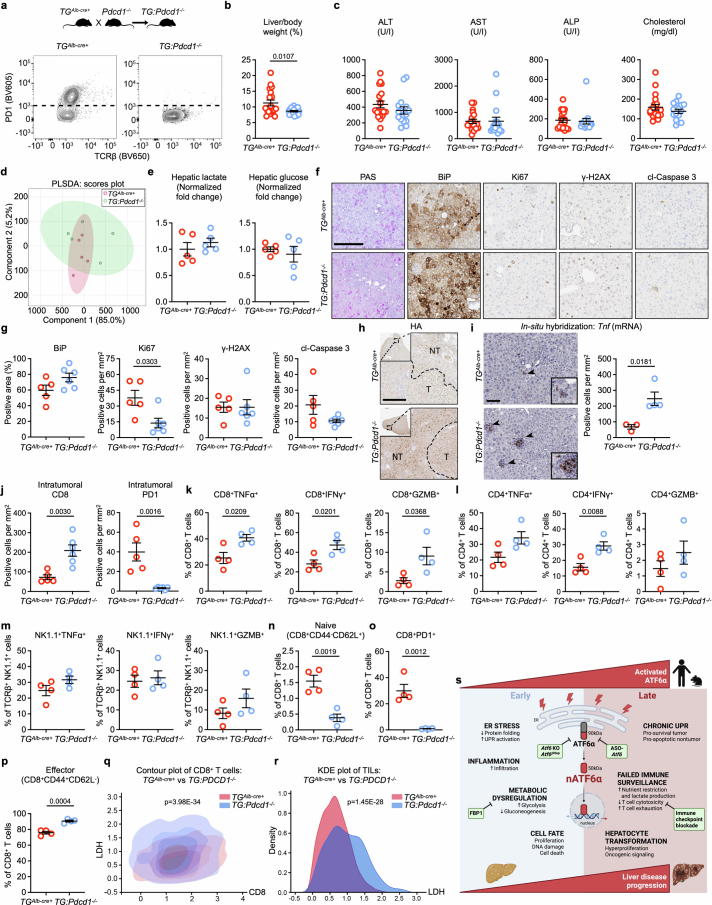 Figure 17
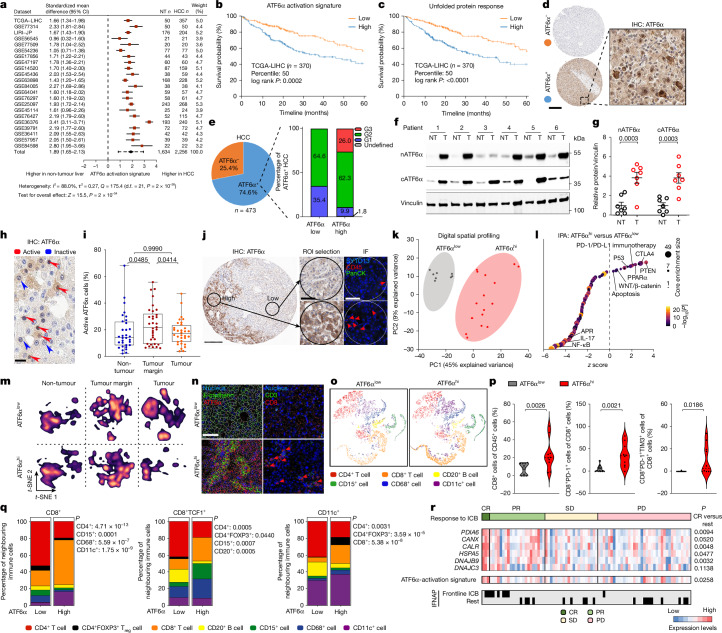 Figure 1
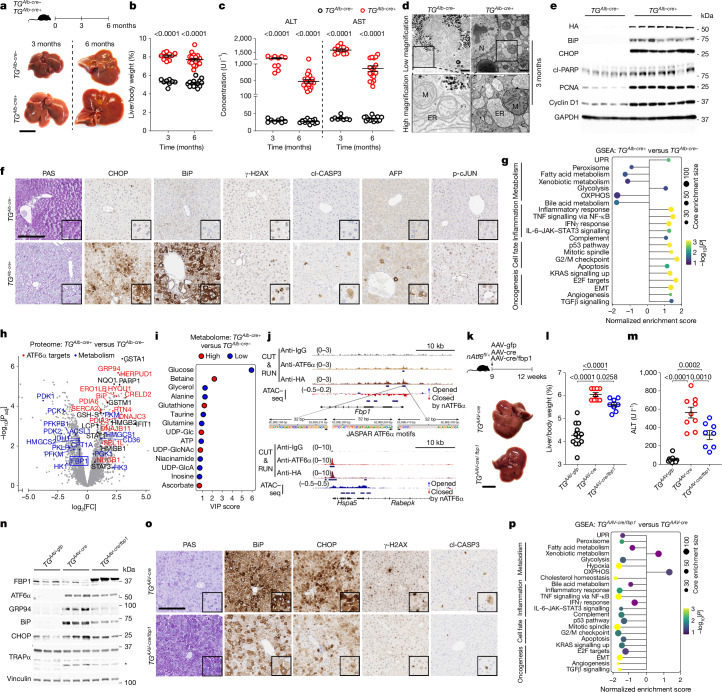 Figure 2
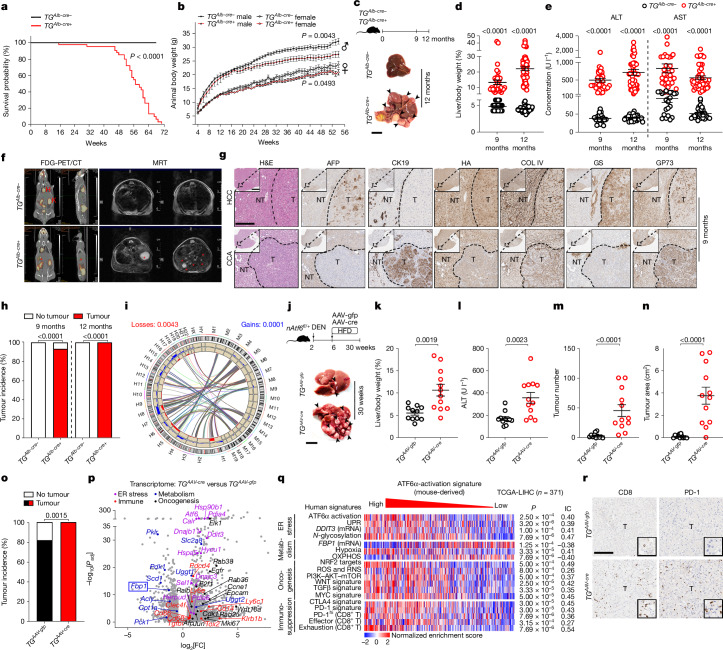 Figure 3
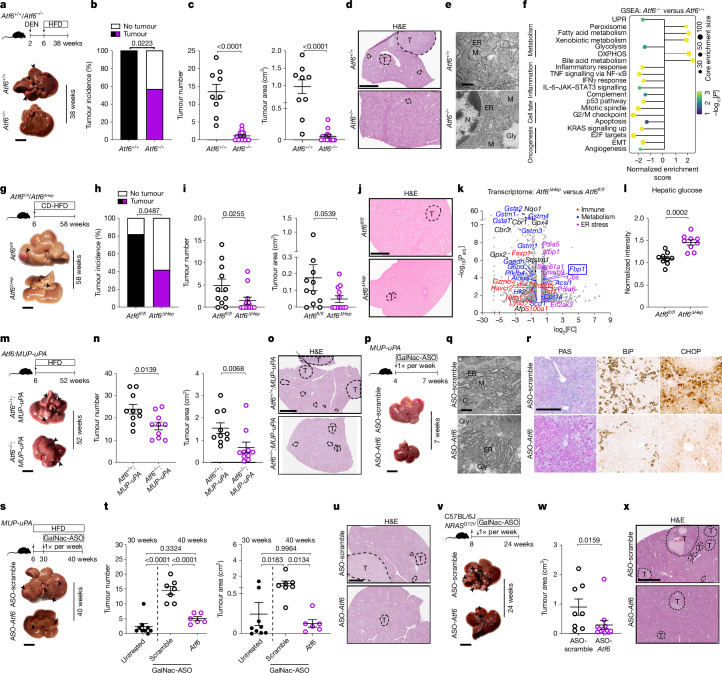 Figure 4
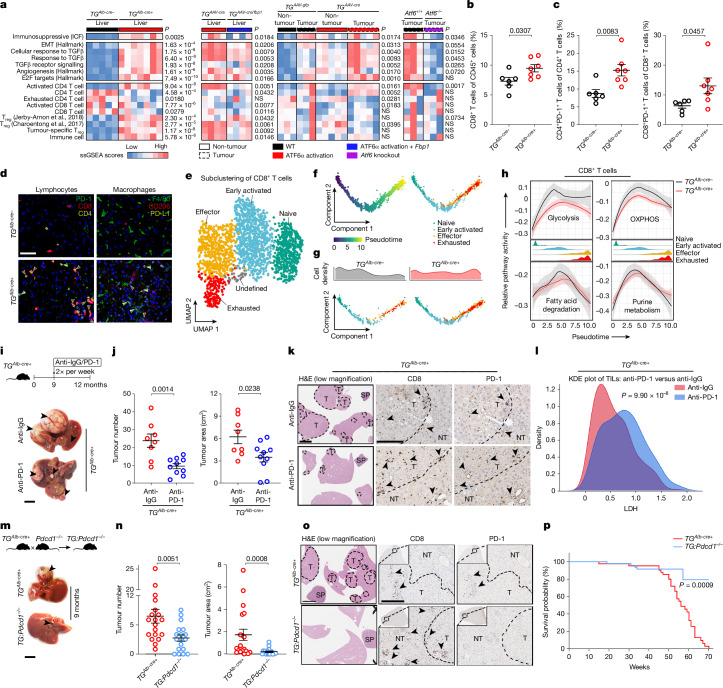 Figure 5
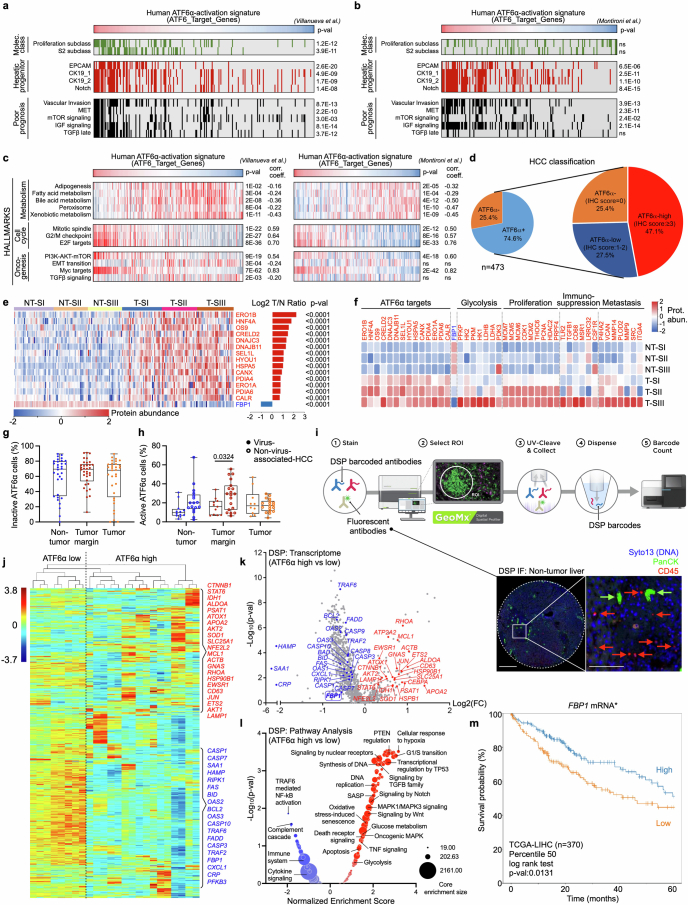 Figure 6
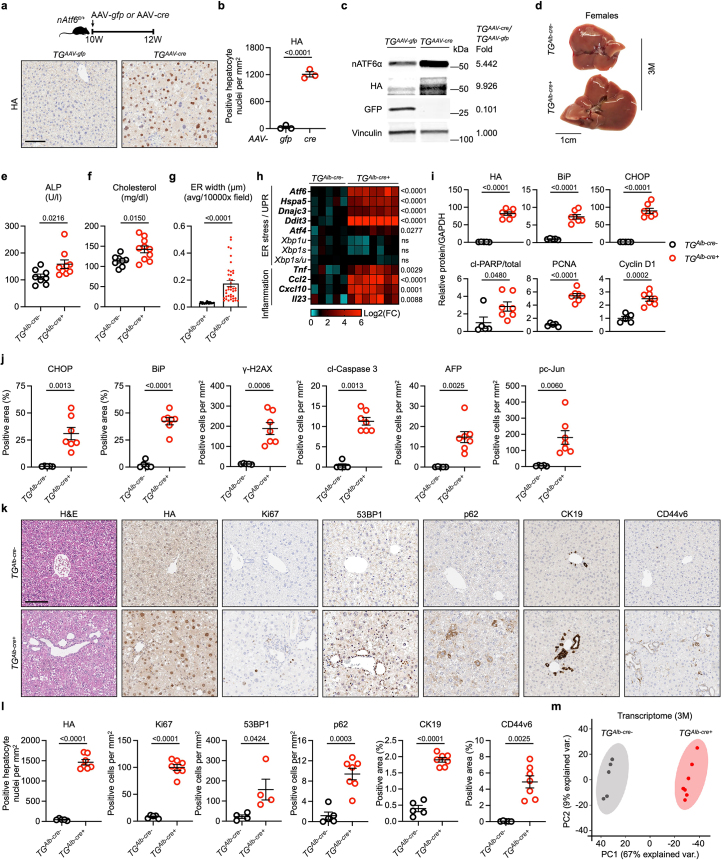 Figure 7
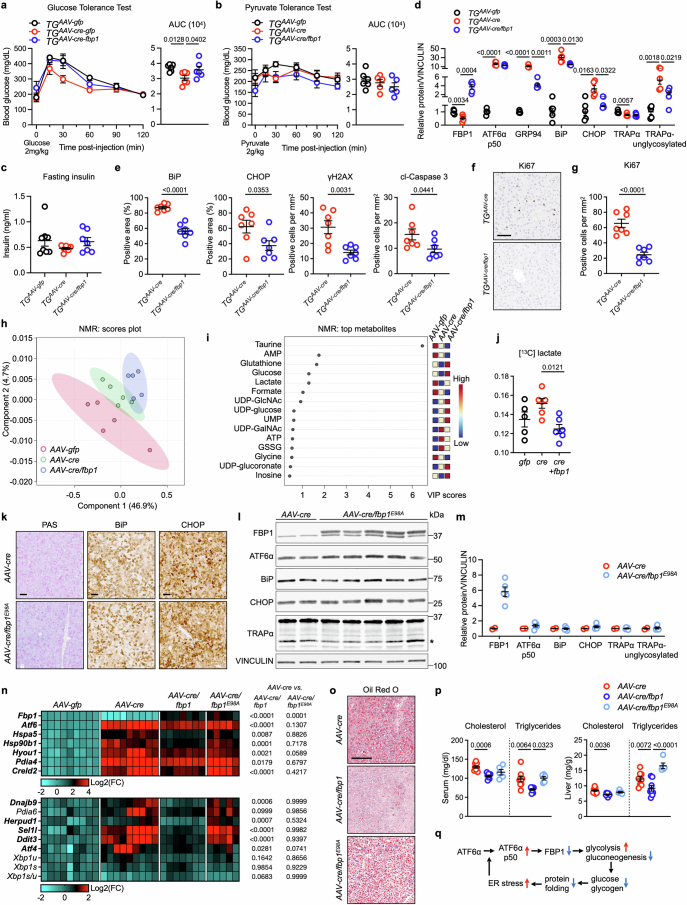 Figure 8
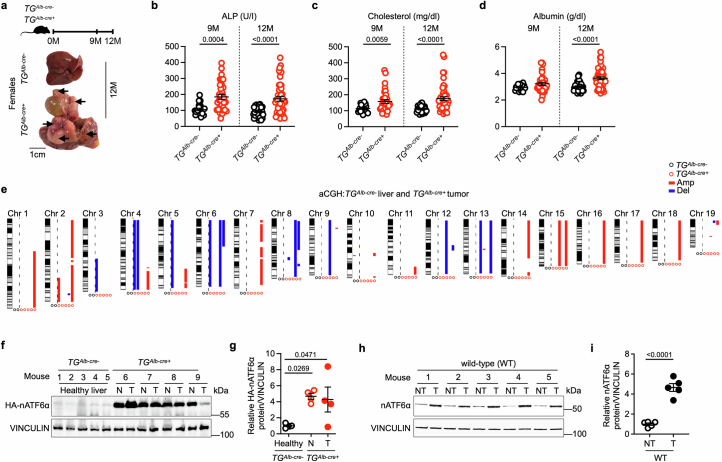 Figure 9
Peer Reviews
No public reviews on file for this paper yet. If you reviewed it on a platform where reviews are public (OpenReview, ICLR, NeurIPS, ICML), you can paste yours below so the community can read it here.
Videos
No videos yet. Explain this paper in a talk, walkthrough, or lecture? Add one.
Taxonomy
TopicsEndoplasmic Reticulum Stress and Disease · Ferroptosis and cancer prognosis · Phagocytosis and Immune Regulation