Fibroblastic reticular cells direct the initiation of T cell responses via CD44
Xavier Y. X. Sng, Valentina Voigt, Iona S. Schuster, Peter Fleming, Felix A. Deuss, Mohammed H. Abuwarwar, Serani L. H. van Dommelen, Georgia E. G. Neate, Riley M. Arnold, Harry L. Horsnell, Sheridan Daly, Bagher Golzarroshan, Antiopi Varelias, Stewart D. Lyman

TL;DR
This study shows that CD44 on fibroblastic reticular cells is crucial for T cell activation, and a virus protein disrupts this process to evade immunity.
Contribution
The study identifies CD44 on fibroblastic reticular cells as a key regulator of T cell priming and reveals a novel stroma-based mechanism of antiviral immunity.
Findings
The viral protein m11 inhibits antiviral immunity by targeting CD44 on fibroblastic reticular cells.
m11 disrupts CD44 interactions with hyaluronic acid, impairing dendritic cell trafficking and T cell priming.
CD44 is essential for the function of the fibroblastic reticular cell network in adaptive immune responses.
Abstract
The movement of dendritic cells and T cells within secondary lymphoid organs is critical for the development of adaptive immune responses1,2. Central to this process is the fibroblastic reticular cell (FRC) network, which forms a highly organized conduit system that facilitates the movement of and interactions between dendritic cells and T cells3–6. Previous studies have partly characterized how FRCs support these interactions7,8. However, the molecular mechanisms that operate under physiological conditions remain unknown. Here we show that the viral protein m11, encoded by the herpesvirus murine cytomegalovirus (CMV), inhibits antiviral immunity by targeting the FRC network and interfering with a critical function of cellular CD44. We found that m11 binds to CD44 and established that m11 perturbs the molecular interactions of CD44 with its natural ligand, hyaluronic acid. The…
Genes, proteins, chemicals, diseases, species, mutations and cell lines named across the full text — each resolved to its canonical identifier and authoritative record.
Click any figure to enlarge with its caption.
 Figure 10
 Figure 11
 Figure 12
 Figure 13
 Figure 14
 Figure 15
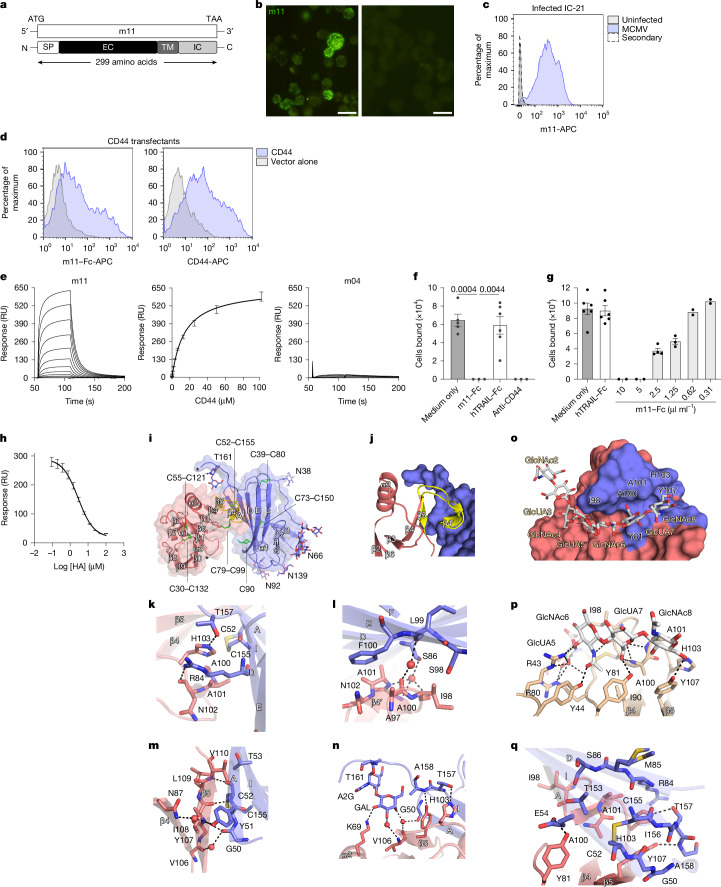 Figure 1
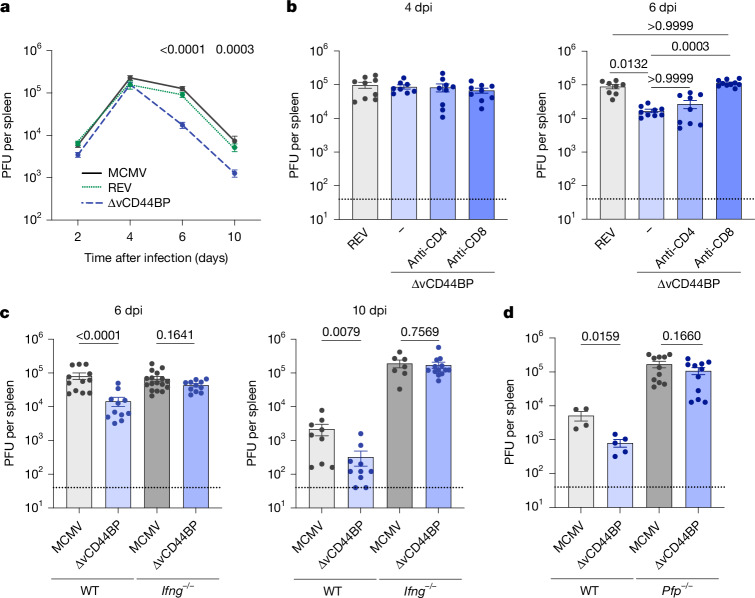 Figure 2
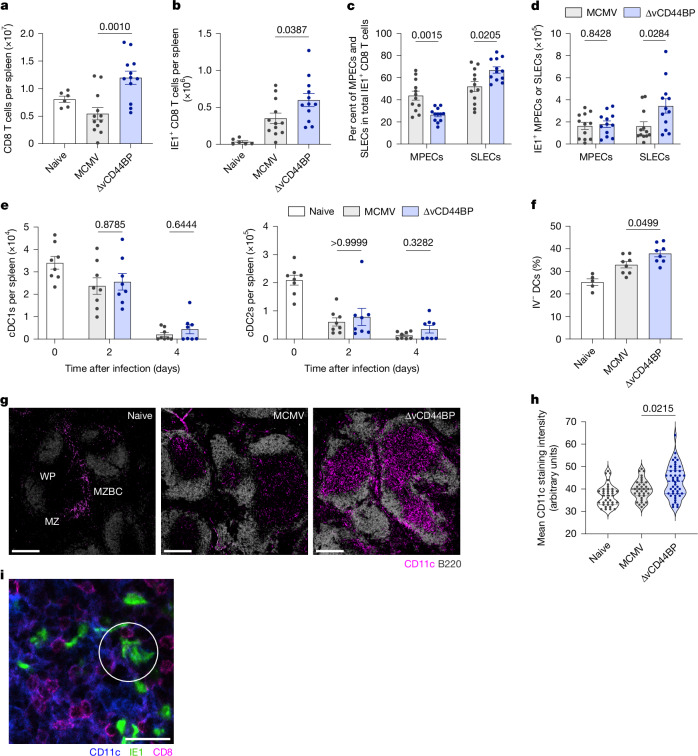 Figure 3
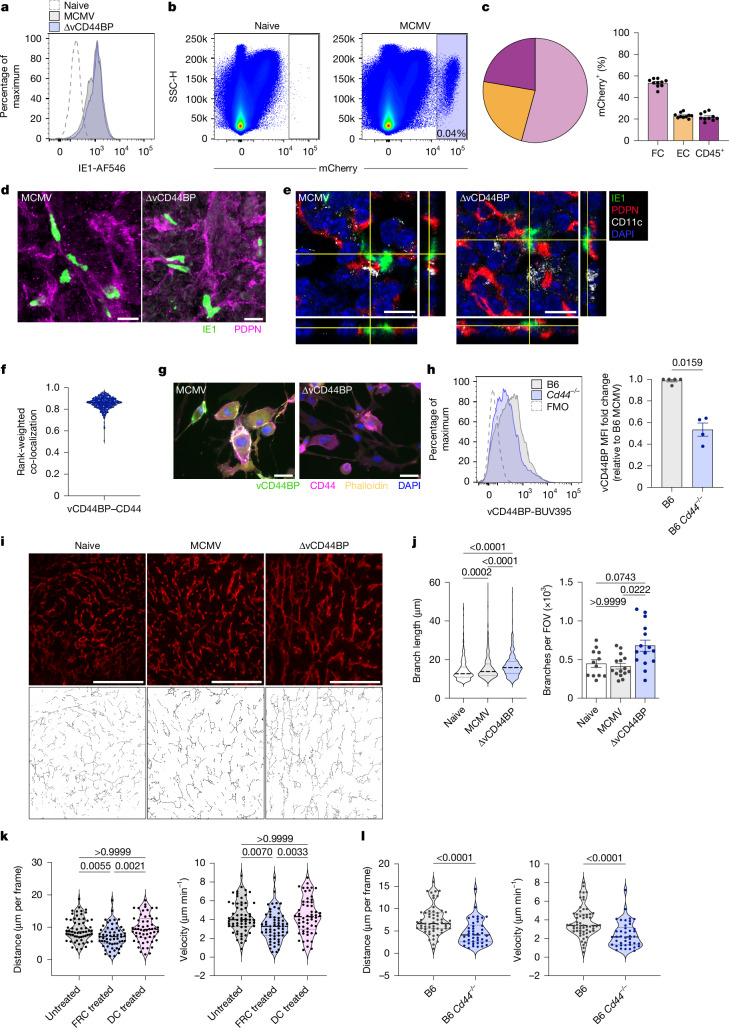 Figure 4
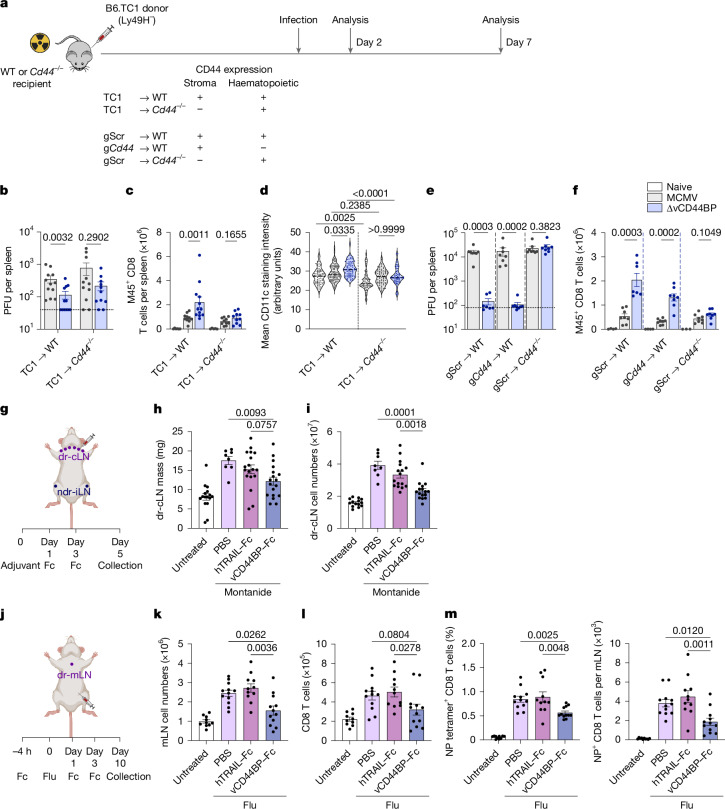 Figure 5
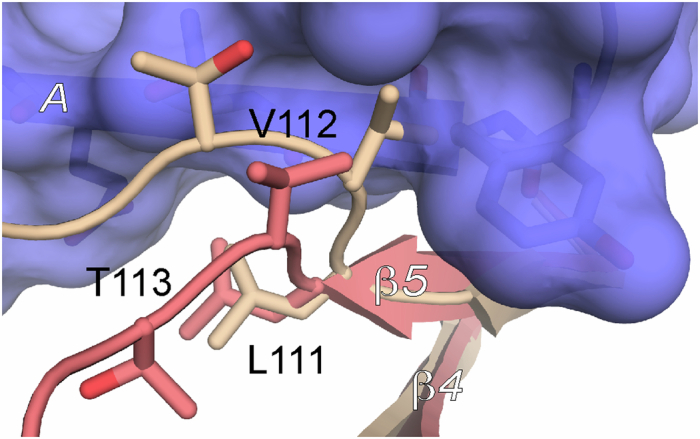 Figure 6
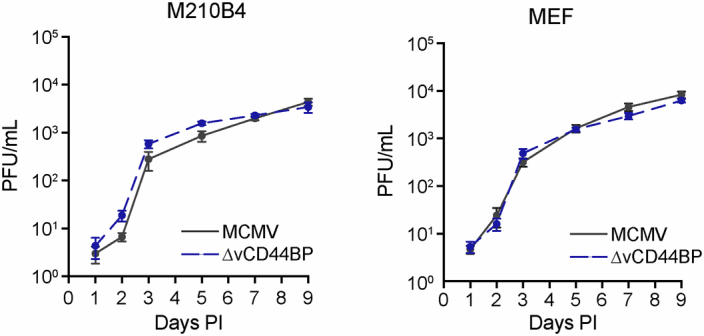 Figure 7
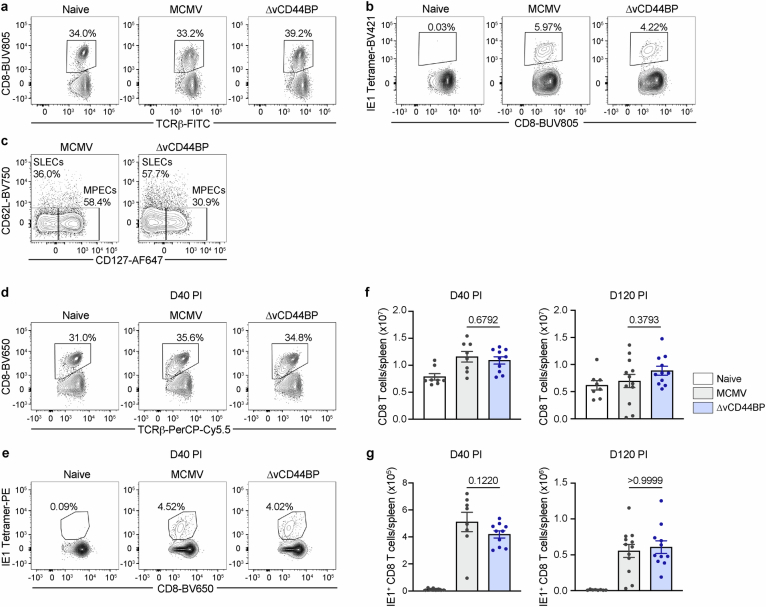 Figure 8
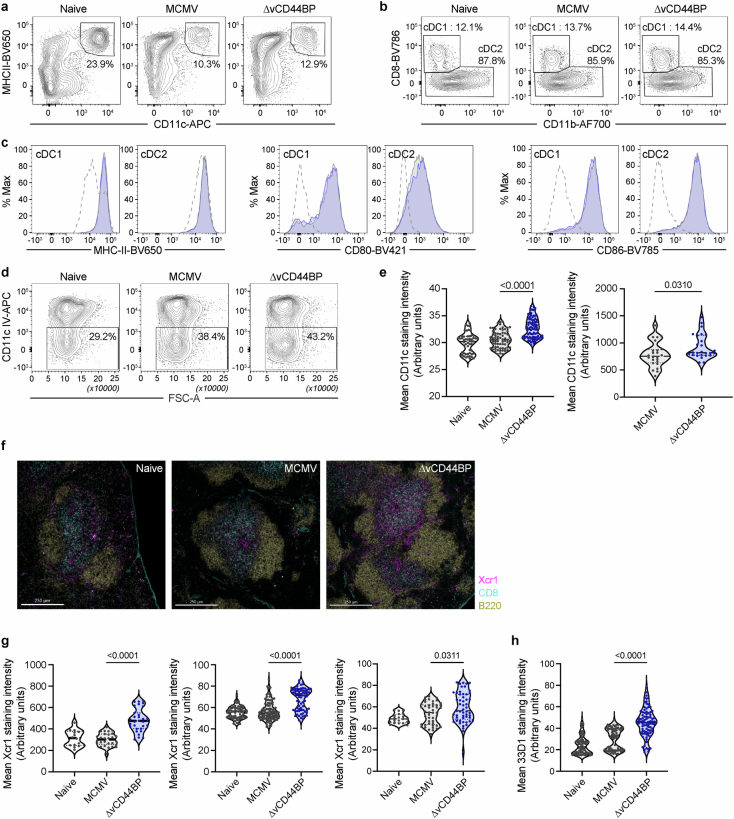 Figure 9
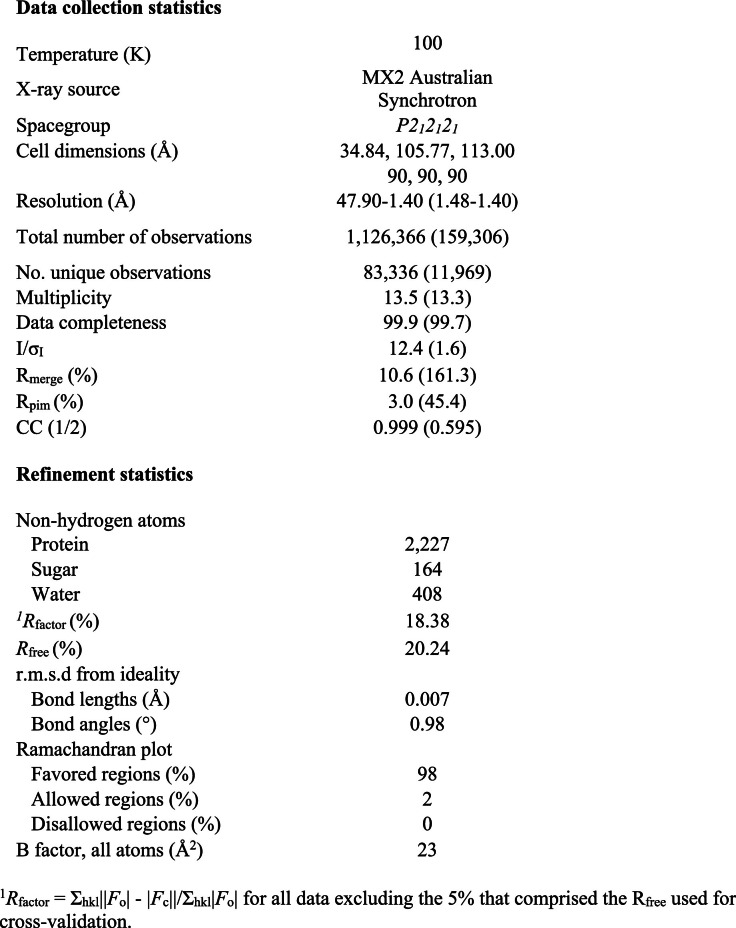 Figure 16
 Figure 17
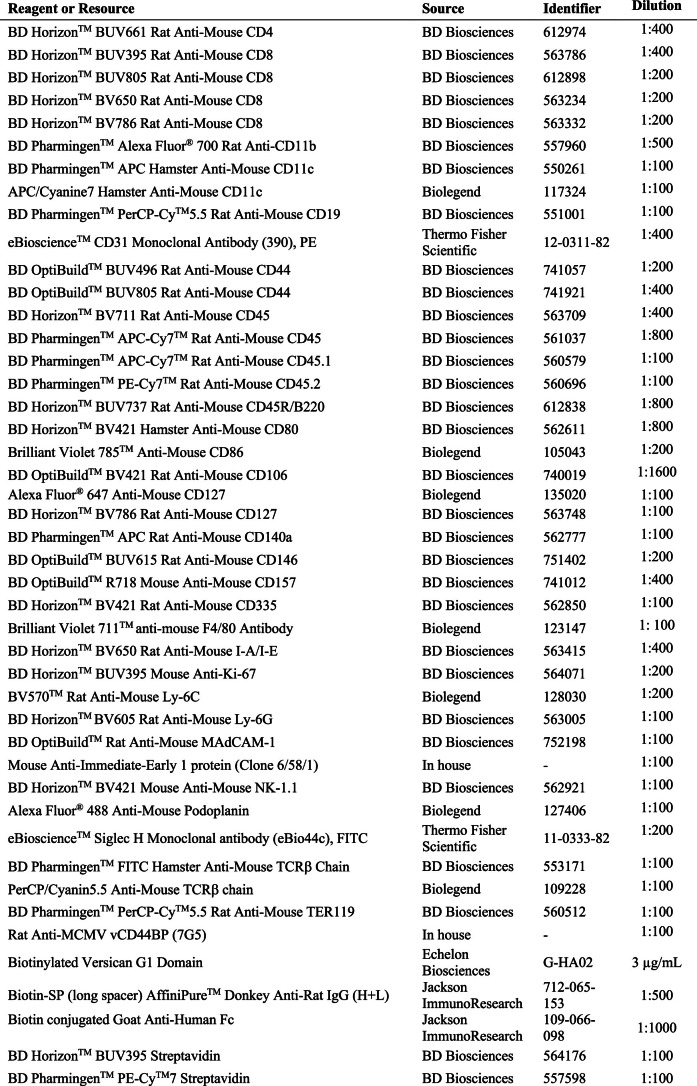 Figure 18
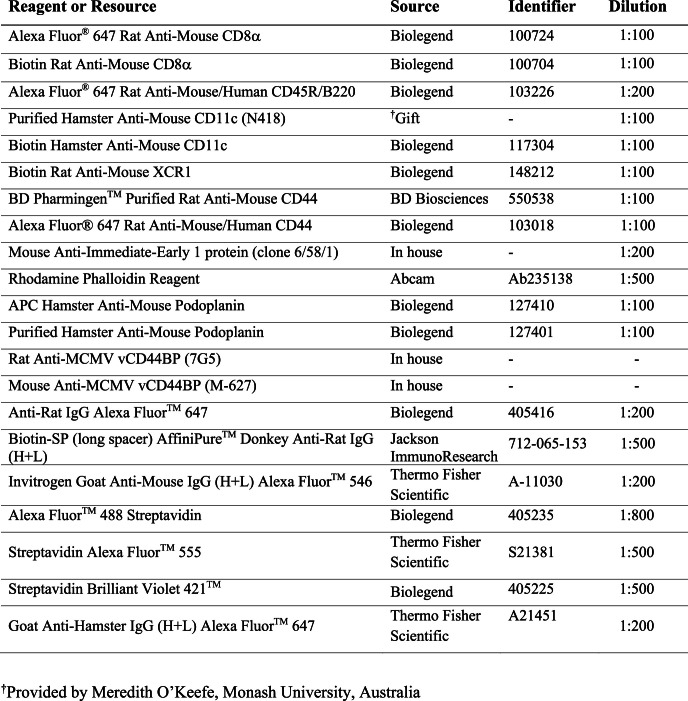 Figure 19
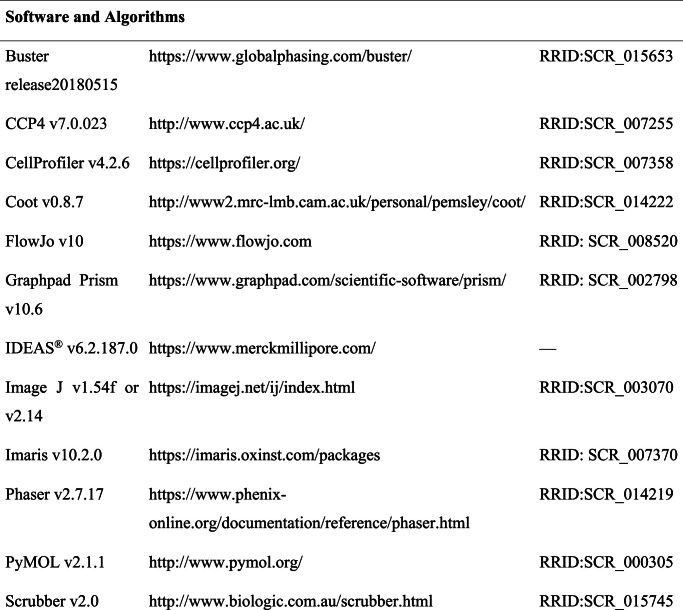 Figure 20
Peer Reviews
No public reviews on file for this paper yet. If you reviewed it on a platform where reviews are public (OpenReview, ICLR, NeurIPS, ICML), you can paste yours below so the community can read it here.
Videos
No videos yet. Explain this paper in a talk, walkthrough, or lecture? Add one.
Taxonomy
TopicsCancer Immunotherapy and Biomarkers · Peptidase Inhibition and Analysis · interferon and immune responses